
Category: Jataka

The Jataka Tales are ancient Buddhist stories recounting the previous lives of the Buddha, often told through animals, kings, and everyday characters. Each tale illustrates moral insight, compassion, wisdom, and the long cultivation of virtue across lifetimes. These posts explore the Jataka stories as living teachings—not merely folklore, but practical reflections on ethical conduct, intention, and the gradual unfolding of awakening.

  • Ajanna Jataka—Buddhist Story of Wisdom and Karma.

    Ajanna Jataka — Buddhist Story of Wisdom and Karma | Timeless Lesson on Virtue and Compassion.
    Ajanna Jataka—Buddhist Story of Wisdom and Karma.

    Ajanna Jataka—Buddhist Story of Wisdom and Karma.

    Among the ancient Jataka tales, the Ajanna Jataka holds a special place as a teaching story of wisdom, karma, and compassion. These timeless parables reveal the many past lives of the Buddha, showing how virtue and reflection shape destiny. The Ajanna Jataka is more than a folktale; it is a guide to living with mindfulness and understanding, offering lessons as relevant today as they were centuries ago.

    The Story of Prince Ajanna

    In this tale, the Buddha is reborn as Prince Ajanna. From birth, he is surrounded by wealth, power, and privilege. Yet even within the palace walls, the young prince feels a deep restlessness. He asks questions that others avoid: What is the true purpose of life? Why does suffering exist even among the rich?

    This inner quest leads Ajanna beyond the glitter of jewels and feasts. He leaves behind comfort searching for truth. Along his journey, he observes the impermanence of all things and realizes that worldly pleasures are fleeting. It is through reflection, not indulgence, that wisdom arises.

    The Teaching of Karma

    The Ajanna Jataka emphasizes the principle of karma—our actions, thoughts, and words shape the path we walk. Prince Ajanna learns that every choice carries consequences, just as seeds grow into fruit. By practicing kindness, mindfulness, and restraint, one creates harmony instead of suffering.

    This teaching remains timeless. In the modern world, we may not live in palaces, but we still face the same temptations of greed, anger, and ignorance. The story reminds us to pause, reflect, and choose wisely. Karma, in this context, is not punishment but a natural law: what we plant is what we reap.

    Wisdom Over Wealth

    One of the central lessons of the Ajanna Jataka is that wisdom is greater than wealth. Riches can be lost overnight, but wisdom guides us through every challenge. The prince discovers that compassion for others and clarity of mind are treasures more valuable than gold.

    For readers today, this message resonates strongly. We often chase material success, only to feel unfulfilled. This Jataka tale invites us to look inward and cultivate inner richness. When guided by wisdom, we navigate life’s difficulties with balance, rather than being carried away by desire.

    Relevance for Modern Life

    Though centuries old, the Ajanna Jataka continues to inspire. Its themes are universal: the search for meaning, the law of karma, and the value of compassion. By reflecting on these teachings, we find guidance for our daily struggles.

    Whether you are seeking calm in a busy world or clarity in difficult choices, this story offers timeless wisdom. It tells us that transformation begins not in changing circumstances, but in changing our perspective. In mindfulness practice, this is echoed again and again: peace comes when the mind is steady, not when possessions increase.

    For content creators, spiritual seekers, or anyone exploring Buddhist wisdom, this Jataka tale serves as a practical reminder that happiness is cultivated, not purchased. Its lessons can enrich meditation, daily reflection, and even decision-making in modern life.

    Conclusion

    The Ajanna Jataka is more than a Buddhist parable—it is a mirror for our lives. It asks us to consider what we value most and how we act in the face of desire and attachment. By remembering that karma follows every choice, and that true wealth is found in wisdom, we step closer to liberation.

    At Your Wisdom Vault, we share stories like this to inspire mindfulness and reflection. Let the Ajanna Jataka remind you that the path to freedom begins within.

    Ajanna Jataka—Buddhist Story of Wisdom and Karma.
    Ajanna Jataka—Buddhist Story of Wisdom and Karma.

    PS: If you enjoyed this story and want more timeless wisdom from the Jataka tales and Buddhist teachings, don’t forget to subscribe to Your Wisdom Vault on YouTube for weekly insights 🙏

    #AjannaJataka #BuddhistStories #Wisdom #Karma #Mindfulness #YourWisdomVault
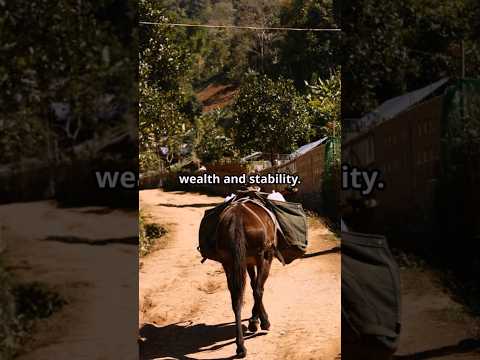
  • Bhojajaniya Jataka—Buddhist Tale of the Faithful Horse.

    Bhojajaniya Jataka — Buddhist Tale of the Faithful Horse | Timeless Story of Loyalty and Virtue.
    Bhojajaniya Jataka—Buddhist Tale of the Faithful Horse.

    Bhojajaniya Jataka—Buddhist Tale of the Faithful Horse.

    The Jataka tales hold a special place in Buddhist literature, preserving timeless wisdom through stories of the Buddha’s past lives. Among these narratives is the Bhojajaniya Jataka, a tale that highlights loyalty, devotion, and the power of gratitude. This story is not merely a fable from ancient times—it continues to offer lessons relevant to our modern lives. In this blog post, we’ll explore the background of the story, its moral lessons, and the deeper significance it holds for spiritual growth and mindful living.

    What is the Bhojajaniya Jataka?

    The Bhojajaniya Jataka centers on a noble horse named Bhojajaniya. Unlike ordinary animals, this horse embodied patience, strength, and unwavering loyalty. His devotion to his master was unshaken, even during times of hardship. The story reflects how loyalty and gratitude create bonds that withstand challenges. The Jataka tales often portray animals as wise and compassionate beings, reminding us that moral virtues can be expressed in every form of life. Bhojajaniya’s role as a faithful companion demonstrates that true greatness lies not in power, but in service.

    The Story of the Faithful Horse

    According to the tale, Bhojajaniya’s master fell upon hard times and could no longer maintain his wealth or status. Many would have abandoned him in such circumstances, but Bhojajaniya chose otherwise. He carried heavy loads, endured hardship, and worked tirelessly to restore his master’s livelihood. His quiet strength and perseverance eventually helped the master regain his prosperity and dignity. This section of the Bhojajaniya Jataka teaches us that loyalty and perseverance can turn despair into hope. The horse is celebrated not only for his physical endurance but also for his unwavering commitment, showing us that true service often requires sacrifice.

    Lessons from Bhojajaniya Jataka

    Every Jataka tale carries moral lessons, and Bhojajaniya’s story is no exception. Some key takeaways include: Loyalty in relationships: Staying true to those we care about, especially in difficult times, strengthens bonds of trust. Gratitude as a virtue: Bhojajaniya acted out of gratitude for his master, showing how appreciation inspires selfless service. Perseverance in adversity: Hardship is inevitable, but endurance and determination often lead to eventual success. Compassion in action: By shouldering burdens for his master, Bhojajaniya embodied compassion through deeds, not just words. These lessons extend beyond spiritual teachings—they apply to friendships, family, and even professional life, reminding us that trust and gratitude build stronger communities.

    Why This Tale Still Matters Today

    In today’s fast-paced and often self-centered world, the Bhojajaniya Jataka is a reminder of values that should not be forgotten. Loyalty is rare, gratitude is typically overlooked, and perseverance is sometimes abandoned in favor of quick results. Stories like this invite us to reflect on how we treat others, especially in times of struggle. Are we only present when circumstances are favorable, or do we remain steadfast when challenges arise? Bhojajaniya’s example shows us that true character shines brightest in adversity. His actions encourage us to cultivate resilience, remain faithful to our commitments, and express gratitude to those who support us. These virtues are just as relevant for building strong relationships in modern society as they were in ancient times.

    Conclusion

    The Bhojajaniya Jataka is more than just an ancient Buddhist story—it is a mirror reflecting the values of loyalty, gratitude, and compassion. Through the faithful horse Bhojajaniya, we learn that strength does not always roar; sometimes, it is quiet, steady, and selfless. By reflecting on such tales, we enrich our lives and bring timeless wisdom into our daily choices. Let us remember Bhojajaniya’s devotion and apply these lessons in our relationships and actions, staying true to the values that create lasting harmony. In doing so, we not only honor the wisdom of the past but also bring light and meaning into our present lives.

    Bhojajaniya Jataka—Buddhist Tale of the Faithful Horse.
    Bhojajaniya Jataka—Buddhist Tale of the Faithful Horse.

    ✅ If you enjoyed this exploration, don’t forget to share this post and subscribe to YourWisdomVault on YouTube for more Buddhist stories, moral lessons, and ancient wisdom that continues to inspire today.

    P.S. The wisdom of the Bhojajaniya Jataka reminds us that loyalty and gratitude never go out of style—carry these virtues into your daily life.

    #BhojajaniyaJataka #JatakaTales #BuddhistStories #AncientWisdom #MoralStories #WisdomStories #YourWisdomVault

  • Kukkura Jataka: Ancient Buddhist Tale of the Wise Dog.

    Kukkura Jataka: Ancient Buddhist Tale of the Wise Dog | Timeless Story of Loyalty and Wisdom.
    Kukkura Jataka: Ancient Buddhist Tale of the Wise Dog.

    Kukkura Jataka: Ancient Buddhist Tale of the Wise Dog.

    Among the vast collection of Buddhist literature, the Jataka Tales occupy a special place. Each tale tells of one of the Buddha’s previous lives, highlighting virtues such as compassion, honesty, and wisdom. One of the most memorable among them is the Kukkura Jataka, also known as the story of the wise dog. Unlike grand tales of kings or gods, this story centers on a humble dog who managed to save countless lives through the power of truth.

    In this article, we will retell the story of the Kukkura Jataka, explore its key lessons, and reflect on why its message still carries weight in today’s world.

    The Story of the Kukkura Jataka

    The story begins in a prosperous kingdom where the king kept a stable of prized horses. One day, these horses were mysteriously found injured. The king, furious and eager to punish someone, declared that all dogs in the city must be killed. Without investigation or reflection, he passed an order that placed thousands of innocent animals in danger.

    At the center of the crisis stood a wise dog. Known for his insight and sense of justice, he courageously approached the king and pleaded for the chance to investigate the matter. His request was granted, though many doubted the dog’s ability to uncover the truth.

    Through careful observation, the dog discovered that the horses had injured themselves by rolling on sharp stones inside their stable. The dogs were innocent. When the king heard this, he was shocked. Realizing the injustice of his decree, he immediately halted the slaughter and honored the dog for his bravery and wisdom.

    Moral Lessons from the Tale

    The Kukkura Jataka carries multiple moral lessons that remain timeless:

    • Truth over anger—The story reminds us that rushing to judgment while angry can lead to cruelty and injustice.
    • Wisdom from unexpected sources—A humble dog, rather than a minister or scholar, saved the kingdom. This teaches humility and open-mindedness.
    • The responsibility of leaders—A ruler must act with fairness and clarity, seeking truth before punishing others.

    These insights are not just for ancient kings but for anyone in a position of responsibility today.

    Modern Relevance of the Kukkura Jataka

    Though centuries have passed since the tale was first told, the Kukkura Jataka still resonates strongly. In modern society, misinformation often spreads rapidly, leading to hasty decisions or unfair treatment of individuals and groups. The story encourages patience, careful investigation, and the courage to speak the truth even when it is difficult.

    It also highlights the importance of compassion. Just as the dog worked to save others, we too are called to act not only in our interest but in the interest of those who cannot defend themselves.

    Why This Tale Inspires Generations

    The reason the Kukkura Jataka has survived for centuries is its universal appeal. It shows that moral courage is not limited to the powerful. Even a dog, considered lowly in ancient times, became the hero because he valued truth above fear. This inspires us to trust our voices, no matter how small they may seem, when standing for justice.

    Furthermore, the tale demonstrates that violence is not the only way to create change. Wisdom, clarity, and honesty can be far stronger than weapons. For modern readers, this message is both refreshing and empowering.

    Conclusion

    The Kukkura Jataka is more than just a Buddhist folktale. It is a timeless guide to living with integrity, humility, and courage. Whether applied to leadership, community life, or personal relationships, its wisdom remains as vital today as it was in the past.

    By reflecting on such stories, we keep ancient teachings alive and strengthen our ability to act truthfully and compassionately in our lives.

    Kukkura Jataka: Ancient Buddhist Tale of the Wise Dog.
    Kukkura Jataka: Ancient Buddhist Tale of the Wise Dog.

    P.S. If you enjoyed this story and want more timeless wisdom from Buddhist texts, Jataka Tales, and the Dhammapada, don’t forget to subscribe to YourWisdomVault on YouTube and never miss a new lesson. 🙏✨

    #KukkuraJataka #JatakaTales #BuddhistStories #WisdomTales #LifeLessons #YourWisdomVault

  • Kurungamiga Jataka—A Buddhist Story of Compassion.

    Kurungamiga Jataka – A Buddhist Story of Compassion | Timeless Tale of Kindness and Virtue.
    Kurungamiga Jataka—A Buddhist Story of Compassion.

    Kurungamiga Jataka—A Buddhist Story of Compassion.

    Among the treasured Jataka tales, stories that describe the Buddha’s past lives, the Kurungamiga Jataka stands out as a powerful lesson in kindness and empathy. These timeless narratives are more than folklore; they are moral guides that continue to resonate across cultures and centuries. This particular story is a reminder that compassion is greater than power, and mercy can transform both the giver and the receiver.

    The Background of Jataka Tales

    Jataka tales are ancient Buddhist stories preserved in the Pali Canon. Each story highlights the virtues that lead toward enlightenment, such as generosity, honesty, patience, and compassion. Monks and teachers throughout history used these stories to guide communities and to show how the Buddha, across countless lifetimes, practiced virtues that shaped his path to awakening.

    The Kurungamiga Jataka belongs to this rich collection and emphasizes the value of compassion, especially in moments where cruelty might otherwise prevail. By studying such stories, followers of Buddhism—and anyone seeking wisdom—gain inspiration to live with mindfulness, empathy, and respect for all beings.

    The Story of the Deer and the Prince

    In the Kurungamiga Jataka, a deer lives peacefully in the forest until hunters place traps to capture it. The animal’s fate seems sealed, but a noble prince discovers the suffering creature. Rather than seeking glory through conquest, the prince chooses mercy. By freeing the deer, he demonstrates that true strength lies not in dominance but in compassion.

    The choice is significant. In many traditional societies, a ruler’s power was measured by conquest and control. Yet the prince reveals a higher form of leadership: the ability to protect rather than exploit. His act of kindness not only saves the deer but inspires his people, setting an example that resonates far beyond the forest.

    The Buddhist Lesson of Compassion

    The Kurungamiga Jataka conveys a clear Buddhist teaching: compassion is not weakness but power. In Buddhism, showing kindness to all beings is a path toward enlightenment. The prince’s decision to save the deer illustrates the importance of ahimsa—nonviolence—and the recognition that every life is valuable.

    This story teaches that even in moments of authority and strength, true greatness comes from restraint and empathy. The act of saving another being uplifts both the giver and the receiver, creating harmony where there could have been suffering.

    Modern Relevance of the Tale

    Why does the Kurungamiga Jataka still matter today? In a world often driven by competition, violence, and selfish gain, this story reminds us that compassion leads to true peace. Acts of mercy create harmony in communities, families, and even within ourselves. Just as the prince elevated his people through kindness, modern readers can apply this wisdom by choosing empathy over aggression in daily life.

    Compassion today might mean supporting someone in need, protecting the environment, or choosing understanding over conflict. These small but significant acts reflect the same principle at the heart of the story—that kindness is a form of strength available to everyone.

    Reflection and Practice

    Readers of the Kurungamiga Jataka are encouraged not only to admire the prince’s choice but also to embody it. In daily life, this could mean standing up for someone vulnerable, protecting nature and animals, or showing patience where anger might be easier. By practicing compassion, we honor the same moral values the story celebrates.

    Meditation practices in Buddhism often focus on cultivating loving-kindness, or metta. Reflecting on stories like this one can deepen that practice by providing vivid examples of compassion in action. Each time we choose empathy, we step closer to the wisdom that the Jataka tales are meant to awaken within us.

    Conclusion

    The Kurungamiga Jataka is more than an ancient Buddhist tale—it is a living lesson. The story of a compassionate prince and a vulnerable deer reminds us that kindness is the highest form of strength. As part of the greater body of Jataka tales, it continues to inspire readers to live with empathy, respect, and awareness of the value of all life. By remembering and practicing its wisdom, we carry forward teachings that are as relevant now as they were thousands of years ago.

    Kurungamiga Jataka—A Buddhist Story of Compassion.
    Kurungamiga Jataka—A Buddhist Story of Compassion.

    P.S. If you enjoyed this story and want more timeless Buddhist wisdom and Jataka tales, don’t forget to subscribe to YourWisdomVault on YouTube for weekly insights and inspiring short stories.

    #KurungamigaJataka #JatakaTales #BuddhistStories #Compassion #MoralStories #AncientWisdom #BuddhistTeachings #YourWisdomVault