Category: Jataka

The Jataka Tales are ancient Buddhist stories recounting the previous lives of the Buddha, often told through animals, kings, and everyday characters. Each tale illustrates moral insight, compassion, wisdom, and the long cultivation of virtue across lifetimes. These posts explore the Jataka stories as living teachings—not merely folklore, but practical reflections on ethical conduct, intention, and the gradual unfolding of awakening.

  • Khadirangara Jataka Story | Buddhist Wisdom & Teachings.

    Khadirangara Jataka Story | Buddhist Wisdom & Teachings | Timeless Lesson on Patience and Virtue.
    Khadirangara Jataka Story | Buddhist Wisdom & Teachings.

    Khadirangara Jataka Story | Buddhist Wisdom & Teachings.

    The Jataka tales are some of the most treasured parts of Buddhist literature, cherished for their moral clarity and spiritual depth. Each story portrays the Bodhisattva—the being destined to become the Buddha—living through earlier lives, demonstrating qualities such as generosity, truth, and patience. These tales are more than folklore; they are moral mirrors, inviting readers to reflect on their conduct and values. Among the many narratives, the Khadirangara Jataka stands out for its portrayal of wisdom as an unshakable light, capable of guiding others even in the midst of confusion and uncertainty.

    What is the Khadirangara Jataka?

    The Khadirangara Jataka belongs to the great anthology of Jataka stories, each recounting a past life of the Buddha. In many of these stories, the Bodhisattva appears as a wise teacher, a compassionate leader, or a selfless sage. Rather than focusing on dramatic adventure, the tales emphasize ethical lessons. They are designed to plant seeds of virtue, showing that enlightenment is not achieved in a single lifetime but cultivated over countless existences. This particular story centers on the Bodhisattva’s role as a beacon of truth and clarity, highlighting the qualities that make wisdom a powerful force in any era.

    The Story in Brief

    In this account, the Bodhisattva is born into a community clouded by ignorance and disharmony. Where others struggled with uncertainty, he remained steady, embodying honesty, compassion, and patience. His wisdom became a guiding light for those who sought direction. Like a flame that refuses to flicker in the wind, he stood firm, unaffected by the surrounding storms. The lesson of the Khadirangara Jataka is clear: true wisdom does not depend on external circumstances but arises from a cultivated inner strength.

    Core Lessons

    The tale offers timeless guidance that remains relevant today:

    • Truth Prevails – No matter how dark the situation, truth cannot be hidden forever.
    • Patience Strengthens Character – Calm endurance allows insight to emerge naturally.
    • Compassion Uplifts – Real teachers lead with kindness rather than dominance.
    • Wisdom as Inner Light – Genuine clarity shines from within, untouched by turmoil.

    Through these lessons, the story reminds us that every challenge is also an opportunity to practice virtue.

    Relevance in the Modern World

    The Khadirangara Jataka may have been told centuries ago, yet its teachings feel remarkably fresh today. In a fast-paced world filled with distractions, competition, and uncertainty, the call to remain grounded in truth and wisdom is invaluable. The Bodhisattva’s example shows us that composure is not weakness but strength. By embodying patience and compassion, we create stability for ourselves and those around us.

    This story also emphasizes mindfulness. When we are fully present, we see clearly and act with understanding rather than impulse. In workplaces, families, and communities, these qualities build harmony and trust.

    Practical Applications

    The wisdom of this tale is not locked in the past—it can guide daily living:

    • Mindful Reflection: Begin each day with a few moments of awareness, observing thoughts without judgment.
    • Pause Before Reacting: In stressful moments, take a breath and allow patience to shape your response.
    • Speak Truthfully: Honesty in speech and action nurtures both integrity and trust.
    • Offer Compassion: Extend kindness even when others are clouded by confusion.

    By practicing these habits, we bring the essence of the Khadirangara Jataka into our everyday experiences, turning small choices into steps on the path of wisdom.

    Conclusion

    The Khadirangara Jataka is not only a Buddhist story but also a timeless guide to living with clarity and purpose. Its message—that wisdom shines brightest when rooted in truth, patience, and compassion—remains as relevant today as in the past. Like a flame enduring the storm, the teachings encourage us to cultivate resilience and share light with those around us. By embodying its lessons, we not only improve our lives but also contribute to a more mindful and compassionate world.

    Khadirangara Jataka Story | Buddhist Wisdom & Teachings.
    Khadirangara Jataka Story | Buddhist Wisdom & Teachings.

    P.S. If you enjoyed this story and want more timeless Buddhist wisdom, be sure to subscribe to YourWisdomVault on YouTube for weekly insights and Jataka tales. 🌿

    #KhadirangaraJataka #BuddhistWisdom #JatakaTales #Mindfulness #LifeLessons #AncientWisdom #SpiritualStories #YourWisdomVault
  • Nanda Jataka: The Lesson of Greed in Buddhist Folktale.

    Nanda Jataka: The Lesson of Greed in Buddhist Folktale | Timeless Story of Desire and Wisdom.
    Nanda Jataka: The Lesson of Greed in Buddhist Folktale.

    Nanda Jataka: The Lesson of Greed in Buddhist Folktale.

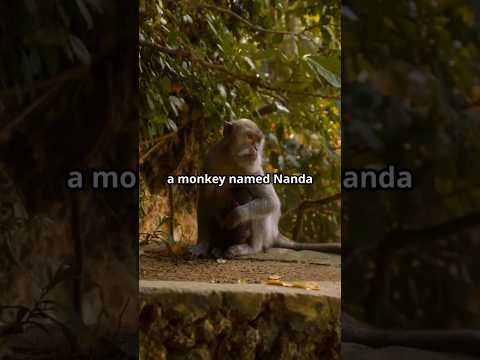
    Among the treasured tales of Buddhist literature, the Nanda Jataka carries a message that has echoed through centuries. It tells the story of a monkey named Nanda, whose cleverness was overshadowed by his greed. While the surface reads like a simple folktale, its deeper lesson addresses the human tendency to cling to desire and ignore compassion.

    The Story of Nanda

    In this tale, Nanda the monkey believes he can always outsmart others. He seizes more food, takes what does not belong to him, and acts with little concern for the surrounding community. For a time, his cunning appears successful. But soon his greed leads him into a trap of his making. Instead of gaining joy, he suffers loss.

    The Nanda Jataka shows the Buddha, in one of his past lives, teaching that selfishness brings suffering. By overreaching, Nanda proved that desire blinds judgment and weakens character. His story is a reminder that what seems clever in the moment can turn into a downfall when guided by greed.

    Lessons from the Tale

    This Jataka emphasizes that true happiness is not found in accumulation but in moderation and generosity.

    • Greed creates bondage. The more we grasp, the more we feel trapped.
    • Generosity creates freedom. Sharing with others brings trust and harmony.
    • Moderation sustains peace. When we balance our needs, we discover contentment.

    These lessons continue to guide modern readers, showing how ancient wisdom applies to daily struggles with desire and temptation.

    Modern Relevance

    Though written centuries ago, the message of the Nanda Jataka is especially relevant today. Modern culture often celebrates ambition, consumption, and competition. We are encouraged to acquire more, climb higher, and hold tighter. Yet these pursuits often leave us restless and unfulfilled.

    The monkey’s story mirrors our experiences when greed drives decisions. Whether in careers, relationships, or possessions, chasing more without compassion leads to emptiness. By contrast, choosing generosity, humility, and mindfulness opens the door to peace and satisfaction.

    The Jataka Tradition

    The Nanda Jataka belongs to the larger body of Jataka Tales, a collection of stories that depict the Buddha’s past lives. Each tale reveals how virtues such as patience, truth, compassion, and wisdom were practiced across many lifetimes. These stories are more than folklore—they are moral guides passed down to teach ordinary people in simple, memorable ways.

    In Nanda’s case, the Buddha highlights how even the most intelligent beings can fall when driven by greed. This lesson is not only for monks or scholars but for anyone seeking a meaningful life.

    Reflection for Today’s Reader

    The story of Nanda invites us to ask, where does greed appear in our lives? Do we cling to possessions, recognition, or control at the expense of kindness? Are we missing opportunities to practice generosity because we fear having less?

    By reflecting on these questions, readers can transform the moral of the tale into personal practice. Each act of generosity, no matter how small, becomes a step away from bondage and a step toward freedom.

    Conclusion

    The Nanda Jataka is more than the story of a monkey. It is a mirror reflecting our struggles with desire and a guide pointing toward a path of balance. Its lesson is timeless: greed leads to loss, but generosity leads to abundance.

    At YourWisdomVault, we share these Buddhist stories so that their wisdom continues to inspire. May the tale of Nanda encourage you to live with compassion, moderation, and a spirit of giving that enriches both yourself and those around you.

    Nanda Jataka: The Lesson of Greed in Buddhist Folktale.
    Nanda Jataka: The Lesson of Greed in Buddhist Folktale.

    P.S. If the Nanda Jataka inspired you, don’t miss more timeless Buddhist stories and wisdom—subscribe to YourWisdomVault on YouTube for weekly reflections. 🌿

    #NandaJataka #JatakaTales #BuddhistStories #YourWisdomVault #BuddhistWisdom #LifeLessons #SpiritualStories #AncientWisdom #Mindfulness #Buddhism

  • Baka Jataka: The Wise Crane’s Lesson in Buddhist Folktale.

    Baka Jataka: The Wise Crane’s Lesson in Buddhist Folktale | Timeless Story of Wisdom and Deception.
    Baka Jataka: The Wise Crane’s Lesson in Buddhist Folktale.

    Baka Jataka: The Wise Crane’s Lesson in Buddhist Folktale.

    Ancient stories hold a timeless charm. They are more than entertainment; they are pathways to understanding ourselves and the world around us. Among the Buddhist Jataka tales, the story of the crane known as Baka stands out for its powerful teaching about humility and compassion. In this post, we explore the meaning, lessons, and relevance of this story for modern life.

    The Origin of the Story

    The Jataka collection is a treasure of Buddhist literature. These tales recount the many past lives of the Buddha, where he took on various forms—human, animal, or divine—while demonstrating virtues like kindness, truthfulness, and generosity. The Baka Jataka appears as one of these stories, capturing the image of a crane who claimed wisdom but lacked the humility to embody it fully.

    The Tale of the Crane

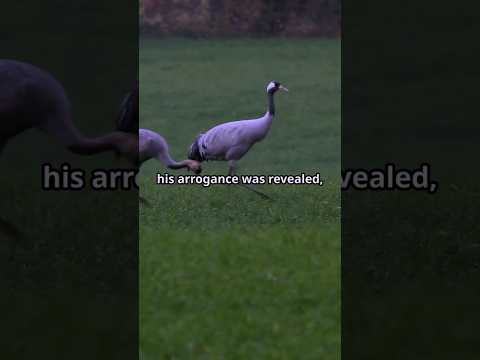
    In the story, Baka the crane lives by a forest pond, admired by other creatures. He presents himself as a guide who knows how to keep them safe from danger. His words are polished, and his confidence appears unshakable. Yet when circumstances test him, his arrogance becomes clear. The Buddha, in one of his past lives, reveals through this tale that pride without compassion leads only to downfall.

    Moral Lessons from the Story

    The Baka Jataka is not just a folktale; it is a mirror for self-reflection. At its core, it teaches that wisdom is more than knowledge. True wisdom is measured by humility, sincerity, and the ability to act with kindness.

    • The danger of arrogance: Boasting may win attention, but it weakens trust when tested.
    • The value of humility: A humble heart is more respected than a proud voice.
    • Compassion as true strength: Strength rooted in kindness has the power to uplift others.

    These lessons remain as relevant today as they were centuries ago.

    Relevance in Modern Life

    Although this story belongs to an ancient tradition, its message resonates in today’s fast-paced, competitive world. Many people seek recognition and status, but without humility, such pursuits often end in disappointment. The crane’s story encourages us to pause and ask: are our actions motivated by ego, or are they guided by compassion?

    The tale also connects beautifully with mindfulness practices. Just as meditation encourages awareness of thoughts and emotions, this story reminds us to stay grounded and free from pride. By practicing compassion and humility, we can build stronger relationships, navigate challenges wisely, and live with greater peace.

    Why Stories Like This Matter

    Folktales and parables have been humanity’s teachers long before books and classrooms. The Baka Jataka survives because it offers universal truths in a simple narrative. Children can understand its surface meaning, while adults can dive into deeper reflections on ego, wisdom, and spiritual growth.

    For followers of Buddhism, the story reinforces the teachings of the Buddha’s path. For others, it serves as an ethical guide that transcends religion. Either way, it reminds us that stories are not just entertainment—they are vessels of wisdom.

    Conclusion

    The Baka Jataka continues to inspire because it speaks to a struggle we all face: balancing confidence with humility. Its lesson is clear—wisdom is not about appearing strong, but about living with compassion and sincerity. When we set aside pride and practice kindness, we walk closer to the path of true understanding.

    If you enjoyed exploring this story, consider sharing it with friends and reflecting on how its lessons can shape your daily life. Ancient wisdom has a place in our modern journey, and stories like this remind us of the values that never fade.

    Baka Jataka: The Wise Crane’s Lesson in Buddhist Folktale.
    Baka Jataka: The Wise Crane’s Lesson in Buddhist Folktale.

    P.S. If this story inspired you, don’t miss out on more timeless Buddhist wisdom and folktales—subscribe to YourWisdomVault on YouTube for weekly insights that nurture mindfulness and compassion. 🌿

    #BakaJataka #JatakaTales #BuddhistStories #YourWisdomVault #AncientWisdom #BuddhistWisdom #Mindfulness #LifeLessons #SpiritualStories

  • Tittira Jataka: Buddhist Parable on Unity & Wisdom.

    Tittira Jataka: Buddhist Parable on Unity & Wisdom | Timeless Lesson on Friendship and Harmony.
    Tittira Jataka: Buddhist Parable on Unity & Wisdom.

    Tittira Jataka: Buddhist Parable on Unity & Wisdom.

    Buddhist teachings have been passed down for centuries not only through philosophy and meditation but also through memorable stories. These parables, known as Jataka tales, use simple characters to express profound truths. One such story is the Tittira Jataka, a timeless reminder that unity and respect are essential for peaceful living. Though the setting is a quiet forest, the lesson still echoes loudly in today’s complex world.

    The Story of the Animals

    In the Tittira Jataka, three animals—a partridge, a monkey, and an elephant—shared the same forest. Each believed they were the most senior and therefore entitled to the highest respect. A dispute arose, but instead of allowing conflict to grow, they decided to determine who truly came first.

    After reflecting on their experiences, it became clear that the partridge was the eldest. The monkey and elephant accepted this realization with humility. By recognizing the partridge’s seniority, they began to listen to its wisdom. From that moment forward, the three animals lived harmoniously, avoiding quarrels and protecting one another.

    Lessons in Respect and Cooperation

    The message of the Tittira Jataka is straightforward yet powerful: true peace arises when pride is set aside, and respect is given where it is due. The partridge did not seek power, but its experience made it a source of guidance. The others gained strength not by competing but by cooperating.

    In human life, this principle is equally important. Families thrive when younger generations honor the wisdom of their elders. Communities grow stronger when diverse voices are acknowledged and respected. Workplaces function more smoothly when colleagues value each other’s knowledge rather than competing for recognition.

    Modern Relevance of an Ancient Tale

    The relevance of this Buddhist parable is striking in our modern era. We live in a time of constant disagreement—political, cultural, and personal. The Tittira Jataka shows us another path. Instead of allowing differences to divide, we can embrace humility, listen more deeply, and find strength through unity.

    For those who practice mindfulness, the story reinforces the importance of awareness and patience. Conflict often arises from ego, while harmony grows from compassion. Just as the monkey and elephant recognized the partridge’s wisdom, we too can learn to appreciate the perspectives of others in our families, workplaces, and communities.

    Practical Applications in Daily Life

    Applying the parable to modern living can be simple yet transformative:

    • In relationships: Listen actively, respect differing opinions, and remember that love grows stronger through mutual understanding.
    • In communities: Value contributions from all members, regardless of age, background, or status.
    • In leadership: Lead with humility, recognizing that wisdom is not confined to a single person.
    • In personal growth: Release pride and remain open to learning from every situation, even from unexpected teachers.

    By following these practices, we not only reduce conflict but also cultivate deeper bonds of trust and cooperation.

    Why Jataka Tales Still Matter

    Jataka tales like the Tittira Jataka are more than ancient fables; they are practical guides for living. Their characters may be animals in distant forests, but the values they teach—respect, unity, and mindfulness—are universal. These stories endure because they touch the heart while sharpening the mind, reminding us that peace is always possible when we live with compassion and humility.

    Conclusion

    The Tittira Jataka continues to inspire because it reveals a simple but profound truth: unity is stronger than division, and respect is more powerful than pride. In a world often torn by conflict, this Buddhist parable encourages us to live with mindfulness, listen with openness, and act with compassion. When we honor the wisdom of others and work together, we build harmony not just in our personal lives, but in society as a whole.

    Tittira Jataka: Buddhist Parable on Unity & Wisdom.
    Tittira Jataka: Buddhist Parable on Unity & Wisdom.

    P.S. 🌟 If this story inspired you, don’t forget to subscribe to YourWisdomVault on YouTube for more timeless Buddhist tales, life lessons, and wisdom stories every week 🙏✨

    #TittiraJataka #Buddhism #JatakaTales #BuddhistStories #WisdomStories #Mindfulness #LifeLessons #UnityAndWisdom #YourWisdomVault