Category: Jataka

The Jataka Tales are ancient Buddhist stories recounting the previous lives of the Buddha, often told through animals, kings, and everyday characters. Each tale illustrates moral insight, compassion, wisdom, and the long cultivation of virtue across lifetimes. These posts explore the Jataka stories as living teachings—not merely folklore, but practical reflections on ethical conduct, intention, and the gradual unfolding of awakening.

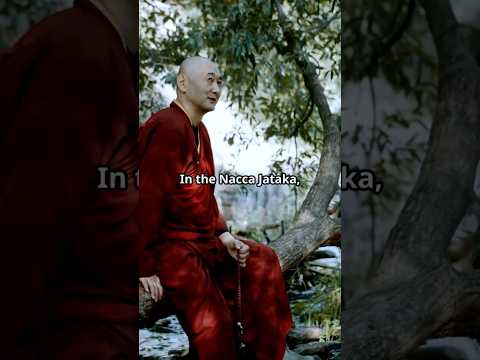
  • Nacca Jataka | Buddhist Moral Story & Timeless Wisdom.

    Nacca Jataka | Buddhist Moral Story & Timeless Wisdom | Inspiring Lesson on Mindfulness and Virtue.
    Nacca Jataka | Buddhist Moral Story & Timeless Wisdom.

    Nacca Jataka | Buddhist Moral Story & Timeless Wisdom.

    The Jataka tales are among the most beloved Buddhist stories, passed down through generations to teach moral lessons and inspire spiritual practice. Each tale represents one of the Buddha’s past lives, showing how virtues like wisdom, patience, and compassion were cultivated across countless existences. One such story is the Nacca Jataka, which offers a timeless teaching on the dangers of pride and the value of humility.

    The Story of the Nacca Jataka

    In the Nacca Jataka, the Bodhisatta is reborn as a calm and wise ascetic. He lives simply, devoting his life to inner peace and self-mastery. One day, a conceited dancer arrives in the same place. The dancer is known for his beauty, skill, and confidence, but also for his arrogance. Seeing the ascetic, the dancer mocks him, boasting loudly about his abilities and ridiculing the simplicity of the sage’s life.

    When the time comes to display his talent, the dancer fails miserably. His pride and lack of discipline cause him to stumble, and his performance collapses in embarrassment. In contrast, the ascetic’s quiet dignity and steady composure earn the respect of everyone present.

    This tale reveals a deep truth: outward talent and beauty may capture attention, but only humility and wisdom earn lasting honor.

    Lessons from the Tale

    The Nacca Jataka is more than an entertaining fable. It conveys powerful lessons that remain relevant for our daily lives:

    • Pride brings downfall: Arrogance blinds us to our weaknesses and often leads to failure.
    • Humility earns respect: People value integrity and sincerity more than empty boasts.
    • Inner character matters most: Outward appearances fade, but inner qualities endure.
    • Wisdom shines quietly: True greatness does not need to announce itself.

    These lessons remind us that our worth is measured not by how loudly we proclaim our gifts, but by how we live with compassion, patience, and humility.

    Relevance in Daily Life

    This Jataka tale offers guidance that is strikingly relevant to modern times. In a world where appearances, status, and performance are typically celebrated above character, the story challenges us to look deeper. Social media may reward self-promotion, but true respect still comes from sincerity and humility.

    At work, in relationships, and in spiritual practice, arrogance can close doors while humility opens them. By practicing modesty, we make space for growth, learning, and genuine connection with others.

    Buddhist Wisdom in the Jataka Tales

    Stories like the Nacca Jataka highlight the Buddha’s journey through countless lives as he developed the virtues needed for enlightenment. Each tale invites reflection: where do we see pride in our lives? How can we cultivate humility instead?

    These questions are not abstract. They are practical tools for daily mindfulness. Every time we resist the urge to boast, every time we choose humility over arrogance, we walk a little closer to wisdom.

    Conclusion

    The Nacca Jataka teaches that pride leads to downfall, while humility brings lasting respect. Through the image of a proud dancer and a humble ascetic, the story illustrates that outward beauty and skill are fleeting, but inner wisdom is timeless.

    By applying this lesson, we can approach life with patience, kindness, and humility. These qualities not only protect us from the pitfalls of arrogance but also draw others toward us with trust and respect.

    The Jataka tales continue to offer timeless guidance, and this story is a shining reminder that true greatness lies not in prideful display but in quiet dignity.

    Nacca Jataka | Buddhist Moral Story & Timeless Wisdom.
    Nacca Jataka | Buddhist Moral Story & Timeless Wisdom.

    PS: If this story from the Nacca Jataka inspired you, subscribe to YourWisdomVault on YouTube for more Buddhist wisdom, Jataka tales, and moral teachings. 🌿🙏

    #NaccaJataka #JatakaTales #Buddhism #BuddhistWisdom #YourWisdomVault
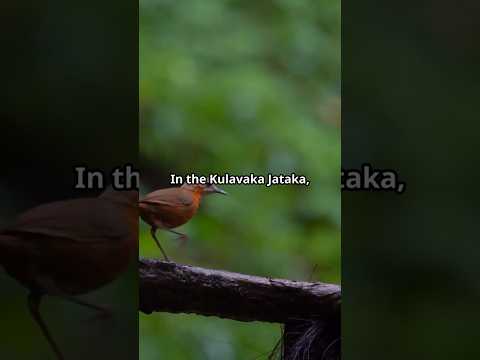
  • Kulavaka Jataka | Buddhist Wisdom & Moral Story Explained.

    Kulavaka Jataka | Buddhist Wisdom & Moral Story Explained | Timeless Lesson on Compassion.
    Kulavaka Jataka | Buddhist Wisdom & Moral Story Explained.

    Kulavaka Jataka | Buddhist Wisdom & Moral Story Explained.

    The Jataka tales are timeless Buddhist stories that preserve the compassion and wisdom of the Buddha across his many lifetimes. Each story conveys a moral lesson designed to guide us toward mindfulness, kindness, and spiritual growth. Among these narratives is the Kulavaka Jataka, a tale that demonstrates how even the smallest being can make a powerful difference through courage and determination.

    The Story of the Kulavaka Jataka

    In the Kulavaka Jataka, the Bodhisatta is reborn as a tiny bird living in a dense forest. One day, disaster strikes—a massive fire breaks out, spreading rapidly through the trees. The flames threaten to destroy the entire forest and all the creatures within it.

    The animals panic. Lions, elephants, and deer run desperately to save their lives, convinced that nothing can stop the destruction. They believe the fire is too powerful for anyone to challenge.

    But the little bird refuses to give up. With wings too small to carry much, it flies back and forth tirelessly, scooping up drops of water and releasing them over the flames. The effort seems hopeless, but the bird remains steadfast, driven by compassion for the forest and all its inhabitants.

    The gods observe this extraordinary determination. Moved by the bird’s selflessness and unshakable courage, they send down rain from the heavens. The storm extinguishes the fire, saving the forest and proving that even the smallest act of effort can spark miraculous change.

    Moral and Lessons

    The Kulavaka Jataka carries a message that remains just as relevant today as it was centuries ago. True greatness does not depend on size, wealth, or power. Instead, it emerges from effort, determination, and the desire to help others.

    This Jataka tale reminds us that:

    • Even small actions can create significant impact.
    • Courage is shown by persistence, not by physical strength.
    • Compassion has the power to inspire forces greater than ourselves.
    • Selfless intention can transform overwhelming challenges into hopeful victories.

    The Bodhisatta’s actions as a tiny bird teach us that every contribution matters, no matter how insignificant it may appear at first glance.

    Relevance in Daily Life

    The Kulavaka Jataka is more than an ancient fable; it is a guide for modern living. In our daily lives, we often face situations where our efforts feel too small to count. Whether it is contributing to environmental protection, helping a neighbor, or practicing kindness in small interactions, the story encourages us to act.

    When many small actions come together, they create large-scale transformation. Recycling one bottle may not stop pollution, but millions of people recycling can heal ecosystems. Offering one kind word may not change the world, but it can change someone’s day—and that ripple can extend farther than we imagine.

    Buddhist Wisdom in the Jataka Tales

    The Jataka tales, including the Kulavaka Jataka, illustrate the Buddha’s countless lifetimes of cultivating virtues such as patience, generosity, and wisdom. They show that enlightenment is not achieved in a single moment, but through consistent practice over many lives. Each story becomes both a reflection of the Bodhisatta’s journey and a mirror for our growth.

    These tales invite us to examine our lives. Are we acting with compassion? Are we persisting when challenges feel overwhelming? Are we contributing to the well-being of others, even in small ways? In this sense, the Jataka tales are not just ancient folklore but practical teachings for spiritual development.

    Conclusion

    The Kulavaka Jataka is far more than a story about a bird and a fire. It is a profound reminder that determination, courage, and compassion can overcome even the greatest challenges. The tiny bird did not measure success by the size of its wings but by the strength of its intention.

    By applying this wisdom in our daily lives, we can approach obstacles with resilience and believe in the impact of our actions. The Jataka tales, with their timeless insights, continue to light the way for those who seek mindfulness, kindness, and spiritual growth.

    Kulavaka Jataka | Buddhist Wisdom & Moral Story Explained.
    Kulavaka Jataka | Buddhist Wisdom & Moral Story Explained.

    PS: If you enjoyed this story and want to explore more timeless Buddhist wisdom, subscribe to YourWisdomVault on YouTube for weekly Jataka tales and moral stories. 🙏✨

    #KulavakaJataka #JatakaTales #BuddhistWisdom #MoralStories #YourWisdomVault

  • Munika Jataka: Buddhist Story of Greed and Consequences.

    Munika Jataka: Buddhist Story of Greed and Consequences.
    Munika Jataka: Buddhist Story of Greed and Consequences.

    Munika Jataka: Buddhist Story of Greed and Consequences.

    Among the Jataka tales preserved in Buddhist tradition, the Munika Jataka is one of the most memorable. These stories, spoken by the Buddha, were not just fables for entertainment. They were teaching tools that conveyed moral lessons about human behavior, karma, and the path toward wisdom.

    The Munika Jataka focuses on a pig named Munika, whose downfall came from unchecked craving. Though the tale is ancient, its meaning is timeless. It asks us to look at our own relationship with desire and reminds us that greed never leads to happiness.


    The Story of Munika

    Munika the pig lived a fortunate life. He had food, shelter, and comfort. But he was never satisfied. His hunger was not only physical—it was the endless hunger of desire.

    One day, he heard that a grand feast was being prepared nearby. Despite warnings of danger, Munika rushed ahead, thinking only of the delicious food that awaited him. His greed blinded him to the obvious risks.

    The feast, however, was a trap. In his desperate attempt to satisfy craving, Munika walked straight into the hands of those who sought to harm him. The Buddha told this story to demonstrate how greed clouds judgment and leads directly to suffering.


    Lessons from the Munika Jataka

    Greed as a Trap

    The first lesson is simple but profound: greed is never satisfied. The more we chase after cravings, the more we lose clarity. Munika’s downfall mirrors the countless times humans have ignored wisdom in pursuit of fleeting pleasures.

    Contentment as Strength

    The Munika Jataka also teaches that true happiness lies in contentment. Appreciating what we have brings peace of mind, while endlessly wanting more creates restlessness and suffering.

    Mindfulness as Protection

    Mindfulness is the safeguard against unwise choices. Had Munika paused to reflect, he might have seen the danger ahead. For us, mindfulness is the practice of slowing down, observing our impulses, and choosing wisely.


    Modern Relevance

    Although told centuries ago, the Munika Jataka is highly relevant today. Modern life constantly tempts us with more—more possessions, more wealth, more recognition. Advertising and social pressure often encourage endless wanting.

    Just like Munika, we may find ourselves pursuing short-term pleasure without considering long-term consequences. Whether it’s overspending, unhealthy habits, or chasing status, greed often leaves us trapped.

    This story calls us to reflect: are we living wisely, or are we being led by craving? By embracing mindfulness and gratitude, we can break free from the cycles of dissatisfaction.


    Why the Jataka Tales Endure

    Stories such as the Munika Jataka endure because they capture universal truths. Human desires have not changed across centuries. The same forces that trapped Munika still influence us today.

    The Jataka tales are not abstract philosophy; they are practical teachings. Each one highlights a moral principle we can apply daily. By listening, reflecting, and living by these lessons, we avoid suffering and cultivate peace.


    Conclusion

    The Munika Jataka reminds us that greed, when unchecked, destroys clarity and leads to pain. Munika’s tragic choice was not just the story of a pig—it is the story of humanity repeating itself whenever craving takes control.

    By practicing mindfulness, cultivating contentment, and appreciating what we already have, we step away from Munika’s fate. This ancient tale continues to guide seekers of wisdom, offering a reminder that happiness is not found in endless wanting, but in the freedom of being satisfied.

    Munika Jataka: Buddhist Story of Greed and Consequences.
    Munika Jataka: Buddhist Story of Greed and Consequences.

    P.S. If you enjoyed this story, don’t miss more timeless wisdom and mindful lessons. 👉 Subscribe to YourWisdomVault on YouTube for fresh inspiration every week.

    #BuddhistStories #JatakaTales #Mindfulness #WisdomStories #LifeLessons #BuddhistWisdom #YourWisdomVault

  • Kanha Jataka: Buddhist Story of Patience and Wisdom.

    Kanha Jataka: Buddhist Story of Patience and Wisdom | Timeless Lesson on Virtue and Compassion.
    Kanha Jataka: Buddhist Story of Patience and Wisdom.

    Kanha Jataka: Buddhist Story of Patience and Wisdom.

    The Kanha Jataka is one of the moral tales from the Jataka collection, a body of stories about the previous lives of the Buddha. Each Jataka carries a lesson in ethics and mindfulness. This particular tale focuses on patience, forgiveness, and wisdom when dealing with conflict. Even though the story is centuries old, its message is still practical for our daily lives.

    The Story of Kanha Jataka

    In this tale, the Bodhisatta was born as an ascetic named Kanha. He lived a simple life of meditation, self-discipline, and kindness. Despite his peaceful ways, a misunderstanding arose among the villagers. They began to blame him for difficulties that were not his fault. Their anger grew, and they accused him unfairly.

    Faced with hostility, Kanha chose silence and patience. Instead of responding with bitterness, he endured their harshness calmly. Time passed, and the truth eventually surfaced. The villagers realized they had judged him wrongly. Embarrassed by their mistake, they approached him with apologies. Kanha, rather than holding resentment, forgave them and responded with compassion.

    The Kanha Jataka illustrates the power of self-control. Kanha did not allow anger to dictate his actions. His patience protected his own peace of mind and transformed the attitudes of those who wronged him.

    Lessons from the Tale

    The first lesson is that patience is a form of strength. It takes far more courage to remain calm in the face of injustice than to react with anger. Kanha shows that patience is not passive—it is active wisdom.

    The second lesson is forgiveness. By letting go of resentment, he freed both himself and the villagers from the weight of conflict. The Kanha Jataka emphasizes that compassion heals where anger only causes more pain.

    A third lesson is humility. Kanha never demanded recognition or forced others to admit their fault. He allowed the truth to reveal itself naturally, showing that humility is often more powerful than pride.

    Relevance Today

    Though the story belongs to ancient Buddhist tradition, its message is timeless. In modern life, misunderstandings, accusations, and conflict are common—whether at work, in families, or online. The natural reaction is often defensiveness or anger. Yet, as the Kanha Jataka reminds us, responding with patience and forgiveness brings better results.

    For example, in the workplace, responding calmly to unfair criticism can prevent escalation and allow the truth to emerge. In relationships, patience can diffuse arguments and keep bonds strong. Online, where harsh words often fly quickly, choosing compassion over retaliation can change the tone of entire conversations.

    The story also teaches that patience is not weakness but strength. Remaining calm does not mean ignoring injustice but facing it with clarity and wisdom. By doing so, we avoid adding more suffering to an already difficult situation.

    Conclusion

    The Kanha Jataka is a powerful teaching about the strength of patience and the freedom of forgiveness. Kanha’s calm endurance turned anger into respect, and his compassion transformed hostility into reconciliation.

    For readers today, the lesson is clear: anger only multiplies problems, while patience and forgiveness create peace. Choosing calmness allows us to preserve our well-being and inspire others toward better actions.

    As with many Jataka tales, this story reminds us that true wisdom is not in clever arguments or harsh retaliation, but in the quiet strength of a peaceful heart.

    Kanha Jataka: Buddhist Story of Patience and Wisdom.
    Kanha Jataka: Buddhist Story of Patience and Wisdom.

    PS: If this wisdom inspired you, don’t forget to subscribe to YourWisdomVault on YouTube for more timeless Buddhist stories and life lessons every week.

    #KanhaJataka #BuddhistStories #JatakaTales #WisdomStories #Mindfulness #LifeLessons #SpiritualWisdom #Storytime #YourWisdomVault #BuddhistWisdom