Category: Buddhism

Buddhism is a contemplative tradition rooted in direct insight into suffering, impermanence, and the nature of mind. Rather than belief, it emphasises understanding through observation, ethical living, and inner cultivation. This collection draws from classical Buddhist sources and stories, including the Dhammapada and Jātaka tales, exploring wisdom, compassion, and liberation as lived experience rather than abstract doctrine.

  • Kurungamiga Jataka—A Buddhist Story of Compassion.

    Kurungamiga Jataka – A Buddhist Story of Compassion | Timeless Tale of Kindness and Virtue.
    Kurungamiga Jataka—A Buddhist Story of Compassion.

    Kurungamiga Jataka—A Buddhist Story of Compassion.

    Among the treasured Jataka tales, stories that describe the Buddha’s past lives, the Kurungamiga Jataka stands out as a powerful lesson in kindness and empathy. These timeless narratives are more than folklore; they are moral guides that continue to resonate across cultures and centuries. This particular story is a reminder that compassion is greater than power, and mercy can transform both the giver and the receiver.

    The Background of Jataka Tales

    Jataka tales are ancient Buddhist stories preserved in the Pali Canon. Each story highlights the virtues that lead toward enlightenment, such as generosity, honesty, patience, and compassion. Monks and teachers throughout history used these stories to guide communities and to show how the Buddha, across countless lifetimes, practiced virtues that shaped his path to awakening.

    The Kurungamiga Jataka belongs to this rich collection and emphasizes the value of compassion, especially in moments where cruelty might otherwise prevail. By studying such stories, followers of Buddhism—and anyone seeking wisdom—gain inspiration to live with mindfulness, empathy, and respect for all beings.

    The Story of the Deer and the Prince

    In the Kurungamiga Jataka, a deer lives peacefully in the forest until hunters place traps to capture it. The animal’s fate seems sealed, but a noble prince discovers the suffering creature. Rather than seeking glory through conquest, the prince chooses mercy. By freeing the deer, he demonstrates that true strength lies not in dominance but in compassion.

    The choice is significant. In many traditional societies, a ruler’s power was measured by conquest and control. Yet the prince reveals a higher form of leadership: the ability to protect rather than exploit. His act of kindness not only saves the deer but inspires his people, setting an example that resonates far beyond the forest.

    The Buddhist Lesson of Compassion

    The Kurungamiga Jataka conveys a clear Buddhist teaching: compassion is not weakness but power. In Buddhism, showing kindness to all beings is a path toward enlightenment. The prince’s decision to save the deer illustrates the importance of ahimsa—nonviolence—and the recognition that every life is valuable.

    This story teaches that even in moments of authority and strength, true greatness comes from restraint and empathy. The act of saving another being uplifts both the giver and the receiver, creating harmony where there could have been suffering.

    Modern Relevance of the Tale

    Why does the Kurungamiga Jataka still matter today? In a world often driven by competition, violence, and selfish gain, this story reminds us that compassion leads to true peace. Acts of mercy create harmony in communities, families, and even within ourselves. Just as the prince elevated his people through kindness, modern readers can apply this wisdom by choosing empathy over aggression in daily life.

    Compassion today might mean supporting someone in need, protecting the environment, or choosing understanding over conflict. These small but significant acts reflect the same principle at the heart of the story—that kindness is a form of strength available to everyone.

    Reflection and Practice

    Readers of the Kurungamiga Jataka are encouraged not only to admire the prince’s choice but also to embody it. In daily life, this could mean standing up for someone vulnerable, protecting nature and animals, or showing patience where anger might be easier. By practicing compassion, we honor the same moral values the story celebrates.

    Meditation practices in Buddhism often focus on cultivating loving-kindness, or metta. Reflecting on stories like this one can deepen that practice by providing vivid examples of compassion in action. Each time we choose empathy, we step closer to the wisdom that the Jataka tales are meant to awaken within us.

    Conclusion

    The Kurungamiga Jataka is more than an ancient Buddhist tale—it is a living lesson. The story of a compassionate prince and a vulnerable deer reminds us that kindness is the highest form of strength. As part of the greater body of Jataka tales, it continues to inspire readers to live with empathy, respect, and awareness of the value of all life. By remembering and practicing its wisdom, we carry forward teachings that are as relevant now as they were thousands of years ago.

    Kurungamiga Jataka—A Buddhist Story of Compassion.
    Kurungamiga Jataka—A Buddhist Story of Compassion.

    P.S. If you enjoyed this story and want more timeless Buddhist wisdom and Jataka tales, don’t forget to subscribe to YourWisdomVault on YouTube for weekly insights and inspiring short stories.

    #KurungamigaJataka #JatakaTales #BuddhistStories #Compassion #MoralStories #AncientWisdom #BuddhistTeachings #YourWisdomVault

  • Nalapana Jataka Story | Ancient Buddhist Wisdom Tale.

    Nalapana Jataka Story | Ancient Buddhist Wisdom Tale | Timeless Lesson on Mindfulness.
    Nalapana Jataka Story | Ancient Buddhist Wisdom Tale.

    Nalapana Jataka Story | Ancient Buddhist Wisdom Tale.

    The Nalapana Jataka is one of the classic Buddhist stories that blends myth, morality, and timeless wisdom. It comes from the Jataka collection, a vast treasury of narratives about the Buddha’s earlier lives. These stories, cherished across Asia, were told for centuries to inspire reflection and mindfulness. The Nalapana Jataka in particular has captivated audiences because of its vivid imagery, moral clarity, and the clever way in which wisdom triumphs over brute force.

    The Nature of Jataka Tales

    Jataka tales form a vital part of Buddhist literature. They describe the previous lives of the Bodhisattva, showing him as animals, rulers, sages, or even ordinary beings. Each story carries a teaching, reminding listeners of values like compassion, courage, mindfulness, and foresight. While rooted in Buddhist tradition, their lessons often apply universally, which is why they remain relevant today. Teachers, monks, and parents have used these tales to pass down moral instruction for generations.

    The Plot of Nalapana Jataka

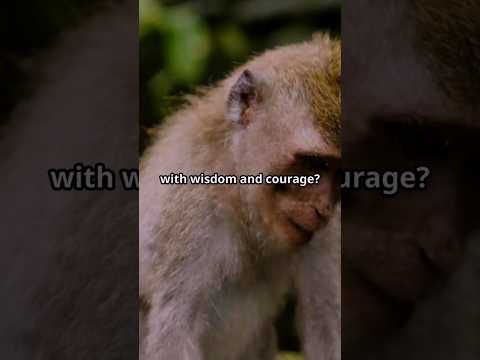
    At the heart of this tale is the Bodhisattva reborn as a monkey king. He commands a troop of monkeys traveling through the forest. When they come upon a large pond, the sight is inviting. But this pond hides a deadly secret: an ogre waits beneath the surface, ready to drag under anyone who drinks directly from the water. Many before had already perished at this dangerous spot.

    The monkey king, wise and perceptive, senses the hidden threat. Instead of letting his troop drink recklessly, he demonstrates a safer method. Using hollow reeds, he shows them how to sip water without touching the surface. The troop follows his instructions, quenches their thirst, and escapes unharmed. The ogre, thwarted and furious, cannot capture a single monkey. This scene highlights the central lesson of the story: foresight and intelligence can overcome even the most powerful dangers.

    Lessons from the Tale

    The Nalapana Jataka delivers several enduring lessons:

    • Wisdom protects the many: The monkey king’s foresight ensured survival, proving that one leader’s insight can safeguard a whole community.
    • Strength is not enough: Physical power cannot always overcome hidden dangers, but careful thought can.
    • Mindfulness matters: Recognizing risks before acting prevents disaster.
    • Leadership is responsibility: A true leader anticipates threats and guides others to safety, rather than seeking only personal survival.

    These teachings continue to resonate, not just in spiritual life but in everyday choices.

    Modern Relevance

    Although told centuries ago, the Nalapana Jataka remains deeply relevant. Today, we encounter “hidden ogres” in the form of misinformation, poor decisions, or harmful habits. Like the thirsty monkeys, we may be tempted by the quick path. Yet wisdom calls for pause, reflection, and cautious action.

    The story also speaks strongly to leadership. In families, workplaces, or communities, leaders are often faced with unseen challenges. By foreseeing risks and guiding others with care, they prevent harm and foster trust. The tale reminds us that leadership is not about dominance but about service, protection, and foresight.

    Cultural Impact

    Beyond its moral lesson, the Nalapana Jataka has shaped Buddhist culture. It has been told in monasteries, painted on temple walls, and repeated in countless variations. Storytellers used it to engage audiences with drama while quietly instilling ethical values. Such tales provided entertainment and education at the same time, ensuring their preservation over centuries.

    Even outside of Buddhist communities, readers can appreciate the parable. Its universal message—that wisdom and careful thought protect us from harm—transcends cultural and religious boundaries. That is why the story continues to be retold in books, videos, and classrooms around the world.

    Conclusion

    The Nalapana Jataka is a shining example of how ancient Buddhist tales carry timeless truths. By showing how the monkey king protected his troop from an unseen ogre, it reminds us that foresight, mindfulness, and compassion are stronger than reckless action or brute strength. Whether applied to leadership, personal choices, or daily mindfulness, the lesson endures: wisdom saves lives. This tale, like so many from the Jataka collection, proves that ancient stories still hold the power to guide us through modern challenges.

    Nalapana Jataka Story | Ancient Buddhist Wisdom Tale.
    Nalapana Jataka Story | Ancient Buddhist Wisdom Tale.

    P.S. If you found value in this timeless Buddhist wisdom, don’t forget to subscribe to YourWisdomVault on YouTube for more stories, life lessons, and spiritual insights shared in simple, engaging ways. 🌿✨

    #JatakaTales #BuddhistStories #AncientWisdom #LifeLessons #SpiritualWisdom

  • Ayacitabhatta Jataka | Buddhist Tale of Gratitude & Wisdom.

    Ayacitabhatta Jataka | Buddhist Tale of Gratitude & Wisdom | Timeless Lesson on Virtue.
    Ayacitabhatta Jataka | Buddhist Tale of Gratitude & Wisdom.

    Ayacitabhatta Jataka | Buddhist Tale of Gratitude & Wisdom.

    Stories are one of the oldest ways humanity has preserved and shared wisdom. Within Buddhism, the Jataka tales are timeless narratives that reveal the past lives of the Buddha, each carrying a lesson for spiritual seekers. Among these stories, the Ayacitabhatta Jataka stands out as a gentle yet powerful reminder of the transformative power of gratitude and wisdom.

    These tales were not just entertainment. They served as teaching tools for monks, lay practitioners, and communities, providing examples of moral conduct, compassion, and the values that lead to liberation.

    What Is the Ayacitabhatta Jataka?

    The Ayacitabhatta Jataka is a moral tale from the Buddhist canon. It describes one of the Buddha’s previous lives, in which he lived as a poor man who survived by asking for alms. Although his possessions were meager, his heart was rich with kindness. Whatever he received, he accepted with gratitude, and when possible, he shared with others.

    This simple act of thankfulness created ripples that touched the lives of many around him. The story highlights that gratitude is not bound by wealth or status, but by our inner attitude.

    Through this Jataka, we are shown that even the humblest life can become meaningful when lived with sincerity, generosity, and an open heart.

    The Lesson of Gratitude

    At the heart of the Ayacitabhatta Jataka lies the lesson that gratitude itself is a form of wisdom. When we learn to value what we have—no matter how little—we cultivate peace and contentment. Gratitude protects us from greed, envy, and dissatisfaction, opening the door to compassion and generosity.

    In the modern world, where comparison and desire often cloud our minds, this ancient Buddhist teaching feels more relevant than ever. Gratitude grounds us, reminding us to honor the small blessings of daily life.

    Modern psychology even supports this insight. Studies prove that gratitude practices improve mental well-being, increase happiness, and reduce stress. The Buddha’s teaching, delivered centuries ago through this tale, anticipated truths that science is only now confirming.

    Why Wisdom and Gratitude Are Linked

    Gratitude is more than an emotion; it is a perspective that shapes our decisions. The Ayacitabhatta Jataka shows that when gratitude guides our hearts, wisdom naturally follows. A grateful person sees clearly, respects others, and finds joy in giving.

    Wisdom, in turn, helps us understand the interconnection of all beings. By practicing gratitude, we align ourselves with this truth, creating harmony in our relationships and in our minds.

    When gratitude and wisdom work together, they form a foundation for mindfulness, compassion, and ethical living.

    Applying the Ayacitabhatta Jataka Today

    Though the story is centuries old, its message applies beautifully to modern life:

    • Mindful Living: Start and end the day by naming one thing you are grateful for.
    • Generosity in Small Ways: Even when you feel you have little, remember that kindness can be shared without cost.
    • Contentment Practice: Notice when comparison steals your joy, and gently return to gratitude for what you have.
    • Community Impact: Just as the poor man’s gratitude inspired others, your attitude can influence those around you.

    By applying the lessons of this Jataka, we learn that wisdom begins with simple acts. Gratitude changes how we experience the present moment and how others experience us.

    Conclusion

    The Jataka tales are treasures of spiritual insight, and the Ayacitabhatta Jataka is a shining example of how simple values like gratitude and wisdom can change everything. By reflecting on this story, we are reminded that true richness lies not in material wealth, but in the ability to appreciate, to share, and to live with a thankful heart.

    When gratitude becomes our way of life, wisdom is never far behind. The story continues to inspire seekers today, proving that ancient Buddhist wisdom is not locked in the past, but alive and relevant in the challenges we face daily.

    Ayacitabhatta Jataka | Buddhist Tale of Gratitude & Wisdom.
    Ayacitabhatta Jataka | Buddhist Tale of Gratitude & Wisdom.

    P.S. If you enjoyed this story and want more timeless Buddhist wisdom in easy-to-digest shorts, make sure to subscribe to Your Wisdom Vault on YouTube and join our journey of mindfulness and gratitude. 🌿🙏

    #AyacitabhattaJataka #JatakaTales #BuddhistStories #BuddhistWisdom #WisdomShorts #LifeLessons #Gratitude #Mindfulness #BuddhistTeachings #SpiritualGrowth

  • Matakabhatta Jataka: Buddhist Tale of Karma & Compassion.

    Matakabhatta Jataka: Buddhist Tale of Karma & Compassion | Timeless Lesson on Kindness.
    Matakabhatta Jataka: Buddhist Tale of Karma & Compassion.

    Matakabhatta Jataka: Buddhist Tale of Karma & Compassion.

    The Buddhist scriptures contain countless stories known as Jataka tales—timeless narratives that reveal moral lessons, spiritual truths, and the profound teachings of the Buddha. Among them, the Matakabhatta Jataka stands out as a moving story about karma, compassion, and gratitude. Passed down for centuries, this parable continues to inspire spiritual seekers and those looking for guidance in everyday life.

    In this post, we’ll explore the background of this story, uncover its moral meaning, and reflect on how its wisdom can be applied in the modern world.

    What Are Jataka Tales?

    Jataka tales are a collection of stories that illustrate the previous lives of the Buddha before he attained enlightenment. Each tale presents a lesson about virtue, morality, or spiritual practice, helping readers and listeners understand the practical application of Buddhist teachings.

    These stories were originally shared as oral traditions before being written down in the Pali Canon. They remain an essential part of Buddhist culture, teaching values such as kindness, mindfulness, and respect for others.

    The Story of Matakabhatta Jataka

    The Matakabhatta Jataka tells of a devoted son who dedicated his life to caring for his elderly parents. While others in his community mocked him for sacrificing personal pleasure, he remained committed to his duty of love and service. One day, he offered a simple meal with genuine devotion. This act, born out of pure intention, attracted divine blessings.

    By contrast, the villagers who ridiculed him soon faced the consequences of their arrogance and lack of compassion. Through this striking contrast, the tale highlights how sincere kindness and respect generate merit, while pride and selfishness lead to suffering.

    The Moral Lessons of the Story

    The Matakabhatta Jataka conveys several important lessons:

    • Gratitude toward parents: Honoring and caring for parents is viewed as one of the highest virtues in Buddhist teachings.
    • The law of karma: Every action has consequences. Good deeds bring blessings, while unwholesome actions create hardship.
    • True wealth: Real richness does not come from material possessions but from compassion, humility, and love.
    • Resilience in the face of criticism: Staying true to one’s values, even when mocked, leads to long-lasting inner peace.

    These lessons remain just as relevant today as they were centuries ago.

    Applying the Teachings in Daily Life

    In modern times, the Matakabhatta Jataka reminds us to slow down and appreciate the people who nurtured and guided us. Caring for parents or loved ones may not always be easy, but it brings immeasurable spiritual benefit.

    We can also apply this teaching in broader ways—showing compassion to strangers, practicing gratitude, and recognizing that even small, humble actions matter when performed with sincerity. Whether it’s offering a smile, a kind word, or helping someone in need, these gestures build a life rooted in mindfulness and compassion.

    Why This Jataka Tale Still Matters

    Stories like the Matakabhatta Jataka remain powerful because they cut across cultural and historical boundaries. At their heart, they speak to universal truths: love, respect, and the enduring value of selfless action. In a world often focused on competition and personal gain, this story calls us back to what truly matters—kindness and gratitude.

    Conclusion

    The Matakabhatta Jataka is more than just a story from Buddhist tradition; it is a timeless reminder that compassion creates blessings, gratitude deepens our humanity, and selfless love is the greatest offering of all. By reflecting on this tale and applying its lessons in our daily lives, we honor the wisdom of the past and create a kinder, more mindful future.

    Matakabhatta Jataka: Buddhist Tale of Karma & Compassion.
    Matakabhatta Jataka: Buddhist Tale of Karma & Compassion.

    P.S. If you enjoyed this story and want more timeless Buddhist wisdom, don’t forget to subscribe to YourWisdomVault on YouTube for weekly insights and inspiring Jataka tales. 🌿

    #MatakabhattaJataka #BuddhistStories #Karma #Compassion #Mindfulness #YourWisdomVault