Category: Buddhism

Buddhism is a contemplative tradition rooted in direct insight into suffering, impermanence, and the nature of mind. Rather than belief, it emphasises understanding through observation, ethical living, and inner cultivation. This collection draws from classical Buddhist sources and stories, including the Dhammapada and Jātaka tales, exploring wisdom, compassion, and liberation as lived experience rather than abstract doctrine.

  • Vattaka Jataka: A Buddhist Tale of Wisdom and Freedom.

    Vattaka Jataka: A Buddhist Tale of Wisdom and Freedom | Timeless Lesson on Courage and Mindfulness.
    Vattaka Jataka: A Buddhist Tale of Wisdom and Freedom.

    Vattaka Jataka: A Buddhist Tale of Wisdom and Freedom.

    Buddhist literature is filled with timeless stories that offer moral guidance and practical wisdom for daily life. Among them, the Vattaka Jataka is a beautiful parable that continues to inspire readers and practitioners today. This ancient tale illustrates how mindfulness and patience can lead to true freedom, even when circumstances appear impossible. Through the simple image of a small bird, the story conveys a universal truth about human challenges and the path to liberation.

    The Story of the Vattaka Jataka

    The Vattaka Jataka tells the story of a quail caught in the net of a hunter. At first glance, the bird’s situation appears hopeless. Trapped and vulnerable, many creatures would react with panic and fear. Yet this quail does something extraordinary. Instead of flailing in desperation, it remembers the practice of mindfulness and turns inward. By calming its thoughts and focusing its awareness, the quail finds a way to slip free from the net and escape to safety.

    This is more than just a clever trick. The quail’s mindful response reflects a deeper truth: freedom is achieved not through chaos and struggle but through clarity, patience, and wisdom.

    Lessons We Can Learn

    The story provides a rich source of teachings that remain as relevant today as they were centuries ago. Three key lessons stand out:

    • Mindfulness in difficulty – When we face life’s traps, a calm mind prevents us from being consumed by fear.
    • Clarity through patience – Rash decisions often worsen problems, but patience opens space for insight.
    • True freedom is inner – The quail demonstrates that liberation begins in the mind before it appears in external circumstances.

    These lessons invite us to respond to difficulties with reflection instead of reaction, finding freedom in the present moment.

    Modern Relevance

    Even though the Vattaka Jataka is an ancient story, it feels strikingly modern. Today, many people feel trapped in “nets” of stress, financial strain, unhealthy habits, or emotional pain. The message of this Jataka tale is that liberation does not come from frantic escape attempts but from cultivating awareness.

    Mindfulness practices such as meditation, deep breathing, or simply pausing before reacting mirror the quail’s response. By calming the mind, we often discover creative solutions to problems that once seemed impossible.

    The Value of Jataka Tales

    Stories like the Vattaka Jataka belong to a vast collection of Jataka tales that illustrate Buddhist virtues through parables and fables. These narratives may appear simple, but they are profound guides for living with wisdom and compassion. For children, they are memorable stories with moral lessons. For adults, they provide a spiritual compass that points toward patience, mindfulness, and ethical living.

    Their timeless appeal lies in their accessibility. Anyone can hear the tale of the quail and immediately understand its message: peace of mind leads to freedom.

    Conclusion

    The Vattaka Jataka offers a powerful reminder that no matter how trapped we may feel, freedom is always within reach when we rely on mindfulness and patience. By refusing to panic, the quail transformed a hopeless situation into liberation.

    This Buddhist story encourages us to do the same in our lives. Whether facing personal struggles, professional stress, or emotional hardship, the key is to pause, breathe, and trust that wisdom will guide us through. Like the quail, we can all discover that true freedom comes not from struggle but from clarity of mind.

    Vattaka Jataka: A Buddhist Tale of Wisdom and Freedom.
    Vattaka Jataka: A Buddhist Tale of Wisdom and Freedom.

    P.S. If this story inspired you, don’t forget to subscribe to YourWisdomVault on YouTube for more timeless Buddhist tales, wisdom stories, and mindful teachings delivered straight to you.

    #VattakaJataka #JatakaTales #BuddhistStories #Mindfulness #Wisdom #Freedom #YourWisdomVault #SpiritualStories #AncientWisdom

  • Maccha Jataka: Buddhist Tale of Compassion & Wisdom.

    Maccha Jataka: Buddhist Tale of Compassion & Wisdom | Timeless Lesson on Kindness and Virtue.
    Maccha Jataka: Buddhist Tale of Compassion & Wisdom.

    Maccha Jataka: Buddhist Tale of Compassion & Wisdom.

    The Maccha Jataka is one of the many stories from the Jataka collection that illustrate the teachings of the Buddha through vivid examples and moral lessons. In this tale, compassion and wisdom are highlighted as the true measures of strength, rather than physical power or personal gain. The story centers on a great fish who chooses to care for others in the face of hardship, offering a timeless reminder of the power of kindness.

    The Story of the Great Fish

    The Maccha Jataka tells of a mighty fish who lived in a great river. For many years the river provided life for countless creatures, but one season the sun scorched the land, and the waters began to shrink. Smaller fish struggled in the shallow pools, gasping for life. Many feared death and gave in to despair.

    Instead of abandoning them, the great fish stayed among them. He spoke words of comfort, encouraging the smaller fish not to lose hope. With deep compassion, he prayed for rain, not only for himself but for the survival of all who shared the river. His example showed that leadership is not about dominance but about serving others in their time of need.

    The Moral of the Story

    At its heart, the Maccha Jataka teaches two powerful lessons: compassion and wisdom. Compassion inspires us to act for the well-being of others, while wisdom helps us understand the right way to act. Together, they create harmony and resilience even in difficult circumstances.

    The story also shows that selflessness can bring about real change. By thinking beyond himself, the great fish transformed despair into hope. His prayer and leadership brought rain, restoring the river and saving countless lives.

    Modern Relevance of the Maccha Jataka

    Though set in an ancient world, the Maccha Jataka speaks clearly to our modern lives. Today, many people face challenges such as stress, uncertainty, or even global crises. Like the small fish in the drying river, it is easy to feel overwhelmed. This story reminds us that compassion can create ripples of hope, and wisdom can guide us to solutions that benefit not only ourselves but also our communities.

    In families, workplaces, or friendships, we all face moments when others look to us for support. Choosing compassion over indifference and wisdom over rashness can turn struggles into opportunities for growth and unity.

    Buddhist Values in Everyday Life

    The Maccha Jataka also reflects central Buddhist teachings. The Buddha often emphasized that true strength lies in the ability to overcome selfishness and cultivate kindness. By following the example of the great fish, we learn to live mindfully, to care for others, and to seek solutions that bring harmony rather than division.

    Practicing compassion does not always require grand gestures. Simple acts—listening with patience, offering help, or sharing encouragement—carry great power. Guided by wisdom, these acts of compassion can change lives, just as the great fish changed the fate of the smaller ones in the river.

    Conclusion

    The Maccha Jataka is more than a tale about a fish; it is a reflection of how compassion and wisdom can sustain life, restore hope, and build harmony. Its lessons are universal, timeless, and deeply practical for anyone seeking to live a meaningful life.

    By remembering the example of the great fish, we are reminded that every act of kindness counts, and every wise choice matters. True greatness lies not in dominance but in service, and real power is found in compassion.

    Maccha Jataka: Buddhist Tale of Compassion & Wisdom.
    Maccha Jataka: Buddhist Tale of Compassion & Wisdom.

    P.S. If this story inspired you, don’t forget to subscribe to Your Wisdom Vault on YouTube for more Buddhist shorts and timeless Jataka tales. 🌿✨

    #MacchaJataka #JatakaTales #BuddhistStories #Compassion #Wisdom #AncientWisdom #Mindfulness #LifeLessons #YourWisdomVault

  • Sammodamana Jataka: Buddhist Tale of Unity & Harmony.

    Sammodamana Jataka: Buddhist Tale of Unity & Harmony | Timeless Lesson on Peace and Compassion.
    Sammodamana Jataka: Buddhist Tale of Unity & Harmony.

    Sammodamana Jataka: Buddhist Tale of Unity & Harmony.

    The Sammodamana Jataka is a beautiful and instructive tale from the treasury of Buddhist stories. Like all Jatakas, it carries a moral lesson that continues to inspire across generations. This story highlights how division weakens us while unity creates lasting strength. Through a simple parable of birds in the forest, it captures the essence of cooperation, compassion, and harmony—virtues that remain just as vital today as they were in the Buddha’s time.

    The Story of the Birds

    In the story, a flock of birds lived deep in the forest. They had everything they needed—food, shelter, and freedom. Yet, instead of living peacefully, they constantly quarreled. Small disagreements grew into arguments, and arguments grew into bitter fights. The flock wasted energy on conflict, forgetting that their strength depended on staying together.

    Hunters who roamed the forest noticed this disharmony. They saw an opportunity. When the birds were divided, it was easy to trap them. Nets were spread, and many birds fell victim because they could not agree on how to escape. Their fighting had left them powerless.

    But one day, the flock realized the cost of their disunity. A wise bird suggested they cooperate. The next time hunters spread their net, the flock rose together, beating their wings in harmony. To the hunters’ surprise, the birds lifted the net into the sky and carried it far away. By working as one, they found freedom. From then on, they valued unity above quarrels.

    The Lesson of Harmony

    The Sammodamana Jataka shows us that harmony is not simply the absence of fighting—it is the positive act of standing together. Division leads to weakness, while cooperation creates resilience. The birds discovered that unity made them stronger than any trap.

    This lesson applies to every part of human life. Families fall apart when arguments dominate. Communities grow weak when people focus only on differences. But when individuals work together with patience and understanding, problems that once seemed overwhelming become manageable.

    Modern Relevance of the Tale

    Although the Sammodamana Jataka is an ancient tale, its wisdom is deeply relevant to our world today. In modern society, we see division in workplaces, homes, and even online communities. People often argue over small issues while forgetting their shared goals.

    This story reminds us to ask: are we wasting energy on conflict? Or are we finding strength through unity? Whether in a family resolving disagreements, colleagues cooperating on a project, or societies striving for peace, the lesson is the same—true power lies in harmony.

    Buddhist Values in Everyday Life

    The Sammodamana Jataka also reflects the timeless values taught by the Buddha—compassion, mindfulness, and cooperation. These principles are not abstract ideals reserved for spiritual practice; they are practical tools for daily living.

    By practicing compassion, we soften conflict. By using mindfulness, we notice when anger begins to grow and choose a calmer path. By seeking harmony, we create relationships built on trust rather than division. Small acts of cooperation ripple outward, strengthening families, friendships, and communities.

    When applied consistently, these values transform ordinary interactions into opportunities for peace. In this way, the wisdom of the Jataka tales becomes more than a story—it becomes a living guide.

    Conclusion

    The Sammodamana Jataka is more than a parable about birds in the forest. It is a reminder that unity is strength, and harmony is a path to resilience. By working together, even the smallest group can overcome great challenges. By living with cooperation and compassion, we enrich not only our lives but also the lives of those around us.

    As you reflect on this timeless Buddhist tale, consider how you can bring more unity into your relationships and communities. And if you would like to explore more wisdom like this, be sure to watch the video adaptation on our channel. The Jataka stories are treasures of insight, and through them, the Buddha’s teachings continue to guide us toward peace and harmony.

    Sammodamana Jataka: Buddhist Tale of Unity & Harmony.
    Sammodamana Jataka: Buddhist Tale of Unity & Harmony.

    P.S. If you enjoyed this timeless wisdom from the Sammodamana Jataka, don’t forget to subscribe to YourWisdom Vault on YouTube for more inspiring Buddhist stories and Jataka tales each week. 🙏✨

    #SammodamanaJataka #JatakaTales #BuddhistStories #Unity #Harmony #AncientWisdom #Mindfulness #LifeLessons #YourWisdomVault

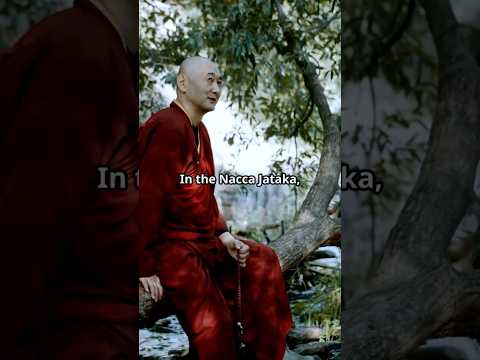
  • Nacca Jataka | Buddhist Moral Story & Timeless Wisdom.

    Nacca Jataka | Buddhist Moral Story & Timeless Wisdom | Inspiring Lesson on Mindfulness and Virtue.
    Nacca Jataka | Buddhist Moral Story & Timeless Wisdom.

    Nacca Jataka | Buddhist Moral Story & Timeless Wisdom.

    The Jataka tales are among the most beloved Buddhist stories, passed down through generations to teach moral lessons and inspire spiritual practice. Each tale represents one of the Buddha’s past lives, showing how virtues like wisdom, patience, and compassion were cultivated across countless existences. One such story is the Nacca Jataka, which offers a timeless teaching on the dangers of pride and the value of humility.

    The Story of the Nacca Jataka

    In the Nacca Jataka, the Bodhisatta is reborn as a calm and wise ascetic. He lives simply, devoting his life to inner peace and self-mastery. One day, a conceited dancer arrives in the same place. The dancer is known for his beauty, skill, and confidence, but also for his arrogance. Seeing the ascetic, the dancer mocks him, boasting loudly about his abilities and ridiculing the simplicity of the sage’s life.

    When the time comes to display his talent, the dancer fails miserably. His pride and lack of discipline cause him to stumble, and his performance collapses in embarrassment. In contrast, the ascetic’s quiet dignity and steady composure earn the respect of everyone present.

    This tale reveals a deep truth: outward talent and beauty may capture attention, but only humility and wisdom earn lasting honor.

    Lessons from the Tale

    The Nacca Jataka is more than an entertaining fable. It conveys powerful lessons that remain relevant for our daily lives:

    • Pride brings downfall: Arrogance blinds us to our weaknesses and often leads to failure.
    • Humility earns respect: People value integrity and sincerity more than empty boasts.
    • Inner character matters most: Outward appearances fade, but inner qualities endure.
    • Wisdom shines quietly: True greatness does not need to announce itself.

    These lessons remind us that our worth is measured not by how loudly we proclaim our gifts, but by how we live with compassion, patience, and humility.

    Relevance in Daily Life

    This Jataka tale offers guidance that is strikingly relevant to modern times. In a world where appearances, status, and performance are typically celebrated above character, the story challenges us to look deeper. Social media may reward self-promotion, but true respect still comes from sincerity and humility.

    At work, in relationships, and in spiritual practice, arrogance can close doors while humility opens them. By practicing modesty, we make space for growth, learning, and genuine connection with others.

    Buddhist Wisdom in the Jataka Tales

    Stories like the Nacca Jataka highlight the Buddha’s journey through countless lives as he developed the virtues needed for enlightenment. Each tale invites reflection: where do we see pride in our lives? How can we cultivate humility instead?

    These questions are not abstract. They are practical tools for daily mindfulness. Every time we resist the urge to boast, every time we choose humility over arrogance, we walk a little closer to wisdom.

    Conclusion

    The Nacca Jataka teaches that pride leads to downfall, while humility brings lasting respect. Through the image of a proud dancer and a humble ascetic, the story illustrates that outward beauty and skill are fleeting, but inner wisdom is timeless.

    By applying this lesson, we can approach life with patience, kindness, and humility. These qualities not only protect us from the pitfalls of arrogance but also draw others toward us with trust and respect.

    The Jataka tales continue to offer timeless guidance, and this story is a shining reminder that true greatness lies not in prideful display but in quiet dignity.

    Nacca Jataka | Buddhist Moral Story & Timeless Wisdom.
    Nacca Jataka | Buddhist Moral Story & Timeless Wisdom.

    PS: If this story from the Nacca Jataka inspired you, subscribe to YourWisdomVault on YouTube for more Buddhist wisdom, Jataka tales, and moral teachings. 🌿🙏

    #NaccaJataka #JatakaTales #Buddhism #BuddhistWisdom #YourWisdomVault