Category: Buddhism

Buddhism is a contemplative tradition rooted in direct insight into suffering, impermanence, and the nature of mind. Rather than belief, it emphasises understanding through observation, ethical living, and inner cultivation. This collection draws from classical Buddhist sources and stories, including the Dhammapada and Jātaka tales, exploring wisdom, compassion, and liberation as lived experience rather than abstract doctrine.

  • Patience and Liberation: Buddhist Keys to Lasting Clarity.

    Patience and Liberation: Buddhist Keys to Lasting Clarity, Peace, and Freedom from Suffering.
    Patience and Liberation: Buddhist Keys to Lasting Clarity.

    Patience and Liberation: Buddhist Keys to Lasting Clarity.

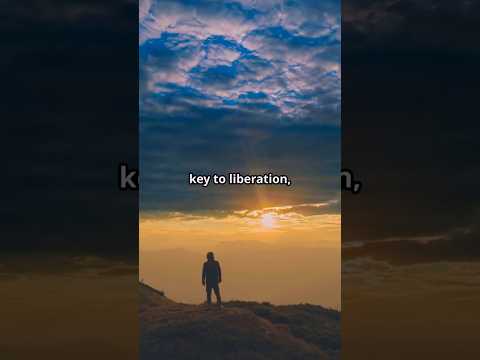
    In Buddhist practice, patience is more than the ability to wait—it is an active quality that shapes how we engage with life. True patience is not resignation but the choice to meet each moment with calm awareness instead of resistance. This ability opens the door to clarity, helping us see without the haze of anger or frustration. Over time, it becomes a stepping stone toward liberation—freeing the mind from reactivity and allowing wisdom to guide our actions.

    Understanding Patience in Buddhism

    In Buddhism, patience is called kṣānti, one of the six pāramitās, or perfections, that lead toward enlightenment. It is not simply enduring hardship, but transforming how we relate to it. Through calm endurance, we learn to see difficulties as opportunities to deepen understanding. External events are not the true cause of our distress—it is our mental response that determines whether we feel peace or turmoil.

    Liberation in Buddhism refers to freedom from suffering and the patterns that bind us to it. Impatience fuels attachment, aversion, and ignorance—the three poisons. By cultivating forbearance, we interrupt these destructive cycles. Instead of being swept away by frustration or anxiety, we remain steady. This steadiness makes space for insight, compassion, and clear perception. When we act from this place, we are moving closer to liberation.

    How Steadiness Brings Lasting Clarity

    Lasting clarity comes from a mind that is unshaken by temporary challenges. Developing inner composure allows us to pause before reacting, to watch emotions arise and pass without letting them dictate our choices. Whether dealing with delays, loss, or difficult relationships, we can respond with thoughtfulness instead of impulse. In Buddhism, this is not avoidance but skillful action—acting at the right time, in the right way, with the right intention.

    Practical Ways to Develop Perseverance

    Like any skill, patience grows with consistent practice. Some effective approaches include:

    • Mindful Breathing: Before reacting, take a few slow breaths to steady the mind.
    • Reframing Challenges: View obstacles as opportunities to cultivate resilience.
    • Deep Listening: Give your full attention when others speak without planning your reply.
    • Remembering Impermanence: All situations, pleasant or difficult, are temporary.

    By making these practices part of daily life, calm endurance becomes second nature.

    The Transformative Power of Forbearance

    When tolerance becomes a habit, transformation follows. Difficult people become unexpected teachers. Setbacks begin to feel like part of the journey rather than roadblocks. In Buddhism, this shift is central—turning sources of irritation into opportunities for growth. Inner steadiness is not a withdrawal from life but a steady presence that supports wisdom and compassion.

    Conclusion

    Perseverance is both a discipline and a gift. In Buddhist thought, it is a key to liberation, offering a clear mind and an open heart in the face of life’s challenges. By practicing patience in our thoughts, speech, and actions, we reduce unnecessary suffering and create the conditions for lasting clarity. Each moment we choose calm awareness over reactivity, we move closer to a liberated mind—one that travels through the world with understanding, compassion, and peace.

    Patience and Liberation: Buddhist Keys to Lasting Clarity.
    Patience and Liberation: Buddhist Keys to Lasting Clarity.

    P.S. If you found these reflections valuable, subscribe to YourWisdomVault on YouTube and keep exploring Buddhist insights that bring clarity, balance, and understanding into your daily life.

    #Buddhism #Wisdom #Mindfulness #BuddhistWisdom #LifeLessons #MindfulLiving #SpiritualGrowth #SelfAwareness #InnerCalm #MeditationPractice #Compassion #PersonalGrowth

    Remember: every moment is a chance to pause, see clearly, and decide the path that brings understanding and peace.

  • How Wisdom Shapes Us: Buddhist Insights for Daily Life.

    How Wisdom Shapes Us: Buddhist Insights for Daily Life, Mindful Growth, and Inner Peace.
    How Wisdom Shapes Us: Buddhist Insights for Daily Life.

    How Wisdom Shapes Us: Buddhist Insights for Daily Life.

    Modern life moves quickly, and our attention is pulled in a dozen directions at once. We react, we judge, and we chase the next task without pausing to notice what truly matters. The practice of wisdom offers another way: a steady, compassionate way of seeing that illuminates what is wholesome and what leads to suffering. Through this clearer lens, we make choices that reduce harm and increase peace. Instead of forcing life to match our expectations, we learn to meet each moment honestly—turning everyday experiences into opportunities for clarity, patience, and kindness.

    Understanding Insight in Buddhism

    Buddhist teachings emphasize direct understanding—seeing things as they are rather than as we wish them to be. In Pali, paññā is often translated as wisdom, the insight that penetrates illusion. It reveals impermanence, interdependence, and the causes of suffering (dukkha). Relative wisdom recognizes skillful means—how to respond helpfully in specific situations. Ultimate insight points to the empty, conditioned nature of all phenomena. Together, they reshape perception from the inside out. This isn’t abstract philosophy; it’s applied seeing. When we understand how craving, aversion, and confusion distort our view, we naturally lean toward compassion, balance, and ethical conduct.

    How Seeing Clearly Shapes Thoughts and Actions

    Our minds create stories at lightning speed. When those stories go unexamined, they harden into habits. With wisdom as a quiet compass, we slow down enough to notice the moment before we speak, the impulse before we act, the belief before we defend it. Right View and Right Intention from the Noble Eightfold Path become practical: we choose words that heal rather than harm, set intentions aligned with kindness, and act with integrity. Over time, this alignment reduces friction in relationships, steadies our mood, and frees energy for what truly matters.

    The Role of Mindfulness in Cultivating Clarity

    Mindfulness is the training ground where attention learns to rest—on the breath, the body, and the flow of experience. By staying close to sensations, feelings, and thoughts as they arise and pass, we see their transient nature. Mindfulness trains attention so wisdom can surface, because the mind is less crowded by reactivity. When anger appears, we feel it as heat and pressure instead of a personal identity. When anxiety swells, we notice its waves without letting them steer the ship. This clear noticing restores choice, and with choice comes freedom.

    Applying Insight in Daily Life

    Practice thrives in ordinary moments. Carry wisdom into the mundane: pause before replying to a tense message; take three breaths before a meeting; listen to loved ones without rehearsing your response. Try a “micro-ritual” of awareness while walking, washing dishes, or sipping tea. Name what you feel—tightness, impatience, relief—then let it move through. Use compassionate speech, generous assumptions, and simple boundaries. When you fall short, acknowledge it kindly and begin again. These small pivots compound into character. Like water shaping rock, steady attention and kind intention carve a more spacious way of being.

    Common Obstacles and How to Work with Them

    Everyone meets resistance: restlessness, doubt, fatigue, and the old pull of certainty. Start by normalizing them—nothing is wrong with you when they arise. Create supportive conditions: a regular practice window, a quiet space, and a simple ritual to begin. When distraction wins, smile, note it, and return. When judgment spikes, place a hand on your heart and soften the breath. If emotions feel overwhelming, ground in the body—feet on the floor, seat on the chair, jaw unclenched. Return to wisdom as an anchor: ask, “What reduces harm here? What nurtures clarity and care?”

    Conclusion

    Clarity is not a finish line; it’s a way of traveling. Each mindful pause, honest reflection, and compassionate choice builds a life that feels lighter and more aligned. You don’t need perfect conditions or heroic effort—just sincere attention, repeated gently. Over weeks and months, the mind learns to settle, the heart learns to open, and your actions begin to naturally express what you value most. Keep the path simple, keep it kind, and let understanding unfold one grounded breath at a time.

    How Wisdom Shapes Us: Buddhist Insights for Daily Life.
    How Wisdom Shapes Us: Buddhist Insights for Daily Life.

    P.S. If you enjoyed these reflections, join the YourWisdomVault community on YouTube by subscribing—so you never miss a fresh insight on Buddhist wisdom, mindfulness, and living with clarity.

    #Buddhism #Wisdom #Mindfulness #BuddhistWisdom #MindfulLiving #LifeLessons #SpiritualGrowth #SelfAwareness #InnerPeace #LifeWisdom #MeditationPractice #Compassion #PersonalGrowth

  • The Trap of Virtue: How Goodness Can Become Your Prison.

    The Trap of Virtue: How Goodness Can Become Your Prison—A Subtle Lesson in True Freedom.
    The Trap of Virtue: How Goodness Can Become Your Prison.

    The Trap of Virtue: How Goodness Can Become Your Prison.

    In Buddhism, the path toward goodness is essential—but it’s not the final destination. The trap of virtue occurs when our attachment to being “good” becomes another form of bondage. We may think we are free because we act kindly, speak gently, and follow moral guidelines. Yet, when virtue becomes part of our ego identity, it can hinder rather than help our spiritual growth.

    The Buddha never discouraged virtue; in fact, ethical conduct is one of the Three Trainings. But he warned that clinging to any identity, even that of a “good person,” can obstruct the realization of non-self.

    How Attachment Turns Goodness Into a Cage

    The Buddha taught that suffering arises from attachment—not only to desires and possessions but also to ideals. The trap of virtue happens when we cling to our sense of morality as a source of self-worth.

    Imagine a meditator who follows every precept perfectly but secretly fears making a moral error. They may become rigid, uncomfortable with others who follow a different path, or even judgmental of those they perceive as less virtuous. This fear and comparison reveal the subtle chains of ego.

    In the Dhammapada, the Buddha cautions against pride in virtue, comparing it to a shadow that follows us—unseen, yet always present. The challenge lies in practicing morality without making it a personal trophy.

    The Illusion of Moral Superiority

    One of the most dangerous aspects of the trap of virtue is the illusion of moral superiority. When we define ourselves by our goodness, we risk placing ourselves above others, even unconsciously. This can block compassion, because true compassion flows without judgment.

    It also blinds us to our flaws. When we are convinced of our moral standing, we may dismiss feedback or fail to see where our actions are driven by ego rather than genuine care. This is why humility is considered a higher virtue than moral perfection.

    Practicing Non-Attachment in Virtue

    Escaping the trap of virtue doesn’t mean abandoning kindness or moral principles. It means practicing them without ego investment. Virtue should be a natural expression of awareness, not a badge of honor.

    Mindfulness helps by allowing us to observe our intentions. Are we helping because it’s truly needed or because it makes us feel like a “good person”? If our actions require recognition to feel complete, we are still trapped.

    When goodness flows from a state of awareness, it is effortless. There is no need to calculate or perform. The action becomes its reward.

    Signs You Might Be Caught in the Trap

    Here are some subtle signs that the trap of virtue might be influencing you:

    • You feel anxious about making moral mistakes.
    • You seek approval for doing good deeds.
    • You judge others who act differently.
    • You cling to rules without considering compassion.
    • You feel your value comes from your morality.

    Recognizing these patterns is the first step toward freedom.

    Living Beyond the Trap of Virtue

    To move beyond the trap of virtue, Buddhist wisdom points us toward non-attachment and mindfulness. This means acting with integrity because it is natural, not because it defines who we are.

    Daily meditation supports this shift. By sitting in awareness, we see that our identity is fluid and our worth is not tied to behavior labels. As the Heart Sutra reminds us, “Form is emptiness, emptiness is form.” Virtue, when understood deeply, is not an identity but a harmonious way of moving through life.

    When virtue flows from the heart without the weight of ego, it resembles a flower blooming in the sun—beautiful, unforced, and without the need for an audience.

    Final Reflection

    The trap of virtue is subtle but deeply important to recognize. By letting go of the ego’s need to own goodness, we open ourselves to deeper compassion, true humility, and lasting inner peace. Virtue then becomes not a cage, but a natural part of our awakened being—an effortless reflection of a mind that is truly free.

    The Trap of Virtue: How Goodness Can Become Your Prison.
    The Trap of Virtue: How Goodness Can Become Your Prison.

    P.S. If this teaching spoke to you, subscribe to YourWisdomVault on YouTube for more Buddhist wisdom, mindfulness practices, and timeless insights for living with awareness. Your journey to freedom from subtle attachments starts here. 🌿

    #Buddhism #Mindfulness #BuddhistWisdom #InnerPeace #Attachment #EgoTrap #SpiritualGrowth #Meditation #NonAttachment #SelfAwareness #Compassion #Enlightenment #BuddhistTeaching #WisdomShorts #YourWisdomVault

  • Embracing Impermanence: Buddhist Path to Liberation.

    Embracing Impermanence: Buddhist Path to Liberation, Acceptance, and Inner Peace.
    Embracing Impermanence: Buddhist Path to Liberation.

    Embracing Impermanence: Buddhist Path to Liberation.

    One of the most profound truths in Buddhism is that nothing lasts forever. Every experience, relationship, and even our own life is in a constant state of change. For many, this reality can feel unsettling, but within it lies the key to peace. By embracing impermanence, we move beyond fear and discover a deeper freedom.


    Understanding Impermanence in Buddhism

    Impermanence, or anicca, is one of the three marks of existence in Buddhist teaching. It states that all conditioned things — everything that arises — will eventually pass away. This isn’t a pessimistic view, but a realistic one. Recognizing impermanence allows us to live with clarity, free from the illusion of permanence that fuels clinging and suffering.


    Why We Resist Change

    Human nature often resists change because we equate stability with safety. We hold on to people, possessions, and experiences, hoping to freeze moments in time. Yet the more we cling, the more we suffer when change inevitably arrives. By embracing impermanence, we begin to loosen that grip and accept life’s natural rhythm.


    The Freedom in Letting Go

    When we stop fighting against change, we free ourselves from unnecessary struggle. Letting go does not mean we stop caring or enjoying life. Instead, it means we love, work, and live fully — without expecting things to remain the same. This is where the Buddhist path to liberation begins: through mindful awareness and non-attachment.


    Practical Ways to Embrace Impermanence

    1. Mindfulness Practice – Pay attention to the small changes around you each day.
    2. Reflect on Nature – Seasons, weather, and growth cycles remind us that change is natural.
    3. Release Expectations – Allow events to unfold without demanding they match your plans.
    4. Appreciate the Present – See each moment as valuable precisely because it won’t last forever.

    These steps make embracing impermanence more than an idea — they turn it into a lived experience.


    Impermanence as a Path to Liberation

    Buddhism teaches that liberation comes when we no longer cling to what cannot be held. By seeing that all phenomena are temporary, we dissolve much of our fear and anxiety. Embracing impermanence helps us meet change with calm instead of panic, and loss with gratitude for what was.


    Living Fully in the Face of Change

    Instead of avoiding change, we can welcome it as a teacher. Each ending is also a beginning. Each loss clears space for something new. When we truly live with this awareness, life becomes richer and more vibrant. Impermanence is not the enemy — it’s the very reason life is precious.


    Conclusion

    The Buddhist path invites us to meet reality as it is, not as we wish it to be. Embracing impermanence does not remove the ups and downs of life, but it transforms how we experience them. When we accept change as natural, we stop grasping for control and open ourselves to peace, clarity, and liberation.

    In the end, embracing impermanence is not about giving up — it’s about waking up to the truth that every moment is both fleeting and infinitely valuable.

    Embracing Impermanence: Buddhist Path to Liberation.
    Embracing Impermanence: Buddhist Path to Liberation.

    PS: If this reflection has spoken to you, subscribe to YourWisdomVault on YouTube for more Buddhist wisdom, mindfulness teachings, and practical insights for inner peace. Let’s walk the path of liberation together, one mindful step at a time. 🙏

    #Buddhism #Impermanence #Liberation #Mindfulness #BuddhistWisdom #InnerPeace #LettingGo #Dharma #MeditationPractice #PeaceWithin #SpiritualGrowth #LifeLessons #YourWisdomVault

    And remember: Change is part of life!