Category: Buddhism

Buddhism is a contemplative tradition rooted in direct insight into suffering, impermanence, and the nature of mind. Rather than belief, it emphasises understanding through observation, ethical living, and inner cultivation. This collection draws from classical Buddhist sources and stories, including the Dhammapada and Jātaka tales, exploring wisdom, compassion, and liberation as lived experience rather than abstract doctrine.

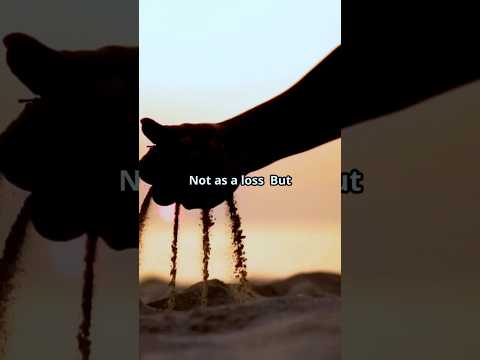
  • What If Everything Is Temporary —That’s the Beauty of Life?

    What If Everything Is Temporary—and That’s the Beauty of Life, Change, and Constant Becoming?
    What If Everything Is Temporary — and That’s the Beauty of Life?

    What If Everything Is Temporary — and That’s the Beauty of Life?

    In a world that constantly changes, we often find ourselves clinging—to moments, people, emotions, even identities. But what if we told you that impermanence isn’t something to fear… it’s something to celebrate?

    This idea, central to Buddhist philosophy, is known as anicca—the truth that everything is temporary. Nothing stays the same. Not your thoughts. Not your feelings. Not even the people or places you hold most dear. And while that might sound unsettling at first, it’s actually the key to inner peace.

    Why Do We Struggle With Change?

    We live in a world that teaches us to hold on. We strive for stability, permanence, and predictability. Social media preserves memories forever. Relationships are measured by longevity. Success is defined by what we can keep.

    But life has other plans.

    Seasons shift. Emotions rise and fall. Relationships evolve. And despite our best efforts to make things last, everything eventually fades. This is where suffering often begins—not in the change itself, but in our resistance to it.

    According to the Buddha, clinging leads to suffering. When we try to hold on to what must eventually pass, we create pain. But when we lean into the natural flow of change, we begin to experience something else: freedom.

    The Gift of Impermanence

    Rather than a threat, impermanence is a gift. Think about it: cherry blossoms are beautiful because they don’t last. Sunsets move us because they vanish. Every hug, every laugh, every breath matters more precisely because it is fleeting.

    This awareness pulls us back into the present moment, which is the only place life actually happens.

    When we stop trying to make things last forever, we start to notice them more. The warmth of sunlight on your face. The sound of a loved one’s voice. Even the quiet in-between moments begin to glow with meaning.

    Impermanence teaches us to savor life, not hoard it.

    A Practice in Letting Go

    So how do we live this truth in everyday life?

    Start small. When you feel joy, don’t try to capture it. Just feel it. When sadness arises, don’t rush to fix it. Let it be. Watch how every feeling changes—how each one has a beginning, a middle, and an end.

    This is mindfulness in action: observing without clinging, experiencing without resisting.

    Letting go doesn’t mean we stop caring. It means we stop grasping. We love more freely. We feel more deeply. We live more fully.

    In a World That Changes, You Can Still Find Peace

    When we accept that everything is temporary, we stop expecting life to be something it’s not. We align with reality instead of fighting against it. And from that place comes deep peace, clarity, and even gratitude.

    Because now we see:
    The ending of a moment is what makes it precious.
    The impermanence of life is what makes it beautiful.

    Closing Thoughts

    So ask yourself gently:
    What am I clinging to that’s already slipping away?
    Can I soften my grip and simply be with what is?

    This is the wisdom of impermanence.
    Not a loss, but a return.
    Not a failure, but freedom.

    And that, truly, is the beauty of life.

    What If Everything Is Temporary — and That’s the Beauty of Life?
    What If Everything Is Temporary — and That’s the Beauty of Life?

    Looking for more mindful reflections and Buddhist wisdom in bite-sized form?
    🧘‍♂️ Subscribe to YourWisdomVault on YouTube for weekly shorts that reconnect you to the present, help you let go, and remind you what really matters.

    P.S. Everything is temporary — and that’s what makes it beautiful. 🌿

    #Impermanence #Mindfulness #LettingGo #Buddhism #SpiritualGrowth #PresentMoment #Anicca #YourWisdomVault
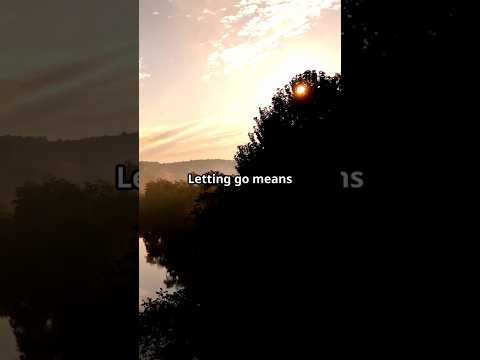
  • Why Letting Go Sounds Easy—but Hurts Deeply in the Practice

    Why Letting Go Sounds Easy—but Hurts Deeply in Buddhist Practice and Teaches True Compassion.
    Why Letting Go Sounds Easy—but Hurts Deeply in Buddhist Practice

    Why Letting Go Sounds Easy—but Hurts Deeply in Buddhist Practice

    “Just let go.”
    It’s advice we’ve all heard—often given with good intention, but rarely followed with real understanding. In Buddhist practice, letting go isn’t a quick fix or casual decision. It’s a profound, often painful process that cuts through layers of emotional attachment, ego, and expectation. Many people ask why letting go is so difficult, even when holding on causes more pain.

    This post explores why letting go is so difficult, even though it sounds simple—and how Buddhist wisdom can help us move through that pain toward peace.


    The Illusion of Simplicity

    On the surface, letting go seems easy. We imagine it as a soft release, a graceful sigh, a peaceful exit from pain. But when you actually try to let go of something you’re deeply attached to—whether it’s a relationship, a belief, or even a part of your identity—it hurts.

    Why? Because the mind clings.
    And clinging is exactly what the Buddha identified as the root of suffering.


    Why It Hurts to Let Go

    Letting go hurts because it challenges everything the ego tries to protect. It means:

    • Releasing control
    • Facing impermanence
    • Accepting that we don’t own or define people, outcomes, or even ourselves

    In Buddhist philosophy, this is the path of non-attachment—but non-attachment doesn’t mean apathy. It doesn’t mean we stop caring. It means we care without clinging, love without controlling, and experience without grasping.

    Letting go often feels like grief, because in a way, it is. We’re grieving the version of reality we held onto. And that grief is the gateway to transformation.


    The Role of Mindfulness

    In Buddhist practice, mindfulness is the key to letting go—not by force, but through awareness. We’re taught to observe our emotions without judgment. Instead of suppressing anger, sadness, fear, or desire, we watch them rise, peak, and fall—like waves on the ocean.

    When we stay present with what arises, we begin to see that we don’t have to hold onto it.
    That’s the quiet power of mindfulness: it shows us that we can feel fully, and still release.


    Real Letting Go Takes Courage

    This process is not always peaceful. In fact, it can feel violent—like tearing part of yourself away. But that’s only because the part we’re releasing is often something we’ve mistaken for our self.

    Buddhist practice encourages us to investigate:

    • What am I really holding onto?
    • Is this emotion permanent?
    • Does this belief serve me—or bind me?

    Through this inner inquiry, we find that letting go is not the loss of something real, but the release of illusion. The pain, though intense, leads to clarity.


    The Stillness After the Storm

    Many people who walk this path describe the feeling after a true letting go as one of profound stillness. Like the calm that follows a rainstorm, the emotional air is clean. You can breathe again. The tension held in your body and mind begins to soften.

    And in that quiet space, something deeper arises—not numbness, but peace. Not emptiness, but freedom.

    Why Letting Go Sounds Easy—but Hurts Deeply in Buddhist Practice
    Why Letting Go Sounds Easy—but Hurts Deeply in Buddhist Practice

    Final Thoughts

    Letting go may sound like a peaceful phrase, but in Buddhist practice, it’s a deep spiritual challenge. It’s an invitation to sit with discomfort, face your attachments, and release what no longer serves your awakening.

    The pain is not a sign that something is wrong—it’s a sign that something real is being uncovered. And in that honesty, we heal.

    So if you’re struggling to let go, know this:
    You’re not failing. You’re feeling.
    And that’s the path through.


    Explore more calm insights at YourWisdomVault.
    Subscribe to the channel on YouTube for Buddhist shorts on letting go, mindfulness, and emotional clarity—one breath at a time. 📿And remember: Understanding why letting go matters is central to Buddhist emotional healing.

    P.S.

    Sometimes, the hardest truth is this: we suffer not because we feel too much, but because we hold on too tightly. That’s why letting go is the way through.

    #WhyLettingGo #Buddhism #EmotionalHealing #NonAttachment #Mindfulness #SpiritualGrowth #LettingGo #BuddhistWisdom #YourWisdomVault #InnerPeace

  • The Quiet Power of Emotional Minimalism in Buddhist Practice

    The Quiet Power of Emotional Minimalism in Buddhist Practice and the Peace It Brings Within.
    The Quiet Power of Emotional Minimalism in Buddhist Practice

    The Quiet Power of Emotional Minimalism in Buddhist Practice

    In a world overflowing with emotional noise—notifications, opinions, inner judgments—many of us are quietly overwhelmed. We don’t need more coping strategies. We need less clutter—internally. This is where emotional minimalism comes in, a concept deeply aligned with Buddhist practice.

    What Is Emotional Minimalism?

    At its heart, emotional minimalism is the practice of intentionally simplifying your emotional landscape. That doesn’t mean becoming cold or distant. It means choosing not to be overwhelmed by every thought, feeling, or impulse that arises.

    This mindset has roots in Buddhist teachings, particularly in the concepts of non-attachment, impermanence, and mindful observation. Buddhism teaches that our suffering often doesn’t come from the emotion itself—but from the way we cling to it, identify with it, or try to suppress it.

    The Buddhist Path to Emotional Clarity

    In Buddhism, the mind is trained to observe rather than react. Through meditation and mindfulness, we learn to witness emotions like waves on the ocean: rising, cresting, and eventually passing. Anger, sadness, joy, anxiety—they all have a life cycle. Emotional minimalism invites us to ride the wave, not drown in it.

    This practice helps clear the mental clutter that clouds our decisions and drains our energy. With fewer emotional “tabs” open, we gain clarity, compassion, and inner peace.

    Letting Go Without Pushing Away

    One of the biggest misconceptions about emotional minimalism is that it’s about ignoring emotions. In Buddhist terms, this would be considered aversion, which is just another form of attachment. The goal isn’t to feel nothing—it’s to feel without attachment.

    When we can sit with discomfort without needing to escape it, we cultivate a deeper strength. As the Buddha taught, suffering is inevitable—but clinging is optional.

    Practical Steps to Emotional Minimalism

    You don’t have to live in a monastery to practice emotional minimalism. Here are simple ways to apply it in your daily life:

    1. Pause Before Reacting
      When a strong emotion hits, take one conscious breath. This pause creates space to respond instead of react.
    2. Name the Feeling
      Labeling emotions—“anger,” “disappointment,” “fear”—can reduce their grip on you. Awareness dissolves intensity.
    3. Ask: Is This Mine to Hold?
      Not every emotion needs to be absorbed. Sometimes, what you’re feeling belongs to someone else.
    4. Practice Non-Attachment
      Emotions are visitors, not permanent residents. Let them come, let them go.
    5. Simplify Inputs
      Emotional clutter often begins with informational clutter. Consider limiting news, social media, or toxic conversations that feed your emotional reactivity.

    The Benefits: Clarity, Compassion, Peace

    When we simplify our emotional lives, we make room for what truly matters: wisdom, compassion, and presence. You’ll find yourself less reactive, more centered, and more available to others—from a place of inner steadiness.

    This is what makes emotional minimalism so powerful—not just as a modern mindset, but as an ancient spiritual practice rooted in Buddhism. It’s not about escaping emotion. It’s about returning to what’s real beneath it all.

    The Quiet Power of Emotional Minimalism in Buddhist Practice
    The Quiet Power of Emotional Minimalism in Buddhist Practice

    Final Thoughts

    In a world that tells us to feel more, express more, and be more, emotional minimalism reminds us of the power of stillness. Through Buddhist practice, we learn that freedom doesn’t come from controlling our emotions—it comes from letting them flow without being swept away.

    So the next time a storm rises in your heart, pause. Observe. Breathe. That’s where peace begins.


    If this message resonated with you, consider exploring our YouTube channel, YourWisdomVault, for more Buddhist-inspired insights. Subscribe to stay connected to the quiet truths that help us live more freely.

    P.S. Sometimes, the most profound strength is found not in control—but in the quiet power of simply letting go.

    #EmotionalMinimalism #Buddhism #Mindfulness #InnerPeace #LettingGo #NonAttachment #MentalClarity #BuddhistWisdom #SpiritualGrowth #YourWisdomVault

  • You Can’t Take Them With You — Death Reminds Us What’s Ours.

    You Can’t Take Them With You—Death Reminds Us What’s Ours, What Matters, and What to Let Go Of.
    You Can’t Take Them With You — Death Reminds Us What’s Ours.

    You Can’t Take Them With You — Death Reminds Us What’s Ours.

    We live our lives surrounded by things: goals, roles, identities, possessions, digital footprints. But at the end of it all, there’s one undeniable truth — you can’t take them with you. Death, uncomfortable as it may be, has a strange way of cutting through the noise. It clarifies.

    In the Buddhist tradition, death is not a taboo — it’s a teacher. It’s a daily meditation, not a final surprise. Reflecting on impermanence (anicca) and the absence of a fixed self (anatta) helps us see that most of what we identify with… isn’t really ours. Not in the way we think.

    The Illusion of Ownership

    We spend decades building resumes, collecting titles, stacking achievements. But when the body gives out, none of that comes with us. Not the job title. Not the trophies. Not even the name on the door.

    We also cling to relationships, narratives, grudges — as if our holding them somehow secures meaning. But Buddhist wisdom suggests otherwise. These attachments are not the self. They are conditioned, temporary, and ever-changing.

    Death reminds us: what we cling to most tightly is often the most fragile.

    So What Is Ours?

    That’s the uncomfortable — and liberating — question.

    When everything external is stripped away, what’s left?

    • Your house? Gone.
    • Your social media legacy? Fades faster than you think.
    • Your identity? Just a set of conditioned responses and beliefs.

    What remains, then, is awareness.
    Not in a mystical sense, but in the very real sense of how you lived your moments.
    Were you kind when it was inconvenient?
    Did you pause before reacting?
    Did you bring presence into the room, or did you just fill space?

    This is the heart of mindful living. It’s not about being serene or perfect — it’s about being awake to the temporary nature of all things, and letting that awareness inform how we live now.

    Why This Isn’t a Sad Message

    It might sound morbid at first — all this talk of death and impermanence. But in Buddhist philosophy, this is actually a doorway to joy. When we stop gripping so tightly to what’s slipping through our fingers anyway, we’re free to appreciate it. Genuinely. Fully.

    You stop trying to own the moment and start participating in it.

    You stop trying to preserve your legacy and start living your truth.

    When death is kept close — not in fear, but in respect — it keeps our priorities honest. It keeps our hearts soft.

    Practical Reflection: Ask Yourself

    • What am I spending energy on that won’t matter in the end?
    • What am I holding that death would ask me to release?
    • How would I act differently today if I remembered that nothing is mine forever?

    These aren’t abstract questions. They’re mirrors. And sometimes, all it takes is 45 seconds of real reflection to shift an entire week of autopilot.

    You Can’t Take Them With You — Death Reminds Us What’s Ours.
    You Can’t Take Them With You — Death Reminds Us What’s Ours.

    You Can’t Take Them With You — And That’s Okay

    This isn’t a tragedy. It’s clarity.

    Death doesn’t strip us of what’s real — it strips us of illusion. And in doing so, it shows us the one thing we actually have: how we meet each moment.

    So no, you can’t take them with you. But maybe you were never supposed to. Maybe that’s not the point.


    If this reflection resonated with you, check out our YourWisdomVault video short on YouTube on this very topic—and don’t forget to subscribe for more bite-sized teachings rooted in timeless wisdom.

    If death feels like a heavy teacher, that’s because it doesn’t waste words. Sometimes, the most freeing truth is the one that asks you to release what was never yours to hold.

    #BuddhistWisdom #Impermanence #MementoMori #MindfulLiving #NonAttachment #DeathAwareness #EgoDeath #SpiritualReflection #MinimalistMindset #ConsciousLiving #YouCantTakeItWithYou #Anicca #Anatta #YourWisdomVault #LifeAndDeath #LettingGo #AwarenessPractice