Category: Buddhism

Buddhism is a contemplative tradition rooted in direct insight into suffering, impermanence, and the nature of mind. Rather than belief, it emphasises understanding through observation, ethical living, and inner cultivation. This collection draws from classical Buddhist sources and stories, including the Dhammapada and Jātaka tales, exploring wisdom, compassion, and liberation as lived experience rather than abstract doctrine.

  • Staying Present When the Future Feels Overwhelming.

    Staying Present When the Future Feels Overwhelming | Buddhist Wisdom
    Staying Present When the Future Feels Overwhelming | Buddhist Wisdom

    Staying Present When the Future Feels Overwhelming | Buddhist Wisdom

    How Buddhist Wisdom Helps You Come Back to Now

    In a world full of noise, speed, and uncertainty, it’s easy to feel overwhelmed. Most of us live several steps ahead of ourselves — planning, predicting, worrying. Our attention is rarely where we are. Instead, it lives in a future that hasn’t arrived.

    But Buddhist wisdom teaches a radical idea: peace isn’t found in the future. It’s found in the Stillness.


    Why We Drift from the current moment

    The human brain is a planning machine. It scans for threats, creates to-do lists, and imagines outcomes. That’s useful — until it turns into constant mental noise. When we live entirely in imagined futures, we lose touch with what’s real.

    This is where anxiety grows. The mind loops through possibilities. The body stays here, but our thoughts are elsewhere. And the longer we stay disconnected from the current moment, the more chaotic things feel.

    The goal isn’t to banish all thoughts about the future. It’s to return to now, again and again — the only place we can actually live.


    Buddhist Insights on the Present

    In Buddhism, mindfulness is the path to presence. It’s not about emptying the mind or achieving some perfect calm. It’s about waking up to what is already here.

    Thich Nhat Hanh wrote, “The present moment is the only moment available to us, and it is the door to all moments.”

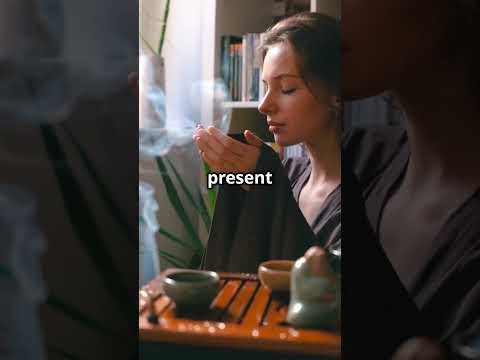
    That means your life isn’t happening later. It’s happening now. When you drink tea, wash your hands, speak to someone — that’s your life unfolding. When you’re mindful, you’re not just going through the motions. You’re present for it.

    This shift in attention may sound small. But it changes everything.


    How to Come Back to the Stillness

    The good news is you don’t need special conditions to become more present. It happens in micro-moments — simple, intentional awareness.

    Here are a few ways to reconnect with the Stillness:

    • Notice your surroundings. Take 10 seconds to look around. What do you see, hear, or feel?
    • Use grounding cues. The feeling of your feet on the ground or hands on your lap can bring you back quickly.
    • Pause in between tasks. Before jumping to the next thing, take one moment to check in: Where am I? What’s here?
    • Acknowledge wandering. Your mind will drift. That’s okay. Just gently return.

    These practices aren’t about control — they’re about connection. And over time, they retrain the mind to stay a little closer to now.


    Why the Present Is Enough

    The present is not perfect. But it’s real. And real is where life becomes bearable again.

    When you stop chasing clarity from the future, you begin to find clarity in what’s already here. You realize that right now — even with uncertainty — you can be steady. You can be clear. You can even be calm.

    Buddhism doesn’t promise to fix everything. It simply invites us to live fully — and that only happens in the present.


    Staying Present When the Future Feels Overwhelming | Buddhist Wisdom
    Staying Present When the Future Feels Overwhelming | Buddhist Wisdom

    Final Thought

    If the future feels overwhelming, come back to what’s immediate. Feel the chair beneath you. Listen to the quiet in the room. Notice one thing that’s okay.

    This isn’t escape. It’s return.

    You don’t need to solve the future today. You only need to be present for this moment.

    Because this is where your life is — not later, not someday, but now.

    P.S. If this post helped you reconnect with the now, consider subscribing to YourWisdomVault on YouTube for more grounded insights drawn from timeless teachings. ✨

    #MindfulLiving #BuddhistWisdom #StayPresent #LiveInTheMoment #SpiritualGrowth #OvercomeAnxiety #MindfulnessPractice
  • Mindfulness Amid Chaos: Real-World Test of Buddhist Wisdom.

    Mindfulness Amid Chaos — A Real-World Test of Buddhist Wisdom, Calm Awareness, and Compassion.
    Mindfulness Amid Chaos: Real-World Test of Buddhist Wisdom.

    Mindfulness Amid Chaos: Real-World Test of Buddhist Wisdom.

    In today’s fast-moving world, staying present is harder than ever. Between deadlines, distractions, and daily stress, we’re often pulled in a dozen directions at once. But in the middle of all that noise, there’s a quiet practice that offers clarity: mindfulness.

    Rather than being a luxury or a trend, mindfulness is a skill—one that can transform how we move through the chaos of life. It’s not about escaping stress. It’s about meeting each moment with intention, even when things feel overwhelming.

    What Mindfulness Really Means

    At its heart, mindfulness is the practice of being fully present. It means noticing what’s happening right now—your thoughts, your breath, your body, your surroundings—without trying to change or judge it.

    The concept has roots in ancient Buddhist teachings, but it’s also found in modern wellness, psychology, and stress reduction techniques. More than a meditation technique, it’s a way of engaging with the world—and yourself—with greater clarity and compassion.

    A Personal Experiment in Staying Present

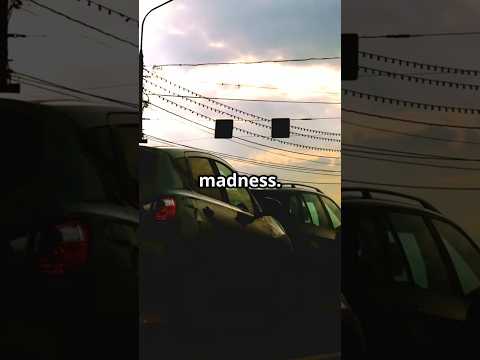
    I recently put this practice to the test—not in a quiet room, but during a high-stress, real-life situation. Picture this: late for an appointment, stuck in traffic, surrounded by honking horns and frustration rising.

    My instinct was to stress out. But instead, I paused. I focused on my breathing. I became aware of the tension in my body. I didn’t fight it—I just noticed it.

    In that moment, something shifted. The chaos outside didn’t disappear, but I stopped letting it control me inside. That’s the power of presence.

    Why Presence Matters

    Choosing to be present, especially in difficult moments, can reshape how we experience life. Studies have shown that regular mindful awareness can reduce anxiety, improve focus, and help us respond more thoughtfully to stress.

    But beyond the research, it’s simply a better way to live. When we’re present, we don’t miss our lives while waiting for things to calm down. We begin to see that peace isn’t something we chase—it’s something we can access, even in discomfort.

    Practical Ways to Stay Present

    You don’t need to sit in meditation for hours. Here are a few simple ways to apply this practice in your day:

    • Breathe with awareness: Take 3 slow breaths when you feel overwhelmed.
    • Notice your senses: What do you hear, see, feel right now?
    • Pause before reacting: In stressful moments, give yourself a second to respond with intention.
    • Reflect daily: Spend a few minutes each evening just noticing how you felt throughout the day.

    These small practices can anchor you, especially when life feels out of control.

    A Practice for Every Moment

    This isn’t about being perfect. There’s no “right” way to do it. The real practice is remembering to return to the moment, again and again. Whether you’re washing dishes, having a conversation, or facing a challenge—you can choose presence.

    Even when the world feels chaotic, you can carry a still point within you. That’s what this path offers: not escape, but transformation.

    Mindfulness Amid Chaos: Real-World Test of Buddhist Wisdom.
    Mindfulness Amid Chaos: Real-World Test of Buddhist Wisdom.

    Final Thoughts

    If you’ve been curious about how to stay grounded in the middle of modern stress, start with one breath. One pause. One choice to show up, fully.

    Presence isn’t a technique. It’s a way of being. And every moment is a new opportunity to begin again.


    Want more grounded reflections like this?
    Follow YourWisdomVault on YouTube for daily short-form insights rooted in Buddhist wisdom, presence, and inner calm.

    #Mindfulness #MindfulnessPractice #DailyMindfulness #MindfulLiving #BuddhistWisdom #PresentMoment #InnerCalm #StressRelief #SpiritualPractice #YourWisdomVault

  • The Art of Watching Your Thoughts Burn: Mindful Detachment.

    The Art of Watching Your Thoughts Burn: Mindful Detachment in Action.
    The Art of Watching Your Thoughts Burn: Mindful Detachment in Action

    The Art of Watching Your Thoughts Burn: Mindful Detachment in Action

    In a world of constant mental noise, learning to observe rather than react is a radical act. This is where the art of watching comes in—a practice rooted in Buddhist mindfulness that can transform how we relate to our thoughts and emotions.

    Rather than battling the mind, the art of watching teaches us to witness it.

    Why Watching Matters

    Most of us are caught in a loop: a thought appears, and we react. That reaction fuels more thoughts, more emotions, and before long, we’re overwhelmed. The art of watching is about breaking that cycle—not by force, but through awareness.

    In Buddhist practice, thoughts are not the enemy. They’re simply phenomena that arise and pass. The problem begins when we believe, cling to, or resist them. Watching gives us space. Space to respond, not react. Space to choose peace over panic.

    Let the Fire Burn—But Stay Cool

    Think of your thoughts like sparks. Some are harmless. But when you latch onto anger, fear, or craving, those sparks can ignite a fire.

    The key isn’t to suppress the fire. It’s to watch it.

    This is where the art of watching becomes powerful. Instead of jumping into the flames of emotion, you sit beside them. You observe their rise, their intensity, and—most importantly—their fading. Every emotion, no matter how strong, passes when it’s not fed.

    This doesn’t make you cold or detached. It makes you clear and grounded.

    How to Practice the Art of Watching

    You don’t need to retreat to a monastery to begin. The art of watching can be practiced anytime, anywhere. Here’s how:

    • Pause before reacting: When you notice a strong thought, take a breath. Ask: can I watch this instead of becoming it?
    • Label gently: Silently name what you’re experiencing—“thinking,” “worrying,” “remembering.” This helps shift from identification to observation.
    • Use the breath as an anchor: While thoughts float by, keep your awareness gently on the breath. It grounds you without resistance.
    • Journal from awareness: Write what you notice without judgment. This builds the watcher’s perspective over time.

    Each of these practices strengthens your ability to remain present and unattached—even in challenging moments.

    The Wisdom Behind the Practice

    In Buddhist philosophy, suffering isn’t caused by thoughts themselves, but by our attachment to them. The art of watching reveals this truth in real time. When you watch a fear rise and fall without reacting, you see its impermanence. When you observe anger without fueling it, it loses its power.

    This shift—from doing to witnessing—is a kind of liberation. You realize you are not your thoughts. You are the awareness behind them.

    And from that space, peace becomes possible—even in chaos.

    The Art of Watching Your Thoughts Burn: Mindful Detachment in Action
    The Art of Watching Your Thoughts Burn: Mindful Detachment in Action

    Final Reflection

    The art of watching is not about becoming emotionless. It’s about becoming present. Watching doesn’t mean ignoring life—it means engaging with it more clearly, with less confusion and more compassion.

    So the next time your mind feels like it’s spinning, don’t fight it. Don’t fuel it. Just watch. Breathe. And let the fire burn itself out.

    With practice, the art of watching becomes second nature. A quiet power. A path to freedom.

    #ArtOfWatching #MindfulDetachment #BuddhistMindfulness #WatchYourThoughts #LettingGo #EmotionalAwareness #Vipassana #InnerPeace #NonAttachment #MeditationPractice #SpiritualGrowth #ObserveYourMind #BuddhistWisdom #MentalClarity #MindfulnessInAction

    P.S. If this post helped shift your perspective, consider subscribing to YourWisdomVault on YouTube to receive more insights on mindfulness, Buddhist wisdom, and the quiet power of observation — straight to your inbox.

  • How to Pause Without Guilt: Mindful Rest for Inner Peace!

    How to Pause Without Guilt — Practice Mindful Rest to Restore Balance, Clarity, and Inner Peace.
    How to Pause Without Guilt: Mindful Rest for Inner Peace!

    How to Pause Without Guilt: Mindful Rest for Inner Peace!

    In a culture obsessed with productivity and constant motion, the simple act of resting has become something we feel we must justify. We’ve been conditioned to associate stillness with laziness, and pausing with falling behind. But what if we told you that pausing—when done mindfully—is not a weakness, but a sacred form of wisdom?

    This idea is deeply rooted in both Buddhist teachings and Stoic philosophy. In both traditions, intentional rest isn’t seen as optional—it’s essential. It’s not an escape from life, but a way to return to it fully.

    The Guilt Trap of Rest

    Many of us are familiar with the voice in our heads that whispers, “You should be doing something.” Even when our body is tired, or our mind is overwhelmed, we push through. We fear being seen as unproductive or idle. This guilt-driven mindset keeps us stuck in cycles of burnout and self-judgment.

    But rest is not the opposite of effort—it’s what sustains it. Just like the inhale must follow the exhale, pausing gives life rhythm and depth. Without it, we lose our connection to presence and meaning.

    What Does Mindful Rest Look Like?

    Mindful rest is not just lying on the couch scrolling your phone. It’s the conscious decision to stop, breathe, and be with yourself without distraction.

    It could be:

    • Sitting quietly with your breath for five minutes.
    • Taking a walk without headphones, simply noticing your surroundings.
    • Saying “no” to something not aligned with your energy today.
    • A full stop—doing nothing, and being okay with it.

    Mindful rest honors the truth that you are not your productivity. You are a human being, not a human doing.

    What Buddhism Teaches About Stillness

    In Buddhism, stillness is not laziness—it’s a gateway to clarity and compassion. The Buddha himself taught the importance of right effort, which includes knowing when to act and when to pause.

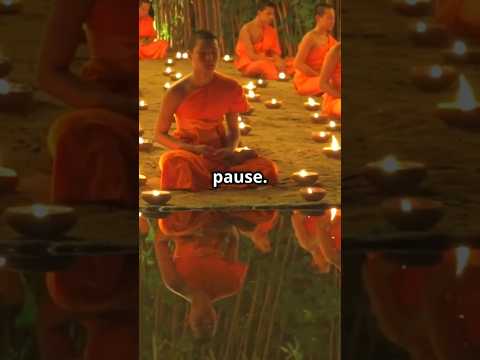
    Monastics often spend hours in seated meditation—not to escape life, but to engage with it more deeply. In those moments of silence, they cultivate presence, awareness, and inner peace.

    You don’t need to be a monk to embrace this. Even one mindful breath can create a pause in the storm.

    The Stoic Echo

    Interestingly, Stoic thinkers like Marcus Aurelius also emphasized the value of retreat. In his Meditations, he often reminded himself to “return to the self,” especially in moments of chaos or overstimulation.

    In this way, Stoicism and Buddhism meet: The still mind sees clearly. The rested soul acts wisely.

    You Are Allowed to Pause

    This is your reminder: You are allowed to rest. Without explanation. Without guilt.

    You are not falling behind by pausing. You’re showing up for yourself in the most honest way possible.

    When you choose rest with intention, you’re not stepping off the path—you’re walking it, mindfully. That pause becomes a sacred space where healing, clarity, and renewal can arise.

    A New Definition of Strength

    In a world that glorifies hustle, choosing rest is radical. It’s an act of resistance against burnout. It’s a reclaiming of your time, your energy, and your peace.

    Let’s redefine strength not as endless motion, but as the wisdom to know when to be still. In that stillness, we discover the peace that’s been waiting for us all along.

    How to Pause Without Guilt: Mindful Rest for Inner Peace!
    How to Pause Without Guilt: Mindful Rest for Inner Peace!

    If this message spoke to you, watch the 45-second video that inspired it:
    How to Pause Without Guilt: Mindful Rest for Inner Peace – available now on Your Wisdom Vault on YouTube.

    🧘‍♂️ Subscribe for more reflections on mindfulness, Buddhist wisdom, and intentional living.