Category: Stoicism

Stoicism is a practical philosophy rooted in ancient Greece and Rome, focused on cultivating virtue, clarity of thought, and inner steadiness in the face of life’s uncertainty. These posts draw from Stoic thinkers such as Marcus Aurelius, Epictetus, and Seneca, exploring themes of reason, resilience, responsibility, and living in accordance with nature—not as abstract theory, but as lived wisdom for the modern world.

  • Negative Visualization – The Stoic Secret to Happiness

    The Art of Negative Visualization — Find Peace Through Stoic Wisdom.
    Negative Visualization – The Stoic Secret to Happiness

    The Art of Negative Visualization – Stoic Secret to Happiness 🤔

    In a world where we often chase after success, wealth, and constant happiness, it’s easy to forget that true contentment comes from within. The ancient philosophy of Stoicism offers a unique perspective on how to find peace of mind and happiness by practicing something called negative visualization. This Stoic technique might sound strange at first, but it holds the key to reducing stress, building resilience, and achieving long-term happiness.

    So, what exactly is negative visualization, and why should we embrace it?


    What is Negative Visualization? 🧐

    At its core, negative visualization involves imagining the loss of things we often take for granted—our health, loved ones, possessions, or any of the things that make up our day-to-day life. Sounds odd, right? But stick with me!

    Marcus Aurelius, one of the most well-known Stoic philosophers and a Roman emperor, wrote: “The things you think are good, if you lose them, don’t worry. You can still be happy.” In other words, by imagining the loss of these things, we develop a deeper appreciation for them before we lose them.

    Negative visualization doesn’t mean dwelling on worst-case scenarios or living in fear. Instead, it’s a practice that helps you:

    • Prepare emotionally for potential loss.
    • Appreciate the present moment more fully.
    • Foster gratitude for what you have now.

    In a sense, it’s a way of anticipating hardship so that we aren’t blindsided when challenges arise. By mentally preparing ourselves for loss, we can handle adversity with grace and strength when it comes our way.


    How Negative Visualization Leads to Happiness 🌿

    Now, you might be wondering, “How can thinking about losing things actually make me happier?” It’s simple: by facing the possibility of loss, you’re able to shift your perspective on what truly matters and what doesn’t.

    Here’s how it works:

    • Gratitude: When we imagine losing something, we realize how much we value it. This helps us appreciate the people, experiences, and things in our life that we often take for granted. It’s like taking a mental “pause” to say thank you for what you have right now.
    • Reduced anxiety: Many of us spend time worrying about losing what we have. Negative visualization trains your mind to accept that loss is inevitable, and when you accept it, you fear it less. It’s liberating to realize that even in the face of loss, you can still find happiness.
    • Resilience: By mentally preparing for life’s challenges, you become more resilient in the face of adversity. Whether it’s dealing with the loss of a loved one, the end of a relationship, or a setback at work, negative visualization builds mental toughness, making it easier to bounce back when difficult situations arise.

    How to Practice Negative Visualization 🌟

    The good news? Negative visualization is a simple practice that anyone can incorporate into their daily life. Here’s how you can get started:

    1. Choose what to imagine: Take a few minutes each day to think about what you value most. This could be your family, health, career, or personal goals. Imagine losing one of these things. Visualize how it would feel and what it would mean for your life.
    2. Acknowledge your emotions: As you visualize the loss, notice any emotions that come up. It’s okay to feel sadness or fear. This practice isn’t about causing suffering—it’s about accepting that loss is part of life and learning to cope with it.
    3. Refocus on gratitude: After imagining the loss, shift your focus back to the present. Appreciate what you have right now, and think about how you can nurture these things before it’s too late.
    4. Embrace the practice: Incorporate negative visualization into your daily routine, whether it’s for a few minutes each morning or before bed. The more you practice, the more naturally gratitude and acceptance will become.
    Negative Visualization – The Stoic Secret to Happiness
    Negative Visualization – The Stoic Secret to Happiness

    Conclusion: The Stoic Secret to Happiness

    Negative visualization might seem counterintuitive, but it’s a powerful Stoic tool that can lead to greater happiness, peace of mind, and resilience. By imagining the loss of things we hold dear, we can cultivate appreciation, reduce anxiety about the future, and build the mental strength to face whatever life throws our way.

    So, give it a try! Take a few minutes each day to practice negative visualization and see how it changes your perspective on life. 🌱

    💬 How has gratitude or visualization helped you in tough times? Drop a comment on YouTube and share your experience!


    🔔 Subscribe to YourWisdomVault on YouTube for timeless insights on life, mind, and meaning.

    #NegativeVisualization #Stoicism #Happiness #Resilience #Gratitude #MarcusAurelius #MentalToughness #MindsetShift #Philosophy #SelfGrowth

  • How to Control What You Can and Let Go of the Rest

    How to Control What You Can and Let Go of the Rest—Master Calm by Focusing on Your Power.
    How to Control What You Can and Let Go of the Rest

    How to Control What You Can and Let Go of the Rest 💭

    “The Stoics teach us how to control our reactions, even when we can’t control events.” In a world full of uncertainty, it’s easy to feel overwhelmed by the sheer number of things we can’t control. From unexpected events to other people’s actions, there’s no shortage of things that seem beyond our reach. But there’s a timeless philosophy that teaches us how to focus on what we can control and let go of the rest—Stoicism.

    This ancient philosophy, popularized by thinkers like Epictetus, Seneca, and Marcus Aurelius, offers practical advice for dealing with life’s ups and downs. Learning how to control your mindset is key to lasting peace and resilience. One of the most important lessons Stoicism teaches is that true peace and happiness come from focusing on our internal world—our thoughts, emotions, and responses—instead of getting bogged down by external circumstances we can’t change. Learning how to control your mindset is the first step toward inner peace.

    So, how can we apply this Stoic wisdom in today’s chaotic world?


    1. Accept What You Cannot Control 🌊

    The first step in controlling what you can is acceptance. We live in a world filled with unpredictability, and while we can try our best to influence our surroundings, we cannot control everything. The weather, other people’s opinions, the economy, and even certain aspects of our health are beyond our control.

    Epictetus famously said, “We cannot choose our external circumstances, but we can always choose how we respond to them.” This is the cornerstone of Stoic philosophy: we cannot change the past or predict the future, but we can control how we deal with each moment.

    When we start to accept that certain things are out of our hands, we free ourselves from the frustration of trying to change them. Instead of wasting energy on things that don’t matter, we can redirect that energy into what we can control—our reactions, our mindset, and our attitude.


    2. Focus on Your Responses 🤔

    While we can’t control everything that happens to us, we can control how we respond to those events. Stoics believe that it’s not what happens to us, but how we react to it that defines our experience of life.

    Next time you face a stressful situation—whether it’s an unexpected setback at work, a difficult conversation, or a personal challenge—ask yourself, “How can I respond to this situation in a way that aligns with my values?”

    For example, instead of reacting impulsively when someone cuts you off in traffic, take a deep breath and choose to remain calm. Or if you face a failure, instead of giving up, look at it as a chance to learn and grow.

    Here are some practical steps to help you take control of your responses:

    • Pause and breathe: Instead of reacting immediately, give yourself a moment to think.
    • Question your thoughts: Are your initial reactions based on fear or anger? Is there a better way to respond?
    • Choose a constructive response: Focus on solutions, not problems.

    By mastering our responses, we regain power over our emotions and can turn even the toughest situations into opportunities for growth. 🌱


    3. Let Go of What You Can’t Control 🕊️

    One of the hardest parts of Stoic practice is letting go of the things we can’t control. But here’s the thing—holding on to what we can’t change only leads to unnecessary stress and anxiety.

    If you’re constantly worrying about things outside your control, you’re wasting precious time and energy. Instead, focus on what you can influence—your own actions, decisions, and mindset.

    Marcus Aurelius, the Roman Emperor and Stoic philosopher, wrote: “You have power over your mind, not outside events. Realize this, and you will find strength.”

    To practice letting go:

    • Accept that some things are beyond your control and focus on the present.
    • Release the need for approval from others. You can’t control how others perceive you, but you can control your actions.
    • Stop worrying about the future. Focus on what you can do today.

    By releasing what we can’t control, we make room for peace of mind, allowing us to focus on what truly matters. 🧘‍♂️


    Conclusion: Control What You Can, Let Go of the Rest 🌀

    The Stoics mastered how to control their reactions, not the world around them. Life is full of uncertainties, but Stoicism teaches us that we have the power to control our mindset and responses. By focusing on what we can influence—our actions, reactions, and thoughts—and letting go of the things outside our control, we can find more peace and happiness.

    How to Control What You Can and Let Go of the Rest
    How to Control What You Can and Let Go of the Rest

    Remember, life is a journey, and the key to navigating it successfully lies in understanding that you control how you respond to whatever comes your way. 🌟

    💬 How do you deal with situations beyond your control? Share your thoughts in the comments below!


    🔔 Subscribe to YourWisdomVault on YouTube for timeless insights on life, mind, and meaning.

    Ps: Understanding how to control your thoughts helps reduce anxiety and increase clarity.

    Thanks for watching: How to Control What You Can and Let Go of the Rest

    #Stoicism #ControlWhatYouCan #LetGo #MindsetShift #Epictetus #MarcusAurelius #SelfGrowth #MentalStrength #Philosophy #PersonalDevelopment

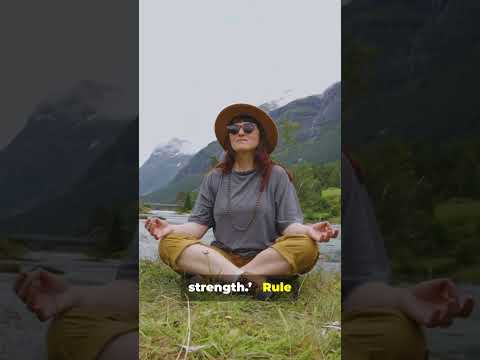
  • 3 Stoic Rules for a Better Life!

    3 Stoic Rules for a Better Life—Timeless Principles to Find Peace, Strength, and Clarity!
    3 Stoic Rules for a Better Life!

    3 Stoic Rules for a Better Life!

    In today’s fast-paced world, we are often bombarded with distractions and stress. But what if there was a timeless philosophy that could help us navigate life’s challenges and lead us to a more peaceful, productive, and fulfilling life? Enter Stoicism, an ancient philosophy founded by Zeno of Citium and popularized by figures like Marcus Aurelius, Epictetus, and Seneca. Stoicism focuses on cultivating virtue, embracing adversity, and taking control of what is within our power.

    Here are three Stoic rules that can help you live a better life:


    1. Focus on What You Can Control 💪

    One of the core principles of Stoicism is the understanding that we cannot control everything around us. We can’t control other people’s actions, the weather, or the inevitable challenges life throws at us. However, we can control our responses to those events.

    Epictetus, one of the most famous Stoic philosophers, famously said, “We cannot choose our external circumstances, but we can always choose how we respond to them.” This is a powerful reminder that inner peace comes from focusing on what you can control: your thoughts, your emotions, and your actions.

    To practice this Stoic rule:

    • Let go of things you cannot control.
    • Concentrate on your reactions, not the situations themselves.
    • Embrace challenges as opportunities to grow rather than obstacles to your happiness.

    2. Live According to Nature 🌱

    Living according to nature is one of the key Stoic teachings, and it’s often overlooked in modern society. Marcus Aurelius, the Roman emperor and Stoic philosopher, emphasized that we should live in harmony with the world around us, accepting it as it is and adjusting our behavior accordingly. This includes aligning with our true nature as human beings—our capacity for reason, virtue, and self-reflection.

    In a world that often pushes us toward excess and superficial desires, the Stoics teach us that true happiness comes from living a simple and virtuous life. We should be guided by reason, live with purpose, and pursue what is essential rather than what is superficial.

    Here’s how you can incorporate this Stoic rule:

    • Simplify your life by focusing on what truly matters.
    • Cultivate virtue: strive to be wise, courageous, just, and self-disciplined.
    • Appreciate the present moment, and avoid getting lost in the pursuit of material gain.

    3. Embrace Adversity as Opportunity 🌟

    The Stoics didn’t shy away from adversity—they embraced it. Seneca once wrote, “Difficulties strengthen the mind, as labor does the body.” In Stoicism, challenges are not seen as burdens but as opportunities for growth and development. The idea is simple: what doesn’t kill you makes you stronger.

    Rather than avoiding hardship, Stoics encourage us to face difficulties head-on and use them to build resilience. When life gets tough, instead of complaining or giving up, we can choose to see the situation as a chance to practice patience, perseverance, and courage.

    3 Stoic Rules for a Better Life!
    3 Stoic Rules for a Better Life!

    To apply this rule in your life:

    • Change your perspective on challenges—see them as opportunities for growth.
    • Develop mental toughness by facing discomfort rather than avoiding it.
    • Stay resilient by focusing on solutions instead of problems.

    Conclusion: Stoic Wisdom for a Better Life 🌟

    By adopting these three Stoic rules, you can transform your life and begin living with more purpose, clarity, and inner peace. Remember, Stoicism isn’t about avoiding pain or pretending to be unaffected by life’s difficulties. It’s about facing the world with a strong mind and a calm heart, knowing that how we respond to life’s events is what truly matters.

    💬 What Stoic principles have helped you in your life? Share your thoughts in the comments below!


    🔔 Subscribe to YourWisdomVault on YouTube for timeless insights on life, mind, and meaning.

    #Stoicism #BetterLife #StoicPhilosophy #PersonalGrowth #Mindfulness #SelfDiscipline #InnerPeace #LifeLessons #MarcusAurelius #Epictetus #Seneca #MindsetShift

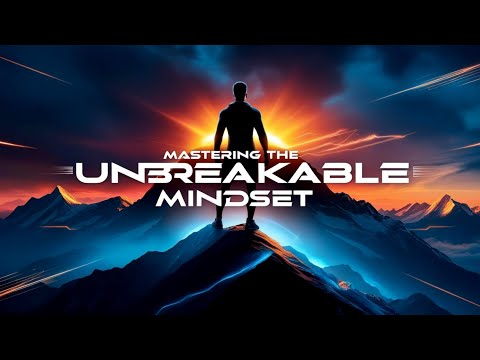
  • Mastering the Unbreakable Mindset: Your Ultimate Guide!

    Mastering The Unbreakable Mindset, Your ultimate Guide!
    Mastering the Unbreakable Mindset: Your Ultimate Guide!

    Mastering the Unbreakable Mindset: Your Ultimate Guide!

    In a world full of distractions, stress, and constant change, mastering an unbreakable mindset is more than a mental upgrade—it’s a survival skill.

    But what does it really mean to be mentally unbreakable?

    It doesn’t mean you never feel fear, doubt, or pain. It means you face them—without letting them control you. An unbreakable mindset is built on clarity, discipline, and resilience. And the good news? It’s trainable.

    The Stoics taught us that we don’t control what happens—we only control how we respond. That’s the core of this mindset: focusing on what you can change, accepting what you can’t, and acting with integrity regardless of external chaos.

    Start by mastering your internal dialogue. Replace “I can’t” with “I will try.” Reframe failure as feedback. Train yourself to question your reactions. This small shift rewires your mind toward growth.

    Next, build daily rituals that anchor your focus. Morning routines, cold exposure, journaling, physical exercise—each builds your tolerance for discomfort and sharpens your emotional armor. These are not gimmicks; they’re workouts for your willpower.

    And finally, surround yourself with content that fuels strength. Books, mentors, Stoic philosophy, modern neuroscience—absorb ideas that train your brain to be stronger, calmer, and more focused.

    Remember: your mindset shapes your outcomes. It’s not something you’re born with—it’s something you forge. That process happens daily.

    You don’t need perfect conditions to thrive. You need a mind that can’t be broken when conditions aren’t.

    Start with discipline. Add clarity. Live with intention. That’s how the unbreakable are made—and how you become one of them.

    Unlock the Secrets to a Resilient Mindset!
    In our latest video, “Mastering the Unbreakable Mindset: Your Ultimate Guide!”, we walk you through powerful strategies to cultivate a mindset that can handle any of life’s challenges. In just 9 minutes, you’ll learn practical techniques for overcoming self-doubt, embracing adversity, and turning obstacles into opportunities. Whether you’re facing personal struggles or professional setbacks, this guide will give you the tools you need to build mental fortitude and take charge of your life.


    Video Breakdown:

    00:00:00 – Unlocking Your Mindset’s Potential
    We kick off by diving into the power of mindset. Discover how your mindset shapes your reality and sets the foundation for success.

    00:02:13 – Your Fortress Against Adversity
    Learn how to build your mental fortress, making yourself resilient against life’s challenges. We explore strategies for facing obstacles with strength and perseverance.

    00:05:04 – Cultivating a Strong Mindset
    Developing mental toughness isn’t easy, but we show you key steps to strengthen your mindset and push through adversity. Start building powerful habits that will support you eventually.

    00:06:04 – The Power of Mindset in Action
    See how successful individuals leverage their mindset to overcome adversity. Examples from athletes, business leaders, and everyday heroes illustrate the power of mental strength in action.

    00:08:51 – Reaping the Rewards
    Once you’ve built your resilient mindset, you’ll start to see the rewards—personal growth, career advancement, and emotional resilience. This section reinforces the idea that strength is earned through consistent effort.

    00:09:51 – A Call to Action
    Finally, we urge you to take action. Building an unbreakable mindset starts today—don’t wait! Watch, learn, and start applying these strategies now.

    Mastering the Unbreakable Mindset: Your Ultimate Guide!
    Mastering the Unbreakable Mindset: Your Ultimate Guide!

    Ready to transform your mindset?
    Watch the video, take notes, and start practicing these powerful steps. And if you found this guide helpful, make sure to like, subscribe, and share this video with others who could benefit from building their own unbreakable mindset.

    🔔 Subscribe to YourWisdomVault on YouTube for timeless insights on life, mind, and meaning.

    #Mindset #MentalStrength #PersonalDevelopment #Resilience #Motivation