Category: Stoicism

Stoicism is a practical philosophy rooted in ancient Greece and Rome, focused on cultivating virtue, clarity of thought, and inner steadiness in the face of life’s uncertainty. These posts draw from Stoic thinkers such as Marcus Aurelius, Epictetus, and Seneca, exploring themes of reason, resilience, responsibility, and living in accordance with nature—not as abstract theory, but as lived wisdom for the modern world.

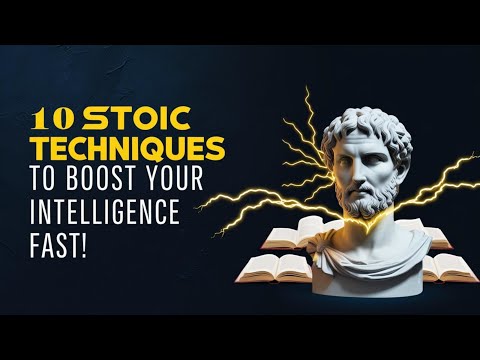
  • 10 Stoic Techniques to Boost Your Intelligence FAST!

    10 Stoic Techniques to Boost Your Intelligence FAST!
    10 Stoic Techniques to Boost Your Intelligence FAST!

    Text Version Below!

    🧠 10 Stoic Techniques to Boost Your Intelligence FAST! 🚀

    Welcome to this video, where we dive deep into powerful Stoic techniques that will help you boost your intelligence quickly and efficiently. Stoicism, an ancient philosophy founded by thinkers like Marcus Aurelius, Seneca, and Epictetus, provides timeless wisdom that can sharpen your mind, enhance your problem-solving skills, and increase emotional resilience. If you’re looking to think clearer, make better decisions, and increase mental discipline, this is the perfect guide for you. Stick around until the end for a bonus tip that ties everything together!

    One of the most effective ways to increase intelligence is to anticipate obstacles before they happen. Negative visualization, or Premeditatio Malorum, is a technique used by Stoics to prepare for adversity by imagining the worst possible outcomes. By regularly contemplating challenges, your mind becomes adept at handling stress and making well-informed decisions under pressure. This enhances problem-solving skills and sharpens strategic thinking, helping you stay ahead in life and avoid unnecessary surprises. It also cultivates a sense of gratitude by reminding you of the positive aspects of your current situation, reducing stress and anxiety that might otherwise cloud your thinking.

    Epictetus taught that we should focus only on what we can control and let go of what we cannot. This principle is key to maintaining a rational and intelligent mindset. By separating what is within your control from what isn’t, you can focus your energy only on what truly matters. This ensures that your cognitive resources are used efficiently, allowing for sharper decision-making and intellectual clarity. Letting go of unnecessary stress and distractions keeps your mind free to explore new ideas and solutions. When you accept that external circumstances are beyond your control, you become more adaptable and better equipped to make intelligent choices in any situation.

    Seneca believed that voluntary discomfort strengthens the mind. By putting yourself in uncomfortable situations, you train your brain to adapt and think creatively. This could mean taking cold showers, fasting occasionally, or challenging yourself intellectually with difficult books and in-depth discussions. The discomfort triggers mental growth, enhances adaptability, and improves resilience in problem-solving. Pushing beyond your comfort zone daily forces you to think in new ways, enhancing cognitive flexibility. Training yourself to be comfortable with discomfort also reduces fear, allowing you to take risks that can lead to significant personal and intellectual growth.

    Marcus Aurelius, one of the greatest Stoic thinkers, journaled daily to gain clarity and refine his thoughts. Writing about your experiences, emotions, and lessons learned is a powerful way to reflect on past mistakes and areas for improvement. Journaling enhances self-awareness, critical thinking, and emotional intelligence, allowing you to organize thoughts clearly and improve logical reasoning skills. Keeping a journal is one of the most effective ways to track intellectual growth over time and recognize patterns in your thinking. This habit also strengthens memory and helps you identify areas where you need to improve, ultimately leading to greater intelligence and wisdom.

    Stoics trained themselves to endure hardship voluntarily to develop strength and wisdom. Spending a day with limited resources, facing intellectual difficulties head-on, and developing the mindset that hardship is an opportunity to grow can build resilience. This strengthens mental endurance, helping you think critically stressed and cultivate problem-solving abilities. When you embrace voluntary hardship, you become more adaptable and less likely to be thrown off course by unexpected challenges. By regularly putting yourself in controlled difficulties, you develop a sharper mind that can navigate life’s unpredictable moments with confidence and intelligence.

    Marcus Aurelius emphasized the importance of not letting emotions cloud judgment. Intelligent individuals learn to detach from emotional biases and see reality as it is. When faced with a challenge, analyzing it logically rather than emotionally allows for a clearer perspective. Using the “View from Above” technique—imagining situations from a higher perspective—can help you see things objectively. Delaying reactions to strong emotions until you can assess them rationally ensures that you make well-thought-out decisions rather than impulsive ones. By practicing emotional detachment, you cultivate a sharp mind that can analyze situations critically, free from irrational influences.

    The Stoic principle of Amor Fati teaches us to embrace everything that happens, good or bad, as an opportunity for learning and growth. Accepting difficulties as necessary steps toward wisdom and reframing failures as lessons rather than setbacks shifts your mindset to one of continuous learning. This enhances adaptability and problem-solving abilities, making you more intelligent in the way you handle life’s unpredictable challenges. Instead of wasting mental energy resisting reality, you develop the ability to make the best out of any situation, strengthening your intellectual and emotional resilience in the process.

    Stoics valued lifelong learning and intellectual humility. Reading books by philosophers, scientists, and great minds exposes you to diverse ideas and strengthens cognitive abilities, critical thinking, and creativity. Engaging in intellectual discussions and debates and keeping an open mind to new perspectives ensures that your intelligence continues to expand. The more knowledge you acquire and apply, the more capable you become at making informed and strategic decisions. The Stoic mindset encourages continuous curiosity and a love for wisdom, which fuels ever-growing intelligence that is not confined to just one area of expertise.

    Stoicism encourages discipline, which is key to intelligence and productivity. Practicing deliberate focus and deep work by avoiding multitasking and setting time blocks for focused intellectual work can drastically improve your cognitive endurance. Eliminating distractions from your environment ensures that your brain can engage in high-level thinking without unnecessary interruptions. Deep work enhances concentration and the ability to tackle complex problems, making you more efficient and intelligent in your approach to work and life. This kind of disciplined focus allows you to develop expertise and mastery in areas that require sustained mental effort, ultimately setting you apart in both intelligence and skill.

    One of the most powerful Stoic techniques is remembering that life is finite. Memento Mori reminds us to use our time wisely and think deeply about our actions. Reflecting on the temporary nature of life daily helps prioritize meaningful intellectual pursuits and cultivate wisdom by focusing on what truly matters. By contemplating mortality, you become more focused, intentional, and intellectually driven, ensuring that every action aligns with your long-term growth. This mindset frees you from trivial distractions and helps you direct your intelligence towards pursuits that have real impact and significance.

    Bonus Tip: Apply Stoic Techniques in Your Daily Life! Understanding Stoic techniques is valuable, but applying them is where real transformation happens. Choose one or two techniques from this list and integrate them into your daily routine. Over time, these practices will significantly enhance your intelligence, resilience, and decision-making abilities. True intelligence is not just about acquiring knowledge—it’s about knowing how to use that knowledge effectively in real-life situations.

    10 Stoic Techniques to Boost Your Intelligence FAST!
    10 Stoic Techniques to Boost Your Intelligence FAST!

    Conclusion:By adopting these Stoic techniques, you will train your mind to think sharper, remain composed under pressure, and make smarter decisions. Intelligence isn’t just about knowledge—it’s about applying wisdom in real-life situations. If you found this video helpful, don’t forget to like, subscribe, and share your favorite Stoic technique in the comments below. See you in the next video!

    🔔 Subscribe to YourWisdomVault on YouTube for timeless insights on life, mind, and meaning.

    #Stoicism #StoicPhilosophy #IncreaseIntelligence #BoostIntelligence #MentalStrength #SelfImprovement #PersonalGrowth #CriticalThinking #EmotionalResilience #MarcusAurelius #Seneca #AncientWisdom #WisdomForLife #SuccessMindset #SelfDiscipline #MentalClarity #DecisionMaking #PhilosophyForLife #StoicMindset #IntellectualGrowth #SelfMastery #LifeLessons #StoicTeachings #MindsetShift #BrainTraining
  • The Power of Silence – Why the Wisest People Speak Less

    The Power of Silence – Why the Wisest People Speak Less
    The Power of Silence – Why the Wisest People Speak Less

    The Power of Silence – Why the Wisest People Speak Less

    Silence is more than just the absence of words—it’s a tool, a strategy, and a form of strength. The wisest people throughout history have understood this simple truth: the less you speak, the more you observe, learn, and influence. In a world where everyone is eager to voice their opinions, those who master the art of silence often hold the real power.

    Wise individuals don’t speak less because they have nothing to say. They speak less because they know when to listen, when to reflect, and when to let their actions do the talking. They understand that words, once spoken, cannot be taken back. Instead of rushing to respond, they pause, giving themselves time to process information and formulate meaningful, impactful words. This level of restraint prevents misunderstandings and makes every word they do say more powerful.

    Another key reason why wise people embrace silence is their ability to observe. The less they talk, the more they can focus on the world around them—people’s behaviors, emotions, and intentions. This heightened awareness allows them to read situations accurately, anticipate outcomes, and make well-informed decisions. In contrast, those who constantly speak often miss subtle cues that could have given them an advantage. Silence sharpens perception. It makes space for deep thinking, creativity, and insights that chatter typically drowns out.

    Silence also cultivates inner peace and emotional control. People who practice restraint in speech are less likely to react impulsively to conflict, criticism, or negativity. Instead, they maintain their composure, allowing them to respond with wisdom rather than emotion. This is a trait frequently seen in great leaders, thinkers, and visionaries—individuals who understand that silence is not weakness, but a sign of immense self-discipline. Silence gives them the ability to choose their responses carefully, ensuring their words hold weight and value.

    Throughout history, some of the most influential minds have embraced silence as a way to channel their focus and creativity. Lao Tzu, the ancient Chinese philosopher, taught that silence is a source of great strength. Albert Einstein often retreated into silent contemplation before making groundbreaking discoveries. Warren Buffett, one of the most successful investors of all time, is known for his habit of listening far more than he speaks. Even in modern times, figures like Elon Musk carefully pause before responding, ensuring that every word carries weight. The power of their silence lies in their ability to think critically before they speak.

    But silence isn’t just about thinking—it’s also about power. When a person who rarely speaks finally does, people listen. Their words carry an authority that commands respect. Silence creates mystery and intrigue, making others more curious about what they have to say. It also places the silent individual controlling conversations, as they are not wasting energy on empty words but speaking with purpose and precision. When someone speaks only when necessary, their words resonate more deeply with those around them.

    Silence also protects a person’s energy. When you talk less, you avoid unnecessary arguments, gossip, and conflicts that drain mental and emotional reserves. Many wise individuals know that silence is the best response to negativity. Instead of engaging in pointless debates, they let their silence communicate their thoughts more powerfully than words ever could. Sometimes, silence is the strongest statement one can make.

    In social situations, silence can also be a test of patience and control. Many people feel compelled to fill gaps in conversation, fearing awkwardness or discomfort. But those who are comfortable with silence exude confidence. They do not seek validation through excessive words. Instead, they use silence to command presence, making people around them more attentive and engaged. The ability to sit in silence and let it speak for itself is an indication of self-assurance and inner peace.

    Silence also strengthens relationships. When you truly listen instead of just waiting for your turn to speak, you connect on a deeper level. Conversations become more meaningful, and people feel heard. In friendships, partnerships, and professional interactions, silence can be a powerful tool for understanding, respect, and trust. Those who master it naturally builds stronger connections with others.

    Another critical aspect of silence is its role in decision-making. The greatest minds in history have understood that making wise choices requires time, patience, and quiet reflection. When the mind is constantly engaged in external chatter, it becomes difficult to focus on what truly matters. Silence creates the space needed for deep introspection, enabling individuals to weigh their options, foresee consequences, and make more thoughtful decisions. The power of silence is evident in negotiations, where those who pause and reflect before speaking often gain the upper hand.

    In the world of leadership, silence is a mark of authority. The most respected leaders do not need to raise their voices to be heard. Their silence speaks volumes, allowing their presence and carefully chosen words to make an impact. They know that by speaking only when necessary, they can command greater respect and attention from their followers. This ability to use silence strategically separates true leaders from the rest.

    So, how can you harness the power of silence in your life? Start by practicing active listening—focus entirely on what others are saying without mentally preparing your response. Embrace strategic pauses before you speak, giving your thoughts time to settle. Spend time in quiet reflection each day to strengthen your mind and emotional intelligence. When you do speak, ensure your words carry meaning and contribute to the conversation. Most importantly, recognize that silence can be more effective than speaking in many situations—whether it’s diffusing an argument, gaining someone’s respect, or simply allowing yourself to think more clearly.

    Developing comfort with silence is a skill. At first, it may feel uncomfortable to hold back words, especially in social situations where people expect immediate responses. But with practice, you’ll notice that by speaking less, you gain more control over interactions, emotions, and even your reputation. You will start to notice how people perceive you differently—how they pay more attention when you finally choose to speak.

    Silence allows the mind to settle. In the absence of noise, the mind becomes sharper, decisions become clearer, and emotions become more stable. This is why the most successful and respected individuals in history have embraced silence—not as a weakness, but as a powerful tool for growth, influence, and wisdom.

    The Power of Silence – Why the Wisest People Speak Less
    The Power of Silence – Why the Wisest People Speak Less

    In a noisy world, silence stands out. Those who master it gain a unique advantage—one that brings wisdom, respect, and an unshakable sense of self. The question is: Are you ready to embrace it?

    🔔 Subscribe to YourWisdomVault on YouTube for timeless insights on life, mind, and meaning.

    #ThePowerOfSilence, #WisdomTalks, #SpeakLessListenMore, #SuccessMindset, #PsychologyOfSilence, #TheArtOfSilence, #WisePeopleSpeakLess, #SelfGrowthJourney, #CommunicationSkills, #ListeningIsPower, #SocialIntelligence, #LeadershipWisdom, #PersonalDevelopment, #MindsetMatters, #SuccessTips

  • Why Complaining Makes You Weak – A Stoic Perspective 🏛️💭

    Why Complaining Makes You Weak – A Stoic Perspective
    Why Complaining Makes You Weak – A Stoic Perspective 🏛️💭

    Why Complaining Makes You Weak – A Stoic Perspective 🏛️💭

    From a Stoic perspective, complaining is not just a passive expression of dissatisfaction; it is a direct reflection of an untrained mind. The Stoics, like Marcus Aurelius, Epictetus, and Seneca, taught that our strength lies not in changing external circumstances but in mastering our internal responses. To complain is to give power to external events, to admit that we are at the mercy of forces outside our control. This weakens us, for strength comes from resilience, self-discipline, and emotional fortitude.

    Marcus Aurelius, the Roman Emperor and one of the most notable Stoic philosophers, wrote extensively about the importance of focusing on what we can control. In his Meditations, he reminds us that we have control over our thoughts, our actions, and our reactions—but not over what others do, what happens in the world, or the inevitable twists of fate. When we complain, we divert our mental energy away from productive action and toward futile lamentations. This not only erodes our strength, but reinforces a mindset of victimhood.

    Each sigh of discontent, each grumble over trivial matters, adds weight to the chains we forge for ourselves, chaining us to a life of perceived helplessness. It’s like willingly placing ourselves in mental shackles, hoping that the mere act of expressing dissatisfaction will somehow set us free.

    Epictetus, born into slavery and rising to become a renowned philosopher, emphasized that external events are neutral; it is our interpretation of them that dictates our suffering or contentment. To a Stoic, complaining is a sign of poor judgment—it means we have assigned negative value to something outside our control, rather than accepting it with equanimity. Epictetus taught that by shifting our mindset, we reclaim our inner strength. Complaints, therefore, are not just words—they are admissions of mental defeat.

    They reveal a fractured inner world, a mind still entangled in the illusion that happiness is dictated by what happens to us, rather than how we respond. When we complain, we reinforce the false belief that our peace of mind hinges on external events—a dangerous illusion that keeps us perpetually vulnerable to life’s unpredictability.

    Seneca, another prominent Stoic thinker, highlighted the dangers of self-pity and endless grumbling. According to him, every moment spent complaining is a moment lost. It does nothing to solve problems, but instead deepens our sense of helplessness. Strength, he argued, comes from action. If something is within our power to change, we must act. If it is beyond our control, we must accept it with grace. This acceptance is not passivity, but a form of mental toughness—a refusal to allow circumstances to dictate our emotional state.

    Seneca believed that complaining feeds a cycle of negativity. The more we complain, the more we seek reasons to complain, training our minds to find fault with every aspect of life. He warned that by surrendering to this habit, we turn life into a relentless search for suffering, where every imperfection becomes a crisis and every minor discomfort an excuse to despair.

    In the modern world, the Stoic disdain for complaining remains profoundly relevant. Social media often amplifies our grievances, rewarding outrage and victimhood with attention and validation. Yet, the Stoic path urges us to rise above this trend. When we constantly voice our discontent about traffic, politics, or the weather, we condition ourselves to see the world through a lens of negativity. This mental habit weakens our spirit, making us more reactive and less resilient. It turns minor inconveniences into perceived crises and creates a mindset that sees problems everywhere, even where none truly exist.

    In a world where complaining garners likes and shares, it becomes even more crucial to cultivate the Stoic practice of silent strength—to resist the impulse to broadcast every frustration and instead focus on steady, quiet resolve.

    True strength, from a Stoic perspective, lies in adopting a mindset of responsibility. This doesn’t mean ignoring injustice or accepting poor treatment. Rather, it means focusing our efforts on what we can influence—our responses, our choices, our character. A Stoic doesn’t waste time lamenting a setback; they ask, “What can I do about it?” and move forward with purpose.

    They embrace a proactive attitude, understanding that action, not reaction, defines their strength. Responsibility means owning not only our choices but our emotional reactions, realizing that our peace of mind is something we build from within. Each moment we choose not to complain, we assert control over our internal world, reinforcing the idea that our well-being is rooted in how we interpret life—not in the whims of fate.

    Complaining also robs us of gratitude—a key Stoic virtue. Marcus Aurelius often reminded himself to be thankful for what he had, no matter how small. Gratitude strengthens the mind by shifting focus from lack to abundance. When we embrace gratitude, we build resilience. When we complain, we reinforce scarcity and helplessness. Gratitude trains the mind to find peace amid chaos, to recognize that even in hardship, there is something to be thankful for.

    It teaches us that the simple fact of being alive, of breathing, of thinking and feeling, is a gift far greater than any temporary discomfort we might endure. The Stoics believed that gratitude wasn’t just about listing things you appreciate—it was a way of seeing the world, a mental framework that turned every obstacle into a lesson and every hardship into an opportunity for growth.

    Ultimately, the Stoics teach that complaining makes us weak because it externalizes our power. Strength is an inside job. It comes from a disciplined mind, an unwavering focus on what we can control, and a refusal to waste energy on what we cannot. The more we complain, the more we surrender our sovereignty to the whims of fate. The less we complain, the more we cultivate an inner fortress of calm, control, and confidence.

    Resilience grows when we stop giving weight to every minor irritation and start building mental armor. Each time we resist the urge to complain, we forge another link in the chain of our inner strength. Complaints weaken the walls of our inner citadel; self-discipline and acceptance fortify them.

    Why Complaining Makes You Weak – A Stoic Perspective!
    Why Complaining Makes You Weak – A Stoic Perspective!

    So, the next time you feel the urge to complain, pause. Ask yourself: Is this within my control? If yes, act. If no, let it go. This simple shift, deeply rooted in Stoic wisdom, will make you stronger, more resilient, and unshakable in the face of life’s inevitable challenges. Every time you silence a complaint, you feed the muscle of your mind, strengthening your resolve and sharpening your spirit.

    The world may not change, but your inner world will—and that, according to the Stoics, is the foundation of true, unyielding strength. The road to inner power begins not with changing the world, but with mastering the self—and that journey starts by silencing the voice of complaint and amplifying the voice of calm determination.

    🔔 Subscribe to YourWisdomVault on YouTube for timeless insights on life, mind, and meaning.

    #Stoicism #StoicPhilosophy #WhyComplainingIsBad #ComplainingMakesYouWeak #NoComplaints #MarcusAurelius #Seneca #Epictetus #MentalToughness #SelfDiscipline #HowToStopComplaining #MindsetShift #PersonalGrowth #OvercomingNegativity #LifeLessons #AncientWisdom #StoicMindset #StrengthAndResilience #EmotionalControl #TakeResponsibility #SelfMastery #PhilosophyOfLife #HowToBeMentallyStrong #Motivation #Wisdom #StopComplaining #GrowthMindset #MindOverMatter

  • Memento Mori – How Remembering Death Will Make You Stronger

    Memento Mori – How Remembering Death Will Make You Stronger!
    Memento Mori – How Remembering Death Will Make You Stronger

    Memento Mori – How Remembering Death Will Make You Stronger

    In a world that relentlessly pursues longevity and clings to the illusion of immortality, the ancient concept of Memento Mori emerges as a striking and paradoxical philosophy. Rooted in the Latin phrase meaning “remember that you must die,” Memento Mori is not a morbid fixation on death, but a profound tool for personal growth, mental fortitude, and purposeful living.

    The origins of Memento Mori trace back to the Stoic philosophers of ancient Rome and Greece. Figures like Seneca, Epictetus, and Marcus Aurelius embraced the idea that contemplating mortality was essential to a life of virtue and resilience. Roman generals returning from victorious battles would have a servant whisper in their ear, “Respice post te. Hominem te esse memento. Memento mori!” — “Look behind you. Remember, you are a man. Remember that you will die!” This sobering reminder prevented arrogance and anchored the victorious leader to the transient nature of life.

    Far from being a relic of the past, Memento Mori holds profound relevance today. In an age of constant distraction, endless ambition, and curated social media perfection, remembering death serves as a clarion call to authenticity. It strips away the superfluous, forcing an unfiltered confrontation with our existence. This practice urges us to stop postponing dreams, to nurture relationships, and to live with courage and intention.

    Psychologically, embracing Memento Mori fosters emotional resilience. Modern studies in existential psychology reveal that those who acknowledge their mortality experience greater clarity, gratitude, and focus. When we accept the finite nature of life, trivial worries dissipate. A missed promotion, a fleeting argument, or a minor setback loses its sting when weighed against the ultimate horizon of death. The mind sharpens, prioritizing what truly matters.

    Moreover, Memento Mori ignites a sense of urgency. It reminds us that time is the most precious, non-renewable resource. Every passing moment is a step closer to the inevitable end. This isn’t meant to instill fear, but to inspire action. Procrastination fades in the face of death’s certainty. Why wait to start the novel, reconcile with a loved one, or pursue a meaningful career when tomorrow is not guaranteed? Understanding the fleeting nature of time compels us to act decisively and with intent. The clock is always ticking — not as an enemy, but as a silent motivator whispering that the time to live is now.

    Artists and thinkers throughout history have channeled Memento Mori into their work. The vanitas paintings of the 16th and 17th centuries — laden with skulls, wilting flowers, and hourglasses — visually conveyed the brevity of life and the futility of earthly pursuits. Writers like Montaigne penned essays urging readers to “have death always before your eyes… so that all triviality is erased.”

    Even in modern times, contemporary figures such as Steve Jobs famously reflected on mortality as a motivator for innovation and authenticity. Jobs once said, “Remembering that I’ll be dead soon is the most important tool I’ve ever encountered to help me make the big choices in life.” This raw acknowledgment of death’s presence pushed him to pursue bold, meaningful work without fear of failure.

    Religions and spiritual traditions have also embraced Memento Mori in various forms. In Buddhism, the practice of maranasati meditation focuses on death awareness, encouraging practitioners to contemplate the impermanence of life and the inevitability of death. Christianity has long used the symbolism of the skull in art and scripture as a reminder of human mortality and the importance of repentance. The Day of the Dead in Mexican culture is a vibrant yet deeply meaningful celebration that honors deceased loved ones while reminding the living to cherish their time on earth.

    Hindu philosophy, too, speaks of death as a natural progression of the soul’s journey, prompting individuals to live a righteous life in preparation for what lies beyond. Even in Japanese culture, the samurai practiced Bushido, the “way of the warrior,” which embraced the concept of death as a constant companion — not to induce dread, but to foster fearlessness and a life rooted in honor.

    Practicing Memento Mori does not mean dwelling in despair. Rather, it’s about fostering a mindset of appreciation and empowerment. Simple daily rituals can reinforce this philosophy. Reflecting each morning on the impermanence of life can cultivate gratitude. Journaling about what truly matters strengthens resolve. Meditating on death can dissolve fear, while carrying a symbolic token — like a coin or pendant engraved with Memento Mori — serves as a tactile reminder to live fully. Incorporating quotes about mortality into your environment — pinned to a mirror, written in a journal, or displayed as art — keeps this powerful concept front and center. Surround yourself with symbols and reminders that life is fleeting, and let these symbols serve as silent yet powerful motivators.

    Incorporating Memento Mori into our lives helps build mental and emotional toughness. When we internalize the reality of death, we become less susceptible to fear and anxiety. Setbacks no longer paralyze us because we recognize their temporary nature. Criticism loses its sting because we realize the fleeting nature of others’ opinions. This mental armor allows us to move forward with courage and steadfastness, unburdened by trivial concerns. It also fosters empathy — recognizing the mortality of others reminds us to be kinder, more patient, and more understanding. With death as the great equalizer, we develop a sense of shared humanity, seeing each person’s struggle and triumph through a lens of compassion.

    Furthermore, Memento Mori enhances goal-setting and decision-making. With death as an inevitable endpoint, we are encouraged to align our actions with our core values. It prompts us to ask: If I were to die tomorrow, would I be proud of how I spent today? This reflection sharpens our focus, ensuring that we invest our time and energy into pursuits that truly matter — be it creative expression, meaningful work, or heartfelt connections. It prevents us from getting lost in the noise of daily life, reminding us to cut through the clutter and focus on what genuinely enriches our souls.

    Ultimately, Memento Mori reframes death not as a distant specter, but as a constant companion — a silent mentor guiding us to embrace life with intensity and authenticity. It pushes us to love fiercely, create boldly, and speak honestly, knowing that every sunrise could be our last. Each day gets a gift, each moment a spark of existence, urging us to craft a life rich with meaning and purpose.

    Memento Mori – How Remembering Death Will Make You Stronger
    Memento Mori – How Remembering Death Will Make You Stronger

    In remembering death, we become stronger. We shed illusions, grasp purpose, and stand resilient in the face of life’s uncertainties. Memento Mori teaches that by accepting the end, we truly begin to live. Embracing mortality becomes the gateway to a life of unyielding strength, boundless gratitude, and fearless authenticity. As Marcus Aurelius once wrote, “You could leave life right now. Let that determine what you do, say, and think.”

    #MementoMori #Stoicism #RememberDeath #AncientWisdom #InnerStrength #LifeAndDeath #MortalityMindset #DailyStoic #EmbraceMortality #PhilosophyOfLife #StoicThoughts #TimelessWisdom #SelfReflection #MentalResilience #MarcusAurelius


    🔔 Subscribe to YourWisdomVault on YouTube for timeless insights on life, mind, and meaning.