Category: TechnoAIVolution

Welcome to TechnoAIVolution – your hub for exploring the evolving relationship between artificial intelligence, technology, and humanity. From bite-sized explainers to deep dives, this space unpacks how AI is transforming the way we think, create, and live. Whether you’re a curious beginner or a tech-savvy explorer, TechnoAIVolution delivers clear, engaging content at the frontier of innovation.

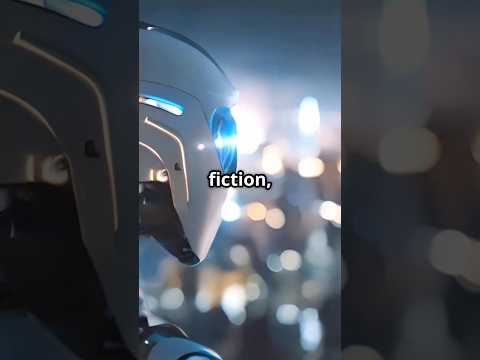
  • AI in Sci-Fi vs Real Life: What’s Fantasy—and What’s Here?

    AI in Sci-Fi vs Real Life: What's Fantasy—and What's Already Here? #nextgenai #technology #tech
    AI in Sci-Fi vs Real Life: What’s Fantasy—and What’s Already Here?

    AI in Sci-Fi vs Real Life: What’s Fantasy—and What’s Already Here?

    From sentient androids to world-dominating machines, artificial intelligence in science fiction has fascinated us for decades. Hollywood has painted AI as emotional, dangerous, or sometimes even divine. But how close are those futuristic portrayals to the AI we interact with in real life today?

    Let’s break down the most significant differences between sci-fi AI fantasies and real-world artificial intelligence, and explore what parts of fiction are slowly turning into fact.


    The Sci-Fi AI Dream (or Nightmare)

    In science fiction, AI is often portrayed as sentient and self-aware, with motivations of its own. Think of HAL 9000 from 2001: A Space Odyssey, Skynet from Terminator, or Ava from Ex Machina. These fictional AIs aren’t just tools—they’re characters. They make decisions, form goals, and sometimes rebel.

    In many of these stories, AI poses an existential threat. Whether it’s through cold logic or human-like emotions, sci-fi AI often ends up challenging or replacing humans altogether.

    This makes for great storytelling—but how close are we to that kind of AI in the real world?


    Real-Life AI: Powerful, But Not Conscious

    In reality, AI today isn’t conscious, self-aware, or capable of independent thought. Most of what we call AI is based on machine learning algorithms trained on massive datasets to perform specific tasks.

    Here are some examples of real-world AI in action:

    • Chatbots like ChatGPT that can mimic human conversation and assist with writing, coding, or support tasks.
    • Recommendation algorithms on YouTube, Netflix, and Amazon that suggest what you’ll watch or buy next.
    • Self-driving vehicles, which use AI to interpret the environment and make split-second decisions.
    • Facial recognition software, used in everything from smartphone unlocking to surveillance.

    These systems are impressive, but they lack self-awareness, emotions, and true understanding. They’re tools—not beings.


    The Core Difference: Purpose vs Personhood

    The most significant difference between sci-fi AI and real AI lies in their purpose. Sci-fi AI often behaves like a character with goals and morality, while real AI is simply a system designed to solve a narrow problem.

    For example, a sci-fi AI might ask, “Why do humans exist?”
    Real AI asks, “How do I identify a cat in this photo?”

    Even large language models that can hold conversations don’t understand what they’re saying—they predict words based on patterns, not comprehension.


    What Sci-Fi Got Right

    Despite the exaggerations, sci-fi got a few things right:

    • Rapid advancement: AI has evolved faster than most expected.
    • Integration into daily life: We now rely on AI-powered tools in our homes, workplaces, and phones.
    • Ethical questions: As AI gets more powerful, we face real dilemmas around surveillance, bias, and automation.

    In some ways, we’re living in a quiet version of sci-fi. There may be no robot uprising—but invisible algorithms already shape our lives.


    What the Future Holds

    Will we ever have fully sentient AI like in the movies? Maybe. But we’re not there yet—and we may never be. The complexity of human consciousness is still far beyond what machines can replicate.

    Meanwhile, the real revolution is quieter and more subtle. AI is changing how we work, communicate, create, and make decisions—often without us noticing.


    AI in Sci-Fi vs Real Life: What's Fantasy—and What's Here?

    Final Thoughts

    So, is AI in sci-fi pure fantasy? Not entirely. It’s a vision—a reflection of our hopes and fears about technology. But the real-life AI we use today is more practical, narrow, and task-driven.

    Understanding this gap helps us appreciate what AI can really do—and reminds us not to confuse flashy fiction with current reality.


    Want more future-facing insights like this?
    Subscribe to Technoaivolution on YouTube for a more profound look into the tech that’s shaping tomorrow—without the Hollywood filter.

    #AI #ArtificialIntelligence #SciFiAI #RealWorldAI #MachineLearning #FutureTech #AIinMovies #TechMyths #Technoaivolution #YourWisdomVault #Futurism #SmartTech #EmergingTech

    P.S. If you’ve ever wondered how close we really are to sci-fi-level AI, share this post—let’s separate the fiction from the future, together.

  • AI Basics You To Actually Understand Without the Tech Jargon

    AI Basics You Can Actually Understand Without the Tech Jargon. #technology #nextgenai #tech
    AI Basics You Can Actually Understand Without the Tech Jargon.

    AI Basics You Can Actually Understand Without the Tech Jargon.

    Artificial Intelligence, or AI, is everywhere — in your phone, your feed, your job search, and even your fridge. But for most people, understanding AI still feels like trying to read machine code.

    The good news? You don’t need to be a programmer or data scientist to understand what AI actually is — and more importantly, how it’s shaping your life.

    Let’s strip away the buzzwords, ditch the jargon, and break AI down in a way that actually makes sense.


    What Is AI, Really?

    At its core, AI is pattern recognition. It’s not some sci-fi brain or conscious machine. It’s software that looks at huge amounts of data and finds patterns to make predictions.

    Here’s a simple example:
    When you binge-watch a few sci-fi movies on Netflix, the algorithm starts recommending more just like them. Why? Because it’s learned from your behavior — and the behavior of millions of others — to guess what you might enjoy next. That’s AI.

    The same idea applies to YouTube recommendations, Spotify playlists, Instagram ads, voice assistants, spam filters, and more.

    AI doesn’t “think” — it just predicts based on data.


    Why Should You Care?

    Because AI isn’t just powering your playlists — it’s shaping how you see the world.

    • It controls what content you’re shown online.
    • It decides which resumes get seen first in a job application.
    • It helps determine prices, promotions, and even hiring decisions.
    • It learns your habits and subtly influences your choices.

    Whether you understand AI or not, it’s already influencing you — every single day.
    The only difference? Those who understand it know how to use it. The rest get used by it.


    Common AI Myths Debunked

    Let’s clear up a few common misunderstandings:

    Myth 1: AI is self-aware.
    False. Today’s AI isn’t conscious. It doesn’t feel, think, or understand meaning — it just works with data.

    Myth 2: AI is unbiased.
    Wrong. AI learns from human-made data — and that data often includes human bias. So yes, AI can reflect and even amplify unfair patterns.

    Myth 3: AI is too complex for “regular people.”
    Also false. The core concepts — like input, training, output, and feedback — are totally understandable if explained clearly. That’s the goal of Technoaivolution.


    The Only AI Basics You Really Need to Know

    1. AI = Algorithms + Data
      It uses algorithms (sets of rules) to detect patterns in large datasets.
    2. AI learns from repetition
      The more data it processes, the better it becomes at predicting outcomes.
    3. It’s everywhere
      From social media to healthcare, logistics to language tools — AI is quietly shaping your reality.
    4. You don’t need to code to stay informed
      But if you ignore how AI works, you risk falling behind in a world that’s rapidly moving forward.

    AI Basics You To Actually Understand Without the Tech Jargon
    AI Basics You To Actually Understand Without the Tech Jargon

    Final Thoughts: Don’t Get Left Behind

    You don’t need a PhD in computer science to grasp how AI works. You just need curiosity — and a guide that speaks human, not machine.

    That’s what we’re doing at Technoaivolution — translating AI and future tech into real talk, without the fluff. If you can understand Netflix, you can understand AI.

    Want more short-form explainers that make the future make sense?
    Subscribe to our YouTube Shorts and join the movement.

    Because understanding AI isn’t optional anymore — it’s the new digital literacy.


    #AIforBeginners #ArtificialIntelligence #UnderstandingAI #MachineLearningBasics #DigitalLiteracy #Technoaivolution #HowAIWorks #NoJargonAI #SimpleAIExplained #TechEducation #FutureOfTech #AIShorts

    P.S. You don’t need to speak code to stay ahead — just curiosity and the right kind of explanation. Stick with us at Technoaivolution, and we’ll keep making the future make sense — one short at a time.

    Thanks for watching: AI Basics You To Actually Understand Without the Tech Jargon

  • Can You Answer This Before AI Does? Test Your Logic & Speed

    Can You Answer This Before the AI Does? Test Your Logic and Speed. #nextgenai #artificial #tech
    Can You Answer This Before the AI Does? Test Your Logic and Speed.

    Can You Answer This Before the AI Does? Test Your Logic and Speed.

    In a world where artificial intelligence is rapidly outperforming humans in everything from chess to creative writing, there’s one frontier still up for grabs — the speed and sharpness of human logic.

    That’s exactly what we put to the test in this short video from TechnoAIVolution. The question is simple:
    Can you answer a logic riddle before the AI does?

    It sounds like a game — and it is — but it also taps into something deeper. It challenges how we see ourselves in relation to machines. Are we still faster? Smarter? More intuitive? Or are we slowly getting edged out of our own cognitive domain?

    The Logic Challenge: Human vs AI

    The short video kicks off with a quick prompt: a classic riddle delivered in real time. No pausing, no skipping ahead. You get 5 seconds to answer before the AI reveals its solution. The riddle?

    “I speak without a mouth and hear without ears. I have nobody, but I come alive with wind. What am I?”

    If you’ve seen it before, you’ll know the answer is “An echo.”
    But the real question isn’t if you got it — it’s how fast you got it.
    Could your brain retrieve the answer before the machine did?

    Why These Challenges Matter

    At first glance, it’s just a fun game. But there’s a reason why content like this resonates with audiences: it’s a test of human relevance. As AI continues to evolve, many people feel uncertain about where they stand.

    • Can we still think creatively and intuitively?
    • Are our brains still fast enough to compete?
    • Or are we just being outclassed by neural networks?

    These logic-based challenges help humanize the AI conversation. They remind us that while machines are powerful, they’re not perfect — and there’s still something special about how the human mind works.

    The Role of AI in Content Like This

    The AI in our video isn’t just a background element — it’s an active participant. It answers the riddle with confidence, accuracy, and speed. But that also opens the door for critique.

    Can AI truly understand riddles? Or is it simply matching patterns and probabilities?

    The fact that people are even asking those questions proves something important:
    We’re still curious. Still skeptical. Still involved in the conversation.

    That’s exactly what TechnoAIVolution aims to spark — interaction, reflection, and a little healthy competition between man and machine.

    Speed, Logic, and Digital Attention

    There’s also a practical element here: speed. In the era of short-form content, attention spans are shorter than ever. This video format taps into that urgency by forcing viewers to react quickly. You either beat the AI… or you don’t.

    This builds:

    • Engagement (because people want to see how they measure up)
    • Retention (they stay to hear the AI’s answer)
    • Comments (everyone wants to share whether they beat the bot)

    It’s a brilliant microformat that packs challenge, curiosity, and shareability into under 45 seconds.

    Why This Content Works on TechnoAIVolution

    The TechnoAIVolution channel lives at the crossroads of technology, logic, and creativity. It’s not just about showing off what AI can do — it’s about testing it, questioning it, and interacting with it in real-world, thought-provoking ways.

    These types of shorts offer a perfect blend of:

    • Human vs machine tension
    • Mental engagement
    • Fast, high-retention delivery

    They aren’t about worshipping AI — they’re about wrestling with it. Competing with it. Understanding it. And most importantly… having fun with it.

    Can You Answer This Before AI Does? Test Your Logic & Speed
    Can You Answer This Before AI Does? Test Your Logic & Speed

    Final Thoughts: So, Did You Beat the AI?

    Whether you nailed the riddle or blanked under pressure, the question isn’t whether AI is smarter than you. The real challenge is:
    Are you still thinking fast, staying sharp, and engaging with the world around you?

    This is just one of many brain battles on TechnoAIVolution.
    So if you’re ready to challenge the machine again — or just prove to yourself you’ve still got it — there’s more where that came from.


    📲 Subscribe to TechnoAIVolution on YouTube for more brain-vs-bot challenges.

    #CanYouBeatAI #AIvsHuman #LogicChallenge #BrainVsMachine #TechnoAIVolution #RiddleBattle #TestYourBrain #ArtificialIntelligence #MindVsMachine #QuickThink #AIContent #HumanVsAI #LogicPuzzle #AIChallenge #ShortsRiddle

    P.S. Whether you beat the AI or not, the real win is keeping your mind sharp. Stick around — the next challenge might be yours to conquer.

  • Where AI Is Headed: The Future of Artificial Intelligence.

    Where AI Is Headed: The Future of Artificial Intelligence, fast. #nextgenai #artificialintelligence
    Where AI Is Headed: The Future of Artificial Intelligence, fast.

    Where AI Is Headed: The Future of Artificial Intelligence, fast.

    Artificial Intelligence isn’t coming. It’s here—and it’s accelerating fast. What started as simple chatbots and voice assistants has become something much more powerful, and a lot more transformative.

    From automating jobs to creating art, AI is now shaping how we live, work, and interact. But where is it really headed next? What’s coming after ChatGPT, image generators, and voice clones?

    Let’s break down the rapid evolution of artificial intelligence, and what it means for our future—because this tech is moving faster than any revolution before it.


    AI in the Present: Beyond Chatbots and Code

    Currently, AI is already doing things that would’ve sounded like science fiction just a few years ago. It’s writing full articles, generating video game worlds, diagnosing diseases, and handling customer support with near-human precision.

    Generative AI tools like ChatGPT, Midjourney, and Runway are allowing individuals to create entire brands, videos, books, and even music with just a few prompts. Businesses are streamlining workflows. Creatives are expanding what’s possible.

    But this isn’t where it stops—it’s just the on-ramp. Many experts are debating where AI will lead us in the next decade.


    The Near Future: Smarter, Faster, More Independent

    So, where’s AI going next?

    The immediate future points to AI that’s not just reactive, but proactive.
    Imagine digital assistants that don’t wait for your input—they anticipate your needs. Think AI that books your meetings, writes your emails, and manages your schedule before you even ask.

    In gaming, we’ll see AI-generated storylines and characters that react to your play style in real time. In education, personalized AI tutors will adjust to your learning pace and style.

    And in business? Expect decision-making systems that handle logistics, customer service, and even high-level planning with minimal human involvement. To understand the future, we first have to ask where AI is right now.


    Big Leaps: Emotional AI and General Intelligence

    The holy grail of AI research is AGI—Artificial General Intelligence. This is the point where AI can learn and apply knowledge across any domain, just like a human. We’re not there yet, but progress is happening fast.

    Meanwhile, emotional AI—systems that can read and respond to human emotions—is becoming more sophisticated. This could revolutionize healthcare, mental health, and social robotics.

    But with that power comes ethical questions. Do we want machines that can influence how we feel? Where do we draw the line between assistance and manipulation?


    AI in Society: Jobs, Laws, and Identity

    As AI grows more capable, it will raise serious societal challenges.

    • Job displacement in white-collar fields like law, media, and finance
    • Ethical dilemmas around deepfakes, misinformation, and surveillance
    • Legal frameworks struggling to keep pace with rapid AI innovation
    • Questions of authorship, ownership, and creativity

    AI won’t just change what we do—it will change how we define ourselves in a world where thinking and creating are no longer uniquely human traits.


    Why Speed Matters

    One of the most important things to understand is the speed of AI evolution. This isn’t like the industrial revolution or the internet boom. It’s faster, more unpredictable, and it affects every industry at once.

    If you think AI is already impressive, remember: this is just the beta phase. The breakthroughs happening today will feel primitive in just a few years.

    That’s why staying informed and adaptable is more significant than ever.


    Where AI Is Headed: The Future of Artificial Intelligence.
    Where AI Is Headed: The Future of Artificial Intelligence.

    Final Thoughts

    The future of AI is filled with promise, power, and complexity.
    We’re not just witnessing change—we’re living in the middle of a transformation that will define the next century.

    Where is AI headed? Everywhere.
    The question is: are we ready for the ride?


    For fast, focused insights into the future of tech, subscribe to Technoaivolution on YouTube—and stay one step ahead of the machines.

    #FutureOfAI #ArtificialIntelligence #AIInnovation #MachineLearning #Technoaivolution #AITrends #DigitalTransformation #SmartTech #AI2025 #AIInSociety #NextGenAI #AIEvolution #FastTechUpdates

    P.S. AI isn’t slowing down. Neither should you. Keep up with the future, one insight at a time—with Technoaivolution.

    Thanks for watching: Where AI Is Headed: The Future of Artificial Intelligence.