Category: YourWisdomVault

Welcome to YourWisdomVault – a curated space for timeless insights, bite-sized life lessons, and practical knowledge worth keeping. From mindset shifts to productivity hacks, this vault stores the gems that help you think deeper, grow smarter, and live better. Whether it’s wisdom from tech, philosophy, or personal growth—you’ll find it here.

  • You Can’t Take Them With You — Death Reminds Us What’s Ours.

    You Can’t Take Them With You—Death Reminds Us What’s Ours, What Matters, and What to Let Go Of.
    You Can’t Take Them With You — Death Reminds Us What’s Ours.

    You Can’t Take Them With You — Death Reminds Us What’s Ours.

    We live our lives surrounded by things: goals, roles, identities, possessions, digital footprints. But at the end of it all, there’s one undeniable truth — you can’t take them with you. Death, uncomfortable as it may be, has a strange way of cutting through the noise. It clarifies.

    In the Buddhist tradition, death is not a taboo — it’s a teacher. It’s a daily meditation, not a final surprise. Reflecting on impermanence (anicca) and the absence of a fixed self (anatta) helps us see that most of what we identify with… isn’t really ours. Not in the way we think.

    The Illusion of Ownership

    We spend decades building resumes, collecting titles, stacking achievements. But when the body gives out, none of that comes with us. Not the job title. Not the trophies. Not even the name on the door.

    We also cling to relationships, narratives, grudges — as if our holding them somehow secures meaning. But Buddhist wisdom suggests otherwise. These attachments are not the self. They are conditioned, temporary, and ever-changing.

    Death reminds us: what we cling to most tightly is often the most fragile.

    So What Is Ours?

    That’s the uncomfortable — and liberating — question.

    When everything external is stripped away, what’s left?

    • Your house? Gone.
    • Your social media legacy? Fades faster than you think.
    • Your identity? Just a set of conditioned responses and beliefs.

    What remains, then, is awareness.
    Not in a mystical sense, but in the very real sense of how you lived your moments.
    Were you kind when it was inconvenient?
    Did you pause before reacting?
    Did you bring presence into the room, or did you just fill space?

    This is the heart of mindful living. It’s not about being serene or perfect — it’s about being awake to the temporary nature of all things, and letting that awareness inform how we live now.

    Why This Isn’t a Sad Message

    It might sound morbid at first — all this talk of death and impermanence. But in Buddhist philosophy, this is actually a doorway to joy. When we stop gripping so tightly to what’s slipping through our fingers anyway, we’re free to appreciate it. Genuinely. Fully.

    You stop trying to own the moment and start participating in it.

    You stop trying to preserve your legacy and start living your truth.

    When death is kept close — not in fear, but in respect — it keeps our priorities honest. It keeps our hearts soft.

    Practical Reflection: Ask Yourself

    • What am I spending energy on that won’t matter in the end?
    • What am I holding that death would ask me to release?
    • How would I act differently today if I remembered that nothing is mine forever?

    These aren’t abstract questions. They’re mirrors. And sometimes, all it takes is 45 seconds of real reflection to shift an entire week of autopilot.

    You Can’t Take Them With You — Death Reminds Us What’s Ours.
    You Can’t Take Them With You — Death Reminds Us What’s Ours.

    You Can’t Take Them With You — And That’s Okay

    This isn’t a tragedy. It’s clarity.

    Death doesn’t strip us of what’s real — it strips us of illusion. And in doing so, it shows us the one thing we actually have: how we meet each moment.

    So no, you can’t take them with you. But maybe you were never supposed to. Maybe that’s not the point.


    If this reflection resonated with you, check out our YourWisdomVault video short on YouTube on this very topic—and don’t forget to subscribe for more bite-sized teachings rooted in timeless wisdom.

    If death feels like a heavy teacher, that’s because it doesn’t waste words. Sometimes, the most freeing truth is the one that asks you to release what was never yours to hold.

    #BuddhistWisdom #Impermanence #MementoMori #MindfulLiving #NonAttachment #DeathAwareness #EgoDeath #SpiritualReflection #MinimalistMindset #ConsciousLiving #YouCantTakeItWithYou #Anicca #Anatta #YourWisdomVault #LifeAndDeath #LettingGo #AwarenessPractice
  • The Cost of Holding On to What’s Already Gone.

    The Cost of Holding On to What’s Already Gone and the Freedom That Comes with Letting Go.
    The Cost of Holding On to What’s Already Gone.

    The Cost of Holding On to What’s Already Gone.

    Why Clinging Hurts More Than We Realize

    In Buddhist philosophy, one of the core teachings is this: attachment is the root of suffering. This doesn’t just apply to material possessions—it includes emotions, relationships, identities, and even memories. And yet, many of us continue to suffer not because something or someone has left our lives—but because we keep clinging to what’s already gone.

    This subtle form of self-inflicted pain often goes unnoticed. We wonder why we’re still hurting, why peace feels distant, or why we feel stuck. More often than not, the answer lies in our unwillingness to accept impermanence.

    What Are We Really Holding On To?

    Maybe it’s a past relationship, a dream that didn’t unfold, or a version of ourselves that no longer exists. We keep replaying moments in our minds, hoping we could’ve changed the outcome. We scroll through old messages, revisit old photos, or silently compare the present to a romanticized past.

    But here’s the truth: what you’re holding onto no longer exists in the present moment. You’re clinging to a ghost—and like all ghosts, it haunts rather than heals.

    In Buddhism, this is known as upādāna, or clinging. It’s the act of mentally gripping something in the hope that it will bring us happiness or prevent suffering. Ironically, it does the opposite. Clinging binds us to the very pain we’re trying to avoid.

    The Hidden Cost of Clinging

    Clinging might feel natural—it even feels comforting at times—but it comes at a high cost.
    Emotionally, it drains us.
    Spiritually, it traps us.
    Energetically, it keeps us anchored in a place we’re meant to move beyond.

    We can’t evolve while tightly holding onto a past version of reality. Healing begins the moment we loosen our grip. Not because we’re trying to forget, but because we’re choosing to move forward without dragging the weight of yesterday behind us.

    The cost of holding on isn’t just suffering—it’s the opportunity cost of peace. The longer we resist impermanence, the longer we delay freedom.

    Buddhist Wisdom on Impermanence

    The Buddha taught that everything conditioned is impermanent. People change, seasons end, and even pain eventually fades—if we allow it to. The only constant is change itself.

    This isn’t a pessimistic view. On the contrary, it’s liberating. If we understand impermanence deeply, we stop trying to grip what cannot be held. We learn to meet life as it is—not as we wish it would stay.

    This shift—from resistance to awareness—is the essence of mindfulness. And through mindfulness, we begin to see clinging not as a necessity, but as a habit we can unlearn.

    So What Can We Do?

    If you’re reading this and something comes to mind—a name, a place, a moment—it’s okay. We’ve all clung to the past in some form. This path isn’t about judgment. It’s about compassion, awareness, and choice.

    Here are a few reflections that might help:

    • What am I holding onto that no longer exists?
    • What is this clinging costing me—emotionally, mentally, spiritually?
    • What would it feel like to honor the past without living in it?

    Awareness is the first release. The rest unfolds from there.


    The Cost of Holding On to What’s Already Gone.
    The Cost of Holding On to What’s Already Gone.

    Final Thoughts
    Letting go doesn’t mean forgetting. It means choosing not to suffer.
    The cost of holding on is steep—but the freedom on the other side is priceless.

    If this teaching resonates with you, consider subscribing to YourWisdomVault on YouTube for more bite-sized Buddhist insights. Sometimes, it only takes one mindful moment to change the direction of our lives.

    P.S. If this reflection spoke to you, take a moment to consider the true cost of holding on. Sometimes awareness is all it takes to begin releasing.

    #Buddhism #Mindfulness #NonAttachment #EmotionalHealing #SpiritualGrowth #InnerPeace #CostOfHoldingOn #DharmaWisdom #HealingJourney #LettingGo #SelfAwareness #Impermanence #BuddhistTeachings #PersonalGrowth #YourWisdomVault

  • Holding Life Lightly: A Buddhist Way to Handle Struggle

    Holding Life Lightly: A Buddhist Way to Handle Self and Struggle with Grace and Understanding.
    Holding Life Lightly: A Buddhist Way to Handle Self and Struggle.

    Holding Life Lightly: A Buddhist Way to Handle Self and Struggle.

    In a world that encourages us to grip tightly—to our goals, our image, our opinions—Buddhist wisdom offers a radical alternative: hold everything lightly. It sounds simple, even passive. But it’s one of the most powerful inner skills you can develop.

    At the heart of this practice is the concept of non-attachment, a central teaching in Buddhism. Contrary to common misunderstanding, non-attachment isn’t indifference or avoidance. It’s not about becoming cold or distant. Instead, it’s a state of clear presence—a willingness to experience life fully, without being consumed by it.

    Why We Hold So Tightly

    Most of us hold on tightly because we’re afraid. We grip our identities—our sense of who we are—because we fear becoming lost or meaningless without them. We cling to outcomes, relationships, routines, and even our pain because they provide a false sense of control.

    This tightness shows up in thoughts like:

    • “If I stop pushing, everything will fall apart.”
    • “If I let go, I’ll lose who I am.”
    • “I need to fix this before I can feel okay.”

    But clinging only increases suffering. It makes us brittle in a world that’s constantly changing.

    The Power of Holding Life Lightly

    To hold life lightly means to soften your grip. It means to allow space between stimulus and response. It’s the difference between being hit by a wave and drowning in it. You still feel, but you don’t fuse with every emotion. You still care, but you’re not controlled by every thought.

    Buddhist teacher Thich Nhat Hanh once said, “Letting go gives us freedom, and freedom is the only condition for happiness.” This freedom arises not from abandoning life, but from approaching it with gentle awareness.

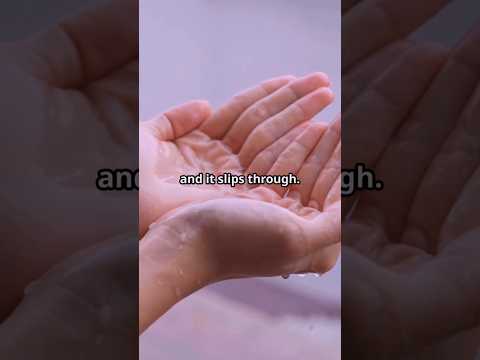
    Imagine holding water in your hand. Squeeze tightly, and it slips through. Hold it gently, and it stays. This is the essence of the Buddhist path—mindful living through non-grasping.

    Identity as a Process, Not a Prison

    One area where holding lightly makes a profound difference is in how we see ourselves. In the West, we often build identity like a monument—solid, fixed, and deeply defended. But Buddhism sees the self as fluid, more like a river than a statue.

    This shift allows us to stop taking ourselves so seriously. We become more open to growth, more forgiving of mistakes, and less reactive when our ego is challenged. We begin to ask: “What if I’m not this thought, not this mood, not this story?”

    In doing so, we unlock the capacity for emotional resilience, because we’re no longer at war with what arises. We simply notice, breathe, and let it pass.

    Practicing Holding Lightly

    So how can you begin?

    1. Pause Before Reacting: When emotion arises, take one conscious breath before responding. This creates space.
    2. Observe Your Thoughts: Practice seeing thoughts as clouds passing through the sky of your mind. Not facts, not truths—just mental weather.
    3. Soften the Narrative: Instead of saying “I am anxious,” try “Anxiety is here.” This subtle shift reduces identification.
    4. Release Outcome Obsession: Do the best you can, but stay flexible with how things unfold.
    5. Practice Mindful Presence: In everyday tasks, bring your full attention to the moment—not to control it, but to experience it.
    Holding Life Lightly: A Buddhist Way to Handle Self and Struggle.
    Holding Life Lightly: A Buddhist Way to Handle Self and Struggle.

    Letting Peace In

    The more you practice holding life lightly, the more you begin to feel a natural sense of inner peace. Not because life gets easier, but because your relationship to it changes. You stop wrestling with what is. You stop needing certainty to feel secure.

    This is not escape. It’s courage. It’s strength. It’s a way of walking through the world that is rooted, aware, and free.


    Ready to go deeper? Explore more reflections on Buddhist teachings, mindful living, and the art of emotional freedom in our upcoming posts.

    P.S. If this reflection helped you breathe a little easier today, consider subscribing to YourWisdomVault on YouTube to receive more insights on Buddhist wisdom, mindful living, and emotional clarity—delivered with calm, not clutter.

    #MindfulLiving #BuddhistWisdom #NonAttachment #InnerPeace #EmotionalResilience #LetGoOfControl #GentleAwareness #SpiritualGrowth #SelfAwareness #PresentMoment

    Thanks for watching: Holding Life Lightly: A Buddhist Way to Handle Self and Struggle.

  • When Love Isn’t Love: The Buddhist Truth About Attachment.

    When Love Isn’t Love: The Buddhist Truth About Attachment, Desire, and Finding Real Freedom.
    When Love Isn’t Love: The Buddhist Truth About Attachment.

    When Love Isn’t Love: The Buddhist Truth About Attachment.

    Most of us have mistaken attachment for love at some point. It feels like devotion, intensity, and passion. But often, beneath the surface, there’s fear, control, and the deep craving not to lose someone. That’s not love—it’s attachment. And according to Buddhist wisdom, confusing the two is one of the root causes of suffering.

    In Buddhism, true love is defined very differently from how pop culture or romantic movies portray it. Love, in its purest form, is expansive, liberating, and selfless. It wishes happiness for the other person—even if that happiness doesn’t include us. Attachment, on the other hand, is rooted in clinging. It says, “I need you to be mine so I can feel whole.”

    This subtle difference is life-changing once we recognize it.


    Attachment: The Craving That Disguises Itself as Love

    In Buddhist teachings, attachment (taṇhā) is one of the main sources of dukkha, or suffering. It arises from the illusion that we are incomplete, and that another person, possession, or experience can complete us. When we cling to someone out of this belief, we are no longer loving—they have become a means to an end.

    Attachment often brings anxiety, jealousy, and fear of abandonment. It’s not about the other person’s joy—it’s about keeping our emotional security intact. It’s love that turns inward and possessive.

    You might ask, “But if I care deeply, how can I not be attached?” The answer lies not in detachment, but in non-clinging. You can love fully and still allow space. You can hold someone in your heart without holding them in a cage.


    What Does True Love Look Like in Buddhism?

    According to Buddhist philosophy, true love is built on the Four Immeasurables:

    1. Loving-kindness (Metta) – The sincere wish for all beings to be happy.
    2. Compassion (Karuna) – The desire to ease others’ suffering.
    3. Sympathetic joy (Mudita) – Genuine happiness for others’ success and well-being.
    4. Equanimity (Upekkha) – The ability to love without attachment, bias, or expectation.

    These qualities create a kind of love that doesn’t hurt. It doesn’t seek to possess, control, or depend on conditions. It simply flows.


    Love Without Chains: Practicing Non-Attachment

    Letting go of attachment doesn’t mean becoming cold or disconnected. It means shifting from grasping to allowing. When we release the need to control outcomes, we open ourselves to deeper connection—not less.

    Here are a few ways to practice love without attachment:

    • Self-inquiry: Ask yourself honestly, “Am I loving them, or am I afraid to lose them?”
    • Mindfulness: Stay present with your emotions, noticing where you cling or contract.
    • Meditation: Practices like Metta Bhavana (loving-kindness meditation) help soften the heart and build unconditional love.
    • Non-possessiveness: Let people be who they are. Love them in their freedom, not your fear.

    From Craving to Clarity

    The Buddha didn’t condemn love—he clarified what hurts about our way of loving. It’s not love that brings suffering; it’s the grasping, the craving, the need for permanence in a world that constantly changes.

    When we learn to tell the difference between attachment vs. love, we begin to heal. We stop building emotional prisons. We start cultivating peace.

    When Love Isn’t Love: The Buddhist Truth About Attachment.
    When Love Isn’t Love: The Buddhist Truth About Attachment.

    Final Thoughts

    So, the next time you feel that emotional pull toward someone, pause and reflect:
    Is this love, or is this attachment?
    Is it freeing—or is it rooted in fear?

    Recognizing the difference is not just a path to better relationships. It’s a path to freedom.


    🧘‍♂️ Want more clarity on love, attachment, and Buddhist wisdom?
    Subscribe to YourWisdomVault on YouTube for weekly insights into the mind, the heart, and the human experience.

    P.S. If this post helped you see love more clearly, consider sharing it with someone who might be mistaking attachment for connection. A little clarity can change a life. 💛

    #BuddhistWisdom #AttachmentVsLove #MindfulRelationships #TrueLove #NonAttachment #EmotionalClarity #BuddhistTeachings #LettingGo #SpiritualGrowth #YourWisdomVault