
Blog

  • How Stoics Grow Stronger Through Struggles – The Mindset

    How Stoics Grow Stronger Through Struggles—The Antifragile Mindset.
    How Stoics Grow Stronger Through Struggles – The Antifragile Mindset

    How Stoics Grow Stronger Through Struggles – The Antifragile Mindset

    Struggle is not something we’re taught to welcome. In fact, we’re often conditioned to avoid discomfort, to pursue ease, and to escape adversity whenever possible. But the Stoics—those ancient philosophers like Marcus Aurelius, Epictetus, and Seneca—saw things differently. For them, challenges were not interruptions to life; they were life. They believed that adversity was not only inevitable but essential for building character, wisdom, and inner strength. The Stoics believed that every challenge is a chance to grow stronger.

    This idea closely aligns with a modern concept known as antifragility, coined by author and thinker Nassim Nicholas Taleb. While many things in life are fragile (breaking under stress) or resilient (enduring stress), antifragile systems actually improve because of stress and disorder. And the Stoic mindset fits perfectly into this frame.

    What Does It Mean to Be Antifragile?

    Being antifragile means that you don’t just survive adversity—you grow from it. You gain strength, clarity, and emotional resilience. Just like your muscles tear and rebuild after a workout, your mindset can become more powerful when it’s pushed outside of its comfort zone.

    Marcus Aurelius, the Roman emperor and a central figure in Stoic philosophy, famously wrote in his Meditations:

    “The impediment to action advances action. What stands in the way becomes the way.”

    This is antifragility in action. Obstacles are not to be resented—they are opportunities. In every moment of pain, pressure, or setback lies the chance to practice virtue: patience, courage, wisdom, and discipline.

    Stoicism: Strength Through Struggle

    At the heart of Stoicism is the belief that we don’t control external events—but we always control how we respond. When life presents challenges, the Stoic doesn’t complain or collapse. Instead, they ask, “What does this moment demand of me? How can I grow through this?”

    This isn’t toxic positivity. Stoicism doesn’t deny pain. It simply reframes it. Instead of seeing hardship as harmful, the Stoic sees it as a training ground for virtue. Pain becomes purpose. Discomfort becomes development.

    For example, Epictetus, who was born into slavery and lived with a physical disability, taught that our true power lies not in what happens to us, but in how we interpret and respond to those events. That mindset is pure antifragility.

    The Modern Relevance of Ancient Wisdom

    In today’s world of instant gratification and curated ease, this Stoic approach may seem radical. But it’s more relevant than ever. Life is unpredictable. Careers collapse, relationships end, economies shift, and health can fade without warning. Building a mindset that welcomes challenge—not just endures it—is a superpower.

    When you start embracing the Stoic principle that “the obstacle is the way,” you’re no longer a victim of life’s chaos. You’re a participant, a builder, a learner. That mindset leads to mental toughness, emotional balance, and long-term growth.

    Practical Steps to Cultivate Antifragility

    Want to apply the Stoic-antifragile mindset in your own life? Start here:

    1. Practice Voluntary Discomfort – Occasionally deny yourself comfort (cold showers, fasting, digital detoxes) to build inner discipline.
    2. Reflect Daily – Use journaling to ask: “What challenge did I face today, and how did I grow from it?”
    3. Reframe Setbacks – Train your mind to see problems as practice. Every failure is feedback.
    4. Study the Stoics – Read Meditations by Marcus Aurelius or The Discourses by Epictetus to stay rooted in timeless principles.
    5. Take Action – Courage is built through movement. Choose action, even when it’s uncomfortable.
    How Stoics Grow Stronger Through Struggles – The Mindset
    How Stoics Grow Stronger Through Struggles – The Mindset

    Final Thought

    Life will test you. But what if that’s a good thing? What if every challenge is nature’s way of shaping a stronger, wiser, and more grounded version of you?

    That’s the Stoic way. That’s the power of the antifragile mindset.

    🔔 Subscribe to YourWisdomVault on YouTube for timeless insights on life, mind, and meaning.

    #Stoicism #Antifragile #StoicWisdom #MarcusAurelius #Epictetus #Resilience #MindsetMatters #GrowthMindset #PhilosophyOfLife #OvercomeAdversity #SelfDiscipline #MentalToughness #DailyStoic #ModernStoicism #LifeLessons #YourWisdomVault

    PS:
    Every struggle has a seed of strength buried in it. Keep digging — you’re building something unshakable. 👊 Struggles aren’t setbacks; they’re stepping stones to a stronger mind.

    Thanks for watching: How Stoics Grow Stronger Through Struggles – The Mindset
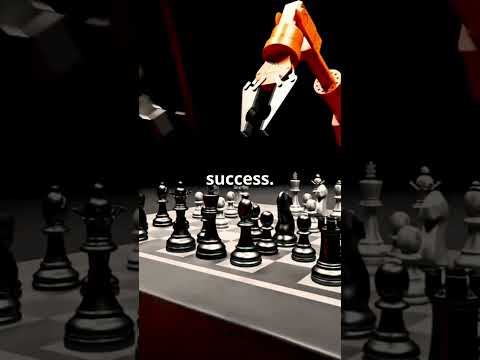
  • What Is Reinforcement Learning? AI Trial-and-Error Explained

    What Is Reinforcement Learning? AI's Trial-and-Error Superpower Explained #technology #nextgenai
    What Is Reinforcement Learning? AI’s Trial-and-Error Superpower Explained

    What Is Reinforcement Learning? AI’s Trial-and-Error Superpower Explained.

    Artificial Intelligence is changing how we live, work, and think—but have you ever wondered how AI actually learns? One of the most powerful learning methods used in modern AI is called Reinforcement Learning (RL). It’s a system of trial and error that allows machines to teach themselves, adapt, and improve over time.

    Unlike traditional programming, where rules are hard-coded, reinforcement learning enables AI to discover the best actions by interacting with its environment—just like humans do. This technique is now powering everything from self-driving cars and game-playing bots to smart robotics and decision-making algorithms.

    Let’s explore what reinforcement learning is, how it works, and why it’s a game-changer in the world of machine learning and artificial intelligence.


    What Is Reinforcement Learning?

    Reinforcement Learning is a type of machine learning where an AI agent learns by taking actions and receiving feedback in the form of rewards or penalties. The idea is simple but powerful: the AI explores different strategies, keeps what works, and avoids what doesn’t—just like a human learning through experience.

    The agent’s goal? Maximize long-term reward by finding the most efficient actions.

    This approach is inspired by behavioral psychology and has major applications in robotics, gaming, finance, healthcare, and autonomous systems.


    How Does It Work?

    At its core, reinforcement learning consists of four main components:

    1. Agent – The AI that makes decisions.
    2. Environment – The world the agent interacts with.
    3. Actions – The choices the agent can make.
    4. Rewards – Feedback that tells the agent how good or bad an action was.

    Here’s how the process works:

    • The agent observes the environment.
    • It takes an action.
    • It receives a reward or penalty.
    • It updates its strategy based on that feedback.
    • It repeats this cycle, gradually learning an optimal policy—a map of the best actions to take in any situation.

    Over time, the AI learns from both success and failure. This makes reinforcement learning uniquely powerful in dynamic, unpredictable environments.


    Real-World Examples of Reinforcement Learning

    Reinforcement learning isn’t just a theory—it’s already being used in some of today’s most impressive AI systems:

    🕹️ Game-Playing AI

    AI agents like DeepMind’s AlphaGo and OpenAI’s Dota bots use reinforcement learning to master complex games—often defeating human champions. These systems learn through millions of simulations, constantly adjusting strategies to find what works best.

    🚗 Self-Driving Cars

    Autonomous vehicles rely on reinforcement learning to navigate roads, avoid obstacles, and make split-second driving decisions. The car improves its driving by receiving feedback on its performance in real-time.

    🤖 Robotics

    Robots trained with RL can learn how to walk, grasp objects, and perform delicate tasks. They continuously refine their movements based on results, building real-world capability through simulated or physical practice.

    📈 Smart Decision-Making

    In finance and resource management, reinforcement learning helps systems make better investment decisions, manage supply chains, or optimize energy use—based on long-term outcomes rather than short-term gain.


    Why Is Reinforcement Learning So Important?

    The power of reinforcement learning lies in its flexibility. Unlike supervised learning, which requires large, labeled datasets, RL agents learn through experience. That means they can adapt in real time, make intelligent decisions in new situations, and operate independently in complex systems.

    This makes reinforcement learning ideal for:

    • Autonomous AI systems
    • Adaptive control mechanisms
    • Personalized user experiences
    • Problem-solving in uncertain environments

    It’s not about memorizing rules—it’s about learning how to succeed in the face of the unknown.

    What Is Reinforcement Learning? AI Trial-and-Error Explained
    What Is Reinforcement Learning? AI Trial-and-Error Explained

    Final Thought

    Reinforcement learning is more than just a technique—it’s the core of how AI learns to think, adapt, and improve. By mimicking how humans learn through trial and error, it brings machines closer to true autonomy and intelligence.

    As this field evolves, we’ll continue to see smarter systems in everything from robots to smart assistants—each powered by a process of learning, reward, and real-world experience.


    P.S. Curious how this works in action?
    👉 Watch our YouTube Short “What Is Reinforcement Learning?” for a 45-second breakdown of AI’s trial-and-error superpower—perfect for tech lovers on the go.
    Don’t forget to like, subscribe, and join Technoaivolution on YouTube for more fast, fascinating AI insights.


    #ReinforcementLearning #AIExplained #MachineLearning #ArtificialIntelligence #TrialAndError #SelfLearningAI #HowAIWorks #DeepLearning #SmartAI #Technoaivolution #AITraining #RoboticsAI #AutonomousSystems #GameAI #FutureTech

    Thanks for watching: What Is Reinforcement Learning? AI Trial-and-Error Explained

  • How Stoics Face Unfair Times: Seneca’s Timeless Wisdom

    How Stoics Face Unfair Times — Seneca’s Timeless Wisdom for Patience, Strength, and Clarity.
    How Stoics Face Unfair Times: Seneca’s Timeless Wisdom for Inner Strength

    How Stoics Face Unfair Times: Seneca’s Timeless Wisdom for Inner Strength

    Life isn’t always fair.
    You work hard, stay honest, and still get overlooked. Plans fall apart. People betray. The world disappoints. It’s easy to feel defeated when things don’t go your way. But instead of drowning in frustration or self-pity, what if you could meet life’s unfairness with calm, clarity, and strength?

    That’s exactly what the Stoics, and especially Seneca, taught.

    What Is Stoicism?

    Stoicism is an ancient philosophy that teaches us to focus on what we can control and accept what we cannot. It’s not about being emotionless—it’s about developing emotional resilience, mental clarity, and inner peace despite chaos or injustice.

    Stoics believed that external events are not within our control, but our reactions always are. When life feels unfair, the Stoic doesn’t ask “Why me?” but instead asks “What now?”


    Seneca’s View on Injustice and Unfairness

    Stoicism teaches us how to remain grounded during unfair times. Seneca, a Roman philosopher and statesman, faced incredible adversity in his lifetime—including exile and political betrayal. Yet, his writings remain calm, focused, and rooted in strength. One of his most quoted lines is:

    “We suffer more in imagination than in reality.”

    This powerful insight reminds us that our emotional suffering often comes from how we think about events—not from the events themselves.

    When something unfair happens, our minds spiral: “This shouldn’t have happened.” “Why do bad things always happen to me?” “It’s not right!”
    Seneca would argue that these thoughts are the true source of suffering—not the event itself. Seneca’s letters often reflect on how to endure unfair times with grace.


    How Stoics Deal with Unfairness

    1. They Focus on What’s in Their Control

    You can’t control other people’s actions, random outcomes, or what life throws at you. But you can control your response. That’s where your real power lies.

    Instead of resisting what’s happened, Stoics choose to act wisely within the circumstances they’re given. They don’t waste energy on blame—they invest it in response.

    2. They Accept Reality Without Complaining

    Seneca believed that resistance to reality causes emotional pain. Acceptance isn’t weakness—it’s courage. It’s not about liking what’s happening; it’s about choosing not to be broken by it.

    When life feels unfair, Stoics don’t collapse. They stand up, assess, and move forward. Unfair times challenge us, but they also reveal our true character.

    3. They Turn Obstacles into Opportunities

    In Stoicism, adversity is fuel. As Marcus Aurelius wrote:

    “The obstacle is the way.”

    For Seneca, every injustice or setback was a chance to sharpen character—to build strength, patience, and discipline. Life doesn’t have to be fair for you to grow stronger from it.


    Modern Takeaways from Seneca’s Wisdom

    Seneca’s advice is more relevant than ever. In a world full of uncertainty and chaos, developing a Stoic mindset is like building an inner fortress. You may not stop the storm—but you can learn to stay grounded within it.

    The next time you feel wronged, overlooked, or hurt by the world’s unfairness, pause. Ask yourself:

    • Is this within my control?
    • What would a Stoic do right now?
    • How can I grow from this?

    You might not be able to change the situation—but you can choose your mindset. And that’s where true power lives.

    How Stoics Face Unfair Times: Seneca’s Timeless Wisdom
    How Stoics Face Unfair Times: Seneca’s Timeless Wisdom

    Final Thought

    Life will never be perfectly fair. But as Seneca shows us, we don’t need fairness to find peace. We only need perspective, courage, and the will to focus on what truly matters.

    So next time life hits hard—don’t complain. Respond. Reflect. Rise.


    P.S. Want to see this idea in action?
    👉 Watch our YouTube Short “How Stoics Face Unfair Times” for a powerful 45-second boost of ancient wisdom, and don’t forget to like, subscribe, and explore more timeless truths from YourWisdomVault on YouTube.


    #Stoicism #Seneca #LifeFeelsUnfair #StoicWisdom #InnerStrength #EmotionalResilience #MindsetShift #ModernStoic #AncientWisdom #PhilosophyForLife #YourWisdomVault #MentalClarity #OvercomingAdversity #SelfDiscipline

  • Handle Pain Like a True Stoic – Master Emotional Resilience

    Handle Pain Like a True Stoic | Master Emotional Resilience & Strength!
    How to Handle Pain Like a True Stoic: Building Emotional Resilience and Inner Strength!

    How to Handle Pain Like a True Stoic: Building Emotional Resilience and Inner Strength!

    To handle pain like a Stoic means facing it without letting it define you. Pain is one of life’s unavoidable experiences. Whether it’s emotional distress, physical discomfort, or psychological struggle, everyone faces it. But how we respond to pain defines our character—and that’s where Stoic philosophy offers profound, timeless wisdom.

    The ancient Stoics, led by great thinkers like Marcus Aurelius, Epictetus, and Seneca, didn’t see pain as an enemy to be feared or avoided. Instead, they taught that pain is an opportunity—a test of inner strength, mental discipline, and emotional resilience.

    In this post, we’ll explore how to handle pain like a true Stoic and develop the kind of strength that doesn’t crumble when life gets tough.


    What is Stoicism?

    Stoicism is a school of philosophy that originated in ancient Greece and was later adopted by Roman thinkers. At its core, Stoicism teaches us to distinguish between what we can control and what we cannot. According to Stoics, suffering often comes not from pain itself, but from our judgment of it.

    A central Stoic principle is this:

    “You have power over your mind—not outside events. Realize this, and you will find strength.” — Marcus Aurelius

    This means that no matter what happens to us externally, we can always choose how we respond internally. Learning to handle pain is essential for building emotional resilience. The Stoics believed we can handle pain better by focusing only on what we control.


    Pain is Inevitable, But Suffering is Optional

    One of the most powerful Stoic teachings is that pain is not suffering unless you let it be. Epictetus, once a slave who endured great hardship, famously said:

    “It’s not what happens to you, but how you react to it that matters.”

    By changing our mindset, we can learn to sit with pain without being overwhelmed by it. Stoicism doesn’t ask us to deny pain—it asks us to confront it with clarity and courage.


    How Stoics Handled Pain

    1. Awareness Over Reaction
      When something painful happens, the first Stoic response is to pause. Instead of reacting emotionally, take a moment to observe your thoughts and feelings. Ask yourself: Is this within my control?
    2. Reframe the Situation
      The Stoics practiced a technique called cognitive reframing. If you’re in pain, ask: What can this teach me? or How can I grow from this? Turning pain into a lesson builds mental toughness and helps reduce emotional resistance.
    3. Focus on What You Can Control
      You can’t control every event in life, but you can control your thoughts, values, and actions. This gives you real power in the face of adversity. Instead of resisting pain, accept it—and choose your response deliberately.
    4. Train Like a Philosopher
      The Stoics believed in regular mental training. Practices like negative visualization, journaling, and voluntary discomfort helped them prepare for life’s challenges. Think of it as going to the gym for your mindset.

    Practical Stoic Tools for Pain Management

    • Pause and Breathe: When pain strikes, take a few deep breaths. This creates space between stimulus and response.
    • Ask the Stoic Question: Is this in my control?
    • Reflect Instead of Reacting: Don’t get caught in emotional spirals. Use reason and wisdom.
    • Daily Stoic Reminders: Read a Stoic quote or journal every day. These small habits keep you grounded.

    Why Stoicism Works Today

    In an age of constant stress, digital overload, and emotional burnout, Stoicism offers a calm, rational, and empowering alternative. It doesn’t promise to erase pain, but it gives you the tools to meet it like a warrior—with grace, clarity, and resilience.

    If you’re looking to build mental strength, manage emotions, or simply find a bit more peace during tough times, embracing Stoicism can transform how you handle pain—inside and out.

    Handle Pain Like a True Stoic - Master Emotional Resilience
    Handle Pain Like a True Stoic – Master Emotional Resilience

    Final Thought

    Pain is guaranteed. But how you face it? That’s your power.
    Start small. Pause when things hurt. Reflect. Reframe. And remember: you are not your pain—you are the one who overcomes it.


    Like this post? Watch our 45-second video on handling pain the Stoic way, and subscribe to YourWisdomVault on YouTube for more ancient wisdom adapted for modern life.

    #Stoicism #EmotionalResilience #MarcusAurelius #MentalToughness #PainManagement #SelfMastery #InnerStrength #ModernStoic #DailyStoic

    P.S. Pain is part of life—but suffering doesn’t have to be. If this resonated with you, share it with someone who could use a Stoic mindset today. And don’t forget to subscribe for more ancient wisdom reimagined for modern strength. 💭🛡️