Blog

  • Dhammapada 387 | Enlightened Is the One Who Shines Within.

    Dhammapada 387 | Enlightened Is the One Who Shines Within Through Wisdom and Discipline.
    Dhammapada 387 | Enlightened Is the One Who Shines Within.

    Dhammapada 387 | Enlightened Is the One Who Shines Within.

    In a world filled with constant noise, pressure, and distraction, many of us are searching for peace that actually lasts. Dhammapada 387 offers a gentle answer to that search. This ancient verse from the Buddha’s teachings reminds us that true brilliance is not found in status, wealth, or rituals but in a calm and liberated heart.

    What Dhammapada 387 Means

    Dhammapada 387 teaches that the person who is truly enlightened is the one who has freed themselves from inner defilements. This verse emphasizes that enlightenment is not about appearances or labels. It is about the inner transformation of the mind. A person is not noble because of birth or tradition, but because they have overcome ignorance, craving, and hatred.

    Instead of seeking validation from the outside world, this verse points inward. It invites us to recognize that the highest form of radiance is the quiet light of wisdom and compassion, not the kind that demands to be seen.

    The Symbolism of Inner Light

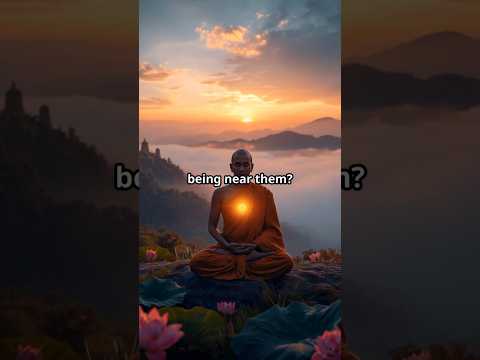
    When people reflect on Dhammapada 387, they often imagine a serene figure glowing softly from within. This light is symbolic—it represents understanding, peace, and freedom. It is the light of someone who no longer fights with the world or themselves.

    This radiance is not dramatic or loud. It is like a candle in a silent room, steady and humble. It shines naturally because the causes of inner darkness—anger, ego, and confusion—have dissolved. That is why the enlightened are described as those who shine from within.

    Why Dhammapada 387 Matters Today

    In modern life, many people feel lost despite being surrounded by technology, success, and connection. Anxiety, burnout, and comparison have become part of daily life. Dhammapada 387 offers an alternative path—one that leads inward.

    This verse gently reminds us that true peace isn’t found in perfection or productivity. It grows when the mind becomes quiet and the heart becomes kind. Enlightenment is not distant or impossible. It begins with awareness, honesty, and the courage to face ourselves without judgment.

    The Quiet Power of Wisdom and Discipline

    Dhammapada 387 highlights wisdom and discipline as the foundations of inner liberation. Wisdom allows us to see things clearly, without distortion or attachment. Discipline helps us live with mindfulness, ethical conduct, and emotional balance.

    Together, they cultivate a life that is gentle yet powerful. A disciplined mind is not rigid—it is stable, like a mountain unmoved by passing storms. A wise heart does not retreat from the world—it meets it with compassion and understanding.

    A Life That Shines Without Noise

    One of the most beautiful messages in Dhammapada 387 is that the enlightened person does not seek recognition. Their presence itself becomes a source of peace. They don’t need to prove their goodness. They don’t need the world to agree with them. Their happiness is not built on praise or approval.

    This is what makes their light so genuine. It is not performed, not forced. It is simply the natural state of a heart that is free.

    Living the Essence of the Teaching

    While Dhammapada 387 speaks of enlightenment, it also speaks to all of us who are still learning. It does not demand perfection. It invites progress—small moments of awareness, small acts of kindness, small victories over anger or fear.

    Choosing understanding over judgment, presence over distraction, kindness over ego—these are steps on the same path described in the verse.

    Conclusion

    Dhammapada 387 beautifully reminds us that enlightenment is not a title, a ceremony, or an outward display. It is the inner glow of a mind that has been purified, a heart that has let go of hatred, craving, and illusion. The true radiance of such a person needs no audience. It shines naturally, like the sun rising over a silent mountain.

    May this timeless teaching inspire you to slow down, breathe, and remember that the light you seek has always been within you.

    Dhammapada 387 | Enlightened Is the One Who Shines Within.
    Dhammapada 387 | Enlightened Is the One Who Shines Within.

    P.S. – If this teaching brought you peace or reflection, consider subscribing to YourWisdomVault on YouTube to stay connected with more Buddhist wisdom, mindful living, and timeless truths.

    #YourWisdomVault #BuddhistWisdom #Dhammapada387 #Mindfulness #InnerPeace #SpiritualGrowth #EnlightenmentPath #BuddhaTeachings

  • Dhammapada 388 | The Buddha on Authentic Inner Discipline.

    Dhammapada 388 | The Buddha on Authentic Inner Discipline and the Meaning of True Practice.
    Dhammapada 388 | The Buddha on Authentic Inner Discipline.

    Dhammapada 388 | The Buddha on Authentic Inner Discipline.

    What makes someone truly spiritual? Is it the clothes they wear, the chants they speak, or the calm manner they present to the world? In Dhammapada 388, the Buddha offers a clear answer. Spirituality has little to do with appearance and everything to do with inner discipline, integrity, and how we conduct ourselves when no one is watching. This ancient teaching still speaks strongly to modern life, where image often matters more than truth.

    What Dhammapada 388 Teaches

    Dhammapada 388 explains that a person does not become wise or holy just by shaving their head or putting on a robe. These are outward signs, but they do not prove inner transformation. What makes someone genuine on the spiritual path is how they act, how they speak, and how they treat others. If the heart is still ruled by anger, pride, or deceit, then clothing and rituals are empty.

    Appearance Versus Reality

    The Illusion of Looking Spiritual

    It is easy to look spiritual. Someone can sit in meditation, wear robes, or speak in a quiet voice. But appearance does not equal awakening. The message of Dhammapada 388 challenges us to look beyond performance. True change happens in silence, not on display.

    Why This Matters Today

    In a world of social media, many people share inspirational content, but the real question is: do they live it? Wisdom is not measured by how calm someone appears but by how they act under pressure, how they deal with suffering, and how they treat others.

    Inner Discipline and the Heart of the Path

    Spiritual Life is Practice, Not Performance

    The core teaching of Dhammapada 388 is that spirituality is shown through discipline of mind and compassion in action. Inner discipline is not harsh control—it is gentle awareness, choosing patience instead of anger, kindness instead of judgment, and honesty instead of pretending.

    Who Is a True Practitioner?

    A true monk, in this teaching, is not just someone living in a monastery. It is anyone who sincerely tries to reduce harm and live wisely. They may wear ordinary clothes, work a regular job, and still embody the spirit of the Dharma more deeply than someone dressed in robes without understanding.

    Living the Message of Dhammapada 388 in Daily Life

    1. Watch Your Mind, Not Your Image

    Spirituality is not about looking peaceful; it is about being aware of what is happening inside. Do we respond with anger, or with understanding? Do we speak truthfully? This is where the teaching becomes real.

    2. Silent Discipline Is Powerful

    True progress happens in small moments—when you choose to stay calm, to forgive, to let go of the need to be right. These quiet decisions are worth more than any outward display.

    3. Let Your Actions Teach

    Instead of trying to appear spiritual, allow your actions to speak. Compassion, patience, and humility are more convincing than any robe or ritual. This is the living message of Dhammapada 388.

    Why This Teaching Still Matters

    This teaching remains relevant because human nature has not changed. We still struggle with ego, comparison, and the desire to be seen as special. But Dhammapada 388 reminds us that truth does not need to be displayed. Real spirituality is humble. It does not demand attention. It grows quietly in the heart.

    Conclusion

    Dhammapada 388 teaches that spirituality is not worn on the body but carried in the heart. A true practitioner is not defined by appearance or title but by inner discipline, kindness, and a peaceful mind. In a world where image often overshadows truth, this wisdom invites us to live more honestly and walk the path with sincerity.

    May this teaching inspire you to choose inner practice over outer show, one mindful breath at a time.

    Dhammapada 388 | The Buddha on Authentic Inner Discipline.
    Dhammapada 388 | The Buddha on Authentic Inner Discipline.

    P.S.
    If you enjoy reflections like this and want to support more mindful content, consider subscribing to YourWisdomVault on YouTube. Every follow helps keep these teachings alive.

    #YourWisdomVault #BuddhistWisdom #Dhammapada #Mindfulness #SpiritualGrowth #InnerPeace #BuddhaTeachings #Dharma #MeditationPractice #SelfDiscipline

  • Dhammapada 389 | What Defines a True Follower of the Dharma.

    Dhammapada 389 | What Defines a True Follower of the Dharma and the Path They Walk.
    Dhammapada 389 | What Defines a True Follower of the Dharma.

    Dhammapada 389 | What Defines a True Follower of the Dharma.

    In today’s world, it’s easy to confuse spirituality with appearance. People often believe that robes, rituals, or sacred symbols are what define a spiritual person. But Dhammapada 389 challenges that idea. This verse from the ancient Buddhist scripture reminds us that the true follower of the Dharma is not recognized by clothing or outward form, but by their actions, character, and way of life. It asks us to look beyond the surface and understand what genuine spiritual practice really means.

    The Meaning of Dhammapada 389

    Dhammapada 389 teaches that a person is not a true monk or practitioner just because they wear a robe or shave their head. These outward symbols do not make someone wise or compassionate. Instead, true Dharma is lived through restraint, kindness, inner discipline, and honesty. The verse redirects our attention from what is seen to what is lived. It calls out the difference between performing spirituality and being spiritual.

    Appearance Versus Authentic Conduct

    Many people in history and in modern times have looked spiritual but acted without compassion. Dhammapada 389 highlights this contradiction. A robe can hide ego, anger, or ignorance. True spirituality cannot be worn like fabric; it must come from the heart. A person who walks the path of the Buddha practices patience over pride, silence over gossip, and truth over pretense. That is the essence of authentic Dharma, and it has nothing to do with appearance.

    Qualities of a True Follower of the Dharma

    So what makes someone a real follower of the Buddha’s teachings? A few qualities stand out clearly when reflecting on Dhammapada 389. Integrity is one of them—doing the right thing even when no one is watching. Compassion is another—showing kindness not just to friends, but to all beings. Mindfulness remains at the core, being aware of thoughts and actions. Self-discipline is essential, choosing restraint instead of impulse. Finally, humility and simplicity guide true practitioners away from ego and into wisdom. These are not costumes we wear, but habits we live.

    How Dhammapada 389 Applies to Modern Life

    Even though it was spoken centuries ago, the message of Dhammapada 389 is more relevant than ever. Today, spirituality is sometimes displayed through social media quotes, retreat selfies, or inspirational branding. But this verse reminds us that the Dharma is not a performance. Real followers of the path do not need attention to be sincere. They show their practice in the way they speak to others, how they handle stress, how they treat the weak, and how they respond to anger and criticism.

    Living the Verse in Daily Life

    We don’t have to be monks to live the teaching of Dhammapada 389. Each person can apply it in daily life. Speak honestly, but gently. Choose patience when angry thoughts arise. Practice generosity, even when it is small. Take a few moments each day to sit quietly and observe your breath. Avoid using spirituality for ego or status. Wear humility more than symbols. When life becomes difficult, ask not “How do I look?” but “How do I act?” This is where real Dharma begins.

    Why This Teaching Still Matters

    Dhammapada 389 matters because it puts the focus back on the heart of the practice. Buddha never asked people to simply look holy. He encouraged them to train their minds, cultivate kindness, and free themselves from suffering. A title can be given, a robe can be bought, but wisdom must be earned. Compassion cannot be faked for long. This verse invites us to move from imitation to authenticity.

    Conclusion

    Dhammapada 389 offers a timeless reminder that the true follower of the Dharma is not known by outward appearance, but by inner transformation. Real spirituality is quiet, steady, and sincere. It is seen in patience, honesty, compassion, and discipline. Whether we are monks, lay followers, or simply seekers, this verse encourages us to live the teachings rather than display them. The robe may cover the body, but only practice can shape the heart. In living this truth, we walk the path the Buddha intended—with humility, awareness, and kindness.

    Dhammapada 389 | What Defines a True Follower of the Dharma.
    Dhammapada 389 | What Defines a True Follower of the Dharma.

    P.S. If you enjoy reflections like this and want more timeless Buddhist wisdom, feel free to subscribe to YourWisdomVault on YouTube and continue this journey of insight and mindfulness with us.

    #Dhammapada389 #YourWisdomVault #BuddhistWisdom #DharmaTeachings #MindfulnessJourney #BuddhaQuotes #SpiritualGrowth #PathOfDharma

  • Dhammapada 390 | Buddhist Wisdom on True Freedom Explained.

    Dhammapada 390 | Buddhist Wisdom on True Freedom Explained for Inner Peace and Clarity.
    Dhammapada 390 | Buddhist Wisdom on True Freedom Explained.

    Dhammapada 390 | Buddhist Wisdom on True Freedom Explained.

    In a world where many people measure worth by status, followers, or reputation, this verse offers a grounded reminder. It tells us that a person is not noble because of birth or appearance, but because of their conduct, discipline, and compassion. This teaching is still relevant today when image often matters more than integrity. Instead of praising those who look spiritual, it invites us to see who genuinely lives with kindness.

    What This Verse Really Teaches

    Dhammapada 390 explains that nobility is not inherited. A wise, kind, and self-controlled person is more honorable than someone born into status but ruled by anger or arrogance. The verse challenges the belief that social class or religious identity makes someone superior. It is about living with responsibility and sincerity, regardless of who is watching. Nobility is not a title; it is behaviour practiced daily.

    Character Over Appearance

    This teaching challenges the idea that clothing, rituals, or social standing define spiritual value. A person can wear robes and speak wise words yet still act with pride or harm others. Someone else may live quietly, with humility and compassion, and be far more noble in spirit. That is the heart of the message. We are asked to measure worth by actions, not by titles or symbols.

    Self-Mastery as True Strength

    Real strength does not come from ruling people or earning applause. It comes from mastering oneself. When anger rises but is not acted upon, that is strength. When ego appears but remains unanswered, that is strength. Conquering one’s desires and harmful impulses is a greater victory than conquering lands. This kind of power is silent but deeply respected.

    Relevance in Modern Life

    In modern life, many chase validation—likes, money, admiration. But dignity is not earned through attention. It is built through honesty, non-harm, and restraint. Dhammapada 390 speaks to anyone tired of pretending or performing. It says your value is not in what people see, but in who you are when nobody is watching. This makes the verse timeless rather than ancient.

    Living the Teaching

    You do not need to be a monk to practice these words. You can live them in daily moments: speaking truthfully, choosing kindness when it is difficult, apologizing when you are wrong, or refusing to gossip even when others do. These small acts reflect the spirit of Dhammapada 390. They require no audience, only sincerity and a steady heart.

    Practical reflections:

    • Treat others with respect, no matter their status.
    • Pause before anger becomes speech or action.
    • Do good quietly, without seeking praise.
    • Let humility guide thoughts and decisions.
    • Take responsibility instead of blaming others.

    The Value of Inner Integrity

    This verse also reminds us that identity is not what makes us worthy. Someone may come from a poor family yet live with great dignity. Another may come from privilege yet act without compassion. Society often rewards appearance, but inner integrity creates lasting respect. Truth reveals itself more clearly than titles ever could.

    Reflection on Personal Growth

    Many people feel that spiritual growth is far away or reserved for monks and scholars. Yet the message found in Dhammapada 390 shows that it begins with simple awareness. It is about noticing our intention before we speak, seeing our reactions before they turn into harm, and being willing to improve rather than defend mistakes. Growth is not sudden. It unfolds through honest reflection and the courage to change.

    When we practice even a little of this, we begin to understand that nobility is accessible. It is not about being perfect or distant from the world, but about walking through it with kindness, clarity, and responsibility.

    Conclusion

    Dhammapada 390 is not about perfection but authenticity. It teaches that true nobility is earned through compassion, restraint, and moral courage. In a world filled with noise and comparison, it invites us back to what matters: character. When we live with integrity, we do not need approval. Our actions speak for us.

    This path is.

    Dhammapada 390 | Buddhist Wisdom on True Freedom Explained.
    Dhammapada 390 | Buddhist Wisdom on True Freedom Explained.

    P.S.
    If you find value in teachings like this and want to explore more wisdom from the Dhammapada, Buddhism, mindfulness, and ancient philosophy, consider subscribing to YourWisdomVault on YouTube to stay connected and inspired.

    #Dhammapada390 #Dhammapada #BuddhistWisdom #YourWisdomVault #InnerGrowth #SpiritualPath #MindfulnessJourney #BuddhistTeachings #NobleLiving #InnerIntegrity