Blog

  • The Supreme Sage: Beyond Fear, Desire, and Attachment.

    The Supreme Sage: Beyond Fear, Desire, and Attachment | Timeless Buddhist Lesson on Freedom.
    The Supreme Sage: Beyond Fear, Desire, and Attachment.

    The Supreme Sage: Beyond Fear, Desire, and Attachment.

    What does it mean to rise above fear, desire, and attachment? For most people, these forces shape nearly every decision. We chase after what we want, run from what we fear, and cling tightly to the things we believe define us. Yet the Dhammapada, one of Buddhism’s most beloved texts, points to a state of freedom that transcends these struggles. It is the path of the Supreme Sage, a figure who embodies calm, clarity, and liberation.

    This post explores the meaning of this verse, its timeless wisdom, and how we can apply the teaching in daily life.

    Who Is the Supreme Sage?

    The Supreme Sage represents the fully awakened being who has gone beyond the cycle of craving and fear. Unlike ordinary individuals, the sage is not swayed by gain or loss, praise or blame, pleasure or pain. Just as a mountain remains unmoved by the winds, the sage stands steady against the shifting conditions of life.

    This image is not only an ideal but also a reminder of what human beings are capable of. Through insight, discipline, and compassion, one can walk a path that leads to unshakable peace.

    Lessons From Dhammapada 422

    Dhammapada 422 describes the qualities of the sage who has reached the highest state of freedom. The verse reminds us that real power is not about dominance over others but mastery of the mind.

    The Supreme Sage is not caught in endless desire, nor trapped by fear of loss. Their happiness is independent of possessions or recognition. It comes from a deeper source: liberation itself.

    For readers today, this verse is a call to examine the subtle chains of attachment that bind us, and to loosen them one by one.

    Applying the Teaching in Daily Life

    While few of us will become sages overnight, the teachings provide practical steps. Each time we observe our desires without acting on them, or face fear without running away, we take a step toward freedom.

    Simple practices include:

    • Mindfulness meditation: developing awareness of thoughts and feelings.
    • Reflection on impermanence: remembering that all things pass.
    • Compassion: replacing fear with care for ourselves and others.
    • Letting go: choosing not to cling when circumstances change.

    These practices gradually weaken the grip of attachment and open space for peace.

    Why This Teaching Matters Today

    In today’s world, pressure, distraction, and anxiety are constant companions. Many people look for peace in material success or external approval, only to discover these bring temporary relief at best.

    The image of the Supreme Sage offers an alternative. It shows us that freedom is not about controlling the world but about mastering our own minds. By loosening fear and desire, we cultivate resilience, balance, and joy that no circumstance can take away.

    This is not withdrawal from life, but deeper engagement with it — meeting each moment from a place of freedom rather than grasping.

    Conclusion

    The path of the Supreme Sage is not distant or unreachable. It is a reminder that liberation begins right where we are, with each choice to release fear and let go of attachment. By practicing mindfulness and compassion, we move step by step toward the same unshakable peace described in the Dhammapada.

    Though the journey is lifelong, every small act of letting go brings us closer to true freedom. The sage shows us that the ultimate strength lies not in possession, but in liberation.

    The Supreme Sage: Beyond Fear, Desire, and Attachment.
    The Supreme Sage: Beyond Fear, Desire, and Attachment.

    PS: If this teaching inspires you, don’t forget to subscribe to YourWisdomVault on YouTube for more timeless Buddhist insights delivered weekly.

    #SupremeSage #Dhammapada #Buddhism #BuddhaWisdom #Mindfulness #InnerPeace #SpiritualGrowth #NonAttachment #FearlessMind #WisdomShorts #YourWisdomVault

  • The Peaceful Sage Who Found True Freedom | Buddhist Wisdom.

    The Peaceful Sage Who Found True Freedom | Buddhist Wisdom | Timeless Lesson on Mindfulness.
    The Peaceful Sage Who Found True Freedom | Buddhist Wisdom.

    The Peaceful Sage Who Found True Freedom | Buddhist Wisdom.

    What is real freedom? Many people imagine freedom as wealth, travel, or the ability to do whatever they want. Yet the Buddha taught that liberation is far deeper. It is not about external circumstances, but about the state of the heart and mind. In the closing verses of the Dhammapada, we encounter the image of the Peaceful Sage, a being who has gone beyond craving, overcome hatred, and discovered a timeless inner calm. This symbol offers a guiding light for all who seek peace today.

    The Dhammapada as a Source of Wisdom

    The Dhammapada is one of the most beloved Buddhist texts. Containing 423 short verses, it captures the essence of the Buddha’s teaching in clear and memorable lines. The verses explore themes such as impermanence, mindfulness, compassion, and the path to awakening. The last verse describes the qualities of the awakened person, someone who has fully realized the path. In this vision, the Buddha presents the Peaceful Sage as the model of liberation — free from attachment, untouched by anger, and living with steady compassion.

    Who Is the Peaceful Sage?

    The Peaceful Sage is not a distant figure meant only for monks or saints. Instead, the sage represents a potential within every human being. This person has let go of clinging to fleeting pleasures and no longer burns with resentment. Fear has dissolved, because wisdom has replaced ignorance. Such a one lives calmly in the world, meeting challenges without being thrown off balance. By offering this image, the Buddha gives us both inspiration and a clear direction for practice.

    Lessons From the Teaching

    Several lessons stand out from the description of the awakened one:

    • Letting Go of Craving: Desire is endless, but contentment brings freedom.
    • Transforming Hatred: Anger destroys peace, while compassion restores it.
    • Crossing the River: Liberation is pictured as crossing from the shore of suffering to the shore of peace.
    • Living in Balance: The awakened person is steady in joy and steady in sorrow, never overwhelmed.

    These lessons are not abstract philosophy. They are practical reminders of how to live with more clarity and peace, even in daily life.

    Applying the Wisdom Today

    Modern life is filled with pressures, distractions, and conflicts. It is easy to believe that happiness lies in more possessions, greater status, or endless activity. Yet these things rarely bring lasting peace. By practicing mindfulness, cultivating gratitude, and learning to forgive, we slowly loosen the grip of craving and anger. Each step in this direction reflects the qualities of the Peaceful Sage, even if only in small ways. Over time, our minds become calmer, and our relationships kinder, as we embody these teachings in practice.

    Why This Teaching Matters Now

    Today’s world is restless. Many chase after freedom through consumption, travel, or power. Yet such freedom is fragile — it can disappear with loss or change. The Dhammapada reminds us that true freedom is inward and unshakable. It is the freedom of a mind at peace with itself. By contemplating the image of the sage, we are reminded that compassion and patience are not weaknesses, but strengths that lead to enduring happiness.

    Conclusion

    The Peaceful Sage stands as a timeless reminder that liberation is possible. Freedom does not come from controlling the world, but from releasing the grip of craving and hatred. The Dhammapada closes with this image because it points to the goal of the entire path: a life lived with wisdom, compassion, and serenity. Even in modern times, this teaching shines as a guide to peace, showing us that the truest form of freedom is within.

    The Peaceful Sage Who Found True Freedom | Buddhist Wisdom.
    The Peaceful Sage Who Found True Freedom | Buddhist Wisdom.

    P.S. If this teaching on the Peaceful Sage inspired you, don’t forget to subscribe to YourWisdomVault on YouTube for more Buddhist wisdom, timeless Dhammapada verses, and stories that bring peace to daily life. 🌿

    #BuddhistWisdom #Dhammapada #SpiritualGrowth

  • Sankhadhamana Jataka—Buddhist Morality Story of Wisdom.

    Sankhadhamana Jataka — Buddhist Morality Story of Wisdom | Timeless Lesson on Virtue and Karma.
    Sankhadhamana Jataka—Buddhist Morality Story of Wisdom.

    Sankhadhamana Jataka – Buddhist Morality Story of Wisdom.

    For centuries, Buddhist traditions have used stories to share lessons of morality, compassion, and mindfulness. Among the most treasured are the Jataka tales, narratives of the Buddha’s many past lives. Each tale contains a moral insight that still resonates today. One such story is the Sankhadhamana Jataka, a tale about wisdom, clarity, and the dangers of blind belief.

    This blog explores the background of the story, its main teachings, and how its lessons remain relevant in our modern lives.

    What Are Jataka Tales?

    The Jataka tales are an ancient collection of stories that trace the Buddha’s countless lifetimes before his final enlightenment. Across these lives, he cultivated virtues such as patience, truthfulness, generosity, and wisdom. These tales were originally told to both inspire and educate, often shared in monasteries and among communities as both spiritual lessons and entertaining folklore.

    By presenting Buddhist principles in the form of engaging stories, the Jataka tales made teachings accessible for people of all ages. The Sankhadhamana Jataka belongs to this vast collection and emphasizes the importance of mindfulness over superstition.

    The Story of the Sankhadhamana Jataka

    In the tale, a caravan of merchants sets out across a dangerous desert. During their journey, they hear a conch shell echoing in the distance. Believing it to be a divine sign, they follow the sound with complete faith. However, the sound is not a divine guide but a trick, leading them away from safety.

    The Buddha, in one of his past lives, appears as a wise figure who sees through the illusion. He warns the caravan and helps them recognize that relying on signs without understanding can be harmful. This insight becomes the heart of the story’s teaching.

    Moral Lessons of the Story

    The Sankhadhamana Jataka conveys a clear and powerful message: mindfulness and wisdom protect us better than blind faith.

    Important lessons include:

    • Appearances can deceive – not everything that seems holy or divine is trustworthy.
    • Wisdom requires clarity – by questioning and reflecting, we uncover the truth.
    • Mindfulness provides safety – awareness prevents us from being led astray.

    These lessons are timeless. Even today, we often face situations where appearances are misleading or where blind trust can cause harm. The story urges us to pause, observe carefully, and use wisdom as our guide.

    Relevance in Today’s World

    The teachings of this tale extend far beyond its ancient origins. In the modern era, where we are surrounded by constant information, advertisements, and voices competing for attention, it is easy to be misled. The Sankhadhamana Jataka reminds us to be discerning and thoughtful before placing trust in external influences.

    Mindfulness practices, inspired by Buddhism, have become increasingly popular around the world. By training ourselves to observe reality without distortion, we can make wiser decisions in our personal lives, relationships, and even in society at large. The story provides a spiritual foundation for this modern movement toward clarity.

    Why This Tale Still Matters

    Beyond its role as a moral story, this Jataka illustrates the universal challenge of seeking truth. Every individual encounters moments of doubt, deception, or confusion. Stories like this one encourage us to trust in our inner clarity rather than external illusions.

    The Sankhadhamana Jataka continues to inspire because it addresses a human struggle that transcends culture and time. Whether one practices Buddhism or simply seeks meaningful life lessons, the story highlights that wisdom is an essential safeguard in a complex world.

    Conclusion

    The Sankhadhamana Jataka is more than a Buddhist folktale. It is a reminder that mindfulness and clarity are stronger than superstition or blind faith. The story of the caravan and the conch shell illustrates that true protection comes not from illusions but from awareness.

    Through reflecting on the lessons of the Sankhadhamana Jataka, we can learn to question, observe, and walk through life with greater wisdom. In doing so, we protect ourselves from harm and embrace the timeless guidance of Buddhist morality stories.

    Sankhadhamana Jataka – Buddhist Morality Story of Wisdom.
    Sankhadhamana Jataka – Buddhist Morality Story of Wisdom.

    PS: If this story inspired reflection, support more wisdom-filled content by subscribing to YourWisdomVault on YouTube and joining our growing community of seekers. 🙏✨

    #BuddhistStories #WisdomTales #LifeLessons #Mindfulness #Buddhism #Dharma #AncientWisdom #MoralStories #BuddhistTeachings

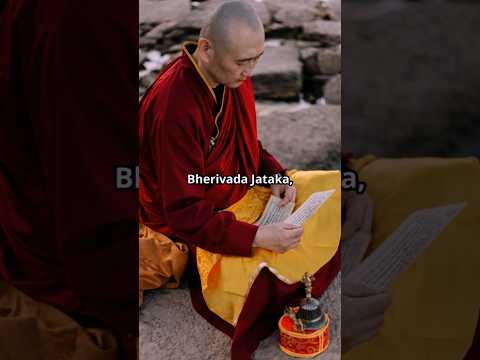
  • Bherivada Jataka – Buddhist Tale of Wisdom and Karma.

    Bherivada Jataka – Buddhist Tale of Wisdom and Karma | Timeless Lesson on Virtue and Insight.
    Bherivada Jataka – Buddhist Tale of Wisdom and Karma.

    Bherivada Jataka – Buddhist Tale of Wisdom and Karma.

    Stories have always been a way for human beings to understand deeper truths. In Buddhism, parables are especially powerful because they reveal lessons for both everyday life and spiritual growth. Among these stories, the Bherivada Jataka holds an important place. It reminds us that rituals without meaning are like loud sounds with no substance, and that true refuge lies in mindfulness, compassion, and virtue.

    This article explores the background of Jataka tales, the narrative of the Bherivada Jataka, and the moral lessons that still inspire people today.


    What Are Jataka Tales?

    Jataka tales are a collection of stories about the past lives of the Buddha. They often depict the Buddha in various forms—sometimes as a human, sometimes as an animal—always demonstrating wisdom, compassion, or courage.

    These tales were originally shared orally before being written down in Pali scriptures. Their purpose is not just storytelling but teaching. Each tale highlights the importance of karma, ethical living, and the pursuit of enlightenment.

    For centuries, monks, teachers, and parents have used Jataka tales to guide communities, offering moral clarity in times of confusion.


    The Story of the Bherivada Jataka

    The Bherivada Jataka tells of villagers who believed they could ward off danger by constantly beating drums. To them, the noise was a form of protection. Day and night, they filled the air with sound, convinced that safety lay in volume rather than wisdom.

    Observing this, the Buddha compared the villagers’ actions to empty drums. Just as hollow instruments make loud noise but contain nothing inside, rituals without sincerity are powerless. He urged the people to look beyond the noise and recognize that true protection comes from living a life rooted in virtue and mindfulness.

    The villagers took his words to heart. Gradually, many abandoned their superstitions and began to embrace the Dharma as a source of genuine refuge.


    Lessons from the Tale

    The lesson of the Bherivada Jataka is straightforward yet profound: empty actions, no matter how loud or frequent, cannot replace genuine practice.

    Here are key takeaways:

    • Noise is not strength: Outward displays may look impressive, but inner integrity matters more.
    • Mindfulness transforms life: Even small acts, when done with awareness, carry far more power than empty rituals.
    • Compassion brings real safety: Protecting ourselves and others requires kindness, not noise or superstition.

    This moral applies to individuals and societies alike. It asks us to evaluate whether we are merely “beating drums” in our routines, or whether we are truly cultivating wisdom.


    Modern Relevance

    Although the Bherivada Jataka was told centuries ago, its relevance is striking today. Many of us rely on appearances, routines, or outward symbols of success, thinking they will bring happiness. Yet without sincerity, these efforts feel hollow.

    In a fast-paced world, we often confuse activity with progress. But constant busyness is like constant drumming—loud, exhausting, and ultimately unfulfilling. The story reminds us to slow down, reflect, and build our lives on the foundations of compassion and clarity.

    This Jataka tale also encourages communities to prioritize substance over display. Whether in spiritual practice, education, or leadership, the message is the same: truth is deeper than appearances.


    Why This Tale Still Matters

    The enduring power of the Bherivada Jataka lies in its simplicity. Anyone can understand the image of an empty drum. Yet the meaning it conveys is layered and timeless. It challenges us to examine our lives, asking: Are we clinging to noise, or are we cultivating wisdom?

    Stories like this endure because they reach across time, culture, and circumstance. They invite us to replace emptiness with sincerity, distraction with mindfulness, and fear with compassion.


    Conclusion

    The Bherivada Jataka is more than just a Buddhist parable—it is a guide for authentic living. By teaching that empty rituals are powerless, it directs us toward practices that nurture the heart and mind. Its message resonates as much today as it did in the past: wisdom, compassion, and mindfulness are the true sources of peace.

    When we carry this story into our lives, we honor the timeless wisdom of the Buddha and find freedom from the noise of illusion.

    Bherivada Jataka – Buddhist Tale of Wisdom and Karma.
    Bherivada Jataka – Buddhist Tale of Wisdom and Karma.

    PS: If you found this story meaningful, be sure to subscribe to YourWisdomVault on YouTube for more timeless Buddhist wisdom and inspiring life lessons. 🙏

    #BuddhistStories #Mindfulness #YourWisdomVault #DharmaTeachings #LifeLessons #BuddhaWisdom #Karma #SpiritualGrowth #AncientWisdom #Meditation