Blog

  • How Algorithms Make Decisions – Mind of Machine Intelligence

    How Algorithms Make Decisions – Inside the Mind of Machine Intelligence. #nextgenai #technology
    How Algorithms Make Decisions – Inside the Mind of Machine Intelligence

    How Algorithms Make Decisions – Inside the Mind of Machine Intelligence

    Have you ever paused to think about who—or what—is making decisions for you online? Understanding how algorithms make decisions is key to navigating today’s tech-driven world.

    This post breaks down how algorithms make decisions using data, logic, and optimization.

    Every time you scroll through your social media feed, open a news app, or click on a video recommendation, you’re interacting with an algorithm. These systems shape our digital experience more than most people realize. But how exactly do algorithms make decisions? And can we truly say machines are intelligent?

    Let’s explore the logic behind the code and peek inside the so-called “mind” of machine intelligence.


    What Is an Algorithm?

    At its core, an algorithm is a set of rules or instructions designed to solve a specific problem. It’s not emotional, creative, or conscious—it simply processes input and delivers output.

    In the digital world, algorithms are used to sort, filter, and prioritize information. For example:

    • Social media algorithms decide what content to show you first.
    • Search engines rank web pages using hundreds of ranking signals.
    • Recommendation systems suggest what to watch, read, or buy next.

    But this isn’t random—it’s math. Algorithms analyze your behavior, apply rules, and aim to predict what will keep you most engaged.


    Decision-Making in Algorithms: Data In, Action Out

    So how do algorithms “make decisions”? The process is surprisingly straightforward on the surface:

    1. Input: The algorithm receives data—your clicks, likes, location, history, or preferences.
    2. Processing: It uses this data to evaluate patterns, applying mathematical models or machine learning to find connections.
    3. Output: Based on its training and goal (like maximizing engagement or conversions), it picks what action to take or what content to display.

    There’s no emotion or awareness involved—just data optimization.


    The Rise of Machine Intelligence

    As machine learning and artificial intelligence evolve, algorithms are becoming more adaptive. They can now “learn” from new data, improve performance over time, and make more complex decisions without being explicitly reprogrammed.

    This is the essence of machine intelligence—not creativity or consciousness, but the ability to self-adjust and evolve through experience. These systems:

    • Predict user behavior
    • Spot patterns humans miss
    • Automate repetitive decisions
    • React faster and more efficiently than humans in data-heavy tasks

    But while this may seem like intelligence, it’s more accurate to think of it as hyper-optimization rather than true cognition.


    Why It Matters: Algorithms Shape Reality

    We often think of algorithms as tools, but they increasingly act as digital gatekeepers. They determine what information we see, who we connect with, and even what opinions we form. As such, the ethics of AI decision-making are becoming critical.

    If an algorithm is biased, trained on poor data, or designed with questionable priorities, the consequences can be widespread—from reinforcing stereotypes to influencing elections.

    That’s why understanding how these systems work is essential—not just for developers, but for everyone who uses technology.


    Are We Still in Control?

    This leads to a bigger question: if we’re letting algorithms decide what we see, click, and believe… are we still in control?

    The answer depends on awareness. When we understand that these systems are designed to maximize engagement—not necessarily truth or well-being—we can start to use technology more mindfully.

    You don’t have to reject algorithms. You just have to recognize their influence, ask better questions, and be intentional about your digital consumption.


    How Algorithms Make Decisions – Inside the Mind of Machine Intelligence
    How Algorithms Make Decisions – Inside the Mind of Machine Intelligence

    Final Thoughts

    Algorithms aren’t evil—and they’re not geniuses. They’re tools. Powerful, invisible, ever-adapting tools that now play a major role in how we experience the world.

    By understanding how algorithms make decisions, we move from passive users to active participants in the digital ecosystem. We don’t need to fear the machine—but we do need to stay informed about how it works, what it’s optimizing for, and how we fit into the system.

    Stay curious. Stay aware. And next time a machine “predicts” your move, remember: it’s not magic. It’s math.


    Like this topic?
    Follow TechnoAIVolution on YouTube for more short-form deep dives into AI, machine learning, algorithms, and the future of digital life.

    #MachineIntelligence #AIExplained #HowAlgorithmsWork #TechnoAIVolution #DigitalEvolution

    P.S.

    “How Algorithms Make Decisions” isn’t just a question—it’s a lens for understanding the digital world we live in. The more we know, the more control we regain.

  • The River That Never Stays the Same – A Buddhist Lesson

    The River That Never Stays the Same—A Buddhist Lesson on Impermanence, Change, and Renewal.
    The River That Never Stays the Same – A Buddhist Lesson on Impermanence

    The River That Never Stays the Same – A Buddhist Lesson on Impermanence

    Have you ever stepped into the same river twice?

    According to ancient wisdom—and the Buddha himself—the answer is no. The water has changed, the current has shifted, and so have you. This simple truth points to one of the most profound teachings in Buddhism: impermanence.

    What Is Impermanence?

    In Buddhist philosophy, impermanence (anicca in Pali) is one of the Three Marks of Existence, along with suffering (dukkha) and non-self (anatta). It refers to the reality that everything in life is temporary. Our bodies age, relationships evolve, emotions rise and fall, and circumstances shift—often without warning.

    Impermanence isn’t just a spiritual idea. It’s a fact of life. Everything is in motion. Everything flows.

    The River as a Metaphor for Life

    The image of a flowing river beautifully captures this constant change. You can’t grasp water, no matter how hard you try. And the more you resist the current, the more you struggle. But if you relax and learn to float, you begin to move with the flow of life—not against it.

    The Buddha’s teachings on impermanence invite us to observe life the same way. When we try to hold on tightly to what must naturally change—whether it’s success, pleasure, love, or even our identity—we suffer. But when we accept the ever-changing nature of reality, we begin to find peace, clarity, and resilience.

    Letting Go: The Key to Freedom

    One of the biggest obstacles to inner peace is attachment. We cling to people, outcomes, feelings, and beliefs in hopes they’ll last forever. But the truth is: they won’t.

    Letting go doesn’t mean we stop caring or detach coldly. It means we stop expecting things to stay the same. We start living with awareness, appreciation, and acceptance. This is where true mindfulness begins—noticing what’s here, fully, without trying to freeze it in time.

    The next time you feel anxious about change or loss, remember the river. You don’t need to control it. You just need to trust the flow.

    Mindful Living in an Impermanent World

    In modern life, where everything moves fast—technology, trends, relationships—it can feel overwhelming to face change. But impermanence isn’t here to hurt us. It’s here to wake us up. It reminds us to cherish the present, love more fully, and live more deeply.

    Here are three mindful practices to embrace impermanence in daily life:

    1. Pause and observe. Notice how your thoughts, emotions, and surroundings are always shifting.
    2. Practice gratitude. When we realize things won’t last, we naturally appreciate them more.
    3. Let go gently. Whether it’s a past version of yourself or a phase of life, allow it to pass like water in a stream.

    A Timeless Teaching for Today

    Buddhism isn’t about escaping life—it’s about waking up to it. The teaching of impermanence isn’t meant to depress us. It’s meant to liberate us from the illusion of permanence that causes unnecessary suffering.

    When we understand that change is not a threat but a natural rhythm, we begin to dance with life, not resist it. Like a skilled swimmer in a flowing river, we learn when to float, when to dive deep, and when to simply let go.

    The River That Never Stays the Same – A Buddhist Lesson on Impermanence
    The River That Never Stays the Same – A Buddhist Lesson on Impermanence

    Final Thought

    So, what river are you standing in today?

    Maybe it’s a relationship shifting, a new phase of life, or simply a feeling that’s passing through. Whatever it is, know this: it’s okay to let it flow. You are not the same person you were yesterday—and that’s not a problem. That’s growth.

    Stay mindful. Stay open. And remember: the river never stays the same.


    Looking for more timeless insights like this?
    Subscribe to Your Wisdom Vault on YouTube for weekly Buddhist shorts, Zen stories, and spiritual reflections made simple.

    #BuddhistWisdom #Impermanence #MindfulLiving #LetGo #SpiritualGrowth

    P.S.

    If this reflection on impermanence spoke to you, consider sharing it with someone who’s navigating change—it might be the reminder they need today. 🙏

  • Can Artificial Intelligence Really Understand Human Emotions

    Can Artificial Intelligence Really Understand Human Emotions? #artificialintelligence #nextgenai
    Can Artificial Intelligence Really Understand Human Emotions?

    Can Artificial Intelligence Really Understand Human Emotions?

    Can artificial intelligence (AI) actually understand how we feel — or is it simply mimicking emotion with code?

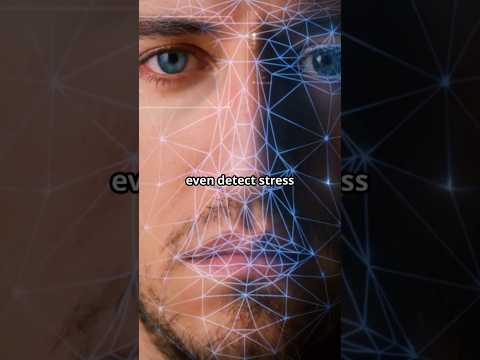
    That question sits at the heart of one of the most fascinating and unsettling aspects of modern technology. As AI becomes more advanced in recognizing human facial expressions, vocal tones, and behavioral patterns, it’s easy to forget one key truth: recognizing emotion is not the same as experiencing it.

    But as AI continues to evolve, we’re forced to ask: Do we need it to feel… or just act like it does?


    What AI Can Do — And Can’t

    Today’s AI is incredibly good at analyzing emotional cues. It can:

    • Detect micro-expressions using computer vision
    • Analyze sentiment in your voice through natural language processing
    • Predict mood shifts based on behavioral data

    Tools like emotion recognition software, AI-powered therapy bots, and social AI assistants are already being used in everything from customer service to mental health support.

    But while AI can simulate empathy — it doesn’t feel anything. It doesn’t love. It doesn’t grieve. It doesn’t feel guilt or compassion. What it does is calculate and predict what humans expect to see or hear based on emotional context.

    So when we say “AI understands emotion,” what we really mean is: it’s excellent at performing emotional intelligence, not experiencing it.


    The Ethics of Artificial Empathy

    This raises big questions. If a machine can respond to your sadness in a comforting way, does it matter that it doesn’t actually care? If it helps calm someone down or improves user experience, isn’t that good enough?

    Some argue yes — especially in applications like elder care, mental health, or customer support, where emotional responsiveness can enhance well-being or reduce loneliness.

    Others worry that we may blur the line between real empathy and artificial performance. When humans begin to bond with machines, mistaking their programmed responses for real feeling, we risk creating relationships based on illusion.

    This is where the ethical questions of AI consciousness and emotional simulation get complicated. Are we creating tools… or companions? And if they simulate emotions perfectly, will it even matter to us that they don’t feel them?


    Can Machines Ever Feel?

    Some AI theorists and technologists believe it’s possible — eventually. They argue that if consciousness arises from complex systems, then a sufficiently advanced machine could develop self-awareness, even emotions.

    But others — especially neuroscientists and philosophers — believe emotion is inseparable from biology. Without a body, a nervous system, or the lived experience of pain, loss, or joy, a machine may never be capable of real emotion.

    In this view, AI may become more human-like in its performance, but never in its essence. It’s like watching an actor play grief — convincing, powerful, even moving… but never actually grieving.


    Why It Still Matters

    So, can artificial intelligence really understand human emotions?

    The answer — for now — is no. But it can recognize and respond to emotion in ways that are increasingly convincing, and that’s enough to reshape our world. From AI-powered customer interactions to emotionally aware robots, we are entering a world where emotional simulation is becoming more important than emotional authenticity.

    The danger? Mistaking simulation for connection.
    The opportunity? Using AI to better understand ourselves.

    At the end of the day, AI may never feel love, fear, or joy — but how we teach it to respond to our emotions will shape the future of human-machine relationships.

    Can Artificial Intelligence Really Understand Human Emotions?
    Can Artificial Intelligence Really Understand Human Emotions?

    Want more tech + philosophy + future-focused thought?
    🧠 Subscribe to TechnoAIVolution on YouTube for weekly shorts and blog posts that challenge how we see technology — and how it sees us.

    P.S. Can artificial intelligence truly understand us — or just reflect us?

    #ArtificialIntelligence #AIandEmotions #MachineLearning #AIEthics #EmotionalIntelligence #AIempathy #TechnoAIVolution

  • What If Everything Is Temporary —That’s the Beauty of Life?

    What If Everything Is Temporary—and That’s the Beauty of Life, Change, and Constant Becoming?
    What If Everything Is Temporary — and That’s the Beauty of Life?

    What If Everything Is Temporary — and That’s the Beauty of Life?

    In a world that constantly changes, we often find ourselves clinging—to moments, people, emotions, even identities. But what if we told you that impermanence isn’t something to fear… it’s something to celebrate?

    This idea, central to Buddhist philosophy, is known as anicca—the truth that everything is temporary. Nothing stays the same. Not your thoughts. Not your feelings. Not even the people or places you hold most dear. And while that might sound unsettling at first, it’s actually the key to inner peace.

    Why Do We Struggle With Change?

    We live in a world that teaches us to hold on. We strive for stability, permanence, and predictability. Social media preserves memories forever. Relationships are measured by longevity. Success is defined by what we can keep.

    But life has other plans.

    Seasons shift. Emotions rise and fall. Relationships evolve. And despite our best efforts to make things last, everything eventually fades. This is where suffering often begins—not in the change itself, but in our resistance to it.

    According to the Buddha, clinging leads to suffering. When we try to hold on to what must eventually pass, we create pain. But when we lean into the natural flow of change, we begin to experience something else: freedom.

    The Gift of Impermanence

    Rather than a threat, impermanence is a gift. Think about it: cherry blossoms are beautiful because they don’t last. Sunsets move us because they vanish. Every hug, every laugh, every breath matters more precisely because it is fleeting.

    This awareness pulls us back into the present moment, which is the only place life actually happens.

    When we stop trying to make things last forever, we start to notice them more. The warmth of sunlight on your face. The sound of a loved one’s voice. Even the quiet in-between moments begin to glow with meaning.

    Impermanence teaches us to savor life, not hoard it.

    A Practice in Letting Go

    So how do we live this truth in everyday life?

    Start small. When you feel joy, don’t try to capture it. Just feel it. When sadness arises, don’t rush to fix it. Let it be. Watch how every feeling changes—how each one has a beginning, a middle, and an end.

    This is mindfulness in action: observing without clinging, experiencing without resisting.

    Letting go doesn’t mean we stop caring. It means we stop grasping. We love more freely. We feel more deeply. We live more fully.

    In a World That Changes, You Can Still Find Peace

    When we accept that everything is temporary, we stop expecting life to be something it’s not. We align with reality instead of fighting against it. And from that place comes deep peace, clarity, and even gratitude.

    Because now we see:
    The ending of a moment is what makes it precious.
    The impermanence of life is what makes it beautiful.

    Closing Thoughts

    So ask yourself gently:
    What am I clinging to that’s already slipping away?
    Can I soften my grip and simply be with what is?

    This is the wisdom of impermanence.
    Not a loss, but a return.
    Not a failure, but freedom.

    And that, truly, is the beauty of life.

    What If Everything Is Temporary — and That’s the Beauty of Life?
    What If Everything Is Temporary — and That’s the Beauty of Life?

    Looking for more mindful reflections and Buddhist wisdom in bite-sized form?
    🧘‍♂️ Subscribe to YourWisdomVault on YouTube for weekly shorts that reconnect you to the present, help you let go, and remind you what really matters.

    P.S. Everything is temporary — and that’s what makes it beautiful. 🌿

    #Impermanence #Mindfulness #LettingGo #Buddhism #SpiritualGrowth #PresentMoment #Anicca #YourWisdomVault