Tag: Ancient Buddhist wisdom

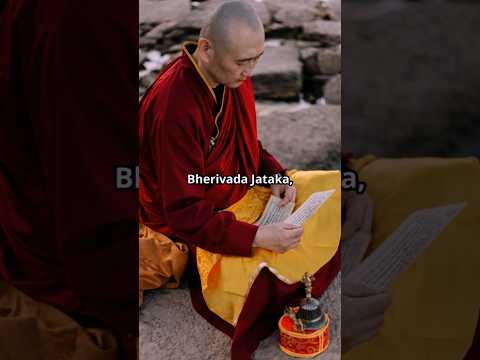
  • Bherivada Jataka – Buddhist Tale of Wisdom and Karma.

    Bherivada Jataka – Buddhist Tale of Wisdom and Karma. #BherivadaJataka #BuddhistStories #WisdomTales
    Bherivada Jataka – Buddhist Tale of Wisdom and Karma.

    Bherivada Jataka – Buddhist Tale of Wisdom and Karma.

    Stories have always been a way for human beings to understand deeper truths. In Buddhism, parables are especially powerful because they reveal lessons for both everyday life and spiritual growth. Among these stories, the Bherivada Jataka holds an important place. It reminds us that rituals without meaning are like loud sounds with no substance, and that true refuge lies in mindfulness, compassion, and virtue.

    This article explores the background of Jataka tales, the narrative of the Bherivada Jataka, and the moral lessons that still inspire people today.


    What Are Jataka Tales?

    Jataka tales are a collection of stories about the past lives of the Buddha. They often depict the Buddha in various forms—sometimes as a human, sometimes as an animal—always demonstrating wisdom, compassion, or courage.

    These tales were originally shared orally before being written down in Pali scriptures. Their purpose is not just storytelling but teaching. Each tale highlights the importance of karma, ethical living, and the pursuit of enlightenment.

    For centuries, monks, teachers, and parents have used Jataka tales to guide communities, offering moral clarity in times of confusion.


    The Story of the Bherivada Jataka

    The Bherivada Jataka tells of villagers who believed they could ward off danger by constantly beating drums. To them, the noise was a form of protection. Day and night, they filled the air with sound, convinced that safety lay in volume rather than wisdom.

    Observing this, the Buddha compared the villagers’ actions to empty drums. Just as hollow instruments make loud noise but contain nothing inside, rituals without sincerity are powerless. He urged the people to look beyond the noise and recognize that true protection comes from living a life rooted in virtue and mindfulness.

    The villagers took his words to heart. Gradually, many abandoned their superstitions and began to embrace the Dharma as a source of genuine refuge.


    Lessons from the Tale

    The lesson of the Bherivada Jataka is straightforward yet profound: empty actions, no matter how loud or frequent, cannot replace genuine practice.

    Here are key takeaways:

    • Noise is not strength: Outward displays may look impressive, but inner integrity matters more.
    • Mindfulness transforms life: Even small acts, when done with awareness, carry far more power than empty rituals.
    • Compassion brings real safety: Protecting ourselves and others requires kindness, not noise or superstition.

    This moral applies to individuals and societies alike. It asks us to evaluate whether we are merely “beating drums” in our routines, or whether we are truly cultivating wisdom.


    Modern Relevance

    Although the Bherivada Jataka was told centuries ago, its relevance is striking today. Many of us rely on appearances, routines, or outward symbols of success, thinking they will bring happiness. Yet without sincerity, these efforts feel hollow.

    In a fast-paced world, we often confuse activity with progress. But constant busyness is like constant drumming—loud, exhausting, and ultimately unfulfilling. The story reminds us to slow down, reflect, and build our lives on the foundations of compassion and clarity.

    This Jataka tale also encourages communities to prioritize substance over display. Whether in spiritual practice, education, or leadership, the message is the same: truth is deeper than appearances.


    Why This Tale Still Matters

    The enduring power of the Bherivada Jataka lies in its simplicity. Anyone can understand the image of an empty drum. Yet the meaning it conveys is layered and timeless. It challenges us to examine our lives, asking: Are we clinging to noise, or are we cultivating wisdom?

    Stories like this endure because they reach across time, culture, and circumstance. They invite us to replace emptiness with sincerity, distraction with mindfulness, and fear with compassion.


    Conclusion

    The Bherivada Jataka is more than just a Buddhist parable—it is a guide for authentic living. By teaching that empty rituals are powerless, it directs us toward practices that nurture the heart and mind. Its message resonates as much today as it did in the past: wisdom, compassion, and mindfulness are the true sources of peace.

    When we carry this story into our lives, we honor the timeless wisdom of the Buddha and find freedom from the noise of illusion.

    Bherivada Jataka – Buddhist Tale of Wisdom and Karma.
    Bherivada Jataka – Buddhist Tale of Wisdom and Karma.

    PS: If you found this story meaningful, be sure to subscribe to YourWisdomVault on YouTube for more timeless Buddhist wisdom and inspiring life lessons. 🙏

    #BuddhistStories #Mindfulness #YourWisdomVault #DharmaTeachings #LifeLessons #BuddhaWisdom #Karma #SpiritualGrowth #AncientWisdom #Meditation

  • Pancavudha Jataka Explained – A Timeless Buddhist Lesson.

    Pancavudha Jataka Explained – A Timeless Buddhist Lesson. #PancavudhaJataka #JatakaTales #Buddhist
    Pancavudha Jataka Explained – A Timeless Buddhist Lesson.

    Pancavudha Jataka Explained – A Timeless Buddhist Lesson.

    Among the hundreds of Jataka tales that have been preserved in Buddhist tradition, the Pancavudha Jataka stands out for its clarity and impact. These stories are not mere entertainments; they are vehicles of teaching, shaped so that simple plots can carry profound insight. In this case, the narrative of a young prince and his encounter with a demon shows that weapons of steel are less decisive than steadiness of mind.

    The Prince and His Training

    The Jatakas often begin with preparation, and so does this one. A young prince is trained in the use of five weapons: sword, spear, bow, club, and axe. His instructors equip him not only with tools but also with pride in his ability to defend himself. Confident and eager to prove his skill, he sets out from his city into the world beyond its gates. The story places him in a liminal space, a forest where dangers test not only the body but also the heart.

    Encounter with the Ogre

    At the center of the Pancavudha Jataka lies the confrontation. The prince meets a terrifying ogre blocking his path. With resolve, he grasps his sword—yet it bends and cannot cut. He hurls his spear—yet it snaps against the ogre’s hide. His bowstring breaks, his club splinters, his axe fails. One by one the proud weapons are stripped away, and with them the illusion of control. Most stories of heroes would end here in defeat, but this tale turns in another direction.

    Fearlessness in the Face of Failure

    The prince, though empty-handed, does not collapse. The text emphasizes his unshaken composure: even with no weapons left, he stands firm. The ogre, expecting terror, instead meets eyes calm and steady. What unsettles the monster is not force but fearlessness. In the Jataka tradition, this moment embodies a Buddhist truth—that courage grounded in mindfulness is stronger than any blade. The ogre cannot harm a mind that refuses to submit, and so he releases the prince unharmed.

    Symbolism of the Five Weapons

    Interpretations of the Pancavudha Jataka often dwell on the symbolism of the five weapons. Each tool represents external forms of power, whether material resources, social status, or technical skill. All of them, however useful, are subject to failure. What endures is not the weapon but the attitude of the one who wields it. By showing the progressive collapse of each tool, the story makes its point sharper: reliance on externals alone leaves one vulnerable, but reliance on inner clarity provides resilience.

    Place in the Jataka Tradition

    Like many Jatakas, this tale connects with a broader moral universe. In Buddhist literature, ogres or demons typically symbolize obstacles, delusions, or fears. The encounter is less about defeating an enemy than about transforming the relationship with danger. The prince does not destroy the ogre; instead, his steadiness transforms the encounter into release. This pattern echoes through many parables where victory is measured not in conquest but in non-fear. The Pancavudha Jataka stands as a concise example of this recurring theme.

    Relevance Across Time

    Although the story originates in ancient India, its appeal has not faded. Readers continue to find in it a reflection of challenges that are still familiar: the collapse of plans, the loss of external supports, and the sudden meeting with forces larger than oneself. The tale does not promise that weapons will always work, but it does suggest that courage, composure, and inner discipline can shift the course of events in unexpected ways.

    Conclusion

    The Pancavudha Jataka is more than a story of a prince and an ogre; it is a meditation on where true strength resides. The bending of swords and breaking of bows dramatize a truth that possessions and skills are not enough on their own. What ultimately matters is the capacity to face fear without surrender. As long as that quality endures, even the fiercest ogre must pause. Told for centuries, this Jataka remains a timeless Buddhist lesson, reminding us that the mind is the greatest weapon of all.

    Pancavudha Jataka Explained – A Timeless Buddhist Lesson.
    Pancavudha Jataka Explained – A Timeless Buddhist Lesson.

    P.S. If you enjoyed this reflection on the Pancavudha Jataka and want more timeless wisdom from Buddhist and Stoic traditions, consider subscribing to YourWisdomVault on YouTube. Each week we share short, meaningful stories and insights designed to inspire and guide your path.

    #PancavudhaJataka #BuddhistStories #JatakaTales #Buddhism #AncientWisdom #LifeLessons #WisdomVault

  • The Dummedha Jataka | Buddhist Story on Greed & Wisdom.

    The Dummedha Jataka | Buddhist Story on Greed & Wisdom. #DummedhaJataka #Buddhism #Mindfulness
    The Dummedha Jataka | Buddhist Story on Greed & Wisdom.

    The Dummedha Jataka | Buddhist Story on Greed & Wisdom.

    The Jataka tales are among the most treasured Buddhist teachings, offering stories filled with timeless moral lessons. They are parables that illustrate the Buddha’s past lives and the values he cultivated on his journey to enlightenment. One of the most striking among them is the Dummedha Jataka, a story that deals with greed, pride, and the importance of generosity. Although ancient, its lessons remain surprisingly relevant to the modern world.

    The Jataka Tradition

    The Jataka collection preserves hundreds of stories about the Buddha’s earlier lives, often portraying him as kings, sages, or ordinary people who embodied virtue. These tales were not only religious texts but also cultural teachings shared across villages, monasteries, and families. They became vehicles for transmitting values such as compassion, honesty, and wisdom. The Dummedha Jataka belongs to this rich tradition, emphasizing the dangers of hoarding wealth and the emptiness of selfish pride.

    The Story of the Merchant

    At the heart of the tale is Dummedha, a wealthy merchant. Known for his riches, he often displayed them through elaborate feasts and celebrations. Yet his giving was not motivated by compassion, but by vanity. He believed wealth alone was enough to earn him honor. When famine struck the land, people looked to him for help. Instead of showing generosity, he guarded his stores and refused to share. This decision would prove disastrous, for those who once admired him turned away, leaving him isolated and powerless.

    The Buddha’s Teaching

    Through this tale, the Buddha highlighted a key lesson: wealth that is not used wisely has no lasting value. The Dummedha Jataka demonstrates that greed erodes trust and relationships, while generosity strengthens bonds and creates genuine respect. The merchant’s downfall was not due to poverty, but to the poverty of his heart.

    Lessons for Modern Life

    The story’s wisdom is not limited to its ancient setting. In our modern world, we often equate success with possessions, status, or financial security. Yet the Dummedha Jataka reminds us that true wealth is measured differently. Generosity brings peace of mind, social harmony, and deep fulfillment. Even small acts of kindness—sharing food, offering time, or lending a listening ear—can ripple outward, creating a more compassionate community.

    Greed Versus Generosity

    At its core, the story contrasts two paths: greed, which isolates and destroys, and generosity, which connects and heals. Dummedha’s hoarding during famine may feel distant, but the principle remains the same. When individuals or societies cling to resources without regard for others, divisions grow. Conversely, when generosity flows, communities thrive. The Dummedha Jataka captures this timeless truth in a way that is both simple and unforgettable.

    Why the Tale Still Matters

    Stories endure because they touch something universal within us. The Dummedha Jataka continues to matter because it challenges us to reflect on our choices. Are we living only for ourselves, or are we using our resources to uplift others? By practicing generosity, we align ourselves with values that bring lasting peace, not only to us but to those around us.

    Conclusion

    The Dummedha Jataka is more than a story—it is a mirror that reflects our values and priorities. It calls us to move beyond pride and greed and to embrace generosity as the truest measure of wealth. In doing so, we follow the path of wisdom laid out by the Buddha, cultivating compassion and respect that endure far beyond material possessions.

    The Dummedha Jataka | Buddhist Story on Greed & Wisdom.
    The Dummedha Jataka | Buddhist Story on Greed & Wisdom.

    PS: If you enjoyed this story and want more timeless Buddhist wisdom, don’t forget to subscribe to YourWisdomVault on YouTube for regular updates and inspiring Jataka tales.

    #BuddhistStories #JatakaTales #DummedhaJataka #Buddhism #Mindfulness #WisdomStories #GreedAndWisdom #LifeLessons #AncientWisdom #YourWisdomVault

  • Vattaka Jataka: A Buddhist Tale of Wisdom and Freedom.

    Vattaka Jataka: A Buddhist Tale of Wisdom and Freedom. #VattakaJataka #JatakaTales #Buddhism #Wisdom
    Vattaka Jataka: A Buddhist Tale of Wisdom and Freedom.

    Vattaka Jataka: A Buddhist Tale of Wisdom and Freedom.

    Buddhist literature is filled with timeless stories that offer moral guidance and practical wisdom for daily life. Among them, the Vattaka Jataka is a beautiful parable that continues to inspire readers and practitioners today. This ancient tale illustrates how mindfulness and patience can lead to true freedom, even when circumstances appear impossible. Through the simple image of a small bird, the story conveys a universal truth about human challenges and the path to liberation.

    The Story of the Vattaka Jataka

    The Vattaka Jataka tells the story of a quail caught in the net of a hunter. At first glance, the bird’s situation appears hopeless. Trapped and vulnerable, many creatures would react with panic and fear. Yet this quail does something extraordinary. Instead of flailing in desperation, it remembers the practice of mindfulness and turns inward. By calming its thoughts and focusing its awareness, the quail finds a way to slip free from the net and escape to safety.

    This is more than just a clever trick. The quail’s mindful response reflects a deeper truth: freedom is achieved not through chaos and struggle but through clarity, patience, and wisdom.

    Lessons We Can Learn

    The story provides a rich source of teachings that remain as relevant today as they were centuries ago. Three key lessons stand out:

    • Mindfulness in difficulty – When we face life’s traps, a calm mind prevents us from being consumed by fear.
    • Clarity through patience – Rash decisions often worsen problems, but patience opens space for insight.
    • True freedom is inner – The quail demonstrates that liberation begins in the mind before it appears in external circumstances.

    These lessons invite us to respond to difficulties with reflection instead of reaction, finding freedom in the present moment.

    Modern Relevance

    Even though the Vattaka Jataka is an ancient story, it feels strikingly modern. Today, many people feel trapped in “nets” of stress, financial strain, unhealthy habits, or emotional pain. The message of this Jataka tale is that liberation does not come from frantic escape attempts but from cultivating awareness.

    Mindfulness practices such as meditation, deep breathing, or simply pausing before reacting mirror the quail’s response. By calming the mind, we often discover creative solutions to problems that once seemed impossible.

    The Value of Jataka Tales

    Stories like the Vattaka Jataka belong to a vast collection of Jataka tales that illustrate Buddhist virtues through parables and fables. These narratives may appear simple, but they are profound guides for living with wisdom and compassion. For children, they are memorable stories with moral lessons. For adults, they provide a spiritual compass that points toward patience, mindfulness, and ethical living.

    Their timeless appeal lies in their accessibility. Anyone can hear the tale of the quail and immediately understand its message: peace of mind leads to freedom.

    Conclusion

    The Vattaka Jataka offers a powerful reminder that no matter how trapped we may feel, freedom is always within reach when we rely on mindfulness and patience. By refusing to panic, the quail transformed a hopeless situation into liberation.

    This Buddhist story encourages us to do the same in our lives. Whether facing personal struggles, professional stress, or emotional hardship, the key is to pause, breathe, and trust that wisdom will guide us through. Like the quail, we can all discover that true freedom comes not from struggle but from clarity of mind.

    Vattaka Jataka: A Buddhist Tale of Wisdom and Freedom.
    Vattaka Jataka: A Buddhist Tale of Wisdom and Freedom.

    P.S. If this story inspired you, don’t forget to subscribe to YourWisdomVault on YouTube for more timeless Buddhist tales, wisdom stories, and mindful teachings delivered straight to you.

    #VattakaJataka #JatakaTales #BuddhistStories #Mindfulness #Wisdom #Freedom #YourWisdomVault #SpiritualStories #AncientWisdom