Tag: Ancient wisdom for modern life

  • Dhammapada 270: Why Nonviolence Leads to Peace Within Us.

    Dhammapada 270: Why Nonviolence Leads to Peace Within Us.
    Dhammapada 270: Why Nonviolence Leads to Peace Within Us.

    Dhammapada 270: Why Nonviolence Leads to Peace Within Us.

    Nonviolence is one of the most misunderstood ideas in spiritual practice. Many people see it as passive or idealistic, yet in Buddhism it is presented as a source of real strength and inner freedom. One short verse, Dhammapada 270, captures this truth with remarkable clarity, reminding us that peace is not achieved through force, but through restraint.

    In Buddhist thought, violence is not limited to physical harm. Harsh speech, cruel intentions, and unchecked anger are also forms of violence that disturb the mind. According to Dhammapada 270, freedom begins when these forms of harm come to an end.

    Why Harm Always Returns to the Mind

    The Buddha taught that every action leaves a mental imprint. When we act with anger or aggression, the first place that suffers is our mind. Even if harm appears to bring short-term victory, it plants seeds of restlessness, fear, and regret.

    This is why Dhammapada 270 points inward rather than outward. It does not argue morality as a rule, but as cause and effect. Violence keeps the mind agitated. Nonviolence allows the mind to settle.

    When harm ends, mental noise fades. When hostility is abandoned, clarity grows. This is not philosophy alone—it is observable in everyday life.

    Nonviolence as a Practical Daily Practice

    Practicing nonviolence does not require withdrawing from the world. It begins with awareness. How do we speak when we are frustrated? How do we respond when we feel wronged? How do we treat ourselves when we make mistakes?

    The wisdom in Dhammapada 270 applies to these moments. Choosing restraint in speech, patience in thought, and compassion in action directly reduces inner conflict. Over time, this choice becomes a habit, and the mind becomes lighter.

    Nonviolence is not about suppressing emotion. It is about understanding emotion clearly and refusing to let it control our actions.

    Inner Peace Is Not Passive

    A common misunderstanding is that peace comes from avoidance. Buddhism teaches the opposite. Peace comes from engagement without aggression. It is the courage to face difficulty without adding harm.

    Through the lens of Dhammapada 270, peace is active. It requires awareness, discipline, and intention. Each moment of restraint is an act of strength. Each moment of compassion is a victory over suffering.

    This is why nonviolence is often described as liberation rather than limitation.

    The Modern Relevance of Ancient Wisdom

    In today’s fast-paced world, reactions are instant and emotions are amplified. Social conflict, stress, and constant stimulation make inner calm feel distant. Yet the message of Dhammapada 270 feels more relevant than ever.

    Choosing nonviolence in modern life may mean pausing before reacting, listening instead of interrupting, or stepping away from unnecessary conflict. These small acts protect the mind from exhaustion and resentment.

    Ancient wisdom does not lose value with time. It gains clarity when tested against modern challenges.

    Walking the Path of Non-Harm

    Nonviolence is not perfection. Everyone stumbles. What matters is direction. Buddhism emphasizes practice over ideals. Each day offers new chances to reduce harm and cultivate peace.

    The teaching found in Dhammapada 270 does not ask for purity. It asks for honesty. When we see how harm disturbs the mind, letting go becomes natural.

    This path is gradual, but its effects are immediate. Even small reductions in anger or harshness create noticeable calm.

    Conclusion: Peace Begins When Harm Ends

    Inner peace is not something we chase—it is something we uncover by removing what disturbs it. Violence clouds the mind. Nonviolence clears it. This simple truth has guided practitioners for centuries.

    As the Dhammapada 270 reminds us, freedom is not found in domination or control, but in restraint and understanding. When harm ends, peace begins—quietly, naturally, and from within.

    Dhammapada 270: Why Nonviolence Leads to Peace Within Us.
    Dhammapada 270: Why Nonviolence Leads to Peace Within Us.

    PS: If this teaching spoke to you, consider subscribing to YourWisdomVault on YouTube for short, timeless Buddhist wisdom and Dhammapada reflections to support mindfulness and inner peace.

    #BuddhistWisdom #Dhammapada270 #Nonviolence #InnerPeace #Mindfulness #BuddhaTeachings #SpiritualGrowth

  • Dhammapada 373 | A Powerful Buddhist Lesson on Finding Light

    Dhammapada 373 | A Powerful Buddhist Lesson on Finding Light and Quieting the Restless Mind.
    Dhammapada 373 | A Powerful Buddhist Lesson on Finding Light.

    Dhammapada 373 | A Powerful Buddhist Lesson on Finding Light.

    In a world filled with constant motion, distractions, and noise, the simple act of sitting still can feel almost impossible. Yet in Buddhist teachings, stillness is not only achievable—it is transformative. One of the most powerful verses pointing to this truth is Dhammapada 373, a teaching that invites us to discover the light that arises when the mind becomes calm. This verse speaks directly to the heart of meditation practice, reminding us that clarity, insight, and inner joy naturally appear when the mind enters a state of quiet awareness.

    This blog post explores the meaning behind Dhammapada 373, how it connects to daily mindfulness, and how anyone can apply its wisdom to find peace in modern life.

    The Meaning Behind Stillness

    A Quiet Place Creates a Quiet Mind

    At the core of Dhammapada 373 is the idea that inner peace grows when we step into stillness. The verse describes entering an “empty abode,” not only as a physical place but as a symbol for the spacious, undisturbed inner world. When we withdraw from distraction, even briefly, thoughts begin to settle. The restlessness that clouds our awareness softens, allowing calm to rise naturally.

    Insight Arises from Clarity

    Dhammapada 373 also highlights a deeper truth: when the mind becomes steady, we begin to see clearly. This clarity isn’t just intellectual; it is a living experience of truth. The verse explains that a person who beholds the Dhamma with a peaceful mind experiences a joy beyond ordinary perception. In this sense, stillness becomes the gateway to insight.

    The Joy Beyond the Ordinary

    A Light From Within

    A central theme of this teaching is the inner “light” that appears when the mind is free from agitation. This light represents understanding, freedom from confusion, and the subtle joy that arises naturally when we stop chasing thoughts. When the mind rests, a quiet brightness begins to shine from within.

    Why This Joy Matters

    Modern life often teaches us to look outward for satisfaction, but Dhammapada 373 guides us inward. It reminds us that peace and joy are not dependent on external circumstances. A calm mind produces its own happiness—one that is stable, resilient, and deeply supportive during difficult times.

    Practicing the Teaching in Daily Life

    Begin With Small Moments of Stillness

    You don’t need long meditation sessions to benefit from Dhammapada 373. Even a few mindful breaths or one minute of intentional silence can reconnect you with inner calm. These small pauses help soften stress and create space for clarity.

    Create Your Own Quiet Space

    Just as the verse speaks of entering an empty dwelling, you can create your own quiet environment. It may be a simple corner of your room, a bench under a tree, or a moment of stillness before sleep. The goal is not escape but awareness.

    Watch the Mind Gently

    As you settle into quiet, you may notice how many thoughts appear. Instead of resisting them, observe them with kindness. This gentle attention is exactly the kind of clarity Dhammapada 373 describes—seeing the mind clearly without judgment.

    Why This Teaching Matters Today

    The wisdom of Dhammapada 373 remains relevant because the human mind has not changed. We still face stress, distraction, and emotional turbulence. Yet the path to peace is the same: slow down, observe, breathe, and let the mind settle. In calmness, wisdom grows. In clarity, joy appears. And in stillness, we rediscover our true nature.

    Conclusion

    Dhammapada 373 teaches that peace arises when the mind becomes quiet. This ancient wisdom offers a simple but powerful reminder: clarity and joy do not come from striving, but from stillness. By embracing small moments of calm each day, we open the doorway to insight and inner freedom—a timeless truth that continues to guide seekers around the world.

    Dhammapada 373 | A Powerful Buddhist Lesson on Finding Light.
    Dhammapada 373 | A Powerful Buddhist Lesson on Finding Light.

    P.S. If you enjoy reflections like this, consider subscribing to YourWisdomVault on YouTube for daily Buddhist teachings, mindfulness insights, and calming wisdom.

    #Dhammapada #BuddhistWisdom #MindfulnessPractice #InnerPeace #MeditationJourney #Buddhism #SpiritualGrowth #WisdomQuotes

  • Live Without Hate – Like an Elephant in the Forest (Buddha).

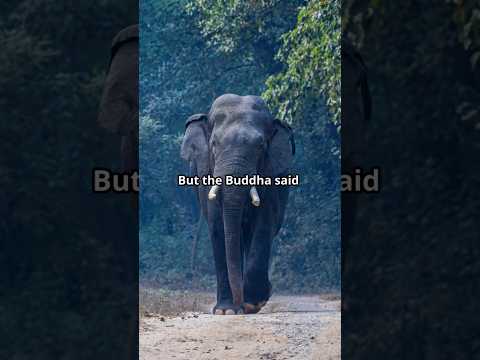
    Live Without Hate—Like an Elephant in the Forest, Peaceful and Strong in the Buddha’s Way.
    Live Without Hate – Like an Elephant in the Forest (Buddha).

    Live Without Hate – Like an Elephant in the Forest (Buddha).

    Buddhist Wisdom for Inner Peace

    In a world filled with noise, conflict, and division, living without hate may sound unrealistic — or even naive. But over 2,500 years ago, the Buddha offered a radical yet simple teaching:

    “Live without hate, like an elephant in the forest.”

    At first glance, this may sound poetic. But look closer — it’s a deep call for inner freedom and strength. And in today’s fast-paced, hyper-reactive society, it may be more relevant than ever.


    The Elephant as a Symbol in Buddhism

    In Buddhist tradition, the elephant symbolizes patience, mental strength, and calm focus. Elephants don’t react quickly. They move deliberately. When thunder roars or birds scream overhead, they don’t panic — they simply continue walking.

    To “live without hate” like the elephant means developing the kind of inner stillness that isn’t swayed by anger, criticism, or chaos around us. It’s about walking our path — without being pulled into every fight or emotional storm.


    Why We Cling to Hate

    Hate, resentment, and anger are rooted in ego. We feel threatened, insulted, or wronged — and the mind lashes out to defend itself. This reaction is deeply human, but it’s also deeply harmful.

    The Buddha taught that hatred does not cease by hatred — it only deepens suffering, both for us and for others. It clouds judgment, poisons relationships, and hardens the heart. Worse, it traps us in cycles of revenge, blame, and fear.


    Living Without Hate is Not Weakness

    To live without hate doesn’t mean being passive. It doesn’t mean allowing injustice or avoiding boundaries. Rather, it means responding with wisdom instead of reacting with rage.

    The elephant walks forward — it does not run away.

    Similarly, a wise person can confront life’s challenges without falling into hatred. They can disagree without becoming cruel. They can set firm boundaries without poisoning their own heart with resentment.


    Practical Ways to Cultivate This Wisdom

    You don’t need to be a monk or live in a forest to practice this. You can start cultivating this strength right now:

    • Pause before reacting. Ask: Is my response coming from hate or clarity?
    • Practice mindfulness. Return to your breath and body in moments of stress.
    • Reflect daily. What emotions dominated today? Did you nourish peace or feed conflict?
    • Spend time in nature. Like the elephant in the forest, solitude and quiet help reset the mind.

    Ancient Wisdom, Modern Relevance

    This simple Buddhist teaching — “Live without hate, like an elephant in the forest” — offers a timeless guide to modern living.

    In online arguments, at family dinners, in moments of political division or personal betrayal, we can choose a different path. We can walk with calm, clarity, and self-possession.

    We don’t need to chase every insult or correct every opinion. Instead, like the elephant, we can continue walking — strong, still, and free.


    Final Thoughts

    Living without hate is not a philosophy of weakness — it’s a path of power. It requires great strength to stay centered while the world pulls at you from every direction.

    But that strength lives in you. And every moment is a chance to return to it.

    Live Without Hate – Like an Elephant in the Forest (Buddha).
    Live Without Hate – Like an Elephant in the Forest (Buddha).

    If this message resonates, explore more teachings from the Buddha, the Stoics, and other timeless traditions at Your Wisdom Vault on YouTube — where we rediscover what still matters.

    P.S. If this teaching brought you a moment of peace or clarity, consider sharing it — someone else might need that elephant’s wisdom today.

    #Buddha #Mindfulness #LiveWithoutHate #SpiritualGrowth #BuddhistWisdom #InnerPeace #LetGoOfAnger #AncientPhilosophy #YourWisdomVault #EmotionalFreedom

  • How Stoics Faced Death Without Fear (Memento Mori Explained)

    How Stoics Faced Death Without Fear — Memento Mori Explained for Courage, Clarity, and Peace.
    How Stoics Faced Death Without Fear (Memento Mori Explained)

    How Stoics Faced Death Without Fear (Memento Mori Explained)

    What if you could face death… without fear?

    For the ancient Stoics, this wasn’t a hypothetical question. It was a daily practice. At the heart of their philosophy lies a powerful reminder: Memento Mori, a Latin phrase meaning “Remember you must die.”

    To many, this might sound grim or even morbid — but for the Stoics, it was anything but. Memento Mori wasn’t about dwelling on death. It was about transforming your life.


    What Does Memento Mori Really Mean?

    Memento Mori is not about fearing death, but about acknowledging it — and allowing that awareness to shape how we live. When you remember that life is temporary, everything shifts. You stop taking time for granted. You stop wasting energy on trivial things. You stop delaying your dreams.

    This idea wasn’t just theoretical for the Stoics — it was practical. They used it to cultivate presence, courage, and clarity. Understanding how Stoics faced death reveals their deep commitment to living with intention.


    Marcus Aurelius and the Power of Perspective

    One of the most famous Stoics, Marcus Aurelius, wrote extensively about mortality in his journal, Meditations. He reminded himself daily that he could leave life at any moment. Not to make himself afraid — but to make himself focused.

    By remembering death, Marcus cut through ego, distraction, and fear. It helped him prioritize wisdom, justice, and virtue — the things that truly matter. Ancient texts show us how Stoics faced death—with calm, clarity, and acceptance.


    Seneca on the Value of Time

    Seneca, another key Stoic philosopher, took this idea further. He argued that people are frugal with their money, but reckless with their time. Yet time, not money, is our most precious resource.

    He wrote: “Life is long, if you know how to use it.”
    Memento Mori was his way of making sure he used it well.

    Seneca believed that we should live each day as if it could be our last — not in a reckless way, but with intentionality. When you realize tomorrow isn’t promised, today becomes urgent. Today becomes important.


    Why This Matters Today

    In the modern world, it’s easy to get lost in distractions — endless scrolling, chasing status, living on autopilot. We often act like we’ll live forever. But the truth? We won’t.

    That’s where Stoicism still speaks volumes. Memento Mori is a wake-up call. It reminds us that we have a limited amount of time, and what we do with it defines us.

    When you embrace your mortality, you unlock a deeper appreciation for life. You start asking better questions:

    • Am I spending my time on what really matters?
    • Am I becoming the person I want to be?
    • What would I do differently if I remembered I won’t be here forever?

    These aren’t just philosophical musings. They’re practical tools for a better life.


    Memento Mori Isn’t About Dying — It’s About Living

    Stoicism doesn’t ask us to fear death — it invites us to face it, and use it as a guide. When you wake up with the mindset that this day could be your last, you treat it differently. You act with more presence. You appreciate small things. You speak more honestly. You love more deeply.

    Memento Mori turns death from an enemy into a teacher.


    Final Thoughts

    The Stoics didn’t wait for a crisis to remind them what matters — they practiced remembering it every day. And that’s the real power of Memento Mori. It doesn’t make life heavier. It makes it lighter. Clearer. More real.

    So the next time you’re caught in distraction, stress, or fear, pause. Breathe.
    And remember: You will die. And that’s precisely why you should live.

    How Stoics Faced Death Without Fear (Memento Mori Explained)
    How Stoics Faced Death Without Fear (Memento Mori Explained)

    Want more ancient wisdom for a modern life?
    Subscribe to YourWisdomVault on YouTube for powerful, bite-sized lessons from philosophy, psychology, and timeless thinkers. And remember: To grasp how Stoics faced death is to uncover the core of their philosophy on life itself.

    #MementoMori #Stoicism #MarcusAurelius #Seneca #StoicWisdom #AncientPhilosophy #LiveIntentionally #FaceDeathWithoutFear #DailyStoic #MindsetShift #PhilosophyForLife #YourWisdomVault #ModernStoicism #TimelessWisdom #SelfMastery

    P.S. Life is short, but wisdom is timeless — thank you for choosing to spend a moment of your day here. Keep seeking, keep growing. 🔐

    Thanks for watching: How Stoics Faced Death Without Fear (Memento Mori Explained)