
Tag: Ancient Wisdom Stories

  • Khadirangara Jataka Story | Buddhist Wisdom & Teachings.

    Khadirangara Jataka Story | Buddhist Wisdom & Teachings | Timeless Lesson on Patience and Virtue.
    Khadirangara Jataka Story | Buddhist Wisdom & Teachings.

    Khadirangara Jataka Story | Buddhist Wisdom & Teachings.

    The Jataka tales are some of the most treasured parts of Buddhist literature, cherished for their moral clarity and spiritual depth. Each story portrays the Bodhisattva—the being destined to become the Buddha—living through earlier lives, demonstrating qualities such as generosity, truth, and patience. These tales are more than folklore; they are moral mirrors, inviting readers to reflect on their conduct and values. Among the many narratives, the Khadirangara Jataka stands out for its portrayal of wisdom as an unshakable light, capable of guiding others even in the midst of confusion and uncertainty.

    What is the Khadirangara Jataka?

    The Khadirangara Jataka belongs to the great anthology of Jataka stories, each recounting a past life of the Buddha. In many of these stories, the Bodhisattva appears as a wise teacher, a compassionate leader, or a selfless sage. Rather than focusing on dramatic adventure, the tales emphasize ethical lessons. They are designed to plant seeds of virtue, showing that enlightenment is not achieved in a single lifetime but cultivated over countless existences. This particular story centers on the Bodhisattva’s role as a beacon of truth and clarity, highlighting the qualities that make wisdom a powerful force in any era.

    The Story in Brief

    In this account, the Bodhisattva is born into a community clouded by ignorance and disharmony. Where others struggled with uncertainty, he remained steady, embodying honesty, compassion, and patience. His wisdom became a guiding light for those who sought direction. Like a flame that refuses to flicker in the wind, he stood firm, unaffected by the surrounding storms. The lesson of the Khadirangara Jataka is clear: true wisdom does not depend on external circumstances but arises from a cultivated inner strength.

    Core Lessons

    The tale offers timeless guidance that remains relevant today:

    • Truth Prevails – No matter how dark the situation, truth cannot be hidden forever.
    • Patience Strengthens Character – Calm endurance allows insight to emerge naturally.
    • Compassion Uplifts – Real teachers lead with kindness rather than dominance.
    • Wisdom as Inner Light – Genuine clarity shines from within, untouched by turmoil.

    Through these lessons, the story reminds us that every challenge is also an opportunity to practice virtue.

    Relevance in the Modern World

    The Khadirangara Jataka may have been told centuries ago, yet its teachings feel remarkably fresh today. In a fast-paced world filled with distractions, competition, and uncertainty, the call to remain grounded in truth and wisdom is invaluable. The Bodhisattva’s example shows us that composure is not weakness but strength. By embodying patience and compassion, we create stability for ourselves and those around us.

    This story also emphasizes mindfulness. When we are fully present, we see clearly and act with understanding rather than impulse. In workplaces, families, and communities, these qualities build harmony and trust.

    Practical Applications

    The wisdom of this tale is not locked in the past—it can guide daily living:

    • Mindful Reflection: Begin each day with a few moments of awareness, observing thoughts without judgment.
    • Pause Before Reacting: In stressful moments, take a breath and allow patience to shape your response.
    • Speak Truthfully: Honesty in speech and action nurtures both integrity and trust.
    • Offer Compassion: Extend kindness even when others are clouded by confusion.

    By practicing these habits, we bring the essence of the Khadirangara Jataka into our everyday experiences, turning small choices into steps on the path of wisdom.

    Conclusion

    The Khadirangara Jataka is not only a Buddhist story but also a timeless guide to living with clarity and purpose. Its message—that wisdom shines brightest when rooted in truth, patience, and compassion—remains as relevant today as in the past. Like a flame enduring the storm, the teachings encourage us to cultivate resilience and share light with those around us. By embodying its lessons, we not only improve our lives but also contribute to a more mindful and compassionate world.

    Khadirangara Jataka Story | Buddhist Wisdom & Teachings.
    Khadirangara Jataka Story | Buddhist Wisdom & Teachings.

    P.S. If you enjoyed this story and want more timeless Buddhist wisdom, be sure to subscribe to YourWisdomVault on YouTube for weekly insights and Jataka tales. 🌿

    #KhadirangaraJataka #BuddhistWisdom #JatakaTales #Mindfulness #LifeLessons #AncientWisdom #SpiritualStories #YourWisdomVault
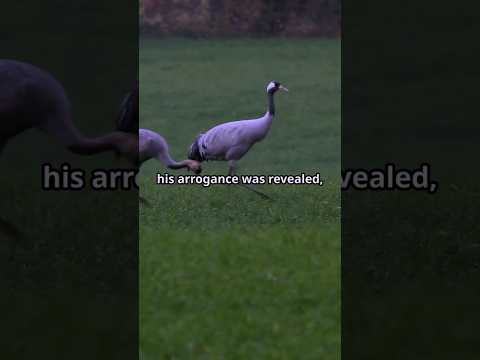
  • Baka Jataka: The Wise Crane’s Lesson in Buddhist Folktale.

    Baka Jataka: The Wise Crane’s Lesson in Buddhist Folktale | Timeless Story of Wisdom and Deception.
    Baka Jataka: The Wise Crane’s Lesson in Buddhist Folktale.

    Baka Jataka: The Wise Crane’s Lesson in Buddhist Folktale.

    Ancient stories hold a timeless charm. They are more than entertainment; they are pathways to understanding ourselves and the world around us. Among the Buddhist Jataka tales, the story of the crane known as Baka stands out for its powerful teaching about humility and compassion. In this post, we explore the meaning, lessons, and relevance of this story for modern life.

    The Origin of the Story

    The Jataka collection is a treasure of Buddhist literature. These tales recount the many past lives of the Buddha, where he took on various forms—human, animal, or divine—while demonstrating virtues like kindness, truthfulness, and generosity. The Baka Jataka appears as one of these stories, capturing the image of a crane who claimed wisdom but lacked the humility to embody it fully.

    The Tale of the Crane

    In the story, Baka the crane lives by a forest pond, admired by other creatures. He presents himself as a guide who knows how to keep them safe from danger. His words are polished, and his confidence appears unshakable. Yet when circumstances test him, his arrogance becomes clear. The Buddha, in one of his past lives, reveals through this tale that pride without compassion leads only to downfall.

    Moral Lessons from the Story

    The Baka Jataka is not just a folktale; it is a mirror for self-reflection. At its core, it teaches that wisdom is more than knowledge. True wisdom is measured by humility, sincerity, and the ability to act with kindness.

    • The danger of arrogance: Boasting may win attention, but it weakens trust when tested.
    • The value of humility: A humble heart is more respected than a proud voice.
    • Compassion as true strength: Strength rooted in kindness has the power to uplift others.

    These lessons remain as relevant today as they were centuries ago.

    Relevance in Modern Life

    Although this story belongs to an ancient tradition, its message resonates in today’s fast-paced, competitive world. Many people seek recognition and status, but without humility, such pursuits often end in disappointment. The crane’s story encourages us to pause and ask: are our actions motivated by ego, or are they guided by compassion?

    The tale also connects beautifully with mindfulness practices. Just as meditation encourages awareness of thoughts and emotions, this story reminds us to stay grounded and free from pride. By practicing compassion and humility, we can build stronger relationships, navigate challenges wisely, and live with greater peace.

    Why Stories Like This Matter

    Folktales and parables have been humanity’s teachers long before books and classrooms. The Baka Jataka survives because it offers universal truths in a simple narrative. Children can understand its surface meaning, while adults can dive into deeper reflections on ego, wisdom, and spiritual growth.

    For followers of Buddhism, the story reinforces the teachings of the Buddha’s path. For others, it serves as an ethical guide that transcends religion. Either way, it reminds us that stories are not just entertainment—they are vessels of wisdom.

    Conclusion

    The Baka Jataka continues to inspire because it speaks to a struggle we all face: balancing confidence with humility. Its lesson is clear—wisdom is not about appearing strong, but about living with compassion and sincerity. When we set aside pride and practice kindness, we walk closer to the path of true understanding.

    If you enjoyed exploring this story, consider sharing it with friends and reflecting on how its lessons can shape your daily life. Ancient wisdom has a place in our modern journey, and stories like this remind us of the values that never fade.

    Baka Jataka: The Wise Crane’s Lesson in Buddhist Folktale.
    Baka Jataka: The Wise Crane’s Lesson in Buddhist Folktale.

    P.S. If this story inspired you, don’t miss out on more timeless Buddhist wisdom and folktales—subscribe to YourWisdomVault on YouTube for weekly insights that nurture mindfulness and compassion. 🌿

    #BakaJataka #JatakaTales #BuddhistStories #YourWisdomVault #AncientWisdom #BuddhistWisdom #Mindfulness #LifeLessons #SpiritualStories

  • Sammodamana Jataka: Buddhist Tale of Unity & Harmony.

    Sammodamana Jataka: Buddhist Tale of Unity & Harmony | Timeless Lesson on Peace and Compassion.
    Sammodamana Jataka: Buddhist Tale of Unity & Harmony.

    Sammodamana Jataka: Buddhist Tale of Unity & Harmony.

    The Sammodamana Jataka is a beautiful and instructive tale from the treasury of Buddhist stories. Like all Jatakas, it carries a moral lesson that continues to inspire across generations. This story highlights how division weakens us while unity creates lasting strength. Through a simple parable of birds in the forest, it captures the essence of cooperation, compassion, and harmony—virtues that remain just as vital today as they were in the Buddha’s time.

    The Story of the Birds

    In the story, a flock of birds lived deep in the forest. They had everything they needed—food, shelter, and freedom. Yet, instead of living peacefully, they constantly quarreled. Small disagreements grew into arguments, and arguments grew into bitter fights. The flock wasted energy on conflict, forgetting that their strength depended on staying together.

    Hunters who roamed the forest noticed this disharmony. They saw an opportunity. When the birds were divided, it was easy to trap them. Nets were spread, and many birds fell victim because they could not agree on how to escape. Their fighting had left them powerless.

    But one day, the flock realized the cost of their disunity. A wise bird suggested they cooperate. The next time hunters spread their net, the flock rose together, beating their wings in harmony. To the hunters’ surprise, the birds lifted the net into the sky and carried it far away. By working as one, they found freedom. From then on, they valued unity above quarrels.

    The Lesson of Harmony

    The Sammodamana Jataka shows us that harmony is not simply the absence of fighting—it is the positive act of standing together. Division leads to weakness, while cooperation creates resilience. The birds discovered that unity made them stronger than any trap.

    This lesson applies to every part of human life. Families fall apart when arguments dominate. Communities grow weak when people focus only on differences. But when individuals work together with patience and understanding, problems that once seemed overwhelming become manageable.

    Modern Relevance of the Tale

    Although the Sammodamana Jataka is an ancient tale, its wisdom is deeply relevant to our world today. In modern society, we see division in workplaces, homes, and even online communities. People often argue over small issues while forgetting their shared goals.

    This story reminds us to ask: are we wasting energy on conflict? Or are we finding strength through unity? Whether in a family resolving disagreements, colleagues cooperating on a project, or societies striving for peace, the lesson is the same—true power lies in harmony.

    Buddhist Values in Everyday Life

    The Sammodamana Jataka also reflects the timeless values taught by the Buddha—compassion, mindfulness, and cooperation. These principles are not abstract ideals reserved for spiritual practice; they are practical tools for daily living.

    By practicing compassion, we soften conflict. By using mindfulness, we notice when anger begins to grow and choose a calmer path. By seeking harmony, we create relationships built on trust rather than division. Small acts of cooperation ripple outward, strengthening families, friendships, and communities.

    When applied consistently, these values transform ordinary interactions into opportunities for peace. In this way, the wisdom of the Jataka tales becomes more than a story—it becomes a living guide.

    Conclusion

    The Sammodamana Jataka is more than a parable about birds in the forest. It is a reminder that unity is strength, and harmony is a path to resilience. By working together, even the smallest group can overcome great challenges. By living with cooperation and compassion, we enrich not only our lives but also the lives of those around us.

    As you reflect on this timeless Buddhist tale, consider how you can bring more unity into your relationships and communities. And if you would like to explore more wisdom like this, be sure to watch the video adaptation on our channel. The Jataka stories are treasures of insight, and through them, the Buddha’s teachings continue to guide us toward peace and harmony.

    Sammodamana Jataka: Buddhist Tale of Unity & Harmony.
    Sammodamana Jataka: Buddhist Tale of Unity & Harmony.

    P.S. If you enjoyed this timeless wisdom from the Sammodamana Jataka, don’t forget to subscribe to YourWisdom Vault on YouTube for more inspiring Buddhist stories and Jataka tales each week. 🙏✨

    #SammodamanaJataka #JatakaTales #BuddhistStories #Unity #Harmony #AncientWisdom #Mindfulness #LifeLessons #YourWisdomVault

  • Mahilamukha Jataka—Buddhist Parable on Desire.

    Mahilamukha Jataka – Buddhist Parable on Desire | Timeless Lesson on Greed and Wisdom.
    Mahilamukha Jataka—Buddhist Parable on Desire.

    Mahilamukha Jataka—Buddhist Parable on Desire.

    Stories have always been a powerful way to share wisdom, and in Buddhism the Jataka tales serve this role beautifully. These narratives recount the past lives of the Buddha, each one offering timeless lessons about compassion, patience, mindfulness, and wisdom. Among them, the Mahilamukha Jataka stands out as a striking parable on desire and influence. It is not only a moral teaching but also a reminder that the company we keep and the voices we listen to can shape our entire path in life.

    What Are Jataka Tales?

    Jataka tales are a collection of over five hundred stories that illustrate the moral and spiritual journey of the Buddha. They are told in monasteries, schools, and homes across Buddhist cultures, often serving both as teaching material and as entertainment. These stories highlight human struggles that are as relevant today as they were centuries ago. The Mahilamukha Jataka is a vivid example that shows how easily the mind can be led astray when it falls under the sway of harmful influences.

    The Story of the Mahilamukha Jataka

    The parable tells of an elephant king, admired for his noble heart and gentle nature. He lived peacefully, bringing security to the people who depended on him. However, trouble began when he started listening to voices filled with corruption and malice. Day by day, these whispers worked their way into his mind. Slowly, the once-kind elephant king became angry and destructive.

    Those who once loved him grew fearful, puzzled by the transformation. The Buddha explained that the elephant’s downfall reflected a deeper truth: our lives are shaped by the company we keep, and our thoughts are molded by the influences we allow into our minds. Just as the elephant king’s noble nature was twisted by harmful voices, we too risk losing clarity if we surround ourselves with negativity.

    Moral Lessons from the Parable

    The Mahilamukha Jataka conveys several powerful teachings:

    1. Guard the Mind Carefully—Our thoughts are like fertile soil. Positive seeds grow into wisdom, while negative seeds grow into confusion and suffering.
    2. Choose Influences Wisely—Just as the elephant king was led astray, we too can be swayed by the people and media we allow into our lives.
    3. Practice Mindfulness—Awareness is our shield against harmful desire. By observing thoughts and emotions, we prevent negativity from taking root.
    4. Leadership and Responsibility—Leaders are especially vulnerable to the surrounding voices. The story reminds us that true leadership requires discernment and inner clarity.

    These lessons transcend cultural boundaries, offering guidance for anyone seeking a life of peace and purpose.

    Relevance in Modern Life

    Although the story comes from an ancient collection, the Mahilamukha Jataka resonates strongly in the modern world. Today, we live in an age of constant information, where voices of influence reach us from every direction—social media, news, advertisements, and personal networks. Without mindfulness, it is easy to absorb negativity, just as the elephant king did.

    The parable also applies to leadership in business, politics, and community life. Leaders who surround themselves with dishonest or greedy voices risk losing integrity, and in turn, they cause harm to those who depend on them. For individuals, the lesson is equally clear: seek uplifting influences, cultivate mindfulness, and remain steady on the path of wisdom.

    Conclusion

    The Mahilamukha Jataka remains one of the most powerful Buddhist parables on desire, influence, and mindfulness. Its message is timeless: protect your mind, avoid destructive voices, and nurture positive companions who encourage growth. Through awareness and wise choices, we can prevent desire and negativity from overwhelming us.

    For centuries, Jataka tales have guided seekers toward truth, blending storytelling with spiritual insight. By reflecting on the Mahilamukha Jataka, we are reminded that real strength comes not from power or status but from inner clarity and the courage to choose wisdom over corruption. This lesson is as valuable today as it was in the time of the Buddha, offering guidance for anyone seeking peace in a noisy and distracted world.

    Mahilamukha Jataka—Buddhist Parable on Desire.
    Mahilamukha Jataka—Buddhist Parable on Desire.

    PS: If you enjoyed learning from the Mahilamukha Jataka, don’t forget to subscribe to YourWisdomVault on YouTube for more Buddhist stories, Jataka tales, and timeless wisdom shared every week.

    #MahilamukhaJataka #JatakaTales #BuddhistStories #Buddhism #AncientWisdom #Mindfulness #LifeLessons #SpiritualWisdom #YourWisdomVault