Tag: Buddha teachings

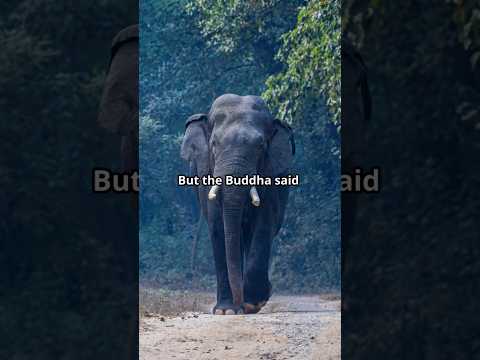
  • Live Without Hate – Like an Elephant in the Forest (Buddha).

    Live Without Hate—Like an Elephant in the Forest, Peaceful and Strong in the Buddha’s Way.
    Live Without Hate – Like an Elephant in the Forest (Buddha).

    Live Without Hate – Like an Elephant in the Forest (Buddha).

    Buddhist Wisdom for Inner Peace

    In a world filled with noise, conflict, and division, living without hate may sound unrealistic — or even naive. But over 2,500 years ago, the Buddha offered a radical yet simple teaching:

    “Live without hate, like an elephant in the forest.”

    At first glance, this may sound poetic. But look closer — it’s a deep call for inner freedom and strength. And in today’s fast-paced, hyper-reactive society, it may be more relevant than ever.


    The Elephant as a Symbol in Buddhism

    In Buddhist tradition, the elephant symbolizes patience, mental strength, and calm focus. Elephants don’t react quickly. They move deliberately. When thunder roars or birds scream overhead, they don’t panic — they simply continue walking.

    To “live without hate” like the elephant means developing the kind of inner stillness that isn’t swayed by anger, criticism, or chaos around us. It’s about walking our path — without being pulled into every fight or emotional storm.


    Why We Cling to Hate

    Hate, resentment, and anger are rooted in ego. We feel threatened, insulted, or wronged — and the mind lashes out to defend itself. This reaction is deeply human, but it’s also deeply harmful.

    The Buddha taught that hatred does not cease by hatred — it only deepens suffering, both for us and for others. It clouds judgment, poisons relationships, and hardens the heart. Worse, it traps us in cycles of revenge, blame, and fear.


    Living Without Hate is Not Weakness

    To live without hate doesn’t mean being passive. It doesn’t mean allowing injustice or avoiding boundaries. Rather, it means responding with wisdom instead of reacting with rage.

    The elephant walks forward — it does not run away.

    Similarly, a wise person can confront life’s challenges without falling into hatred. They can disagree without becoming cruel. They can set firm boundaries without poisoning their own heart with resentment.


    Practical Ways to Cultivate This Wisdom

    You don’t need to be a monk or live in a forest to practice this. You can start cultivating this strength right now:

    • Pause before reacting. Ask: Is my response coming from hate or clarity?
    • Practice mindfulness. Return to your breath and body in moments of stress.
    • Reflect daily. What emotions dominated today? Did you nourish peace or feed conflict?
    • Spend time in nature. Like the elephant in the forest, solitude and quiet help reset the mind.

    Ancient Wisdom, Modern Relevance

    This simple Buddhist teaching — “Live without hate, like an elephant in the forest” — offers a timeless guide to modern living.

    In online arguments, at family dinners, in moments of political division or personal betrayal, we can choose a different path. We can walk with calm, clarity, and self-possession.

    We don’t need to chase every insult or correct every opinion. Instead, like the elephant, we can continue walking — strong, still, and free.


    Final Thoughts

    Living without hate is not a philosophy of weakness — it’s a path of power. It requires great strength to stay centered while the world pulls at you from every direction.

    But that strength lives in you. And every moment is a chance to return to it.

    Live Without Hate – Like an Elephant in the Forest (Buddha).
    Live Without Hate – Like an Elephant in the Forest (Buddha).

    If this message resonates, explore more teachings from the Buddha, the Stoics, and other timeless traditions at Your Wisdom Vault on YouTube — where we rediscover what still matters.

    P.S. If this teaching brought you a moment of peace or clarity, consider sharing it — someone else might need that elephant’s wisdom today.

    #Buddha #Mindfulness #LiveWithoutHate #SpiritualGrowth #BuddhistWisdom #InnerPeace #LetGoOfAnger #AncientPhilosophy #YourWisdomVault #EmotionalFreedom
  • The River That Never Stays the Same – A Buddhist Lesson

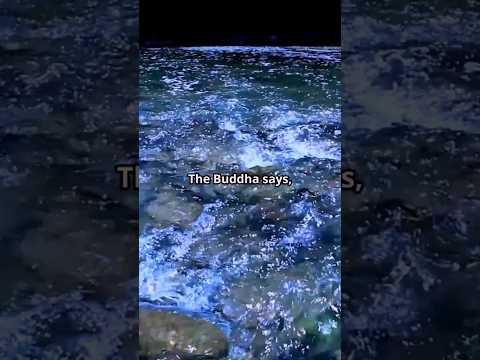
    The River That Never Stays the Same—A Buddhist Lesson on Impermanence, Change, and Renewal.
    The River That Never Stays the Same – A Buddhist Lesson on Impermanence

    The River That Never Stays the Same – A Buddhist Lesson on Impermanence

    Have you ever stepped into the same river twice?

    According to ancient wisdom—and the Buddha himself—the answer is no. The water has changed, the current has shifted, and so have you. This simple truth points to one of the most profound teachings in Buddhism: impermanence.

    What Is Impermanence?

    In Buddhist philosophy, impermanence (anicca in Pali) is one of the Three Marks of Existence, along with suffering (dukkha) and non-self (anatta). It refers to the reality that everything in life is temporary. Our bodies age, relationships evolve, emotions rise and fall, and circumstances shift—often without warning.

    Impermanence isn’t just a spiritual idea. It’s a fact of life. Everything is in motion. Everything flows.

    The River as a Metaphor for Life

    The image of a flowing river beautifully captures this constant change. You can’t grasp water, no matter how hard you try. And the more you resist the current, the more you struggle. But if you relax and learn to float, you begin to move with the flow of life—not against it.

    The Buddha’s teachings on impermanence invite us to observe life the same way. When we try to hold on tightly to what must naturally change—whether it’s success, pleasure, love, or even our identity—we suffer. But when we accept the ever-changing nature of reality, we begin to find peace, clarity, and resilience.

    Letting Go: The Key to Freedom

    One of the biggest obstacles to inner peace is attachment. We cling to people, outcomes, feelings, and beliefs in hopes they’ll last forever. But the truth is: they won’t.

    Letting go doesn’t mean we stop caring or detach coldly. It means we stop expecting things to stay the same. We start living with awareness, appreciation, and acceptance. This is where true mindfulness begins—noticing what’s here, fully, without trying to freeze it in time.

    The next time you feel anxious about change or loss, remember the river. You don’t need to control it. You just need to trust the flow.

    Mindful Living in an Impermanent World

    In modern life, where everything moves fast—technology, trends, relationships—it can feel overwhelming to face change. But impermanence isn’t here to hurt us. It’s here to wake us up. It reminds us to cherish the present, love more fully, and live more deeply.

    Here are three mindful practices to embrace impermanence in daily life:

    1. Pause and observe. Notice how your thoughts, emotions, and surroundings are always shifting.
    2. Practice gratitude. When we realize things won’t last, we naturally appreciate them more.
    3. Let go gently. Whether it’s a past version of yourself or a phase of life, allow it to pass like water in a stream.

    A Timeless Teaching for Today

    Buddhism isn’t about escaping life—it’s about waking up to it. The teaching of impermanence isn’t meant to depress us. It’s meant to liberate us from the illusion of permanence that causes unnecessary suffering.

    When we understand that change is not a threat but a natural rhythm, we begin to dance with life, not resist it. Like a skilled swimmer in a flowing river, we learn when to float, when to dive deep, and when to simply let go.

    The River That Never Stays the Same – A Buddhist Lesson on Impermanence
    The River That Never Stays the Same – A Buddhist Lesson on Impermanence

    Final Thought

    So, what river are you standing in today?

    Maybe it’s a relationship shifting, a new phase of life, or simply a feeling that’s passing through. Whatever it is, know this: it’s okay to let it flow. You are not the same person you were yesterday—and that’s not a problem. That’s growth.

    Stay mindful. Stay open. And remember: the river never stays the same.


    Looking for more timeless insights like this?
    Subscribe to Your Wisdom Vault on YouTube for weekly Buddhist shorts, Zen stories, and spiritual reflections made simple.

    #BuddhistWisdom #Impermanence #MindfulLiving #LetGo #SpiritualGrowth

    P.S.

    If this reflection on impermanence spoke to you, consider sharing it with someone who’s navigating change—it might be the reminder they need today. 🙏