Tag: Buddhist ethics

  • Dhammapada 306: The Truth About False Speech and Karma.

    Dhammapada 306: The Truth About False Speech and Karma.
    Dhammapada 306: The Truth About False Speech and Karma.

    Dhammapada 306: The Truth About False Speech and Karma.

    Truthful speech is not just a moral preference in Buddhism—it is a foundational practice that shapes the mind and determines future experience. In Dhammapada 306, the Buddha offers a clear and uncompromising warning about false speech and its karmic consequences. This verse reminds us that words are actions, and every action leaves an imprint. In a world where dishonesty is often minimized or justified, this teaching remains deeply relevant for anyone seeking clarity, peace, and ethical living.

    The Meaning

    At its core, Dhammapada 306 addresses the danger of abandoning truth. The verse explains that a person who speaks falsely, especially one who denies responsibility for their actions, opens the door to suffering. False speech is not an isolated act; it reflects a mind willing to distort reality for personal gain or avoidance. From a Buddhist perspective, this inner distortion is far more damaging than the external lie itself.

    The Buddha consistently taught that intention is the heart of karma. When speech is driven by deception, fear, or manipulation, the mind becomes unsettled. Over time, this restlessness grows into habitual confusion, making liberation more difficult.

    False Speech as Karmic Action

    Speech is one of the three forms of action in Buddhism: body, speech, and mind. According to Dhammapada 306, lying creates karmic momentum that does not simply disappear once words are spoken. Even if a lie brings short-term benefit, its long-term effects unfold through diminished trust, fractured relationships, and inner unease.

    Karma does not function as punishment but as cause and effect. When false speech becomes routine, it conditions the mind toward carelessness and moral blindness. This makes future harmful actions easier and more likely.

    The Connection Between Truth and Inner Peace

    One of the most practical insights of Dhammapada 306 is its link between truthfulness and mental peace. A person who speaks honestly has nothing to defend, conceal, or remember. Their mind remains lighter and clearer. In contrast, deception requires constant maintenance, feeding anxiety and fear of exposure.

    From a meditative standpoint, truthfulness supports concentration and mindfulness. A calm conscience allows deeper awareness to arise naturally. This is why right speech is included in the Noble Eightfold Path—not as a social rule, but as a mental discipline.

    Why This Teaching Still Applies Today

    Modern life often rewards exaggeration, omission, and strategic dishonesty. Social media, advertising, and professional environments can blur ethical boundaries. Dhammapada 306 serves as a corrective reminder that convenience does not cancel consequence.

    Even subtle forms of false speech—half-truths, misleading silence, or self-deception—shape character over time. Buddhism encourages practitioners to observe not only what they say, but why they say it. This awareness transforms speech into a tool for compassion rather than harm.

    Practicing Right Speech in Daily Life

    Applying this teaching does not require perfection, but sincerity. Right speech involves four key qualities: truthfulness, kindness, usefulness, and timeliness. When facing the urge to lie, pausing to reflect on intention can interrupt harmful patterns.

    Regular reflection on Dhammapada 306 can help cultivate accountability and ethical sensitivity. Over time, truthful speech strengthens integrity and aligns outer behavior with inner values.

    Living the Lesson

    When we reflect on Dhammapada 306, we are reminded that karma is always listening. Words shape reality, beginning with the speaker’s own mind. By choosing truth—even when it is uncomfortable—we protect clarity, build trust, and walk a steadier path toward liberation.

    Truth is not merely spoken; it is lived.

    Dhammapada 306: The Truth About False Speech and Karma.
    Dhammapada 306: The Truth About False Speech and Karma.

    P.S. If you find timeless Buddhist wisdom helpful, subscribe to YourWisdomVault on YouTube for short reflections from the Dhammapada, mindfulness teachings, and guidance on karma and right living.

    #Dhammapada306 #BuddhistWisdom #RightSpeech #Karma #Mindfulness #EarlyBuddhism #YourWisdomVault
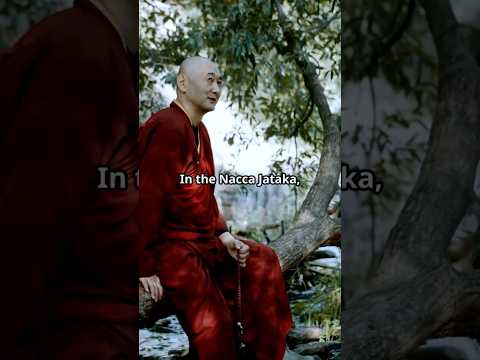
  • Nacca Jataka | Buddhist Moral Story & Timeless Wisdom.

    Nacca Jataka | Buddhist Moral Story & Timeless Wisdom | Inspiring Lesson on Mindfulness and Virtue.
    Nacca Jataka | Buddhist Moral Story & Timeless Wisdom.

    Nacca Jataka | Buddhist Moral Story & Timeless Wisdom.

    The Jataka tales are among the most beloved Buddhist stories, passed down through generations to teach moral lessons and inspire spiritual practice. Each tale represents one of the Buddha’s past lives, showing how virtues like wisdom, patience, and compassion were cultivated across countless existences. One such story is the Nacca Jataka, which offers a timeless teaching on the dangers of pride and the value of humility.

    The Story of the Nacca Jataka

    In the Nacca Jataka, the Bodhisatta is reborn as a calm and wise ascetic. He lives simply, devoting his life to inner peace and self-mastery. One day, a conceited dancer arrives in the same place. The dancer is known for his beauty, skill, and confidence, but also for his arrogance. Seeing the ascetic, the dancer mocks him, boasting loudly about his abilities and ridiculing the simplicity of the sage’s life.

    When the time comes to display his talent, the dancer fails miserably. His pride and lack of discipline cause him to stumble, and his performance collapses in embarrassment. In contrast, the ascetic’s quiet dignity and steady composure earn the respect of everyone present.

    This tale reveals a deep truth: outward talent and beauty may capture attention, but only humility and wisdom earn lasting honor.

    Lessons from the Tale

    The Nacca Jataka is more than an entertaining fable. It conveys powerful lessons that remain relevant for our daily lives:

    • Pride brings downfall: Arrogance blinds us to our weaknesses and often leads to failure.
    • Humility earns respect: People value integrity and sincerity more than empty boasts.
    • Inner character matters most: Outward appearances fade, but inner qualities endure.
    • Wisdom shines quietly: True greatness does not need to announce itself.

    These lessons remind us that our worth is measured not by how loudly we proclaim our gifts, but by how we live with compassion, patience, and humility.

    Relevance in Daily Life

    This Jataka tale offers guidance that is strikingly relevant to modern times. In a world where appearances, status, and performance are typically celebrated above character, the story challenges us to look deeper. Social media may reward self-promotion, but true respect still comes from sincerity and humility.

    At work, in relationships, and in spiritual practice, arrogance can close doors while humility opens them. By practicing modesty, we make space for growth, learning, and genuine connection with others.

    Buddhist Wisdom in the Jataka Tales

    Stories like the Nacca Jataka highlight the Buddha’s journey through countless lives as he developed the virtues needed for enlightenment. Each tale invites reflection: where do we see pride in our lives? How can we cultivate humility instead?

    These questions are not abstract. They are practical tools for daily mindfulness. Every time we resist the urge to boast, every time we choose humility over arrogance, we walk a little closer to wisdom.

    Conclusion

    The Nacca Jataka teaches that pride leads to downfall, while humility brings lasting respect. Through the image of a proud dancer and a humble ascetic, the story illustrates that outward beauty and skill are fleeting, but inner wisdom is timeless.

    By applying this lesson, we can approach life with patience, kindness, and humility. These qualities not only protect us from the pitfalls of arrogance but also draw others toward us with trust and respect.

    The Jataka tales continue to offer timeless guidance, and this story is a shining reminder that true greatness lies not in prideful display but in quiet dignity.

    Nacca Jataka | Buddhist Moral Story & Timeless Wisdom.
    Nacca Jataka | Buddhist Moral Story & Timeless Wisdom.

    PS: If this story from the Nacca Jataka inspired you, subscribe to YourWisdomVault on YouTube for more Buddhist wisdom, Jataka tales, and moral teachings. 🌿🙏

    #NaccaJataka #JatakaTales #Buddhism #BuddhistWisdom #YourWisdomVault