Tag: Buddhist life lessons

  • Buddhist Teachings on Patience and Inner Transformation.

    Buddhist Teachings on Patience and Inner Transformation Toward Peace, Wisdom, and Freedom.
    Buddhist Teachings on Patience and Inner Transformation.

    Buddhist Teachings on Patience and Inner Transformation.

    In a fast-paced world, patience is often overlooked as a skill, let alone as a form of wisdom. Yet in Buddhist teachings, patience is considered one of the highest virtues—not simply about waiting, but about how we wait and who we become in the process. Through mindful practice, patience transforms our thoughts, softens our reactions, and brings peace to our lives. It is not a passive act but an active cultivation of inner strength and understanding.

    The Role of Patience in Buddhist Philosophy

    According to Buddhist teachings, patience (kṣānti) is one of the Six Pāramitās, or “perfections,” on the path to enlightenment. It is not passive resignation but an active engagement with reality. Patience means meeting life’s challenges without aggression or despair, allowing us to see events from a higher perspective. It is a strength that shields us from the storms of anger, fear, and frustration.

    The Buddha himself faced hostility, misunderstanding, and rejection during his teaching journey. Yet, his example shows that patience is not weakness—it is the calm, unwavering strength that keeps us aligned with truth, even in difficult circumstances.

    Patience as a Form of Inner Strength

    True patience is deeply tied to emotional resilience. In Buddhist teachings, this resilience comes from understanding impermanence—knowing that pain, conflict, and even joy are temporary. When we see life’s experiences as transient, we can approach difficulties with calm acceptance.

    Imagine sitting in traffic. Without patience, irritation builds quickly. But with a patient mind, that moment becomes an opportunity—perhaps for reflection, mindful breathing, or simply noticing the world around us. This mental shift allows us to conserve energy and avoid unnecessary suffering.

    How Patience Leads to Inner Transformation

    Patience is not just a skill for dealing with others; it is a transformative force within. As we practice patience, our minds slow down. We learn to listen deeply, to speak with care, and to act with compassion. Over time, this rewires our habitual responses. Anger turns into understanding, impatience into curiosity, and self-centeredness into empathy.

    In Buddhist teachings, this transformation is considered a gradual process. Each moment of patience plants a seed of peace, which grows into a stable, compassionate character. In this way, patience becomes a cornerstone of spiritual growth.

    Patience also deepens our mindfulness practice. When we are patient, we create space between stimulus and response, allowing wisdom to guide our actions rather than impulsive emotions.

    Practical Ways to Cultivate Patience

    • Mindful Breathing: Before reacting, take three deep breaths. This short pause often changes the tone of your response.
    • Shift Perspective: Ask yourself, “Will this matter in a year?” This reframes small irritations.
    • Practice Gratitude: Focusing on what’s going well can reduce frustration.
    • Daily Meditation: Even a few minutes each day strengthens mental clarity, a foundation for patience.
    • Compassion Reflection: Consider the challenges others might be facing—this reduces judgment and speeds up empathy.

    By applying these practices from Buddhist teachings, patience becomes less of a struggle and more of a natural state of being.

    The Ripple Effect of Patience

    Patience doesn’t just change us—it changes the world around us. When we remain calm in stressful situations, we influence others to do the same. Our relationships become less reactive, more understanding, and more harmonious.

    Communities built on patience and compassion are less prone to conflict and more likely to find cooperative solutions. As Buddhist teachings remind us, the peace we cultivate within naturally extends outward, touching the lives of everyone we encounter.

    Conclusion

    Patience is far more than a virtue; it is a catalyst for deep inner transformation. In the light of Buddhist teachings, patience is both a path and a destination—guiding us toward compassion, clarity, and true peace. By embracing patience, we improve our well-being and contribute to a calmer, kinder world.

    If this resonates with you, consider exploring further into Buddhist philosophy and mindfulness practices. Each step toward patience is a step toward a more balanced, harmonious life—one where our inner transformation quietly shapes the world around us.

    Buddhist Teachings on Patience and Inner Transformation.
    Buddhist Teachings on Patience and Inner Transformation.

    P.S. If you enjoyed this reflection on Buddhist teachings, don’t miss our latest wisdom shorts and articles—subscribe to YourWisdomVault on YouTube and join a community dedicated to mindfulness, compassion, and inner peace.

    #Buddhism #Mindfulness #InnerPeace #BuddhistTeachings #Wisdom
  • Patience and Liberation: Buddhist Keys to Lasting Clarity.

    Patience and Liberation: Buddhist Keys to Lasting Clarity, Peace, and Freedom from Suffering.
    Patience and Liberation: Buddhist Keys to Lasting Clarity.

    Patience and Liberation: Buddhist Keys to Lasting Clarity.

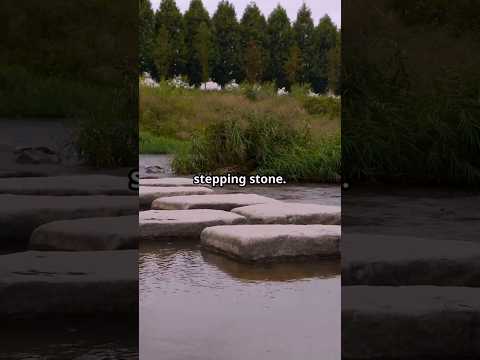
    In Buddhist practice, patience is more than the ability to wait—it is an active quality that shapes how we engage with life. True patience is not resignation but the choice to meet each moment with calm awareness instead of resistance. This ability opens the door to clarity, helping us see without the haze of anger or frustration. Over time, it becomes a stepping stone toward liberation—freeing the mind from reactivity and allowing wisdom to guide our actions.

    Understanding Patience in Buddhism

    In Buddhism, patience is called kṣānti, one of the six pāramitās, or perfections, that lead toward enlightenment. It is not simply enduring hardship, but transforming how we relate to it. Through calm endurance, we learn to see difficulties as opportunities to deepen understanding. External events are not the true cause of our distress—it is our mental response that determines whether we feel peace or turmoil.

    Liberation in Buddhism refers to freedom from suffering and the patterns that bind us to it. Impatience fuels attachment, aversion, and ignorance—the three poisons. By cultivating forbearance, we interrupt these destructive cycles. Instead of being swept away by frustration or anxiety, we remain steady. This steadiness makes space for insight, compassion, and clear perception. When we act from this place, we are moving closer to liberation.

    How Steadiness Brings Lasting Clarity

    Lasting clarity comes from a mind that is unshaken by temporary challenges. Developing inner composure allows us to pause before reacting, to watch emotions arise and pass without letting them dictate our choices. Whether dealing with delays, loss, or difficult relationships, we can respond with thoughtfulness instead of impulse. In Buddhism, this is not avoidance but skillful action—acting at the right time, in the right way, with the right intention.

    Practical Ways to Develop Perseverance

    Like any skill, patience grows with consistent practice. Some effective approaches include:

    • Mindful Breathing: Before reacting, take a few slow breaths to steady the mind.
    • Reframing Challenges: View obstacles as opportunities to cultivate resilience.
    • Deep Listening: Give your full attention when others speak without planning your reply.
    • Remembering Impermanence: All situations, pleasant or difficult, are temporary.

    By making these practices part of daily life, calm endurance becomes second nature.

    The Transformative Power of Forbearance

    When tolerance becomes a habit, transformation follows. Difficult people become unexpected teachers. Setbacks begin to feel like part of the journey rather than roadblocks. In Buddhism, this shift is central—turning sources of irritation into opportunities for growth. Inner steadiness is not a withdrawal from life but a steady presence that supports wisdom and compassion.

    Conclusion

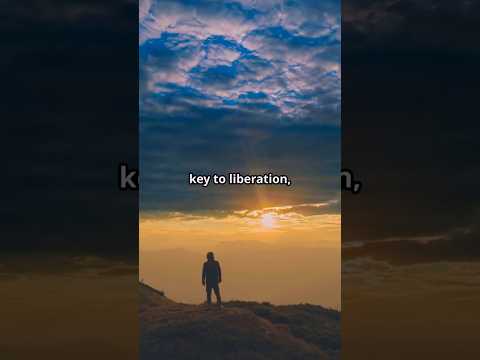
    Perseverance is both a discipline and a gift. In Buddhist thought, it is a key to liberation, offering a clear mind and an open heart in the face of life’s challenges. By practicing patience in our thoughts, speech, and actions, we reduce unnecessary suffering and create the conditions for lasting clarity. Each moment we choose calm awareness over reactivity, we move closer to a liberated mind—one that travels through the world with understanding, compassion, and peace.

    Patience and Liberation: Buddhist Keys to Lasting Clarity.
    Patience and Liberation: Buddhist Keys to Lasting Clarity.

    P.S. If you found these reflections valuable, subscribe to YourWisdomVault on YouTube and keep exploring Buddhist insights that bring clarity, balance, and understanding into your daily life.

    #Buddhism #Wisdom #Mindfulness #BuddhistWisdom #LifeLessons #MindfulLiving #SpiritualGrowth #SelfAwareness #InnerCalm #MeditationPractice #Compassion #PersonalGrowth

    Remember: every moment is a chance to pause, see clearly, and decide the path that brings understanding and peace.

  • Don’t Ignore Small Misdeeds—They Shape Your Karma.

    Don’t Ignore Small Misdeeds—They Shape Your Karma and Slowly Darken the Mirror of the Heart.
    Don’t Ignore Small Misdeeds—They Shape Your Karma.

    Don’t Ignore Small Misdeeds—They Shape Your Karma.

    In the quiet moments of daily life, the seeds of our destiny are planted. Buddhist philosophy teaches us that it’s not just the big decisions that shape our path, but the small, seemingly insignificant actions we often overlook. A lie told to avoid discomfort, a harsh word spoken in frustration, or a promise broken just once—these aren’t just harmless slips. They’re karmic threads that, over time, weave the fabric of who we become.

    The Subtle Power of Small Actions

    It’s easy to dismiss minor mistakes. We tell ourselves, “It’s no big deal,” or “Everyone does it.” But in Buddhism, even the smallest misdeeds matter. The Dhammapada warns, “Do not disregard small misdeeds, thinking they are harmless. Even a tiny spark can set a forest ablaze.”

    This is a profound teaching. Just as water fills a bucket drop by drop, our choices—good or bad—accumulate. Over time, those small drops shape our habits, our identity, and ultimately our karma.

    Karma Is Not About Punishment—It’s About Momentum

    Karma isn’t some mystical form of punishment. It’s simply cause and effect. Each thought, word, and action sets something in motion. When we repeatedly make unconscious or selfish decisions, we reinforce patterns that lead us toward suffering or disconnection.

    Think of karma as momentum. If you habitually choose short-term comfort over long-term growth, that becomes your default. If you repeatedly act out of fear or ego, it begins to shape your worldview. Every misdeed—even the “harmless” ones—strengthens a karmic pattern.

    The Path of Awareness Begins with the Small Stuff

    Mindfulness is the key to interrupting this cycle. When we pay attention to the present moment, we begin to notice our smaller tendencies—the judgmental thoughts, the reactive comments, the shortcuts we take when no one’s watching. And in that noticing, we find power.

    Awareness creates a gap between impulse and action. In that gap, we can choose differently. We can act with compassion, speak with honesty, and move with integrity.

    Change doesn’t require a massive spiritual breakthrough. It begins with the decision to live with just a little more consciousness in ordinary moments.

    Small Misdeeds Can Erode Trust and Integrity

    It’s not just about your inner karma—small misdeeds impact the people around you. Trust is built and broken in small interactions. When we cut corners, break promises, or act selfishly “just this once,” others notice. Over time, those small cracks widen. Integrity becomes harder to maintain.

    Living with awareness and accountability isn’t about being perfect. It’s about recognizing that every action leaves a footprint—on our relationships, on our environment, and within ourselves.

    Replace Misdeeds with Mindful Deeds

    The beautiful flip side of this teaching is that small good deeds matter just as much. A kind word, a patient pause, a deep breath before reacting—these are powerful, karmic acts. They uplift, they heal, and they accumulate in the same way.

    Each day, we’re presented with hundreds of opportunities to create positive momentum. By choosing honesty, generosity, and patience in small ways, we slowly reshape our karmic path.

    You don’t have to fix everything overnight. Start with the next choice. Then the next. And the one after that.

    Final Reflection

    What kind of person are you becoming through your smallest decisions?

    This question is at the heart of many Buddhist teachings. It invites us to take responsibility, not from fear or shame, but from a place of clarity and self-compassion. We all slip. What matters is how we respond—moment to moment.

    Let your life be shaped by small acts of wisdom.
    Let your karma reflect who you truly wish to become.
    Let mindfulness guide your next choice—because the small ones are never small.

    Don’t Ignore Small Misdeeds—They Shape Your Karma.
    Don’t Ignore Small Misdeeds—They Shape Your Karma.

    P.S. If this teaching resonated with you, don’t miss the next one. Subscribe to Your Wisdom Vault on YouTube for more bite-sized insights rooted in Buddhist wisdom and mindful living.

    #Karma #Mindfulness #BuddhistWisdom #ConsciousLiving #SpiritualGrowth #DailyDharma #SelfAwareness #SmallActionsBigImpact #PersonalIntegrity #YourWisdomVault

  • Gentle Living: Learn from the Bee’s Peaceful Gathering.

    Gentle Living: Learn from the Bee’s Peaceful Gathering—Take Only What You Need in Harmony.
    Gentle Living: Learn from the Bee’s Peaceful Gathering.

    Gentle Living: Learn from the Bee’s Peaceful Gathering.

    In the rush of modern life, it’s easy to forget how powerful gentleness can be. We’re often taught that success requires hustle, that louder is better, and that more is more. But what if real strength lies in stillness? What if we could live with purpose—without leaving harm in our wake?

    This is the wisdom we find in nature, especially in one of its most delicate yet industrious creatures: the bee.

    Be Like the Bee 🐝

    As the bee gathers nectar from flowers, it does so without damaging the petals. It takes only what it needs. It pollinates, gives back, and moves on—quiet, focused, and in harmony with its environment.

    That simple act holds a powerful lesson for how we can approach our lives.

    Just as the bee nurtures while it gathers, we too can move through life gently:

    • Speaking with kindness
    • Acting with compassion
    • Consuming only what’s needed
    • And leaving others better, not worse

    In a world that often values productivity over peace, the bee reminds us that it’s possible to live with impact and still be gentle.

    The Art of Gentle Living 🌿

    Gentle living is not about doing less—it’s about doing things more mindfully.
    It means slowing down enough to notice the effect we have on others and the world.
    It’s choosing empathy over ego, softness over control.

    When we live gently, we listen more. We judge less.
    We recognize that strength doesn’t have to be loud—and that compassion is its own kind of power.

    A Buddhist-Inspired Message of Mindfulness 🧘‍♂️

    This message echoes ancient Buddhist teachings. In Buddhism, right action and right intention are part of the Eightfold Path—the guide to living with wisdom, ethical conduct, and mental discipline.

    To harm none, to act with awareness, and to live in balance with all beings—this is the heart of mindful living.

    The bee, in its quiet devotion, models this perfectly.
    It reminds us that every action we take, no matter how small, can either heal or harm.

    Why This Message Matters Today

    In a digital age of noise, urgency, and overstimulation, messages like this are more important than ever.
    We need daily reminders that peace is possible—within ourselves and in the way we treat others.

    By embracing gentle living, we reconnect with:

    • Inner peace: Less stress, more presence
    • Emotional balance: Fewer reactions, more responses
    • Spiritual growth: A deeper sense of purpose and connection

    And, just like the bee, we begin to live in service—not sacrifice.

    Gentle Living Starts Small

    You don’t need to overhaul your life to begin.
    Ask yourself today:

    • Can I speak more kindly in this moment?
    • Can I consume a little less and appreciate a little more?
    • Can I leave this interaction with peace rather than pressure?

    Small changes add up.
    A gentle tone. A slower breath. A softer step.

    That’s how transformation begins.

    Let the Bee Guide You 🐝

    This short video from YourWisdomVault is meant to be a quiet nudge—a call to return to simplicity, balance, and heart-led living. We invite you to watch it as often as needed. Reflect. Share. And above all, practice.

    We’re building a space for mindful conversation, daily reflection, and spiritual growth.

    🙏 Thank you for being here. May your day be peaceful, your actions gentle, and your heart full.

    Gentle Living: Learn from the Bee’s Peaceful Gathering.
    Gentle Living: Learn from the Bee’s Peaceful Gathering.

    Liked the video? Don’t forget to share, and subscribe to YourWisdomVault on YouTube for more mindful wisdom.

    #GentleLiving #MindfulLiving #BeLikeTheBee