Tag: Buddhist moral stories

  • Varuni Jataka: The Story of Desire, Greed, and Consequence.

    Varuni Jataka: Buddhist Story of Desire, Greed, and Consequence | Timeless Lesson on Wisdom.
    Varuni Jataka: Buddhist Story of Desire, Greed, and Consequence.

    Varuni Jataka: Buddhist Story of Desire, Greed, and Consequence.

    The Jataka tales form one of the richest collections of moral stories in Buddhist tradition. Each tale recounts a past life of the Buddha, offering timeless wisdom that speaks directly to the human condition. These stories are not abstract philosophy but practical reflections on everyday struggles—anger, compassion, greed, and mindfulness. Among them, the Varuni Jataka carries a vivid warning about the destructive nature of unchecked desire.

    The Story Retold

    In the Varuni Jataka, the central figure is a woman named Varuni. Her downfall was not caused by external enemies but by the cravings of her heart. Instead of practicing contentment, she surrendered to greed. At first, the choice looked harmless, even appealing. Yet the result was suffering and regret.

    The Buddha compared her craving to drinking salt water: the more you drink, the thirstier you become. Desire promises relief but delivers only deeper dissatisfaction. By telling this story, the Buddha reminded listeners that greed is never satisfied; it multiplies itself endlessly.

    The Symbolism of Desire

    The Varuni Jataka is not only a story about one woman’s weakness. It symbolizes the universal trap of desire. Human beings often imagine that the next purchase, achievement, or indulgence will finally bring lasting happiness. Instead, each new acquisition leaves us searching for more.

    The imagery of salt water is striking because it exposes the paradox of craving. We grasp for satisfaction, yet the very act of grasping increases the hunger. Desire feeds on itself until it empties the heart of peace.

    Lessons We Can Learn

    From this tale, several key lessons emerge:

    • Greed blinds judgment – Decisions made in craving ignore wisdom and lead to loss.
    • Desire never ends – Each satisfied craving gives rise to another.
    • Contentment creates freedom – Appreciating what we already have interrupts the cycle of dissatisfaction.
    • Karma responds – Choices born of selfish desire eventually return with painful consequences.

    These lessons are not confined to ancient India; they remain true in modern life.

    Modern Relevance

    The world today is full of temptations designed to stir desire. Advertisements, social media, and consumer culture encourage constant comparison and restlessness. The message is clear: you are not enough until you buy more, achieve more, or look different. Yet this pursuit mirrors Varuni’s path—temporary satisfaction followed by emptiness.

    The Varuni Jataka warns us that the cycle of craving has no natural end. Unless we pause, reflect, and choose a different path, we remain trapped in the endless chase for satisfaction.

    Applying the Teaching

    Practical application makes the story powerful. We can learn to:

    1. Practice mindfulness – Observe desires without automatically obeying them.
    2. Cultivate gratitude – Focus daily on blessings already present.
    3. Simplify life – Reduce unnecessary distractions and possessions.
    4. Pause before acting – Ask whether a choice brings peace or more craving.

    By practicing these habits, we loosen the grip of desire and create space for wisdom.

    Conclusion

    The Varuni Jataka is more than a tale from the distant past. It is a living mirror of our struggles with desire and greed. Varuni’s downfall illustrates what happens when craving takes control, but the Buddha’s teaching offers hope: peace is possible through restraint, mindfulness, and contentment.

    By remembering this lesson, we resist the endless thirst of desire and move closer to true freedom. The story challenges us not to chase after what never satisfies but to root ourselves in wisdom and generosity. In doing so, we find happiness that cannot be shaken by the illusions of craving.

    Varuni Jataka: Buddhist Story of Desire, Greed, and Consequence.
    Varuni Jataka: Buddhist Story of Desire, Greed, and Consequence.

    PS: If this story encouraged you, stay connected for more Buddhist wisdom—subscribe to YourWisdomVault on YouTube and continue your journey toward mindfulness. 🌱

    #VaruniJataka #JatakaTales #BuddhistWisdom #LifeLessons #Mindfulness #YourWisdomVault

  • Aramadusaka Jataka: Buddhist Tale of Greed & Consequences.

    Aramadusaka Jataka: Buddhist Tale of Greed & Consequences | Timeless Lesson on Wisdom.
    Aramadusaka Jataka: Buddhist Tale of Greed & Consequences.

    Aramadusaka Jataka: Buddhist Tale of Greed & Consequences.

    Buddhist literature brims with vivid parables that distill complex ethics into memorable scenes. The Jataka collection, in particular, presents the Buddha’s former lives as mirrors for our choices. One story stands out for its stark clarity about desire and loyalty: the Aramadusaka Jataka. Though centuries old, it reads like a warning light on the dashboard of modern life, blinking when ambition overwhelms gratitude and community.

    The Story at a Glance

    In the Aramadusaka Jataka, a gardener is entrusted with caring for a monastery’s grounds. His dedication helps the community flourish—until the lure of quick money arrives. Outsiders offer rewards if he will betray the people who relied on him. He accepts. The decision severs his bond with those who trusted him, and instead of prosperity he finds isolation, regret, and loss. The tale likens his fate to a tree cut from its roots: once green and sturdy, now destined to wither.

    Why the Image Matters

    A rootless tree may still stand for a time, but every hot wind and dry season exposes its weakness. Likewise, a life built on disloyalty can look successful in the short term while quietly eroding from within. The story’s imagery compels us to ask where our roots lie—status, wealth, or dependable virtues like honesty, gratitude, and compassion.

    Core Lessons

    As the Aramadusaka Jataka reminds us, character is a garden; impatience pulls up the roots while wisdom tends the soil. The narrative is compact, yet the takeaways are broad and practical:

    • Greed narrows vision. When desire dominates, we stop seeing the relationships and responsibilities that keep us grounded.
    • Loyalty compounds. Trust multiplies when we show up reliably; it shrinks when we treat people as stepping-stones.
    • Karma is cumulative. Small choices stack into character. Good seeds and bad seeds alike ripen in time.
    • Integrity eases the mind. Acting in line with values reduces second-guessing and fear of exposure.

    Relevance Today

    Modern life showers us with opportunities to chase the next advantage—switching teams for a raise, bending rules to hit a metric, or shading the truth to win approval. The Aramadusaka Jataka invites a longer view: will today’s gain still look wise when we consider what it costs in trust and self-respect? Reputation, like a living root system, is grown by steady care; tear it out and no quick fertilizer can replace it.

    Work and Leadership

    Leaders often think culture is built with slogans or perks. In reality, it is built when people see promises kept. A workplace guided by the parable rewards transparent decisions, fair credit, and fidelity to mission over short-term wins. When teams practice this, morale and retention follow naturally.

    Family and Friendship

    The tale also speaks to our closest ties. Choosing convenience over commitment—disappearing when support is needed, sharing confidences for clout—drains the very well we drink from. Loyalty is not a grand gesture but a series of small, reliable acts.

    Practical Applications

    How do we translate the parable into habits?

    1. Audit your roots. List the relationships and values that truly sustain you. Schedule time and attention toward them first.
    2. Install pause points. Before big decisions, ask: What would this look like if it appeared on the front page tomorrow? If you’d feel exposed, reconsider.
    3. Trade up from greed to generosity. Convert the itch to take into an impulse to give—credit, time, or patient listening.
    4. Keep promises visible. Write down commitments and review them weekly. Consistency turns intentions into trust.
    5. Practice restorative action. When you do slip, repair quickly: apologize, make amends, and reset expectations.

    Conclusion

    Ultimately, the Aramadusaka Jataka endures because it names a universal tension: the tug between immediate gain and faithful belonging. By rooting ourselves in gratitude and integrity, we avoid the gardener’s fate and cultivate a life that can weather heat, drought, and change.

    Aramadusaka Jataka: Buddhist Tale of Greed & Consequences.
    Aramadusaka Jataka: Buddhist Tale of Greed & Consequences.

    PS: If you enjoyed exploring the wisdom of the Aramadusaka Jataka, don’t miss future insights—subscribe to YourWisdomVault on YouTube and stay rooted in timeless Buddhist teachings. 🌱

    #AramadusakaJataka #BuddhistStories #JatakaTales #BuddhistWisdom #Mindfulness #LifeLessons #YourWisdomVault

  • Veluka Jataka—Buddhist Tale of Greed and Its Consequences.

    Veluka Jataka — Buddhist Tale of Greed and Its Consequences | Timeless Lesson on Wisdom.
    Veluka Jataka—Buddhist Tale of Greed and Its Consequences.

    Veluka Jataka—Buddhist Tale of Greed and Its Consequences.

    Among the many Jataka tales preserved in Buddhist tradition, few speak as clearly about the dangers of greed and arrogance as the Veluka Jataka. These stories, passed down through generations, were designed not only to entertain but also to teach moral lessons. The Veluka Jataka in particular captures how unchecked desire can deceive others for a time, but truth always reveals itself in the end.

    The Story of Veluka Jataka

    The Veluka Jataka begins with a jackal who lives near a small village. For a long time, he is satisfied with scraps and leftovers, surviving on what is available without much trouble. His life is modest, but his needs are met.

    One day, however, his desires grow beyond his simple existence. Driven by greed, he ventures into a village kitchen searching for more. In his clumsy exploration, he knocks over pots filled with bright dye. The liquid spills across his fur, staining him with unusual colors that make him look unlike any ordinary jackal.

    When other animals see him, they are amazed. Believing this strange-looking creature must be special, perhaps even divine, they begin to honor and follow him. For a while, the jackal enjoys a life of power and privilege. Yet with this new position comes pride, and pride quickly clouds his judgment.

    Eventually, he cannot suppress his nature. One evening, carried away by arrogance, he lets out a jackal’s howl. In that moment, the animals realize he is no extraordinary being but the same jackal they had always known. Angered by the deception, they drive him away in disgrace.

    Lessons from the Tale

    The Veluka Jataka uses the jackal’s misadventure as a powerful metaphor for human behavior. It teaches us that greed can never be satisfied, and pride leads to downfall.

    Some key lessons include:

    • Greed brings ruin: The jackal was happy until he wanted more than he needed. His craving led to exposure and loss.
    • False appearances fade: Deception may work for a time, but truth always surfaces.
    • Pride destroys respect: Arrogance is the quickest way to lose trust and honor.

    These lessons align closely with Buddhist teachings about the dangers of craving and the importance of living with humility.

    Connection to Buddhist Values

    The story echoes essential elements of the Buddha’s path:

    • Sila (morality) – Ethical conduct prevents the suffering caused by selfish actions.
    • Sati (mindfulness) – Awareness helps us recognize desire before it controls us.
    • Panna (wisdom) – True wisdom grows from humility, not from seeking status or recognition.

    Through the Veluka Jataka, we are reminded that spiritual growth requires discipline, contentment, and compassion.

    Relevance in the Modern World

    Though centuries old, this tale is still meaningful in today’s world. Many people chase status, wealth, or influence, just as the jackal sought more than his share. Yet such pursuits often come with illusion—presenting an image that is not true to reality. Over time, those illusions collapse.

    The story encourages us to be authentic, to live with gratitude, and to avoid the trap of constant craving. Whether in relationships, careers, or personal goals, humility, and honesty are far stronger foundations than greed or pride.

    Conclusion

    The Veluka Jataka remains a timeless story of greed and its consequences. It warns that while deception and pride may bring short-term rewards, they cannot endure. By choosing humility and contentment, we avoid the jackal’s fate and move closer to wisdom.

    At YourWisdomVault, we share Buddhist stories like this to keep their lessons alive for modern audiences. Each Jataka tale carries a message that can guide us toward compassion, mindfulness, and a more balanced life.

    Veluka Jataka—Buddhist Tale of Greed and Its Consequences.
    Veluka Jataka—Buddhist Tale of Greed and Its Consequences.

    PS: If this story inspired you, subscribe to YourWisdomVault on YouTube for more Jataka tales, Buddhist stories, and timeless lessons retold in short, engaging videos.

    #VelukaJataka #JatakaTales #BuddhistStories #AncientWisdom #LifeLessons #BuddhistTeachings #Compassion #WisdomVault

  • Nanda Jataka: The Lesson of Greed in Buddhist Folktale.

    Nanda Jataka: The Lesson of Greed in Buddhist Folktale | Timeless Story of Desire and Wisdom.
    Nanda Jataka: The Lesson of Greed in Buddhist Folktale.

    Nanda Jataka: The Lesson of Greed in Buddhist Folktale.

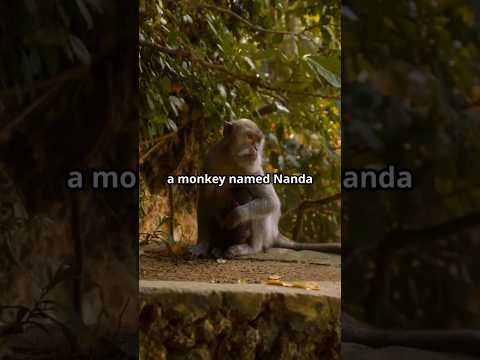
    Among the treasured tales of Buddhist literature, the Nanda Jataka carries a message that has echoed through centuries. It tells the story of a monkey named Nanda, whose cleverness was overshadowed by his greed. While the surface reads like a simple folktale, its deeper lesson addresses the human tendency to cling to desire and ignore compassion.

    The Story of Nanda

    In this tale, Nanda the monkey believes he can always outsmart others. He seizes more food, takes what does not belong to him, and acts with little concern for the surrounding community. For a time, his cunning appears successful. But soon his greed leads him into a trap of his making. Instead of gaining joy, he suffers loss.

    The Nanda Jataka shows the Buddha, in one of his past lives, teaching that selfishness brings suffering. By overreaching, Nanda proved that desire blinds judgment and weakens character. His story is a reminder that what seems clever in the moment can turn into a downfall when guided by greed.

    Lessons from the Tale

    This Jataka emphasizes that true happiness is not found in accumulation but in moderation and generosity.

    • Greed creates bondage. The more we grasp, the more we feel trapped.
    • Generosity creates freedom. Sharing with others brings trust and harmony.
    • Moderation sustains peace. When we balance our needs, we discover contentment.

    These lessons continue to guide modern readers, showing how ancient wisdom applies to daily struggles with desire and temptation.

    Modern Relevance

    Though written centuries ago, the message of the Nanda Jataka is especially relevant today. Modern culture often celebrates ambition, consumption, and competition. We are encouraged to acquire more, climb higher, and hold tighter. Yet these pursuits often leave us restless and unfulfilled.

    The monkey’s story mirrors our experiences when greed drives decisions. Whether in careers, relationships, or possessions, chasing more without compassion leads to emptiness. By contrast, choosing generosity, humility, and mindfulness opens the door to peace and satisfaction.

    The Jataka Tradition

    The Nanda Jataka belongs to the larger body of Jataka Tales, a collection of stories that depict the Buddha’s past lives. Each tale reveals how virtues such as patience, truth, compassion, and wisdom were practiced across many lifetimes. These stories are more than folklore—they are moral guides passed down to teach ordinary people in simple, memorable ways.

    In Nanda’s case, the Buddha highlights how even the most intelligent beings can fall when driven by greed. This lesson is not only for monks or scholars but for anyone seeking a meaningful life.

    Reflection for Today’s Reader

    The story of Nanda invites us to ask, where does greed appear in our lives? Do we cling to possessions, recognition, or control at the expense of kindness? Are we missing opportunities to practice generosity because we fear having less?

    By reflecting on these questions, readers can transform the moral of the tale into personal practice. Each act of generosity, no matter how small, becomes a step away from bondage and a step toward freedom.

    Conclusion

    The Nanda Jataka is more than the story of a monkey. It is a mirror reflecting our struggles with desire and a guide pointing toward a path of balance. Its lesson is timeless: greed leads to loss, but generosity leads to abundance.

    At YourWisdomVault, we share these Buddhist stories so that their wisdom continues to inspire. May the tale of Nanda encourage you to live with compassion, moderation, and a spirit of giving that enriches both yourself and those around you.

    Nanda Jataka: The Lesson of Greed in Buddhist Folktale.
    Nanda Jataka: The Lesson of Greed in Buddhist Folktale.

    P.S. If the Nanda Jataka inspired you, don’t miss more timeless Buddhist stories and wisdom—subscribe to YourWisdomVault on YouTube for weekly reflections. 🌿

    #NandaJataka #JatakaTales #BuddhistStories #YourWisdomVault #BuddhistWisdom #LifeLessons #SpiritualStories #AncientWisdom #Mindfulness #Buddhism