
Tag: Buddhist moral stories

  • Kharadiya Jataka: Buddhist Tale of Wisdom and Morality.

    Kharadiya Jataka: Buddhist Tale of Wisdom and Morality | Timeless Lessons on Virtue and Compassion.
    Kharadiya Jataka: Buddhist Tale of Wisdom and Morality.

    Kharadiya Jataka: Buddhist Tale of Wisdom and Morality.

    The Kharadiya Jataka is one of the many ancient stories found in the Jataka collection, which preserves the past life tales of the Buddha. Each Jataka illustrates moral lessons, values, and spiritual insights meant to guide everyday life. The Kharadiya Jataka, in particular, highlights how wisdom, loyalty, and humility can outweigh physical strength or social status.

    This blog post explores the story, its meaning, and the timeless lessons it offers for anyone interested in Buddhism, mindfulness, or moral storytelling.

    The Story of the Kharadiya Jataka

    In the tale, a humble jackal lives alongside a mighty lion. At first glance, the jackal appears insignificant compared to the king of beasts. Yet, through loyalty, intelligence, and courage, the jackal earns the lion’s respect and protection. Instead of being dismissed as weak, the jackal becomes an honored companion.

    This story reminds us that true worth is not determined by physical power or social standing but by integrity, wisdom, and the choices we make in daily life.

    Moral Lessons from the Kharadiya Jataka

    The Kharadiya Jataka offers several valuable teachings that remain relevant today:

    1. Respect Is Earned by Character

    Respect does not come from force or fear. Instead, it grows when one lives with honesty, loyalty, and inner strength. The jackal embodies this truth, showing that moral values matter more than appearances.

    2. True Strength Comes from Wisdom

    While the lion represents might, the jackal demonstrates that wisdom and cleverness can be just as powerful. This balance between strength and wisdom is central to Buddhist thought, reminding us that mindfulness and insight lead to lasting success.

    3. Humility Leads to Honor

    Despite his small size, the jackal never tries to be more than he is. His humility earns him trust, proving that quiet strength often speaks louder than arrogance.

    Why the Kharadiya Jataka Still Matters

    Although centuries old, the Kharadiya Jataka carries lessons that fit modern life. In workplaces, relationships, or personal growth, integrity, and wisdom continue to be the foundation of true success. By reflecting on this Buddhist tale, we are reminded that greatness lies not in dominating others but in uplifting them through compassion and humility.

    How This Tale Connects to Buddhist Teachings

    Buddhism emphasizes mindfulness, compassion, and the Middle Way. The story of the jackal and the lion aligns perfectly with these teachings. Just as the jackal balanced loyalty with intelligence, we too can find balance in our lives by combining kindness with wisdom. The Kharadiya Jataka serves as a mirror for these values, inspiring us to live with awareness and moral clarity.

    Bringing the Lessons into Daily Life

    Here are a few practical ways to apply the wisdom of this tale:

    • Practice humility: Recognize your strengths without seeking dominance over others.
    • Choose integrity: Let honesty and loyalty guide your decisions, even when unnoticed.
    • Value wisdom over power: Focus on insight and understanding, which create lasting impact.

    These steps align with Buddhist principles and help cultivate peace in both personal and social life.

    Conclusion

    The Kharadiya Jataka is more than just a story from Buddhist tradition—it is a timeless reminder that true greatness arises from humility, wisdom, and moral strength. Whether we are facing challenges at work, building relationships, or seeking inner peace, this ancient tale continues to inspire. By reflecting on its lessons, we move closer to living with integrity and compassion.

    Kharadiya Jataka: Buddhist Tale of Wisdom and Morality.
    Kharadiya Jataka: Buddhist Tale of Wisdom and Morality.

    P.S. If this story inspired you, don’t miss future wisdom tales. 🌿 Subscribe to YourWisdomVault on YouTube and join us on a journey through timeless Buddhist teachings and life lessons. 🙏

    #Buddhism #JatakaTales #MoralStories #SpiritualWisdom #LifeLessons #YourWisdomVault
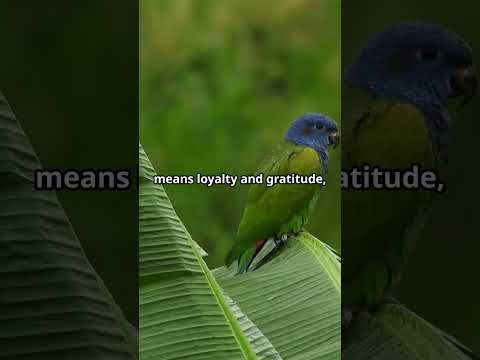
  • Kandina Jataka: Ancient Buddhist Tale of Wisdom and Virtue.

    Kandina Jataka: Ancient Buddhist Tale of Wisdom and Virtue | Timeless Life Lessons & Teachings
    Kandina Jataka: Ancient Buddhist Tale of Wisdom and Virtue.

    Kandina Jataka: Ancient Buddhist Tale of Wisdom and Virtue.

    Buddhist literature has preserved countless timeless stories that inspire us to live with compassion, mindfulness, and gratitude. Among these is a parable about a humble parrot who reminds us that virtue is shown not in words, but in actions. This tale is known as the Kandina Jataka, and its moral resonates just as strongly today as it did centuries ago.


    Introduction to Jataka Tales

    Jataka tales are narratives of the Buddha’s past lives, told to illustrate moral lessons and core teachings of the Dharma. They often feature animals or ordinary people who display wisdom, courage, or compassion. These stories are both spiritual teachings and cultural treasures, passed down to guide practitioners and communities toward a virtuous life.


    The Story of the Parrot

    In this tale, a parrot named Kandina lived peacefully in a forest, enjoying the shelter and food the trees provided. One day, a violent storm swept through, uprooting trees and leaving devastation. While other birds quickly abandoned the forest searching for safety, Kandina stayed behind.

    Moved by gratitude, he could not leave the fallen trees that had once protected him. His loyalty and compassion led him to mourn for the forest, even though it posed danger to remain.


    The Appearance of Sakka

    The god Sakka, moved by Kandina’s unwavering virtue, appeared to question the bird’s choice. Why risk his own safety for something that could not repay him? Kandina’s reply was simple yet profound: true virtue is loyalty and gratitude, even when nothing can be gained in return.

    This response revealed the depth of his wisdom. For Kandina, the forest was not just trees, but a source of life deserving respect. His gratitude turned into selfless compassion.


    The Moral of the Story

    Inspired by such devotion, Sakka restored the forest, rewarding the parrot’s pure-hearted loyalty. The moral is clear: wisdom and virtue are inseparable from compassion and gratitude. Kandina’s actions remind us that mindfulness is not only meditation, but also how we treat those who once supported us, even if they no longer can.

    The Kandina Jataka emphasizes:

    • Gratitude: honoring what has given us life and protection.
    • Compassion: caring for others regardless of their ability to repay.
    • Virtue: standing firm in moral values, even in times of hardship.

    Relevance Today

    Though told centuries ago, the message resonates deeply in modern life. In a world often driven by self-interest, this story encourages us to cultivate mindfulness of how interconnected we are with people, nature, and even experiences.

    The loyalty of the parrot teaches us that wisdom is expressed through small but meaningful acts of gratitude. Whether caring for loved ones, respecting the environment, or honoring traditions, the lessons of this tale guide us toward a more compassionate society.


    Conclusion

    The Kandina Jataka is more than a story; it is a reminder of the values that form the foundation of Buddhist practice. Loyalty, compassion, and gratitude are timeless virtues that strengthen our character and enrich our communities.

    By reflecting on stories like this, we can bring ancient wisdom into our daily lives and continue to walk the path of virtue.

    Kandina Jataka: Ancient Buddhist Tale of Wisdom and Virtue.
    Kandina Jataka: Ancient Buddhist Tale of Wisdom and Virtue.

    PS: The Kandina Jataka reminds us that true wisdom lies in compassion, gratitude, and loyalty. If you’d like more timeless Buddhist stories and teachings, don’t forget to subscribe to YourWisdomVault on YouTube for weekly insights.

    #Buddhism #KandinaJataka #JatakaTales #BuddhistStories #WisdomStories #Virtue #Compassion #Dharma #Mindfulness #AncientWisdom

  • The Wise King and the Triumph of Righteousness.

    The Wise King and the Triumph of Righteousness—A Timeless Tale of Justice, Truth, and Virtue.
    The Wise King and the Triumph of Righteousness.

    The Wise King and the Triumph of Righteousness.

    Stories carry wisdom across generations, and within Buddhist tradition, the Jataka tales stand out as timeless guides to living with virtue. One such tale, The Wise King and the Triumph of Righteousness, reminds us that true power does not come from wealth, weapons, or fear, but from justice and compassion. This story is more than just an ancient parable—it is a mirror for our lives today.

    The Jataka Tradition

    The Jataka tales are a collection of stories about the previous lives of the Buddha. In these narratives, the Buddha often appears as a king, a merchant, or even an animal, embodying qualities such as patience, honesty, and generosity. Each story highlights moral lessons that can guide everyday decisions, showing us how spiritual values hold greater weight than worldly success.

    The Story in Focus

    In this particular tale, a king is faced with challenges from enemies who seek to overpower his land. Instead of answering hostility with hostility, he embodies fairness and compassion. His people remain loyal not out of fear but because they trust his sense of justice. Even those who once opposed him come to respect his approach. Here, righteousness becomes a shield more powerful than armies.

    The tale reminds us that leadership rooted in virtue outlasts temporary victories achieved through aggression. The wise king does not merely protect his throne; he nurtures harmony in his kingdom and sets an example for generations to follow.

    Lessons for Modern Life

    While centuries old, the message of this Buddhist story remains relevant. We live in a time when authority is often measured in wealth, status, or influence. Yet, as the tale shows, these are fragile foundations. A ruler—or any individual—who chooses righteousness gains a form of respect and stability that cannot be destroyed.

    For personal growth, the story encourages us to pause before reacting with anger. In daily conflicts, whether at work, school, or home, deciding fairness and patience typically resolves issues more effectively than force. The wise king shows us that compassion is not weakness; it is strength guided by wisdom.

    Righteousness as Real Power

    One of the central themes of this tale is the nature of true power. Empires may rise and fall, but moral integrity endures. When we live in alignment with values like justice, kindness, and mindfulness, we create ripples that affect others positively. Just as the king’s virtue won the loyalty of his people, our actions influence those around us, building trust and harmony.

    This principle also connects deeply with Buddhist teachings on karma. Every choice plants a seed, and righteous choices bear lasting fruit. Choosing compassion, even when it is difficult, creates conditions for peace both within ourselves and in the world.

    Applying the Teaching Today

    How can we apply the message of this story in modern times? Here are a few reflections:

    • In leadership: Whether managing a team or guiding a family, fairness creates stronger bonds than authority alone.
    • In conflict: Responding with patience often de-escalates tension more effectively than harshness.
    • In self-growth: Practicing mindfulness helps us align daily choices with deeper values.

    The wise king demonstrates that wisdom and compassion are not just lofty ideals but practical tools for navigating life.

    Conclusion

    The Wise King and the Triumph of Righteousness is more than an ancient tale—it is a living reminder that true victory is born from virtue. By embracing righteousness, we can overcome challenges with dignity, inspire those around us, and leave behind a legacy of peace.

    In a world where strength is typically measured by force, this Buddhist story gently reminds us that justice and compassion are the real sources of lasting power.

    The Wise King and the Triumph of Righteousness.
    The Wise King and the Triumph of Righteousness.

    PS: If this story inspired you, don’t forget to subscribe to YourWisdomVault on YouTube for more timeless Buddhist tales, wisdom stories, and life lessons every week 🙏✨

    #Buddhism #JatakaTales #WisdomStories #SpiritualStories #Mindfulness #AncientWisdom #LifeLessons #BuddhistTeachings #Inspiration #MoralStories

  • Vannupatha Jataka—Buddhist Tale of the Sandbank.

    Vannupatha Jataka – Buddhist Tale of the Sandbank, Teaching Effort, Patience, and Wisdom.
    Vannupatha Jataka—Buddhist Tale of the Sandbank.

    Vannupatha Jataka—Buddhist Tale of the Sandbank.

    The Vannupatha Jataka, also known as The Story of the Sandbank, is one of the classic Jataka Tales—ancient Buddhist stories passed down for centuries to teach moral and spiritual lessons. Each Jataka recounts a past life of the Buddha, revealing timeless truths about compassion, patience, and wisdom.

    The Story

    A monk was traveling along a scorching riverbank under the midday sun. The river before him was wide and fast, with no bridge or ferry in sight. Its waters churned with dangerous currents. Crossing seemed impossible.

    Then, on the opposite bank, a wise elder appeared. Speaking clearly, the elder called out:
    “Beneath these waters lies a hidden sandbank. Step here, and the path will hold you.”

    The monk hesitated—how could such a path exist beneath the waves? Yet, trusting the elder’s guidance, he stepped where directed. Solid ground met his foot. Step by step, he crossed the river safely, the hidden sandbank carrying him to the far shore.

    The Lesson

    This story teaches that the way forward is not always visible. Life often presents us with “rivers” of challenge—financial hardship, personal doubt, emotional turmoil. In such moments, the right guidance can reveal safe footing we could not see alone.

    The monk’s trust was essential. Without belief in the elder’s wisdom, he might have stayed stranded. The lesson is clear: when we find trusted counsel, following it can bring us to safety.

    Why It Matters Today

    Though ancient, the message resonates in modern life. We face turbulent situations where solutions seem hidden. The sandbank becomes a metaphor for possibilities waiting beneath the surface—solutions we find only through patience, openness, and careful listening.

    In mindfulness practice, such teachings remind us to slow down, observe, and be receptive to subtle signs that can guide our next step.

    The Jataka Tales Tradition

    The Jataka Tales form an important part of Buddhist literature, preserved in monasteries, texts, and oral traditions across Asia. They blend narrative charm with moral clarity, making them accessible to children and adults alike.

    The Vannupatha Jataka, with its straightforward but profound metaphor, is a favorite for teaching the value of guidance, trust, and mindful action. It embodies the Buddhist principle that wisdom often comes through both insight and the willingness to follow a righteous path.

    Applying the Teaching

    1. Seek Guidance—Look for mentors, friends, or resources that can illuminate hidden paths.
    2. Trust the Process—Even when uncertain, proceed steadily with faith in good advice.
    3. Look Below the Surface—Some solutions aren’t immediately visible; patience reveals them.
    4. Take Measured Steps—Progress is typically made step by step, not in leaps.

    A Universal Symbol

    The hidden sandbank is more than just part of a story—it’s a universal symbol of resilience and possibility. We all encounter moments where we must step into the unknown, relying on the wisdom of others or our own quiet insight to guide us forward.

    When we think of this tale, we can remember times in our lives when a helping voice, a book, or even an inner nudge led us to firm ground. These are our personal “sandbanks”—steady paths that appear only when we trust and act.

    Conclusion

    The Vannupatha Jataka—Buddhist Tale of the Sandbank—offers a message of hope and trust that transcends time and culture. It reminds us that even when challenges appear insurmountable, guidance and patience can reveal the way forward. Whether you are a student of Buddhism or simply someone seeking encouragement, this story is a gentle yet powerful reminder: there may be a path beneath the waves—you just have to take the first step.

    Vannupatha Jataka—Buddhist Tale of the Sandbank.
    Vannupatha Jataka—Buddhist Tale of the Sandbank.

    PS: If you enjoyed the wisdom of the Vannupatha Jataka, be sure to subscribe to YourWisdomVault on YouTube for more timeless Buddhist stories and insights.

    #VannupathaJataka #BuddhistStories #JatakaTales #BuddhistWisdom #Mindfulness #LifeLessons #AncientWisdom #SpiritualStories #Buddhism #MoralStories