Tag: Buddhist path to enlightenment

  • Dhammapada 397: The True Brahmin—Deep Buddhist Wisdom.

    Dhammapada 397: The True Brahmin — Deep Buddhist Wisdom | Timeless Teaching on Peace and Virtue.
    Dhammapada 397: The True Brahmin—Deep Buddhist Wisdom.

    Dhammapada 397: The True Brahmin—Deep Buddhist Wisdom.

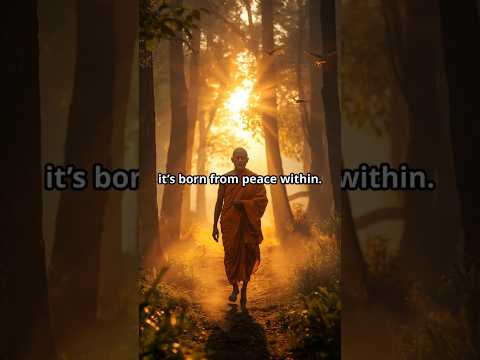
    True nobility has nothing to do with birth, wealth, or social standing. The Buddha taught that real purity arises from peace, compassion, and restraint. In Dhammapada 397, this truth shines clearly, reminding us that spiritual greatness is not inherited but cultivated. A true Brahmin, according to the Buddha, is not one born into a priestly class—it is one who has mastered the self and lives without harming any being. This verse captures the essence of Buddhist wisdom—that enlightenment begins within. The one who neither harms nor causes harm walks the true path of peace.

    The Meaning of Dhammapada 397

    Dhammapada 397 comes from the Brāhmaṇa Vagga, the Chapter of the Brahmin, in the ancient Pali text, the Dhammapada. Here, the Buddha redefines the word Brahmin, which traditionally referred to someone of high caste or ritual purity. Instead, the Buddha transforms it into a spiritual title, earned through inner purity and harmlessness. This teaching challenges the rigid social systems of ancient India and offers a universal truth: the worth of a person lies not in their lineage, but in their actions and intentions. The one who lives without violence or anger, who is patient and restrained, is the true Brahmin.

    The Path of Harmlessness

    At the heart of Dhammapada 397 lies the concept of Ahimsa—nonviolence. To be harmless is to live in awareness of every word, thought, and action. The Buddha’s teaching here calls for mastery of oneself—body, speech, and mind—so that one’s presence brings peace, not pain. Harmlessness does not mean weakness. It means strength guided by compassion. It means having the courage to meet conflict with calm, and the wisdom to choose peace over pride. Such a person, unshaken by praise or blame, moves through life like a gentle wind—touching everything but clinging to nothing.

    Inner Peace as True Strength

    Dhammapada 397 reminds us that the strongest person is not the one who conquers others, but the one who conquers themselves. When we control our anger, greed, and ego, we discover a deep freedom—the kind that cannot be taken away by circumstance. The Buddha often taught that self-mastery is the foundation of all spiritual growth. Through mindfulness and meditation, we learn to see clearly, act kindly, and live without causing harm. This is how the true Brahmin walks the path—with balance, wisdom, and compassion in every step.

    Living the Teaching Today

    How can we live the message of Dhammapada 397 in modern times? It begins with awareness. Every day offers moments to practice restraint, forgiveness, and kindness. When someone angers us, we can choose understanding over reaction. When life feels unfair, we can choose patience over frustration. True spiritual practice is not found only in temples or texts—it’s found in how we treat people, how we speak, and how we respond to the world. Living harmlessly doesn’t mean withdrawing from life. It means engaging with life skillfully—with an open heart and a calm mind.

    The True Brahmin Within

    Ultimately, Dhammapada 397 points inward. The “true Brahmin” is not somewhere outside us—it is the awakened potential within each of us. By walking the path of mindfulness and compassion, we become that noble being the Buddha described: one who brings peace instead of pain, light instead of shadow. When we embody harmlessness, we not only uplift ourselves but also everyone around us. In a world filled with noise, this quiet strength becomes the greatest form of wisdom.

    Conclusion: Becoming the Noble One

    The message of Dhammapada 397 is simple yet profound—nobility is born from peace, not privilege. The true Brahmin is one who has conquered the self and lives in harmony with all beings. Let this verse remind us that enlightenment begins with gentle steps: mindfulness, kindness, and compassion. As we practice harmlessness in thought and action, we move closer to the heart of Buddhist wisdom—and to the true freedom that lies beyond ego and fear.

    Dhammapada 397: The True Brahmin—Deep Buddhist Wisdom.
    Dhammapada 397: The True Brahmin—Deep Buddhist Wisdom.

    PS:
    If this teaching from the Buddha spoke to your heart, take a moment to subscribe to YourWisdomVault on YouTube. 🌿
    Each week we share short reflections, Dhammapada insights, and timeless Buddhist wisdom to help you walk the path of peace and mindfulness.

    #YourWisdomVault #BuddhistWisdom #Dhammapada #Mindfulness #InnerPeace #BuddhaTeachings #SpiritualGrowth #Meditation #DhammapadaQuotes #PeaceWithin

  • Walking the Path: Understanding Suffering in Buddhism.

    Walking the Path: Understanding Suffering in Buddhism and Finding Freedom Through Insight.
    Walking the Path: Understanding Suffering in Buddhism.

    Walking the Path: Understanding Suffering in Buddhism.

    In a world that constantly chases happiness, Buddhism offers a radically different perspective: instead of running from suffering, we are invited to face it, understand it, and ultimately transform it. Walking the path means meeting each moment with awareness, not resistance.

    At the heart of Buddhist philosophy lies the concept of dukkha, commonly translated as “suffering.” But this word encompasses more than just physical or emotional pain. Dukkha refers to the deep, underlying dissatisfaction that touches every aspect of life. Even in moments of joy, there’s an awareness that nothing lasts forever—everything changes, and clinging to the impermanent brings unease.

    The First Noble Truth: Life Involves Suffering

    The First Noble Truth of Buddhism teaches that suffering is an unavoidable part of life. Whether it’s the pain of loss, the stress of desire, or the fear of change, every human experiences some form of dukkha. Recognizing this truth isn’t meant to discourage us. Instead, it opens the door to deeper understanding and compassion.

    Rather than labeling suffering as “bad,” Buddhism teaches us to view it as a natural part of the human condition—something that can be understood, worked with, and even used as a catalyst for spiritual awakening.

    The Cause of Suffering: Attachment and Craving

    The Second Noble Truth points to the cause of suffering: attachment, craving, and clinging. We crave pleasure, permanence, control—yet none of these can ever be guaranteed. When reality doesn’t match our expectations, we suffer.

    Buddhist teachings urge us to observe these cravings without judgment. The goal isn’t to suppress desire, but to develop awareness around it. As we grow in mindfulness, we begin to see how often we grasp for things that cannot satisfy us in a lasting way.

    The Path to the End of Suffering

    The Third Noble Truth offers hope: suffering can end. This is not an abstract idea but a lived experience for many who walk the Eightfold Path, the practical roadmap of Buddhist practice.

    This path includes:

    • Right View: Understanding the nature of reality and the Four Noble Truths
    • Right Intention: Letting go of harmful desires and nurturing compassion
    • Right Speech: Speaking truthfully and kindly
    • Right Action: Acting ethically and non-violently
    • Right Livelihood: Earning a living in a way that supports life
    • Right Effort: Cultivating wholesome states of mind
    • Right Mindfulness: Being present in each moment with awareness
    • Right Concentration: Deepening focus through meditation

    Each of these steps helps loosen suffering’s grip by aligning us with a more conscious, compassionate way of living.

    Suffering as a Teacher

    In Western culture, we often avoid suffering at all costs. But Buddhist wisdom sees suffering as a profound teacher. When we stop avoiding discomfort and instead meet it with awareness, we gain insights into the nature of self, reality, and freedom.

    Suffering can teach us patience, resilience, and compassion—not just for ourselves but for all beings. When we suffer, we understand the suffering of others more deeply. This insight naturally gives rise to loving-kindness and the desire to ease suffering in the world.

    Living with Awareness

    One of the most powerful tools on this journey is mindfulness. When we bring conscious awareness to our thoughts, emotions, and sensations, we begin to respond instead of react. We create space for clarity. Instead of being consumed by suffering, we observe it with equanimity. Over time, this practice transforms our inner world—and the way we walk through life.


    Final Thoughts

    Suffering isn’t the end of the story—it’s the beginning of awakening. Buddhism doesn’t ask us to escape reality, but to engage with it more honestly. By walking the path with presence and intention, we can loosen the chains of suffering and discover a deeper peace that’s always been available within us.

    Walking the Path: Understanding Suffering in Buddhism.
    Walking the Path: Understanding Suffering in Buddhism.

    P.S. Still curious about the journey? Keep walking the path—and if this resonates with you, subscribe to Your Wisdom Vault on YouTube.

    #WalkingThePath #BuddhistWisdom #Mindfulness #Dukkha #SpiritualGrowth #InnerPeace #FourNobleTruths #MeditationPractice #YourWisdomVault

    And remember! In Buddhism, walking the path is less about reaching a destination and more about how we move through each step!

  • He Who Conquers Desire Finds Freedom From All Sorrow.

    He Who Conquers Desire Finds Freedom From All Sorrow and Walks the Peaceful Path of Wisdom.
    He Who Conquers Desire Finds Freedom From All Sorrow.

    He Who Conquers Desire Finds Freedom From All Sorrow

    How Letting Go Can Lead to Peace and True Inner Freedom

    In our fast-paced world, it’s easy to believe that fulfillment lies just beyond the next achievement, possession, or relationship. Desire is deeply embedded in the human experience — we desire comfort, success, recognition, even spiritual attainment. But according to the timeless teachings of the Buddha, unchecked desire is not the path to freedom — it is the root of suffering.

    The Buddha said, “He who conquers desire finds freedom from all sorrow.” This profound statement reminds us that liberation doesn’t come from getting more, but from needing less. When we learn to see desire for what it truly is — a temporary, often illusionary impulse — we begin to uncover the peace that’s already present within us.

    Understanding the Nature of Desire

    Desire itself isn’t inherently evil. In fact, some forms of desire — like the desire to grow, to love, or to understand — can be constructive. The issue lies in unwise or clinging desire: wanting something so deeply that we believe we cannot be happy without it.

    This kind of desire acts like a creeping vine in the mind. It entangles our thoughts, creates dissatisfaction, and constantly whispers, “You need more to be complete.” Whether it’s wealth, validation, pleasure, or status, the chasing never ends — and neither does the sorrow that follows.

    The Buddhist Perspective on Letting Go

    In Buddhism, the concept of tanhā (often translated as thirst or craving) is considered one of the main causes of suffering. It leads us to form attachments — to people, ideas, outcomes — and when those attachments inevitably change or dissolve, we feel pain. The one who conquers desire walks the path to lasting inner peace.

    Letting go isn’t about becoming passive or indifferent. It’s about seeing clearly. When we look at our desires with mindful awareness, we begin to loosen their grip. We realize that nothing outside of ourselves can offer permanent satisfaction. In that realization, a space opens — a space where true peace resides.

    Inner Peace Through Self-Mastery

    To conquer desire is to master the self. It’s not a battle of suppression but a gentle practice of inquiry and insight. Each time we feel an urge or longing, we have an opportunity to pause and ask:

    • What am I really looking for?
    • Is this desire arising from fear, lack, or ego?
    • Will this bring lasting peace, or just temporary pleasure?

    Through consistent mindfulness and reflection, we begin to dissolve the illusion that desire holds the keys to happiness. We shift from reacting to responding. From chasing to resting. From sorrow to serenity.

    A Modern Path to Ancient Wisdom

    You don’t need to live in a monastery or renounce the world to follow this path. Even in modern life, surrounded by temptation and noise, we can practice letting go. It might look like:

    • Choosing contentment over consumerism
    • Releasing the need to control how others see us
    • Letting go of toxic relationships or outdated goals
    • Turning inward for validation instead of constantly seeking it outside

    Each small act of release is a step toward freedom. And freedom, as the Buddha reminds us, is the end of sorrow.

    Final Thoughts: Your Freedom Is Already Within

    Desire will visit — that’s the nature of the mind. But it doesn’t have to rule your life. When you learn to observe it, question it, and release it, you reclaim your power. You find that joy is not in the next thing — it’s in this very moment, unburdened.

    Let this short teaching from YourWisdomVault be a reminder: true freedom isn’t found in getting more, but in letting go.

    He Who Conquers Desire Finds Freedom From All Sorrow
    He Who Conquers Desire Finds Freedom From All Sorrow

    If this message speaks to you, be sure to check out our YouTube Short: He Who Conquers Desire Finds Freedom From All Sorrow.


    And don’t forget to subscribe to YourWisdomVault on YouTube for more Buddhist wisdom, mindfulness insights, and timeless spiritual truths.

    P.S. The one who conquers desire doesn’t lose anything — they gain everything that truly matters: peace, clarity, and freedom from sorrow.

    #Buddhism #InnerPeace #LettingGo