Tag: Buddhist Philosophy Explained

  • Dhammapada 416 | Lessons on Discipline, Mindfulness & Peace.

    Dhammapada 416 | Lessons on Discipline, Mindfulness & Peace | Timeless Buddhist Wisdom Teaching.
    Dhammapada 416 | Lessons on Discipline, Mindfulness & Peace.

    Dhammapada 416 | Lessons on Discipline, Mindfulness & Peace.

    The Dhammapada is a treasured collection of the Buddha’s teachings, offering concise verses that speak directly to the human condition. Each verse reveals timeless wisdom that guides us toward mindfulness, compassion, and liberation. Among these teachings, Dhammapada 416 stands out as a reminder of what it means to live with detachment, inner calm, and self-mastery.

    The Verse and Its Meaning

    Dhammapada 416 belongs to the Brahmana Vagga, or “Chapter of the Holy One.” It describes a sage who is free from craving, attachment, and the dualities of merit and demerit. Such a person lives beyond the push and pull of worldly gain or loss.

    The verse emphasizes that holiness is not about status, robes, or ritual. Instead, the holy one is someone who has achieved true inner freedom. This means being calm in all situations, not bound by desire, and practicing restraint with mindfulness.

    Lessons on Self-Mastery

    Self-mastery is at the heart of this verse. The Buddha teaches that to master the world, one must first master the self. This involves observing cravings as they arise and choosing not to cling. By practicing mindfulness, we can release attachment to pleasure or pain, and in doing so, find true peace.

    In practical terms, self-mastery looks like patience when provoked, clarity in decision-making, and compassion even in difficult circumstances. It is the steady calm of a flame that does not flicker in the wind.

    The Path of Detachment

    Detachment in Buddhism does not mean apathy or indifference. Rather, it means seeing things as they truly are—temporary and ever-changing. When we cling to possessions, relationships, or outcomes, we create suffering. Dhammapada 416 reminds us that letting go of this clinging leads to freedom.

    Detachment allows us to love without grasping, to work without obsession, and to live without fear of loss. It is not about withdrawal from the world but about engaging with it from a place of balance and clarity.

    Applying the Teaching Today

    Modern life is filled with distractions, demands, and constant noise. The wisdom of Dhammapada 416 is as relevant now as it was centuries ago. By practicing mindfulness, we can:

    • Notice desires before they control us.
    • Pause before reacting in anger.
    • Let go of expectations that create disappointment.
    • Choose compassion over self-interest.

    In daily practice, this could mean taking time each morning for meditation, reflecting on moments of craving throughout the day, and ending the evening with gratitude for what is, rather than longing for what is not.

    Why This Verse Matters

    The world often measures success by wealth, power, or recognition. But Dhammapada 416 points us to a different measure of nobility: freedom from attachment. A person who is not swayed by gain or loss, who lives with mindfulness and restraint, is truly free.

    This teaching matters because it gives us a practical path to peace. Instead of chasing what never satisfies, we can cultivate contentment, equanimity, and compassion.

    Conclusion

    Dhammapada 416 is a call to live beyond craving and attachment. It indicates that holiness is not about outward appearances but about inner transformation. By practicing self-mastery, detachment, and mindfulness, we can live with peace and clarity in a chaotic world.

    The Buddha’s words remind us that true freedom is not found outside ourselves, but within. Each moment offers a chance to let go, to choose balance, and to walk the path of wisdom.

    Dhammapada 416 | Lessons on Discipline, Mindfulness & Peace.
    Dhammapada 416 | Lessons on Discipline, Mindfulness & Peace.

    PS: If this reflection gave you value, don’t forget to subscribe to YourWisdomVault on YouTube for more timeless Buddhist wisdom, mindfulness practices, and paths to inner peace.

    #Buddhism #Mindfulness #BuddhistWisdom #InnerPeace #Meditation #SelfMastery #Detachment #Spirituality #WisdomQuotes #YourWisdomVault
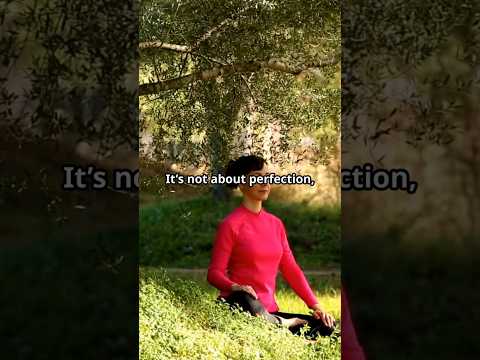
  • The Wise Delight in Watchfulness – A Path to Inner Peace!

    The Wise Delight in Watchfulness—A Path to Inner Peace and Lasting Harmony of Mind and Spirit!
    The Wise Delight in Watchfulness – A Path to Inner Peace!

    The Wise Delight in Watchfulness – A Path to Inner Peace!

    In today’s fast-paced, overstimulated world, most of us live on autopilot—scrolling, reacting, chasing. We’re constantly distracted, rarely stopping to notice the present moment. But according to the teachings of the Buddha, watchfulness—the art of being aware—is the cornerstone of a wise and peaceful life.

    The Dhammapada, a collection of the Buddha’s sayings, reminds us:
    “The wise delight in watchfulness. The fool sleeps as if already dead.”
    This powerful line cuts through modern noise and directs us back to what truly matters: awareness.


    What Is Watchfulness?

    In Buddhist philosophy, watchfulness is closely tied to mindfulness (sati in Pali). It refers to the continuous, conscious observation of our thoughts, feelings, and actions. It’s not passive—it’s a sharp, clear, and compassionate awareness of what’s happening in the present moment.

    Watchfulness is not just something we practice during meditation. It’s meant to be woven into everyday life—while eating, walking, talking, working, even resting. The wise delight in watchfulness because it keeps them connected to reality as it is, not as the mind imagines it.


    Why Do the Wise Delight in It?

    The wise understand that suffering often arises from mindlessness—when we react impulsively, get caught in cravings, or cling to our ego. But through watchfulness, we create a space between stimulus and response. That space gives birth to clarity, wisdom, and peace.

    Being watchful doesn’t mean being paranoid or hyper-vigilant. Instead, it’s about being present and grounded. It means noticing the anger rise before we speak, or seeing the craving form before it controls us. It means observing the moment just as it is, without judgment or attachment.

    The wise delight in this practice because it frees them from the trap of unconscious living. In that freedom, there is joy—deep, stable, and lasting.


    Watchfulness as a Path to Inner Peace

    When we are truly watchful, we’re no longer slaves to our emotions or desires. We respond instead of react. We observe instead of obsess. This shift brings a profound sense of inner peace.

    Consider how much of our suffering is created by the mind: regrets about the past, anxieties about the future, or stories we tell ourselves. Watchfulness gently brings us back to the now—where life actually happens. In that space, peace naturally arises.

    Over time, this present-moment awareness becomes a refuge. Whether you’re facing stress, conflict, or confusion, watchfulness gives you a grounded perspective. It doesn’t mean you won’t feel pain, but it does mean you’ll suffer less.


    How to Practice Watchfulness Daily

    You don’t need to be a monk or meditate for hours to develop watchfulness. Here are some practical ways to cultivate it daily:

    1. Start with the breath – Take a few moments each morning to simply observe your breath. Notice it without trying to change it. This anchors your attention.
    2. Pause before reacting – When emotions arise, try to pause. Ask yourself: “What am I feeling right now? What triggered this?”
    3. Mindful transitions – Use natural transitions (like walking to your car or making tea) as cues to check in with yourself.
    4. Evening reflection – Before bed, review your day. Where were you present? Where were you distracted? This builds awareness over time.

    Final Thoughts

    The wise delight in watchfulness because it offers them freedom—from illusion, reactivity, and unnecessary suffering. It’s not about being perfect—it’s about being present. Moment by moment, breath by breath.

    Watchfulness doesn’t require special tools or deep philosophy—it just asks that you pay attention. And in that simple act, transformation begins.

    If you’re seeking more mindful content, Buddhist reflections, and timeless teachings, follow us on YouTube at YourWisdomVault.

    The Wise Delight in Watchfulness – A Path to Inner Peace!
    The Wise Delight in Watchfulness – A Path to Inner Peace!

    P.S. True wisdom isn’t found in knowing more—but in noticing more. Stay watchful, stay present, and let peace unfold with every breath.

    #Mindfulness #BuddhistWisdom #InnerPeace #Watchfulness #DailyAwareness #SpiritualGrowth #Dhammapada #WiseLiving #SelfAwareness #YourWisdomVault