Tag: buddhist philosophy

  • The Trap of Mind: Escaping Thought in Buddhist Wisdom.

    The Trap of Mind: Escaping Thought in Buddhist Wisdom and Finding Freedom Through Awareness.
    The Trap of Mind: Escaping Thought in Buddhist Wisdom.

    The Trap of Mind: Escaping Thought in Buddhist Wisdom.

    In our fast-paced, hyperconnected world, the mind often feels like a storm that never settles. Constant thoughts about the past, worries about the future, and judgments about the present can leave us feeling trapped. In Buddhist philosophy, this mental prison is known as the trap of mind—the tendency to become so absorbed in thinking that we miss the reality unfolding in front of us.

    Understanding and escaping this trap is not about erasing thoughts but about changing our relationship with them. The more we see thoughts for what they are—fleeting mental events—the less power they have over our happiness.

    What Is the Trap of Mind?

    The trap of mind refers to the human habit of over-identifying with our thoughts. Most people believe that every story their mind tells is true. Yet the mind is not an objective reporter; it is more like a storyteller, weaving narratives based on memory, conditioning, and emotion.

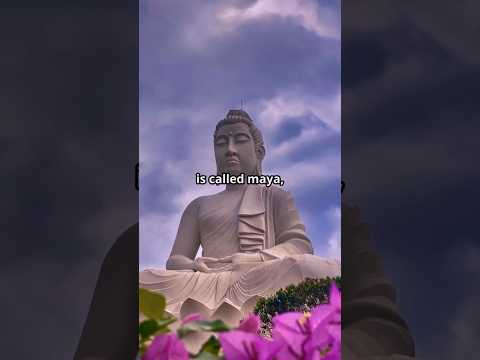
    Buddhist teachings describe this mental chatter as maya, or illusion. We don’t see reality directly; we see it through a filter of interpretation. The problem arises when we treat these interpretations as reality itself, leading to misunderstanding, emotional reactivity, and unnecessary suffering.

    How the Trap of Mind Causes Suffering

    Being caught in the trap of mind means living in a world of mental projections rather than actual experience. This can manifest in many ways:

    • Anxiety: Fear of what might happen tomorrow.
    • Regret: Replaying past mistakes and missed opportunities.
    • Judgment: Criticizing ourselves or others based on imagined standards.
    • Disconnection: Missing the richness of life because we’re lost in thought.

    The suffering doesn’t come from life events alone but from the mind’s ongoing commentary about them.

    Escaping the Trap of Mind Through Mindfulness

    Buddhism offers practical tools to step out of this mental maze. The most direct is mindfulness—the practice of paying attention to the present moment without judgment.

    1. Breath Awareness

    Anchor yourself to the here and now by feeling the rhythm of your breathing. When you notice your attention drifting into stories, gently guide it back. Over time, this loosens the grip of the trap of mind.

    2. Labeling Thoughts

    When a thought arises, label it simply: “planning,” “remembering,” “judging.” This creates a gap between awareness and thought, showing you that you are the observer, not the thinker.

    3. Compassionate Observation

    Meet your thoughts with curiosity rather than resistance. Struggling against the mind can make it more chaotic; gentle observation allows thoughts to dissolve naturally.

    The Role of Present-Moment Awareness

    Present-moment awareness is the antidote to the trap of mind. When you immerse yourself in what’s happening now—hearing birdsong, feeling the sun on your skin, tasting your food—the mind’s illusions fade into the background.

    Shifting Your Identity

    Perhaps the deepest Buddhist insight is that you are not your thoughts. You are the awareness that notices them. This shift in identity breaks the spell of the trap of mind, because thoughts lose their authority when you stop confusing them for truth.

    Practical Daily Practices

    To integrate these teachings into daily life, consider:

    • Morning meditation: 10 minutes of mindful breathing to start the day.
    • Mindful transitions: Pause between tasks to notice your mental state.
    • Gratitude journaling: Focusing on what’s real and positive reduces overthinking.
    • Digital breaks: Stepping away from constant information intake allows the mind to settle.

    Conclusion

    The trap of mind can feel inescapable when you’re inside it, but Buddhist wisdom shows that the door is always open. By practicing mindfulness, embracing the present moment, and remembering that you are not your thoughts, you can walk out of the mental prison and into clarity, peace, and freedom. True liberation is not found in controlling every thought—it’s in realizing you were never truly trapped.

    The Trap of Mind: Escaping Thought in Buddhist Wisdom.
    The Trap of Mind: Escaping Thought in Buddhist Wisdom.

    PS: If this insight resonates with you, subscribe to YourWisdomVault on YouTube for more Buddhist wisdom and mindfulness tips—your journey to inner freedom starts here.

    #BuddhistWisdom #Mindfulness #TrapOfMind #Overthinking #SpiritualGrowth #MeditationPractice #InnerPeace #BuddhistTeachings #MindfulnessMeditation #MentalClarity #PresentMoment #AwarenessPractice #LetGoOfThoughts #SelfDiscovery #InnerFreedom

  • The Trap of Virtue: How Goodness Can Become Your Prison.

    The Trap of Virtue: How Goodness Can Become Your Prison—A Subtle Lesson in True Freedom.
    The Trap of Virtue: How Goodness Can Become Your Prison.

    The Trap of Virtue: How Goodness Can Become Your Prison.

    In Buddhism, the path toward goodness is essential—but it’s not the final destination. The trap of virtue occurs when our attachment to being “good” becomes another form of bondage. We may think we are free because we act kindly, speak gently, and follow moral guidelines. Yet, when virtue becomes part of our ego identity, it can hinder rather than help our spiritual growth.

    The Buddha never discouraged virtue; in fact, ethical conduct is one of the Three Trainings. But he warned that clinging to any identity, even that of a “good person,” can obstruct the realization of non-self.

    How Attachment Turns Goodness Into a Cage

    The Buddha taught that suffering arises from attachment—not only to desires and possessions but also to ideals. The trap of virtue happens when we cling to our sense of morality as a source of self-worth.

    Imagine a meditator who follows every precept perfectly but secretly fears making a moral error. They may become rigid, uncomfortable with others who follow a different path, or even judgmental of those they perceive as less virtuous. This fear and comparison reveal the subtle chains of ego.

    In the Dhammapada, the Buddha cautions against pride in virtue, comparing it to a shadow that follows us—unseen, yet always present. The challenge lies in practicing morality without making it a personal trophy.

    The Illusion of Moral Superiority

    One of the most dangerous aspects of the trap of virtue is the illusion of moral superiority. When we define ourselves by our goodness, we risk placing ourselves above others, even unconsciously. This can block compassion, because true compassion flows without judgment.

    It also blinds us to our flaws. When we are convinced of our moral standing, we may dismiss feedback or fail to see where our actions are driven by ego rather than genuine care. This is why humility is considered a higher virtue than moral perfection.

    Practicing Non-Attachment in Virtue

    Escaping the trap of virtue doesn’t mean abandoning kindness or moral principles. It means practicing them without ego investment. Virtue should be a natural expression of awareness, not a badge of honor.

    Mindfulness helps by allowing us to observe our intentions. Are we helping because it’s truly needed or because it makes us feel like a “good person”? If our actions require recognition to feel complete, we are still trapped.

    When goodness flows from a state of awareness, it is effortless. There is no need to calculate or perform. The action becomes its reward.

    Signs You Might Be Caught in the Trap

    Here are some subtle signs that the trap of virtue might be influencing you:

    • You feel anxious about making moral mistakes.
    • You seek approval for doing good deeds.
    • You judge others who act differently.
    • You cling to rules without considering compassion.
    • You feel your value comes from your morality.

    Recognizing these patterns is the first step toward freedom.

    Living Beyond the Trap of Virtue

    To move beyond the trap of virtue, Buddhist wisdom points us toward non-attachment and mindfulness. This means acting with integrity because it is natural, not because it defines who we are.

    Daily meditation supports this shift. By sitting in awareness, we see that our identity is fluid and our worth is not tied to behavior labels. As the Heart Sutra reminds us, “Form is emptiness, emptiness is form.” Virtue, when understood deeply, is not an identity but a harmonious way of moving through life.

    When virtue flows from the heart without the weight of ego, it resembles a flower blooming in the sun—beautiful, unforced, and without the need for an audience.

    Final Reflection

    The trap of virtue is subtle but deeply important to recognize. By letting go of the ego’s need to own goodness, we open ourselves to deeper compassion, true humility, and lasting inner peace. Virtue then becomes not a cage, but a natural part of our awakened being—an effortless reflection of a mind that is truly free.

    The Trap of Virtue: How Goodness Can Become Your Prison.
    The Trap of Virtue: How Goodness Can Become Your Prison.

    P.S. If this teaching spoke to you, subscribe to YourWisdomVault on YouTube for more Buddhist wisdom, mindfulness practices, and timeless insights for living with awareness. Your journey to freedom from subtle attachments starts here. 🌿

    #Buddhism #Mindfulness #BuddhistWisdom #InnerPeace #Attachment #EgoTrap #SpiritualGrowth #Meditation #NonAttachment #SelfAwareness #Compassion #Enlightenment #BuddhistTeaching #WisdomShorts #YourWisdomVault

  • Beyond Wisdom: Profound Buddhist Teachings & Insight.

    Beyond Wisdom: Profound Buddhist Teachings & Insight on Enlightenment, Peace, and Clarity.
    Beyond Wisdom: Profound Buddhist Teachings & Insight.

    Beyond Wisdom: Profound Buddhist Teachings & Insight.

    In today’s information-driven world, the idea of wisdom often gets tangled with knowledge. We read more, listen more, and accumulate facts, hoping to feel wiser and more complete. But in Buddhist teachings, true insight doesn’t come from gathering—it comes from letting go. And that’s where we begin to understand what it really means to go beyond wisdom.

    Redefining Wisdom in the Buddhist Path

    Wisdom in Buddhism, or prajñā, isn’t about intellect. It’s about seeing reality clearly, without distortion. It’s the direct experience of impermanence, suffering, and the absence of a permanent self. But even these concepts, once grasped by the mind, can become traps. We cling to them, identify with them, and in doing so, lose the clarity we seek.

    That’s why the most profound teachings often point us to something deeper—something beyond wisdom. It’s not a rejection of wisdom but a realization that the ultimate truth can’t be fully captured in words or thoughts.

    Letting Go of Knowing

    To step beyond conventional wisdom, we must let go of the need to know everything. This doesn’t mean ignorance—it means surrendering the ego’s attachment to certainty. When we stop trying to “figure it all out,” we create space for direct experience to arise.

    Moments of stillness, mindfulness, or even confusion can open a doorway to truth. This truth isn’t intellectual. It’s felt, lived, and seen without the filters of judgment or ego. This is the realm that lies beyond wisdom—where peace arises not from control, but from release.

    The Ego’s Last Stand

    Ironically, the desire to be wise can be one of the ego’s most subtle traps. We may start on the spiritual path with sincere intention, but over time, our sense of self can wrap itself around spiritual identity. “I am wise.” “I understand.” “I’ve seen the truth.”

    Buddhism gently cuts through this illusion. The teachings remind us that the self trying to become enlightened is itself part of the illusion. To go beyond wisdom is to loosen this grip—to let wisdom be what it is: a guide, not a badge of honor.

    Practice: Seeing Clearly in Daily Life

    This journey isn’t confined to temples or retreats. Every moment offers a chance to return to presence. Washing dishes, talking with a friend, or walking outside—all are opportunities to see clearly.

    Mindfulness practice reveals the shifting nature of reality. Thoughts, sensations, and identities—they rise and fall. As we observe without clinging, insight emerges naturally. And this insight often says very little. It’s quiet, clear, and deeply liberating.

    It doesn’t shout, “You’re wise now.” It simply allows us to be—free from illusion, free from striving. This is the quiet territory just beyond wisdom, where being replaces becoming.

    Why It Matters

    In an age of endless opinions and spiritual noise, the reminder to go beyond surface-level understanding is powerful. We don’t need more noise—we need clarity. Buddhist insight offers that not through complexity, but through simplicity and silence.

    The teaching isn’t about abandoning wisdom but recognizing when it turns into another form of grasping. Letting go doesn’t mean giving up—it means opening up to something deeper, more honest, and more free.

    Final Reflection

    To live beyond wisdom is to live without clinging—even to wisdom itself. It’s to trust that what you’re seeking isn’t somewhere else, in another book, another teacher, or another belief—but already here, waiting in stillness.

    The more we let go, the more we see. And in that seeing, we find what no amount of knowledge can offer: peace, presence, and true insight.

    Beyond Wisdom: Profound Buddhist Teachings & Insight.
    Beyond Wisdom: Profound Buddhist Teachings & Insight.

    P.S. If this reflection spoke to you, consider subscribing to YourWisdomVault on YouTube for weekly Buddhist shorts and insights that go straight to the heart.

    #Buddhism #BeyondWisdom #Mindfulness #SpiritualInsight #BuddhistTeachings #LettingGo #Dharma #Meditation #InnerPeace

  • Walking the Path to Freedom—A Short Buddhist Insight.

    Walking the Path to Freedom—A Short Buddhist Insight on Mindful Living and Inner Liberation.
    Walking the Path to Freedom—A Short Buddhist Insight.

    Walking the Path to Freedom—A Short Buddhist Insight.

    Freedom is a word often associated with external conditions—political rights, personal choices, financial independence. But Buddhism invites us to explore a much deeper, more transformative form of freedom: inner liberation. This isn’t about escaping responsibilities or avoiding life’s challenges. It’s about waking up to the truth of who we are beyond fear, craving, and illusion.

    The Buddhist path to freedom is built on the foundation of the Four Noble Truths. These timeless teachings remind us that suffering (dukkha) exists, that it has a cause—craving and attachment—and that there’s a path to freedom through ethical living, mindfulness, and wisdom. This path isn’t abstract; it’s lived in each moment, breath by breath, step by step.

    Mindfulness is at the core of this journey. In Buddhist philosophy, mindfulness means more than just being present. It’s a conscious awareness infused with clarity and compassion. When we practice mindfulness, we observe our thoughts and emotions without being entangled in them. We start to recognize the ways our mind reacts—grasping at pleasure, resisting pain, clinging to identity.

    It is this habitual reactivity that binds us. Freedom comes when we respond rather than react. When we pause instead of reaching for distraction. When we sit with discomfort instead of numbing it. These moments of mindful awareness are not small—they are revolutionary. They interrupt the unconscious cycle of suffering and offer a glimpse of our inherent spaciousness.

    Letting go is another essential teaching. In the West, “letting go” often sounds like loss. But in the Buddhist tradition, it’s liberation. Letting go doesn’t mean detachment from life—it means non-attachment to outcomes. We can love deeply, work passionately, and care sincerely—without clinging. This kind of non-attachment brings ease, flexibility, and resilience.

    We suffer most when we try to control what is uncontrollable: time, change, other people, even our own emotions. The Buddhist insight into impermanence teaches us that all conditioned things arise and pass. No joy or sorrow is permanent. By accepting this, we soften our grip. We begin to trust the flow of life instead of fighting against it.

    Meditation is the training ground for this inner freedom. In meditation, we sit with ourselves—not to escape the world, but to see it more clearly. We meet our own mind with gentleness. We watch thoughts come and go. We realize : we are not our thoughts. We are not our fears. We are the awareness that holds it all.

    Through consistent practice, the mind settles. A calm mind sees reality as it is, without distortion. This clarity is what the Buddha called prajna—wisdom. It cuts through illusion, helping us see the emptiness of ego and the interconnectedness of all beings. From this space, compassion arises naturally.

    The spiritual journey is not always smooth. There will be challenges, doubts, and distractions. But every time we return to the present moment, we take another step on the path of freedom. Every moment of awareness is an act of liberation.

    You don’t need to become a monk, renounce the world, or attain perfection. The Buddhist path is not about achieving something outside yourself. It’s about uncovering what has always been there—peace, clarity, and freedom, right here, right now.

    So ask yourself, what can I let go of today? What craving or fear can I meet with mindfulness? Even the smallest shift in awareness opens the door to inner freedom.

    The path to freedom is not a destination—it’s a way of being. A way of seeing. A way of walking through the world with openness, courage, and compassion.

    Walking the Path to Freedom—A Short Buddhist Insight.
    Walking the Path to Freedom—A Short Buddhist Insight.

    P.S.
    The path to freedom begins with a single moment of awareness. If this resonates with you, subscribe to YourWisdomVault on YouTube for more insights on walking it with clarity and purpose.

    #PathToFreedom #MindfulLiving #BuddhistJourney #InnerPeace #SpiritualAwakening #LettingGo #DharmaPath #MeditationPractice #SelfAwareness #BuddhistTeachings