Tag: Buddhist wisdom stories

  • Sankhadhamana Jataka—Buddhist Morality Story of Wisdom.

    Sankhadhamana Jataka — Buddhist Morality Story of Wisdom | Timeless Lesson on Virtue and Karma.
    Sankhadhamana Jataka—Buddhist Morality Story of Wisdom.

    Sankhadhamana Jataka – Buddhist Morality Story of Wisdom.

    For centuries, Buddhist traditions have used stories to share lessons of morality, compassion, and mindfulness. Among the most treasured are the Jataka tales, narratives of the Buddha’s many past lives. Each tale contains a moral insight that still resonates today. One such story is the Sankhadhamana Jataka, a tale about wisdom, clarity, and the dangers of blind belief.

    This blog explores the background of the story, its main teachings, and how its lessons remain relevant in our modern lives.

    What Are Jataka Tales?

    The Jataka tales are an ancient collection of stories that trace the Buddha’s countless lifetimes before his final enlightenment. Across these lives, he cultivated virtues such as patience, truthfulness, generosity, and wisdom. These tales were originally told to both inspire and educate, often shared in monasteries and among communities as both spiritual lessons and entertaining folklore.

    By presenting Buddhist principles in the form of engaging stories, the Jataka tales made teachings accessible for people of all ages. The Sankhadhamana Jataka belongs to this vast collection and emphasizes the importance of mindfulness over superstition.

    The Story of the Sankhadhamana Jataka

    In the tale, a caravan of merchants sets out across a dangerous desert. During their journey, they hear a conch shell echoing in the distance. Believing it to be a divine sign, they follow the sound with complete faith. However, the sound is not a divine guide but a trick, leading them away from safety.

    The Buddha, in one of his past lives, appears as a wise figure who sees through the illusion. He warns the caravan and helps them recognize that relying on signs without understanding can be harmful. This insight becomes the heart of the story’s teaching.

    Moral Lessons of the Story

    The Sankhadhamana Jataka conveys a clear and powerful message: mindfulness and wisdom protect us better than blind faith.

    Important lessons include:

    • Appearances can deceive – not everything that seems holy or divine is trustworthy.
    • Wisdom requires clarity – by questioning and reflecting, we uncover the truth.
    • Mindfulness provides safety – awareness prevents us from being led astray.

    These lessons are timeless. Even today, we often face situations where appearances are misleading or where blind trust can cause harm. The story urges us to pause, observe carefully, and use wisdom as our guide.

    Relevance in Today’s World

    The teachings of this tale extend far beyond its ancient origins. In the modern era, where we are surrounded by constant information, advertisements, and voices competing for attention, it is easy to be misled. The Sankhadhamana Jataka reminds us to be discerning and thoughtful before placing trust in external influences.

    Mindfulness practices, inspired by Buddhism, have become increasingly popular around the world. By training ourselves to observe reality without distortion, we can make wiser decisions in our personal lives, relationships, and even in society at large. The story provides a spiritual foundation for this modern movement toward clarity.

    Why This Tale Still Matters

    Beyond its role as a moral story, this Jataka illustrates the universal challenge of seeking truth. Every individual encounters moments of doubt, deception, or confusion. Stories like this one encourage us to trust in our inner clarity rather than external illusions.

    The Sankhadhamana Jataka continues to inspire because it addresses a human struggle that transcends culture and time. Whether one practices Buddhism or simply seeks meaningful life lessons, the story highlights that wisdom is an essential safeguard in a complex world.

    Conclusion

    The Sankhadhamana Jataka is more than a Buddhist folktale. It is a reminder that mindfulness and clarity are stronger than superstition or blind faith. The story of the caravan and the conch shell illustrates that true protection comes not from illusions but from awareness.

    Through reflecting on the lessons of the Sankhadhamana Jataka, we can learn to question, observe, and walk through life with greater wisdom. In doing so, we protect ourselves from harm and embrace the timeless guidance of Buddhist morality stories.

    Sankhadhamana Jataka – Buddhist Morality Story of Wisdom.
    Sankhadhamana Jataka – Buddhist Morality Story of Wisdom.

    PS: If this story inspired reflection, support more wisdom-filled content by subscribing to YourWisdomVault on YouTube and joining our growing community of seekers. 🙏✨

    #BuddhistStories #WisdomTales #LifeLessons #Mindfulness #Buddhism #Dharma #AncientWisdom #MoralStories #BuddhistTeachings

  • Kancanakkhandha Jataka | Buddhist Story of Greed.

    Kancanakkhandha Jataka | Buddhist Story of Greed | Timeless Lesson on Desire and Wisdom.
    Kancanakkhandha Jataka | Buddhist Story of Greed.

    Kancanakkhandha Jataka | Buddhist Story of Greed.

    Among the many Buddhist Jataka tales that share timeless wisdom, the Kancanakkhandha Jataka stands out as one of the most memorable. Jataka stories are narratives of the Buddha’s previous lives, teaching moral lessons through vivid imagery and parable. Each Jataka is more than a folktale—it is a spiritual teaching preserved for centuries. The Kancanakkhandha Jataka, with its image of a golden tree, explores the destructive power of greed and the importance of contentment.

    The Golden Tree in the Forest

    The story begins in a quiet forest where a remarkable golden tree grew. Its trunk shone like polished metal, and its branches glittered in the sun. Travelers who saw it believed they had stumbled upon limitless wealth. News of the tree spread quickly. Merchants, villagers, and fortune-seekers traveled far to reach it. Each person believed the golden tree would make them rich beyond imagination.

    But as is often the case, what shines on the outside may not bring joy on the inside. The golden tree was a test. Those who approached it with greed were destined to find only frustration.

    Conflict Among the Seekers

    As the crowd grew, so did the conflict. Instead of sharing or reflecting, people began to fight. Arguments turned into physical struggles as each person wanted to claim the tree alone. This frenzy of desire revealed human weakness. The Buddha, living one of his past lives during this time, observed the chaos and spoke of the truth: the golden tree was an illusion. It was not real wealth, but a mirror reflecting the desires of the heart.

    This moment of revelation was a turning point in the tale. It made clear that greed fails to deliver happiness and leads to conflict, suffering, and emptiness.

    The Moral of the Kancanakkhandha Jataka

    The Kancanakkhandha Jataka carries a moral that is as relevant today as it was in ancient times. Material wealth and possessions can never satisfy the endless hunger of desire. Chasing after illusions leads only to sorrow. True happiness arises not from what we own but from how we understand and accept life.

    Buddhism teaches that craving is one of the root causes of suffering. This story captures that truth in a way that is easy to remember: the shining golden tree promises everything, but those who pursue it gain nothing. The only true treasure is contentment.

    Applying the Lesson Today

    Although this story is centuries old, it has great relevance in the modern world. Today’s society is filled with golden trees of its own—luxury items, social status, digital distractions, and endless promises of success. Just like the people who gathered around the golden tree, many of us chase after illusions without pausing to reflect.

    By learning from the Kancanakkhandha Jataka, we are reminded to practice mindfulness. When we recognize desire rising in the mind, we can step back and ask whether the pursuit will truly bring peace. Often, the answer is no. The practice of contentment and gratitude allows us to live with greater joy and less stress, even in a world filled with temptation.

    Wisdom in Everyday Life

    The lesson of this Jataka tale is not limited to monks or scholars—it is useful for everyone. Parents can teach their children that sharing is better than fighting. Workers can remember that cooperation brings more lasting results than selfish competition. Spiritual seekers can use the story as a meditation tool, reflecting on the emptiness of craving and the peace of simplicity.

    The strength of the Kancanakkhandha Jataka lies in its universality. Whether in a small village centuries ago or in today’s fast-paced cities, the core truth remains: greed leads to suffering, while wisdom leads to freedom.

    Conclusion

    The golden tree of the Kancanakkhandha Jataka shines not as a promise of wealth but as a reminder of impermanence and desire. When we chase illusions, we gain only emptiness. When we cultivate contentment, we gain true peace. This Buddhist story continues to inspire because it speaks directly to the human heart. It invites us to let go of greed and embrace wisdom, compassion, and mindfulness. In this way, the ancient story becomes a living guide for modern life.

    Kancanakkhandha Jataka | Buddhist Story of Greed.
    Kancanakkhandha Jataka | Buddhist Story of Greed.

    P.S. If you enjoy timeless Buddhist wisdom and inspiring life lessons, make sure to subscribe to YourWisdomVault on YouTube for daily shorts that nourish the mind and spirit.

    #BuddhistStories #BuddhistWisdom #YourWisdomVault

  • Nanda Jataka: The Lesson of Greed in Buddhist Folktale.

    Nanda Jataka: The Lesson of Greed in Buddhist Folktale | Timeless Story of Desire and Wisdom.
    Nanda Jataka: The Lesson of Greed in Buddhist Folktale.

    Nanda Jataka: The Lesson of Greed in Buddhist Folktale.

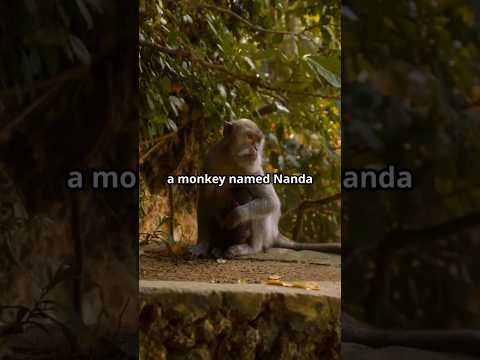
    Among the treasured tales of Buddhist literature, the Nanda Jataka carries a message that has echoed through centuries. It tells the story of a monkey named Nanda, whose cleverness was overshadowed by his greed. While the surface reads like a simple folktale, its deeper lesson addresses the human tendency to cling to desire and ignore compassion.

    The Story of Nanda

    In this tale, Nanda the monkey believes he can always outsmart others. He seizes more food, takes what does not belong to him, and acts with little concern for the surrounding community. For a time, his cunning appears successful. But soon his greed leads him into a trap of his making. Instead of gaining joy, he suffers loss.

    The Nanda Jataka shows the Buddha, in one of his past lives, teaching that selfishness brings suffering. By overreaching, Nanda proved that desire blinds judgment and weakens character. His story is a reminder that what seems clever in the moment can turn into a downfall when guided by greed.

    Lessons from the Tale

    This Jataka emphasizes that true happiness is not found in accumulation but in moderation and generosity.

    • Greed creates bondage. The more we grasp, the more we feel trapped.
    • Generosity creates freedom. Sharing with others brings trust and harmony.
    • Moderation sustains peace. When we balance our needs, we discover contentment.

    These lessons continue to guide modern readers, showing how ancient wisdom applies to daily struggles with desire and temptation.

    Modern Relevance

    Though written centuries ago, the message of the Nanda Jataka is especially relevant today. Modern culture often celebrates ambition, consumption, and competition. We are encouraged to acquire more, climb higher, and hold tighter. Yet these pursuits often leave us restless and unfulfilled.

    The monkey’s story mirrors our experiences when greed drives decisions. Whether in careers, relationships, or possessions, chasing more without compassion leads to emptiness. By contrast, choosing generosity, humility, and mindfulness opens the door to peace and satisfaction.

    The Jataka Tradition

    The Nanda Jataka belongs to the larger body of Jataka Tales, a collection of stories that depict the Buddha’s past lives. Each tale reveals how virtues such as patience, truth, compassion, and wisdom were practiced across many lifetimes. These stories are more than folklore—they are moral guides passed down to teach ordinary people in simple, memorable ways.

    In Nanda’s case, the Buddha highlights how even the most intelligent beings can fall when driven by greed. This lesson is not only for monks or scholars but for anyone seeking a meaningful life.

    Reflection for Today’s Reader

    The story of Nanda invites us to ask, where does greed appear in our lives? Do we cling to possessions, recognition, or control at the expense of kindness? Are we missing opportunities to practice generosity because we fear having less?

    By reflecting on these questions, readers can transform the moral of the tale into personal practice. Each act of generosity, no matter how small, becomes a step away from bondage and a step toward freedom.

    Conclusion

    The Nanda Jataka is more than the story of a monkey. It is a mirror reflecting our struggles with desire and a guide pointing toward a path of balance. Its lesson is timeless: greed leads to loss, but generosity leads to abundance.

    At YourWisdomVault, we share these Buddhist stories so that their wisdom continues to inspire. May the tale of Nanda encourage you to live with compassion, moderation, and a spirit of giving that enriches both yourself and those around you.

    Nanda Jataka: The Lesson of Greed in Buddhist Folktale.
    Nanda Jataka: The Lesson of Greed in Buddhist Folktale.

    P.S. If the Nanda Jataka inspired you, don’t miss more timeless Buddhist stories and wisdom—subscribe to YourWisdomVault on YouTube for weekly reflections. 🌿

    #NandaJataka #JatakaTales #BuddhistStories #YourWisdomVault #BuddhistWisdom #LifeLessons #SpiritualStories #AncientWisdom #Mindfulness #Buddhism

  • Tittira Jataka: Buddhist Parable on Unity & Wisdom.

    Tittira Jataka: Buddhist Parable on Unity & Wisdom | Timeless Lesson on Friendship and Harmony.
    Tittira Jataka: Buddhist Parable on Unity & Wisdom.

    Tittira Jataka: Buddhist Parable on Unity & Wisdom.

    Buddhist teachings have been passed down for centuries not only through philosophy and meditation but also through memorable stories. These parables, known as Jataka tales, use simple characters to express profound truths. One such story is the Tittira Jataka, a timeless reminder that unity and respect are essential for peaceful living. Though the setting is a quiet forest, the lesson still echoes loudly in today’s complex world.

    The Story of the Animals

    In the Tittira Jataka, three animals—a partridge, a monkey, and an elephant—shared the same forest. Each believed they were the most senior and therefore entitled to the highest respect. A dispute arose, but instead of allowing conflict to grow, they decided to determine who truly came first.

    After reflecting on their experiences, it became clear that the partridge was the eldest. The monkey and elephant accepted this realization with humility. By recognizing the partridge’s seniority, they began to listen to its wisdom. From that moment forward, the three animals lived harmoniously, avoiding quarrels and protecting one another.

    Lessons in Respect and Cooperation

    The message of the Tittira Jataka is straightforward yet powerful: true peace arises when pride is set aside, and respect is given where it is due. The partridge did not seek power, but its experience made it a source of guidance. The others gained strength not by competing but by cooperating.

    In human life, this principle is equally important. Families thrive when younger generations honor the wisdom of their elders. Communities grow stronger when diverse voices are acknowledged and respected. Workplaces function more smoothly when colleagues value each other’s knowledge rather than competing for recognition.

    Modern Relevance of an Ancient Tale

    The relevance of this Buddhist parable is striking in our modern era. We live in a time of constant disagreement—political, cultural, and personal. The Tittira Jataka shows us another path. Instead of allowing differences to divide, we can embrace humility, listen more deeply, and find strength through unity.

    For those who practice mindfulness, the story reinforces the importance of awareness and patience. Conflict often arises from ego, while harmony grows from compassion. Just as the monkey and elephant recognized the partridge’s wisdom, we too can learn to appreciate the perspectives of others in our families, workplaces, and communities.

    Practical Applications in Daily Life

    Applying the parable to modern living can be simple yet transformative:

    • In relationships: Listen actively, respect differing opinions, and remember that love grows stronger through mutual understanding.
    • In communities: Value contributions from all members, regardless of age, background, or status.
    • In leadership: Lead with humility, recognizing that wisdom is not confined to a single person.
    • In personal growth: Release pride and remain open to learning from every situation, even from unexpected teachers.

    By following these practices, we not only reduce conflict but also cultivate deeper bonds of trust and cooperation.

    Why Jataka Tales Still Matter

    Jataka tales like the Tittira Jataka are more than ancient fables; they are practical guides for living. Their characters may be animals in distant forests, but the values they teach—respect, unity, and mindfulness—are universal. These stories endure because they touch the heart while sharpening the mind, reminding us that peace is always possible when we live with compassion and humility.

    Conclusion

    The Tittira Jataka continues to inspire because it reveals a simple but profound truth: unity is stronger than division, and respect is more powerful than pride. In a world often torn by conflict, this Buddhist parable encourages us to live with mindfulness, listen with openness, and act with compassion. When we honor the wisdom of others and work together, we build harmony not just in our personal lives, but in society as a whole.

    Tittira Jataka: Buddhist Parable on Unity & Wisdom.
    Tittira Jataka: Buddhist Parable on Unity & Wisdom.

    P.S. 🌟 If this story inspired you, don’t forget to subscribe to YourWisdomVault on YouTube for more timeless Buddhist tales, life lessons, and wisdom stories every week 🙏✨

    #TittiraJataka #Buddhism #JatakaTales #BuddhistStories #WisdomStories #Mindfulness #LifeLessons #UnityAndWisdom #YourWisdomVault