Tag: Buddhist wisdom stories

  • Kulavaka Jataka | Buddhist Wisdom & Moral Story Explained.

    Kulavaka Jataka | Buddhist Wisdom & Moral Story Explained | Timeless Lesson on Compassion.
    Kulavaka Jataka | Buddhist Wisdom & Moral Story Explained.

    Kulavaka Jataka | Buddhist Wisdom & Moral Story Explained.

    The Jataka tales are timeless Buddhist stories that preserve the compassion and wisdom of the Buddha across his many lifetimes. Each story conveys a moral lesson designed to guide us toward mindfulness, kindness, and spiritual growth. Among these narratives is the Kulavaka Jataka, a tale that demonstrates how even the smallest being can make a powerful difference through courage and determination.

    The Story of the Kulavaka Jataka

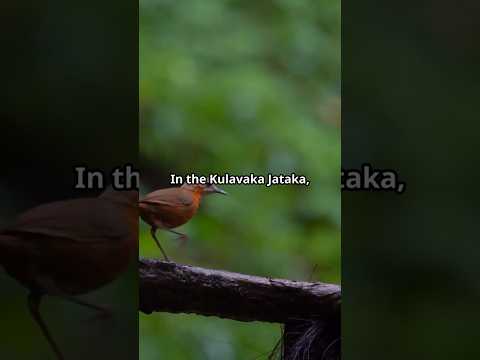
    In the Kulavaka Jataka, the Bodhisatta is reborn as a tiny bird living in a dense forest. One day, disaster strikes—a massive fire breaks out, spreading rapidly through the trees. The flames threaten to destroy the entire forest and all the creatures within it.

    The animals panic. Lions, elephants, and deer run desperately to save their lives, convinced that nothing can stop the destruction. They believe the fire is too powerful for anyone to challenge.

    But the little bird refuses to give up. With wings too small to carry much, it flies back and forth tirelessly, scooping up drops of water and releasing them over the flames. The effort seems hopeless, but the bird remains steadfast, driven by compassion for the forest and all its inhabitants.

    The gods observe this extraordinary determination. Moved by the bird’s selflessness and unshakable courage, they send down rain from the heavens. The storm extinguishes the fire, saving the forest and proving that even the smallest act of effort can spark miraculous change.

    Moral and Lessons

    The Kulavaka Jataka carries a message that remains just as relevant today as it was centuries ago. True greatness does not depend on size, wealth, or power. Instead, it emerges from effort, determination, and the desire to help others.

    This Jataka tale reminds us that:

    • Even small actions can create significant impact.
    • Courage is shown by persistence, not by physical strength.
    • Compassion has the power to inspire forces greater than ourselves.
    • Selfless intention can transform overwhelming challenges into hopeful victories.

    The Bodhisatta’s actions as a tiny bird teach us that every contribution matters, no matter how insignificant it may appear at first glance.

    Relevance in Daily Life

    The Kulavaka Jataka is more than an ancient fable; it is a guide for modern living. In our daily lives, we often face situations where our efforts feel too small to count. Whether it is contributing to environmental protection, helping a neighbor, or practicing kindness in small interactions, the story encourages us to act.

    When many small actions come together, they create large-scale transformation. Recycling one bottle may not stop pollution, but millions of people recycling can heal ecosystems. Offering one kind word may not change the world, but it can change someone’s day—and that ripple can extend farther than we imagine.

    Buddhist Wisdom in the Jataka Tales

    The Jataka tales, including the Kulavaka Jataka, illustrate the Buddha’s countless lifetimes of cultivating virtues such as patience, generosity, and wisdom. They show that enlightenment is not achieved in a single moment, but through consistent practice over many lives. Each story becomes both a reflection of the Bodhisatta’s journey and a mirror for our growth.

    These tales invite us to examine our lives. Are we acting with compassion? Are we persisting when challenges feel overwhelming? Are we contributing to the well-being of others, even in small ways? In this sense, the Jataka tales are not just ancient folklore but practical teachings for spiritual development.

    Conclusion

    The Kulavaka Jataka is far more than a story about a bird and a fire. It is a profound reminder that determination, courage, and compassion can overcome even the greatest challenges. The tiny bird did not measure success by the size of its wings but by the strength of its intention.

    By applying this wisdom in our daily lives, we can approach obstacles with resilience and believe in the impact of our actions. The Jataka tales, with their timeless insights, continue to light the way for those who seek mindfulness, kindness, and spiritual growth.

    Kulavaka Jataka | Buddhist Wisdom & Moral Story Explained.
    Kulavaka Jataka | Buddhist Wisdom & Moral Story Explained.

    PS: If you enjoyed this story and want to explore more timeless Buddhist wisdom, subscribe to YourWisdomVault on YouTube for weekly Jataka tales and moral stories. 🙏✨

    #KulavakaJataka #JatakaTales #BuddhistWisdom #MoralStories #YourWisdomVault
  • Sukhavihari Jataka | A Buddhist Tale of True Contentment.

    Sukhavihari Jataka | A Buddhist Tale of True Contentment, Inner Peace, and Simple Living.
    Sukhavihari Jataka | A Buddhist Tale of True Contentment.

    Sukhavihari Jataka | A Buddhist Tale of True Contentment.

    The Jataka tales, ancient stories of the Buddha’s past lives, have guided seekers of wisdom for centuries. Each parable carries a moral lesson that is as relevant today as it was thousands of years ago. Among these is the Sukhavihari Jataka, a narrative that shines a light on the meaning of true happiness. In a world obsessed with material success, this story reminds us that joy often arises not from having more, but from needing less.

    The Story of the Happy Dweller

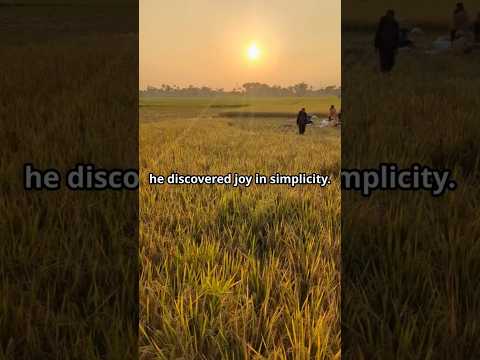
    The tale centers on a man known as Sukhavihari, which translates to “one who dwells happily.” He lived simply, owning little more than his clothes and the peace of his mind. Unlike others who pursued riches or recognition, he found satisfaction in the present moment. His calm heart and unshakable joy puzzled those around him. How could someone with so little live so fully?

    The answer lay in his perspective. Rather than craving what he lacked, he cherished what he already had. His happiness was not tied to possessions but to inner freedom. This earned him the title of a “happy dweller,” someone at ease in the world just as it is.

    Lessons on Contentment

    The Sukhavihari Jataka teaches that craving has no natural end. As soon as one desire is fulfilled, another takes its place. This endless cycle leads to exhaustion and disappointment. The story shows that freedom comes when we step away from the chase.

    Contentment does not mean refusing ambition or rejecting effort. Instead, it means appreciating the journey rather than hinging joy on the next goal. Gratitude and mindfulness transform even small, ordinary moments into sources of lasting peace.

    Applying the Wisdom in Modern Life

    Today’s world is louder, faster, and more demanding than ever before. Advertisements promise happiness through purchases, while social media invites constant comparison. Many find themselves striving endlessly yet feeling unsatisfied.

    Here, the lesson of the Jataka becomes strikingly relevant. The wisdom of Sukhavihari suggests slowing down, appreciating what is already present, and choosing simplicity when possible. Small practices help: mindful breathing to reset the mind, journaling daily blessings to spark gratitude, or unplugging from devices to reconnect with the natural world. Each step loosens the grip of craving and invites a sense of calm.

    Why the Tale Still Matters

    The name Sukhavihari is more than a label—it is a reminder that we too can “dwell happily.” His life was not about escaping the world but about meeting it with balance. Even surrounded by others striving for more, he showed another path: one of inner strength, calm, and freedom.

    In Buddhist philosophy, this ability to live lightly is central. By softening our attachment to constant desire, we create space for wisdom and compassion. The story continues to inspire because it speaks to the universal human longing for peace.

    Conclusion

    The Sukhavihari Jataka is not just an old tale—it is a timeless guide. It reminds us that wealth is not the measure of joy, and that freedom arises when we stop chasing endlessly. The example of the happy dweller shows that life’s deepest treasure is already available: a calm mind and a grateful heart.

    By choosing mindfulness, gratitude, and simplicity, we step onto the same path. May this story inspire us to dwell more lightly and live with contentment in every moment.

    Sukhavihari Jataka | A Buddhist Tale of True Contentment.
    Sukhavihari Jataka | A Buddhist Tale of True Contentment.

    P.S. If you enjoyed this story, make sure to subscribe to YourWisdomVault on YouTube for more timeless Buddhist tales and life lessons delivered each week.

    #BuddhistStories #JatakaTales #Mindfulness #Wisdom #YourWisdomVault

  • The Rice Grain Parable—Lessons in Karma and Wisdom.

    The Rice Grain Parable—Lessons in Karma and Wisdom, Revealing Truth Through Simple Acts.
    The Rice Grain Parable—Lessons in Karma and Wisdom.

    The Rice Grain Parable—Lessons in Karma and Wisdom.

    Stories are among the most powerful ways to pass wisdom from one generation to another. Buddhist parables often use everyday objects to reveal deeper truths, and one of the most memorable is the Rice Grain Parable. This story reminds us that even the smallest things in life can hold great meaning, especially when it comes to karma and mindfulness.

    In this post, we’ll explore the parable, uncover its lessons, and see how its timeless wisdom still applies in our modern world.


    The Parable of the Rice Grain

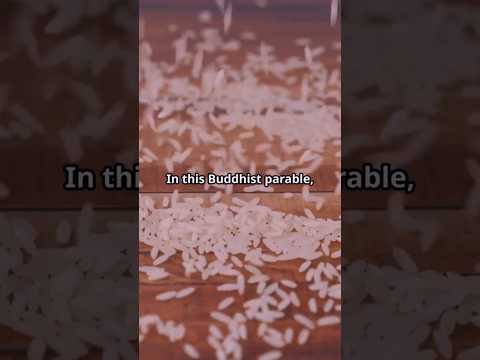
    The tale begins with something ordinary—a single rice grain. It may seem too small to matter, yet in the story, it becomes a symbol of awareness and responsibility. In Buddhist teaching, nothing is insignificant. Every action, no matter how minor, has weight.

    The rice grain represents the subtle ways in which we overlook or dismiss the small details in life. By ignoring them, we risk missing the greater lessons hidden in plain sight.


    Karma in Small Actions

    At the heart of this parable is karma—the principle that actions bring results. Many people associate karma only with dramatic deeds, but the parable makes it clear: small gestures count too. Carelessness with a single rice grain can symbolize how even minor neglect can ripple outward.

    This isn’t a call for perfection but for mindfulness. By paying attention to the little things, we cultivate habits that shape our character and influence our future.


    Lessons for Daily Living

    The Rice Grain Parable still resonates because its message is practical. Here are key lessons we can apply today:

    1. Gratitude for simplicity—Appreciating what we often take for granted deepens mindfulness.
    2. Mindful decisions—Each choice is like planting a seed that will eventually grow.
    3. Compassion in action—Even small acts of kindness matter.
    4. Respect for resources—Valuing the smallest things helps us live with care and balance.

    Why the Message Endures

    What makes this parable so powerful is its accessibility. Everyone knows what a rice grain looks like; it’s a universal image. That familiarity makes the story easy to remember, and its lesson easy to apply: the smallest details shape the bigger picture.

    In a fast-paced, distracted world, this reminder is more relevant than ever. By slowing down and noticing the little things, we connect more deeply to life and to others.


    Applying the Parable Today

    The wisdom of this teaching can guide us in everyday situations:

    • Mindful eating: Respect each bite, starting with the first rice grain on your plate.
    • Small kindnesses: A gentle word or thoughtful gesture can brighten someone’s day.
    • Conscious living: Using resources wisely honors both the earth and the effort of others.

    Conclusion

    The Rice Grain Parable reveals that wisdom doesn’t always come through grand gestures—it often shines through simplicity. Each action, no matter how small, carries meaning and consequence.

    As we move through life, let us remember that just as a rice grain contributes to the harvest, our daily choices create the fabric of our future. By valuing even the smallest details, we walk the path of mindfulness, compassion, and clarity.

    The Rice Grain Parable—Lessons in Karma and Wisdom.
    The Rice Grain Parable—Lessons in Karma and Wisdom.

    PS: If this story inspired you to reflect on the power of small actions, don’t forget to subscribe to YourWisdomVault on YouTube for more timeless Buddhist wisdom and mindful living insights. 🌿

    #BuddhistWisdom #MindfulLiving #KarmaLessons #LifeLessons #AncientWisdom #SpiritualGrowth #MindfulnessPractice #InnerPeace

    Remember: even the smallest actions shape the path of your life—choose them with mindfulness and compassion. 🌿