Tag: Buddhist wisdom teachings

  • Dhammapada 266: The Quiet Power of Renunciation in Buddhism.

    Dhammapada 266: The Quiet Power of Renunciation in Buddhism.
    Dhammapada 266: The Quiet Power of Renunciation in Buddhism.

    Dhammapada 266: The Quiet Power of Renunciation in Buddhism.

    Renunciation is often misunderstood as rejection or withdrawal, but in Buddhist teaching it points to something far more subtle. The Buddha consistently emphasized inner transformation over outer performance, and nowhere is this clearer than in the reflections inspired by Dhammapada 266. This verse invites us to look honestly at how attachment shapes our suffering and how clarity arises when we let go.

    Rather than demanding dramatic sacrifice, the teaching asks for awareness. When craving loosens its grip, the mind naturally settles. This inner release is the quiet strength at the heart of renunciation.

    What Renunciation Really Means in Buddhism

    In common language, renunciation sounds severe. It can evoke images of denial, struggle, or deprivation. In Buddhist philosophy, however, renunciation is the act of releasing what causes distress. Dhammapada 266 highlights that liberation does not come from appearances, labels, or forced discipline, but from sincere insight into the nature of attachment.

    Renunciation begins when we notice how often the mind grasps at pleasure, certainty, or identity. It is not the world that binds us, but our clinging to it. When we understand this, letting go becomes an act of wisdom rather than loss.

    Inner Transformation Over Outer Identity

    A key theme in Buddhist wisdom is that spiritual progress cannot be measured by outward signs. Wearing certain clothes, following rituals, or adopting a spiritual identity does not automatically lead to freedom. Dhammapada 266 reminds us that true renunciation happens internally, where craving fades and awareness grows.

    This teaching encourages self-honesty. Instead of judging others or ourselves by appearances, we are invited to observe the mind directly. As attachment weakens, compassion and clarity arise naturally.

    Non-Attachment as a Path to Peace

    Non-attachment does not mean indifference. It means engaging fully with life without being controlled by desire or aversion. The Buddha taught that suffering arises when we cling to what is impermanent. Dhammapada 266 points to this truth with simplicity and precision.

    When we practice non-attachment, emotions still arise, but they no longer dominate us. Joy is experienced without fear of loss. Difficulty is met without resistance. This balance creates a deep sense of peace that does not depend on external conditions.

    Renunciation in Daily Life

    Renunciation is not reserved for monks or retreat settings. It can be practiced in ordinary moments. Choosing not to react immediately, letting go of resentment, or releasing unrealistic expectations are all forms of inner renunciation. Dhammapada 266 shows that wisdom is expressed through everyday choices, not grand gestures.

    Even small acts of letting go reduce mental noise. Over time, these moments accumulate, reshaping how we relate to ourselves and the world.

    Why the Dhammapada Remains Relevant Today

    The Dhammapada continues to guide practitioners because its teachings address universal human patterns. Desire, fear, and attachment are as present today as they were centuries ago. Dhammapada 266 speaks directly to this timeless struggle, offering a path that is practical, compassionate, and achievable.

    Rather than offering abstract philosophy, the verse encourages lived understanding. It asks us to examine our habits and discover where freedom is possible right now.

    Letting Go Without Losing Joy

    A common fear is that renunciation will drain life of meaning. Buddhism teaches the opposite. When attachment falls away, appreciation deepens. Dhammapada 266 reveals that clarity enhances joy rather than diminishing it.

    By releasing the need to control outcomes, we become more present. Simple moments gain richness. Relationships become less burdened by expectation. This is the quiet power of renunciation.

    A Teaching to Return to Again and Again

    Some teachings reveal their depth only through repeated reflection. Dhammapada 266 is one of them. Each time we return to its message, we may notice a new layer of understanding. What once felt abstract becomes personal and immediate.

    In this way, the verse becomes a companion rather than a rule. It reminds us that freedom grows through awareness, honesty, and gentle release.

    Conclusion: Clarity Is the Gift of Renunciation

    Renunciation is not about removing ourselves from life. It is about removing the causes of suffering within the mind. Dhammapada 266 offers a quiet but powerful reminder that clarity arises when we stop clinging.

    By practicing inner renunciation, we discover a freedom that is stable, compassionate, and deeply human. This teaching remains relevant because it speaks not to who we appear to be, but to how we live and understand ourselves moment by moment.

    Dhammapada 266: The Quiet Power of Renunciation in Buddhism.
    Dhammapada 266: The Quiet Power of Renunciation in Buddhism.

    PS: If reflections like this help you slow down and see more clearly, subscribe to YourWisdomVault on YouTube for daily Buddhist wisdom and quiet reminders to let go.

    #Dhammapada #BuddhistWisdom #Renunciation #NonAttachment #Mindfulness #InnerPeace #BuddhistPhilosophy #LettingGo
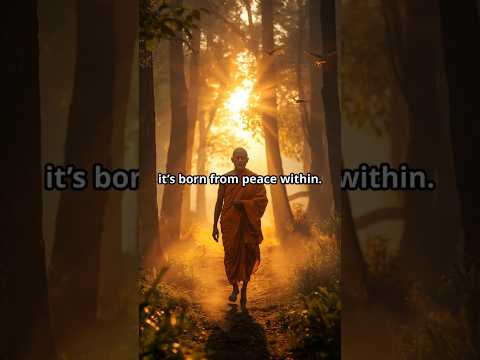
  • Dhammapada 397: The True Brahmin—Deep Buddhist Wisdom.

    Dhammapada 397: The True Brahmin — Deep Buddhist Wisdom | Timeless Teaching on Peace and Virtue.
    Dhammapada 397: The True Brahmin—Deep Buddhist Wisdom.

    Dhammapada 397: The True Brahmin—Deep Buddhist Wisdom.

    True nobility has nothing to do with birth, wealth, or social standing. The Buddha taught that real purity arises from peace, compassion, and restraint. In Dhammapada 397, this truth shines clearly, reminding us that spiritual greatness is not inherited but cultivated. A true Brahmin, according to the Buddha, is not one born into a priestly class—it is one who has mastered the self and lives without harming any being. This verse captures the essence of Buddhist wisdom—that enlightenment begins within. The one who neither harms nor causes harm walks the true path of peace.

    The Meaning of Dhammapada 397

    Dhammapada 397 comes from the Brāhmaṇa Vagga, the Chapter of the Brahmin, in the ancient Pali text, the Dhammapada. Here, the Buddha redefines the word Brahmin, which traditionally referred to someone of high caste or ritual purity. Instead, the Buddha transforms it into a spiritual title, earned through inner purity and harmlessness. This teaching challenges the rigid social systems of ancient India and offers a universal truth: the worth of a person lies not in their lineage, but in their actions and intentions. The one who lives without violence or anger, who is patient and restrained, is the true Brahmin.

    The Path of Harmlessness

    At the heart of Dhammapada 397 lies the concept of Ahimsa—nonviolence. To be harmless is to live in awareness of every word, thought, and action. The Buddha’s teaching here calls for mastery of oneself—body, speech, and mind—so that one’s presence brings peace, not pain. Harmlessness does not mean weakness. It means strength guided by compassion. It means having the courage to meet conflict with calm, and the wisdom to choose peace over pride. Such a person, unshaken by praise or blame, moves through life like a gentle wind—touching everything but clinging to nothing.

    Inner Peace as True Strength

    Dhammapada 397 reminds us that the strongest person is not the one who conquers others, but the one who conquers themselves. When we control our anger, greed, and ego, we discover a deep freedom—the kind that cannot be taken away by circumstance. The Buddha often taught that self-mastery is the foundation of all spiritual growth. Through mindfulness and meditation, we learn to see clearly, act kindly, and live without causing harm. This is how the true Brahmin walks the path—with balance, wisdom, and compassion in every step.

    Living the Teaching Today

    How can we live the message of Dhammapada 397 in modern times? It begins with awareness. Every day offers moments to practice restraint, forgiveness, and kindness. When someone angers us, we can choose understanding over reaction. When life feels unfair, we can choose patience over frustration. True spiritual practice is not found only in temples or texts—it’s found in how we treat people, how we speak, and how we respond to the world. Living harmlessly doesn’t mean withdrawing from life. It means engaging with life skillfully—with an open heart and a calm mind.

    The True Brahmin Within

    Ultimately, Dhammapada 397 points inward. The “true Brahmin” is not somewhere outside us—it is the awakened potential within each of us. By walking the path of mindfulness and compassion, we become that noble being the Buddha described: one who brings peace instead of pain, light instead of shadow. When we embody harmlessness, we not only uplift ourselves but also everyone around us. In a world filled with noise, this quiet strength becomes the greatest form of wisdom.

    Conclusion: Becoming the Noble One

    The message of Dhammapada 397 is simple yet profound—nobility is born from peace, not privilege. The true Brahmin is one who has conquered the self and lives in harmony with all beings. Let this verse remind us that enlightenment begins with gentle steps: mindfulness, kindness, and compassion. As we practice harmlessness in thought and action, we move closer to the heart of Buddhist wisdom—and to the true freedom that lies beyond ego and fear.

    Dhammapada 397: The True Brahmin—Deep Buddhist Wisdom.
    Dhammapada 397: The True Brahmin—Deep Buddhist Wisdom.

    PS:
    If this teaching from the Buddha spoke to your heart, take a moment to subscribe to YourWisdomVault on YouTube. 🌿
    Each week we share short reflections, Dhammapada insights, and timeless Buddhist wisdom to help you walk the path of peace and mindfulness.

    #YourWisdomVault #BuddhistWisdom #Dhammapada #Mindfulness #InnerPeace #BuddhaTeachings #SpiritualGrowth #Meditation #DhammapadaQuotes #PeaceWithin

  • Dhammapada 404 | The Noble Path Beyond Conflict and Fear.

    Dhammapada 404 | The Noble Path Beyond Conflict and Fear | Timeless Buddhist Teaching on Peace.
    Dhammapada 404 | The Noble Path Beyond Conflict and Fear.

    Dhammapada 404 | The Noble Path Beyond Conflict and Fear.

    The Dhammapada is a treasured collection of Buddhist verses that distill the Buddha’s teachings into short, memorable lines of wisdom. For well over two thousand years, it has guided monks, scholars, and everyday seekers in their pursuit of peace. Each verse reveals a different facet of the path to liberation, offering practical guidance for daily life as well as profound spiritual truths.

    Among these verses, Dhammapada 404 stands out. It describes the qualities of one who is truly noble, not because of worldly achievement, but because of their freedom from fear, conflict, and craving. This verse invites us to reflect on the difference between external success and inner liberation.


    The Verse and Its Meaning

    Dhammapada 404 tells us that the noble one is not defined by titles, wealth, or outward victory. Instead, nobility arises from wisdom, detachment, and the ability to live free from inner turmoil. The verse describes a person who has cut through blind belief, severed the roots of craving, and awakened to the “Uncreated,” or the truth that lies beyond conditioned reality.

    This isn’t simply a description of a saintly figure from long ago. It’s a mirror for us — showing what is possible when we dedicate ourselves to the practice of mindfulness and insight. The noblest of humans is one who has conquered themselves.


    Conflict, Fear, and the Human Condition

    Conflict is part of human life. We see it in politics, families, workplaces, and even within our hearts. Fear is often the hidden force behind these struggles — fear of loss, fear of rejection, fear of death. Left unchecked, fear fuels anger, attachment, and endless cycles of craving.

    According to Buddhist teaching, the root cause of fear is ignorance. When we do not see clearly, we cling to things as though they will last forever. We depend on fragile conditions for happiness, and when those conditions shift, fear arises.

    Dhammapada 404 points toward the freedom that comes when craving and ignorance are uprooted. Temporary conditions do not enslave the noble one. They do not depend on external victories for peace. Their stability comes from inner clarity, making them unshakable in the face of life’s storms.


    The Noble Path in Practice

    So how do we bring this verse into practice today? Even if complete liberation feels far away, the steps outlined in the Buddha’s path give us a direction to follow.

    1. Cultivating Mindfulness
      By training attention, we begin to see thoughts and emotions as they arise. Fear loses its grip when it is observed rather than obeyed.
    2. Letting Go of Craving
      Craving creates suffering by making us chase after what can never satisfy us fully. Contentment, generosity, and simplicity help weaken its hold.
    3. Investigating with Wisdom
      Blind belief is replaced with direct understanding. The Buddha encouraged questioning and personal experience, not passive acceptance.
    4. Living with Compassion
      A truly noble life radiates kindness. When fear and craving dissolve, compassion flows naturally. This benefits not only ourselves but everyone around us.

    Through these practices, we slowly embody the qualities described in Dhammapada 404. Each step forward is a victory greater than any external conquest.


    Why This Verse Matters in the Modern World

    We live in a time of constant distraction, stress, and division. News headlines remind us daily of conflict and uncertainty. Many people live under the weight of anxiety and fear of the future.

    This is why Dhammapada 404 remains so powerful today. It offers a reminder that true peace doesn’t come from controlling circumstances but from transforming the mind. By letting go of craving and cultivating wisdom, we create an inner stability that no external event can shake.

    The verse also challenges modern assumptions about success. In a culture that prizes achievement, wealth, and status, it reminds us that real nobility is measured not by what we gain, but by what we release.


    Practical Reflections

    • When you feel fear rising, pause and breathe. Notice what craving or attachment lies beneath it.
    • Reflect on times when conflict arose in your life. Was it fueled by misunderstanding or clinging to being right?
    • Consider the qualities of someone you see as truly noble. Are they defined by wealth, or by peace and wisdom?

    These small reflections turn the ancient verse into living wisdom for modern life.


    Conclusion

    Dhammapada 404 is more than a line of scripture — it’s a call to transformation. It reminds us that the noblest person is not one who conquers others, but one who has conquered themselves. By letting go of fear, craving, and blind belief, we step onto the noble path of freedom.

    This teaching is as urgent today as it was in the Buddha’s time. In our own small ways, we can practice mindfulness, cultivate compassion, and live with clarity. As we do, we discover the peace that lies beyond conflict and fear — the peace of the Noble Path.

    Dhammapada 404 | The Noble Path Beyond Conflict and Fear.
    Dhammapada 404 | The Noble Path Beyond Conflict and Fear.

    P.S. If the wisdom of Dhammapada 404 resonates with you, don’t miss more timeless Buddhist insights — subscribe to YourWisdomVault on YouTube today and continue walking the path toward peace. 🌿

    #Dhammapada404 #Buddhism #BuddhaWisdom #YourWisdomVault #InnerPeace #Mindfulness #NoblePath #SpiritualGrowth #OvercomingFear #DailyWisdom

  • Varuni Jataka: The Story of Desire, Greed, and Consequence.

    Varuni Jataka: Buddhist Story of Desire, Greed, and Consequence | Timeless Lesson on Wisdom.
    Varuni Jataka: Buddhist Story of Desire, Greed, and Consequence.

    Varuni Jataka: Buddhist Story of Desire, Greed, and Consequence.

    The Jataka tales form one of the richest collections of moral stories in Buddhist tradition. Each tale recounts a past life of the Buddha, offering timeless wisdom that speaks directly to the human condition. These stories are not abstract philosophy but practical reflections on everyday struggles—anger, compassion, greed, and mindfulness. Among them, the Varuni Jataka carries a vivid warning about the destructive nature of unchecked desire.

    The Story Retold

    In the Varuni Jataka, the central figure is a woman named Varuni. Her downfall was not caused by external enemies but by the cravings of her heart. Instead of practicing contentment, she surrendered to greed. At first, the choice looked harmless, even appealing. Yet the result was suffering and regret.

    The Buddha compared her craving to drinking salt water: the more you drink, the thirstier you become. Desire promises relief but delivers only deeper dissatisfaction. By telling this story, the Buddha reminded listeners that greed is never satisfied; it multiplies itself endlessly.

    The Symbolism of Desire

    The Varuni Jataka is not only a story about one woman’s weakness. It symbolizes the universal trap of desire. Human beings often imagine that the next purchase, achievement, or indulgence will finally bring lasting happiness. Instead, each new acquisition leaves us searching for more.

    The imagery of salt water is striking because it exposes the paradox of craving. We grasp for satisfaction, yet the very act of grasping increases the hunger. Desire feeds on itself until it empties the heart of peace.

    Lessons We Can Learn

    From this tale, several key lessons emerge:

    • Greed blinds judgment – Decisions made in craving ignore wisdom and lead to loss.
    • Desire never ends – Each satisfied craving gives rise to another.
    • Contentment creates freedom – Appreciating what we already have interrupts the cycle of dissatisfaction.
    • Karma responds – Choices born of selfish desire eventually return with painful consequences.

    These lessons are not confined to ancient India; they remain true in modern life.

    Modern Relevance

    The world today is full of temptations designed to stir desire. Advertisements, social media, and consumer culture encourage constant comparison and restlessness. The message is clear: you are not enough until you buy more, achieve more, or look different. Yet this pursuit mirrors Varuni’s path—temporary satisfaction followed by emptiness.

    The Varuni Jataka warns us that the cycle of craving has no natural end. Unless we pause, reflect, and choose a different path, we remain trapped in the endless chase for satisfaction.

    Applying the Teaching

    Practical application makes the story powerful. We can learn to:

    1. Practice mindfulness – Observe desires without automatically obeying them.
    2. Cultivate gratitude – Focus daily on blessings already present.
    3. Simplify life – Reduce unnecessary distractions and possessions.
    4. Pause before acting – Ask whether a choice brings peace or more craving.

    By practicing these habits, we loosen the grip of desire and create space for wisdom.

    Conclusion

    The Varuni Jataka is more than a tale from the distant past. It is a living mirror of our struggles with desire and greed. Varuni’s downfall illustrates what happens when craving takes control, but the Buddha’s teaching offers hope: peace is possible through restraint, mindfulness, and contentment.

    By remembering this lesson, we resist the endless thirst of desire and move closer to true freedom. The story challenges us not to chase after what never satisfies but to root ourselves in wisdom and generosity. In doing so, we find happiness that cannot be shaken by the illusions of craving.

    Varuni Jataka: Buddhist Story of Desire, Greed, and Consequence.
    Varuni Jataka: Buddhist Story of Desire, Greed, and Consequence.

    PS: If this story encouraged you, stay connected for more Buddhist wisdom—subscribe to YourWisdomVault on YouTube and continue your journey toward mindfulness. 🌱

    #VaruniJataka #JatakaTales #BuddhistWisdom #LifeLessons #Mindfulness #YourWisdomVault