Tag: buddhist wisdom

  • The Peaceful Sage Who Found True Freedom | Buddhist Wisdom.

    The Peaceful Sage Who Found True Freedom | Buddhist Wisdom | Timeless Lesson on Mindfulness.
    The Peaceful Sage Who Found True Freedom | Buddhist Wisdom.

    The Peaceful Sage Who Found True Freedom | Buddhist Wisdom.

    What is real freedom? Many people imagine freedom as wealth, travel, or the ability to do whatever they want. Yet the Buddha taught that liberation is far deeper. It is not about external circumstances, but about the state of the heart and mind. In the closing verses of the Dhammapada, we encounter the image of the Peaceful Sage, a being who has gone beyond craving, overcome hatred, and discovered a timeless inner calm. This symbol offers a guiding light for all who seek peace today.

    The Dhammapada as a Source of Wisdom

    The Dhammapada is one of the most beloved Buddhist texts. Containing 423 short verses, it captures the essence of the Buddha’s teaching in clear and memorable lines. The verses explore themes such as impermanence, mindfulness, compassion, and the path to awakening. The last verse describes the qualities of the awakened person, someone who has fully realized the path. In this vision, the Buddha presents the Peaceful Sage as the model of liberation — free from attachment, untouched by anger, and living with steady compassion.

    Who Is the Peaceful Sage?

    The Peaceful Sage is not a distant figure meant only for monks or saints. Instead, the sage represents a potential within every human being. This person has let go of clinging to fleeting pleasures and no longer burns with resentment. Fear has dissolved, because wisdom has replaced ignorance. Such a one lives calmly in the world, meeting challenges without being thrown off balance. By offering this image, the Buddha gives us both inspiration and a clear direction for practice.

    Lessons From the Teaching

    Several lessons stand out from the description of the awakened one:

    • Letting Go of Craving: Desire is endless, but contentment brings freedom.
    • Transforming Hatred: Anger destroys peace, while compassion restores it.
    • Crossing the River: Liberation is pictured as crossing from the shore of suffering to the shore of peace.
    • Living in Balance: The awakened person is steady in joy and steady in sorrow, never overwhelmed.

    These lessons are not abstract philosophy. They are practical reminders of how to live with more clarity and peace, even in daily life.

    Applying the Wisdom Today

    Modern life is filled with pressures, distractions, and conflicts. It is easy to believe that happiness lies in more possessions, greater status, or endless activity. Yet these things rarely bring lasting peace. By practicing mindfulness, cultivating gratitude, and learning to forgive, we slowly loosen the grip of craving and anger. Each step in this direction reflects the qualities of the Peaceful Sage, even if only in small ways. Over time, our minds become calmer, and our relationships kinder, as we embody these teachings in practice.

    Why This Teaching Matters Now

    Today’s world is restless. Many chase after freedom through consumption, travel, or power. Yet such freedom is fragile — it can disappear with loss or change. The Dhammapada reminds us that true freedom is inward and unshakable. It is the freedom of a mind at peace with itself. By contemplating the image of the sage, we are reminded that compassion and patience are not weaknesses, but strengths that lead to enduring happiness.

    Conclusion

    The Peaceful Sage stands as a timeless reminder that liberation is possible. Freedom does not come from controlling the world, but from releasing the grip of craving and hatred. The Dhammapada closes with this image because it points to the goal of the entire path: a life lived with wisdom, compassion, and serenity. Even in modern times, this teaching shines as a guide to peace, showing us that the truest form of freedom is within.

    The Peaceful Sage Who Found True Freedom | Buddhist Wisdom.
    The Peaceful Sage Who Found True Freedom | Buddhist Wisdom.

    P.S. If this teaching on the Peaceful Sage inspired you, don’t forget to subscribe to YourWisdomVault on YouTube for more Buddhist wisdom, timeless Dhammapada verses, and stories that bring peace to daily life. 🌿

    #BuddhistWisdom #Dhammapada #SpiritualGrowth

  • Tayodhamma Jataka | Buddhist Wisdom & Moral Story.

    Tayodhamma Jataka | Buddhist Wisdom & Moral Story | Timeless Lesson on Virtue and Mindfulness.
    Tayodhamma Jataka | Buddhist Wisdom & Moral Story.

    Tayodhamma Jataka | Buddhist Wisdom & Moral Story.

    Stories have always been a powerful way to carry wisdom across generations. In Buddhist tradition, the Jataka tales are filled with moral lessons and practical guidance. Among them, the Tayodhamma Jataka stands out as a story that teaches three essential qualities for a meaningful life: patience, gratitude, and kindness. These virtues are not just religious ideals; they are practical tools for living with clarity and peace in today’s fast-paced world.

    What Is the Tayodhamma Jataka?

    The Tayodhamma Jataka is one of the many stories where the Buddha, in a past life, demonstrates qualities that lead to enlightenment. Each Jataka tale highlights a virtue, and in this particular story, the emphasis is on three guiding principles:

    1. Patience – the ability to endure difficulties without anger.
    2. Gratitude – remembering and honoring the help we receive from others.
    3. Kindness – responding to harm or conflict without hatred.

    Together, these qualities show how true strength lies not in physical power or wealth, but in moral character.

    Historical Background of Jataka Tales

    The Jataka stories are a vast collection of Buddhist literature that recounts the past lives of the Buddha before his final enlightenment. They were preserved through oral tradition and later written down in Pali texts. Their purpose was not just to entertain but to instruct, showing how virtuous qualities practiced over many lifetimes lead to liberation. This tale belongs to that larger tradition, serving as both a spiritual lesson and a cultural treasure.

    Lessons from the Story

    The heart of this Jataka tale is simple yet profound. Life will always bring challenges, but how we respond defines our path. When we choose patience, we avoid being controlled by anger. When we practice gratitude, we strengthen relationships and cultivate humility. When we act with kindness, even toward those who wrong us, we break the cycle of hostility.

    Such lessons remain relevant whether in personal relationships, the workplace, or society as a whole.

    Applying These Teachings Today

    Many people wonder how ancient Buddhist stories connect with modern living. The wisdom here applies directly to daily struggles:

    • At work, patience helps us stay calm under pressure.
    • At home, gratitude strengthens bonds with family and friends.
    • In conflicts, kindness allows us to resolve issues peacefully instead of escalating them.

    These principles are timeless. They remind us that happiness and success are not measured by wealth or status but by the quality of our actions and the peace we bring to others.

    Comparing This Jataka Tale with Others

    What makes the Tayodhamma Jataka unique is its emphasis on three virtues practiced together. Other stories may highlight a single quality, such as generosity or honesty, but here the Buddha shows how patience, gratitude, and kindness form a balanced foundation. Practiced together, they become a complete guide to living mindfully and compassionately.

    Practical Exercises for Daily Life

    To bring this wisdom into practice, consider these simple exercises:

    • Patience Practice: Next time you feel irritated, pause and take three deep breaths before reacting.
    • Gratitude Journal: Each evening, write down three things you are thankful for, no matter how small.
    • Acts of Kindness: Intentionally do one kind act a day without expecting anything in return.

    Over time, these practices shape character and strengthen resilience, just as the Jataka tales intended.

    Why the Tayodhamma Jataka Matters Now

    In an age dominated by stress, competition, and conflict, the Tayodhamma Jataka is more important than ever. It calls us back to the values that truly matter—inner strength, compassion, and awareness. Practicing patience, gratitude, and kindness doesn’t just benefit us personally; it creates ripples that influence families, communities, and workplaces.

    Conclusion

    The Tayodhamma Jataka offers a guiding light for anyone seeking wisdom in uncertain times. By embracing patience, gratitude, and kindness, we transform challenges into opportunities for growth. These virtues empower us to walk a path of peace, compassion, and clarity.

    At its core, this story reminds us that strength is not about dominance but about the ability to uplift ourselves and others through mindful action. Reflecting on this teaching can inspire us to live more fully, with gratitude for the past, patience for the present, and kindness toward the future.

    Tayodhamma Jataka | Buddhist Wisdom & Moral Story.
    Tayodhamma Jataka | Buddhist Wisdom & Moral Story.

    P.S. If you enjoy learning from timeless wisdom and moral stories, make sure to subscribe to YourWisdomVault on YouTube for more inspiration every week. 🌿✨

    #Buddhism #BuddhistWisdom #Mindfulness #LifeLessons #Spirituality #AncientWisdom #MoralStories

  • Vanarinda Jataka | The Monkey King’s Wisdom Story.

    Vanarinda Jataka | The Monkey King’s Wisdom Story | Timeless Buddhist Lesson on Leadership.
    Vanarinda Jataka | The Monkey King’s Wisdom Story.

    Vanarinda Jataka | The Monkey King’s Wisdom Story.

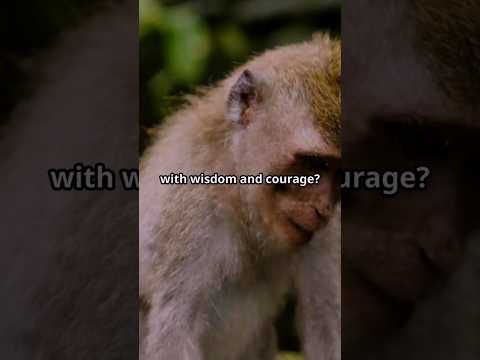
    The Jataka tales are a treasure of Buddhist tradition. These ancient stories recount the past lives of the Buddha, teaching moral lessons through vivid narratives. Among them is the Vanarinda Jataka, a tale that tells of a monkey king who risked himself to save his troop. This story is more than folklore—it is a meditation on compassion, sacrifice, and the meaning of true leadership.

    The Story of the Monkey King

    In the Vanarinda Jataka, a great troop of monkeys lived peacefully in the forest. Their king was not only strong but wise, and he cared deeply for his followers. When a human ruler tried to capture the monkeys, danger fell upon the troop. Traps were set, and their freedom was at stake.

    The monkey king quickly devised a plan. Using his body as a living bridge, he helped the others cross to safety. Each monkey escaped because their leader chose self-sacrifice over self-preservation. Though exhausted and in pain, the king held his ground until his community was secure. His courage became a symbol of wisdom in action.

    Leadership and Sacrifice

    This Jataka tale redefines what it means to lead. Leadership is often imagined as power, but here it is service. The Monkey King shows that authority without compassion is hollow. Real strength is expressed in responsibility, not dominance.

    The lesson of the Vanarinda Jataka is that leadership is a gift given for the good of others. The willingness to put the community first transforms leadership from privilege into a sacred duty.

    Lessons for Today

    Though centuries old, this story speaks directly to modern life. Leadership exists in many forms—parents guiding children, teachers shaping students, or managers caring for teams. The monkey king reminds us that wisdom is shown by serving, not controlling.

    Daily life gives countless chances to apply this. Sacrificing time to help a friend, standing up for someone weaker, or making decisions for the good of a group are all echoes of this timeless Buddhist story.

    Buddhist Values in the Tale

    The tale illustrates several Buddhist values. Compassion, or karuṇā, shines clearly. The monkey king’s actions were driven not by fear but by love for his troop. Sacrifice in this context is not seen as loss but as the highest form of giving.

    Mindfulness also plays a role. The king acted with clarity and calm under pressure, modeling the Buddhist teaching of wise action. In the Vanarinda Jataka, compassion and mindfulness unite, showing the path of selfless leadership.

    A Universal Story

    Although it comes from Buddhist scripture, the message reaches across traditions. Many cultures tell of heroes who sacrifice for others. The monkey king belongs in this universal chorus, reminding us that moral truth is not bound by place or time. This monkey king story continues to inspire because it speaks to the best of human values—courage, sacrifice, and compassion.

    Conclusion

    The Vanarinda Jataka is more than an animal fable. It is a call to live with wisdom and responsibility. The Monkey King’s selflessness challenges us to ask: how do we use our influence? Do we lead for ourselves or for those who depend on us?

    By retelling this Buddhist tale, we preserve its enduring wisdom. The Vanarinda Jataka teaches that leadership at its best is not about glory, but about service. In a world that often prizes power, this story reminds us that compassion is the truest form of strength.

    Vanarinda Jataka | The Monkey King’s Wisdom Story.
    Vanarinda Jataka | The Monkey King’s Wisdom Story.

    P.S. If you enjoy timeless wisdom stories and moral lessons, don’t forget to subscribe to YourWisdomVault on YouTube for more. Your support helps keep these teachings alive!

    #BuddhistStories #JatakaTales #Wisdom #MoralStories #AncientWisdom #MonkeyKing #YourWisdomVault

  • Phala Jataka – Buddhist Wisdom Story of Cause and Effect.

    Phala Jataka – Buddhist Wisdom Story of Cause and Effect | Timeless Lesson on Karma and Virtue.
    Phala Jataka – Buddhist Wisdom Story of Cause and Effect.

    Phala Jataka—Buddhist Wisdom Story of Cause and Effect.

    The Jataka tales, stories of the Buddha’s past lives, are filled with timeless wisdom that continues to inspire seekers of truth. Among them, the Phala Jataka stands out as a vivid lesson on cause and effect. This story highlights the power of karma and reminds us that our choices, whether guided by compassion or selfishness, shape the results we experience.

    In a world that often seems uncertain, this ancient tale gives clarity: what we plant in thought, word, and deed will eventually return to us.

    The Story of the Phala Jataka

    The Phala Jataka centers around a king whose actions reflected his inner nature. Driven by greed and harshness, his choices brought suffering both to himself and those around him. Yet, in contrast, acts rooted in honesty, kindness, and compassion created peace and stability.

    The story is not just about the king, but about the law of life itself. Every action is like planting a seed. If the seed is poisoned with cruelty, the fruit will be bitter. If the seed is nourished with compassion, the harvest will be sweet.

    The Teaching of Cause and Effect

    At the heart of the Phala Jataka is the principle of cause and effect, or karma. Karma is not punishment or reward—it is simply the natural unfolding of results from the choices we make. Like gravity, it works consistently, regardless of whether we notice it.

    This teaching urges us to be mindful of every decision. Small acts of kindness accumulate into harmony, while careless actions rooted in greed or anger can spiral into suffering.

    Lessons for Modern Life

    Though ancient, the message of the Phala Jataka is deeply relevant today. In a fast-paced world, we may forget that each thought and action has ripple effects. Choosing patience over frustration, or generosity over selfishness, creates a cycle that comes back to enrich our lives.

    For example:

    • Offering a helping hand strengthens community bonds.
    • Speaking kindly builds trust and harmony.
    • Practicing mindfulness reduces conflict and stress.

    The story reminds us that living with compassion is not only good for others, but it also shapes a future where we ourselves find peace.

    Why This Jataka Tale Inspires

    What makes the Phala Jataka inspiring is its simplicity. It doesn’t rely on dramatic miracles or distant ideals. Instead, it reflects the everyday truth that our lives are molded by our actions. This message is empowering: we are not helpless; we are gardeners of our destiny.

    In practicing generosity, honesty, and mindfulness, we cultivate seeds that grow into joy and stability. When we stray into selfishness or cruelty, we create consequences that eventually return. The story urges us to take responsibility and embrace compassion as a guiding principle.

    Conclusion

    The Phala Jataka is a Buddhist wisdom story that teaches the law of cause and effect. Through the example of a king and his choices, it reminds us that every action has consequences. By living with mindfulness and compassion, we plant seeds that grow into peace and harmony.

    This ancient teaching is as relevant today as it was centuries ago. Each of us holds the power to shape our future through the seeds we sow. When we act with kindness, honesty, and love, we create a harvest of joy not only for ourselves but for the world around us.

    Phala Jataka—Buddhist Wisdom Story of Cause and Effect.
    Phala Jataka—Buddhist Wisdom Story of Cause and Effect.

    P.S. If this story inspired you, don’t forget to subscribe to YourWisdomVault on YouTube for more Buddhist wisdom, Jataka tales, and timeless life lessons.

    #PhalaJataka #BuddhistWisdom #JatakaTales #BuddhistStories #Karma #CauseAndEffect #Mindfulness #AncientWisdom #Compassion #YourWisdomVault