Tag: buddhist wisdom

  • Punnapati Jataka: Inspiring Buddhist Lesson in Generosity.

    Punnapati Jataka: Inspiring Buddhist Lesson in Generosity | Timeless Story of Kindness and Virtue.
    Punnapati Jataka: Inspiring Buddhist Lesson in Generosity.

    Punnapati Jataka: Inspiring Buddhist Lesson in Generosity.

    Among the treasured Buddhist stories known as the Jataka tales, the Punnapati Jataka stands out as a timeless reminder of how true generosity is measured not by wealth, but by sincerity. This story, rooted in the Buddha’s past lives, illustrates that even the simplest act of giving can create immense spiritual merit.

    In today’s world, where material possessions often define generosity, this ancient tale encourages us to look deeper into the intention behind our actions. By reflecting on its wisdom, we can uncover lessons on kindness, mindfulness, and compassion that remain as relevant now as they were centuries ago.

    What Is the Punnapati Jataka?

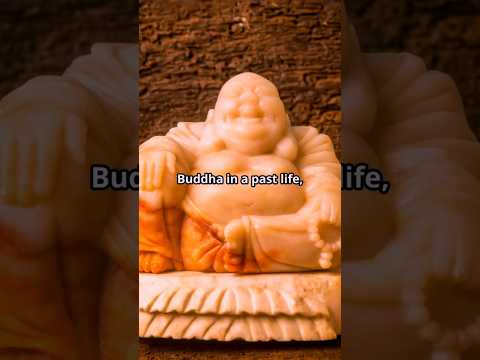
    The Jataka tales are narratives of the Buddha’s previous lives, each carrying a moral lesson. The Punnapati Jataka tells of a poor man who had very little, yet his heart overflowed with the desire to give. When he encountered the Bodhisatta—the Buddha in a past life—he offered water, the only gift he could afford.

    Though small in material value, this act of pure generosity became a seed of merit, proving that intention holds greater power than the gift itself. This central theme makes the story a beautiful guide for those seeking to live with mindfulness and compassion.

    The Lesson of Generosity

    The tale teaches that generosity does not depend on possessions. Even a humble offering can have profound significance when given sincerely. In Buddhism, this principle is called dana, or selfless giving.

    By reflecting on the story, we see that generosity creates spiritual merit for the giver, while also fostering kindness and gratitude in the receiver. This cycle of compassion enriches both lives and ripples outward, touching families, communities, and even future generations.

    Modern Relevance

    Why does the Punnapati Jataka matter today? In modern society, generosity is often measured by large donations or public acts of charity. Yet this story reminds us that even a smile, a kind word, or a small act of help carries immeasurable value.

    Living with sincerity and mindfulness transforms daily interactions. By practicing generosity in small, consistent ways, we cultivate empathy, reduce selfishness, and strengthen our connection to others. The lesson is timeless: what matters most is the heart behind the action, not the size of the gift.

    Practicing Generosity Daily

    Inspired by this Jataka tale, here are some practical ways to embrace generosity in everyday life:

    • Offer your time: Listening deeply to someone can be more valuable than money.
    • Share knowledge: Teach a skill or provide guidance without expecting anything in return.
    • Practice kindness: Small gestures, like holding a door or offering encouragement, uplift others.
    • Give mindfully: Even when resources are limited, offer with sincerity and joy.
    • Support community: Participate in acts of service, however small, to nurture collective well-being.

    These simple actions align with the Buddhist path of compassion and mindfulness, helping us live in harmony with others while reducing attachment and selfishness.

    Why the Story Still Inspires

    The Punnapati Jataka is more than a folktale. It continues to inspire because it highlights values often forgotten in a fast-paced, material-driven world. By learning from it, we discover that generosity is not reserved for the wealthy or powerful. Instead, it is a quality every human being can practice, regardless of circumstance.

    In a world where many struggle with loneliness and disconnection, small acts of sincerity become powerful reminders of our shared humanity. Stories like this encourage us to slow down, live mindfully, and remember that compassion is a universal language.

    Conclusion

    The Punnapati Jataka is a timeless Buddhist lesson in the transformative power of generosity. It reminds us that selfless giving enriches both the giver and receiver, planting seeds of merit that echo far beyond the present moment.

    Whether it is a cup of water, a kind gesture, or words of encouragement, the value of generosity lies in the heart that offers it. By embracing the wisdom of this Jataka, we learn that true wealth is found not in possessions, but in compassion freely shared.

    Punnapati Jataka: Inspiring Buddhist Lesson in Generosity.
    Punnapati Jataka: Inspiring Buddhist Lesson in Generosity.

    P.S. If you enjoyed this story and want more timeless Buddhist wisdom, don’t forget to subscribe to YourWisdomVault on YouTube for weekly Jataka tales and life lessons. 🙏

    #PunnapatiJataka #BuddhistWisdom #JatakaTales #BuddhistStories #Generosity #Kindness #Mindfulness #AncientWisdom #LifeLessons #YourWisdomVault

  • Cullajanaka Jataka: Buddhist Tale of Patience & Wisdom.

    Cullajanaka Jataka: Buddhist Tale of Patience & Wisdom | Timeless Lesson on Virtue and Compassion.
    Cullajanaka Jataka: Buddhist Tale of Patience & Wisdom.

    Cullajanaka Jataka: Buddhist Tale of Patience & Wisdom.

    Stories are among humanity’s most practical teachers. In the Buddhist tradition, the Jataka collection preserves moral insight through memorable narratives of the Buddha’s previous lives. One sea-tossed episode captures the virtue of patient endurance and the courage to act when fear urges retreat. It offers a simple, repeatable strategy for moments when the waves keep coming: keep moving with calm attention, one stroke at a time.
    Among these narratives, the Cullajanaka Jataka distills patience into action, showing how steady effort can outlast even the fiercest storm.

    Story Summary

    Prince Janaka sets sail with a royal entourage. A sudden storm breaks the ship and sends passengers into the open sea. While panic drains resolve, Janaka chooses disciplined action. He swims—not because success is guaranteed, but because despair guarantees failure. Hours become days. At last, celestial beings witness his unwavering effort and carry him to safety. The tale does not promise divine intervention; it celebrates the refusal to abandon wholesome effort when conditions are harsh.

    Core Lessons

    Patience in Buddhism is not passive waiting; it is composed, purposeful energy. Three habits sustain it. First, keep the aim in view: safety, integrity, or compassion. Second, regulate the breath so the mind stays steady. Third, maintain consistent effort, even if progress is slow. These habits turn endurance into momentum. They also align with a key insight: causes and conditions ripen over time. Like planting a field, we till, water, and wait before harvest.

    Symbolism & Meaning

    The sea represents unpredictability, the shattered ship our broken plans, and the swim our practice—action taken with clarity and kindness. Help arrives only after wholehearted commitment. Read this not as superstition but as a reminder that clarity often visits those already in motion. In the Cullajanaka Jataka, grace meets grit, and effort becomes the doorway through which relief appears.

    Applying the Teaching Today

    Modern life has its tempests: layoffs, exams, illness, creative droughts, family strain. The antidote is strategic patience—small, repeatable steps. When deadlines pile up, choose the next clean action. When anxiety rises, return to the breath and to the body. When failure stings, reenter the water and continue. Entrepreneurs, students, caregivers, athletes, and artists can all use this frame to transform stress into deliberate progress measured in honest strokes, not frantic thrashing.
    For teams and families, this story offers a cooperative lesson: agree on the next modest, useful action and do it together. Small acts compound into trust, and trust steadies a boat faster than debate about the weather.

    Why It Still Matters

    Speed dominates our culture, but dignity belongs to those who refuse false urgency. Patience protects attention from panic and creates space for wise choice. The Cullajanaka Jataka endures because it rejects both magical thinking and fatalism. It proclaims that meaning is forged where courage, consistency, and time meet. Communities, teams, and families thrive when members practice steady, compassionate effort together.
    Leaders who model patient, values-aligned action help organizations pivot without panic. Parents who slow down to listen teach children how to meet difficulty with steadiness instead of reactivity. These ripples become culture.

    Conclusion

    Hold this sea-crossing as a portable mantra: one stroke more. When the horizon disappears, steady your breath; when doubt shouts, keep moving anyway. No one can guarantee calm weather, yet practice can shape a better sailor. The Cullajanaka Jataka is a training plan for the heart—swim honestly, trust causes and conditions, and let patience carry you to the farther shore. If this teaching resonates, take a mindful breath now and choose the next helpful action within reach. The enduring clarity of the Cullajanaka Jataka reminds us that progress is often quiet, cumulative, and well within today’s effort.

    To deepen the lesson, keep a simple checklist: breathe, clarify the next step, act, and review. This cycle trains patience as a skill—one that steadies attention, preserves energy, and turns rough water into a practice field for compassionate endurance.

    Cullajanaka Jataka: Buddhist Tale of Patience & Wisdom.
    Cullajanaka Jataka: Buddhist Tale of Patience & Wisdom.

    P.S. If the Cullajanaka Jataka inspired you, don’t forget to subscribe to Your Wisdom Vault on YouTube for more timeless Buddhist stories and life lessons.

    #CullajanakaJataka #JatakaTales #BuddhistStories #Patience #Wisdom #Mindfulness #LifeLessons #SpiritualStories #YourWisdomVault #Inspiration

  • Mahasilava Jataka—Buddhist Tale of Virtue & Wisdom.

    Mahasilava Jataka – Buddhist Tale of Virtue & Wisdom | Timeless Lesson on Righteousness and Karma.
    Mahasilava Jataka—Buddhist Tale of Virtue & Wisdom.

    Mahasilava Jataka—Buddhist Tale of Virtue & Wisdom.

    Among the timeless Buddhist stories that continue to inspire seekers, the Mahasilava Jataka shines as a beacon of moral strength. This ancient tale is not just folklore—it is a spiritual guide that emphasizes the power of patience, forgiveness, and integrity. Its message reaches across centuries, showing that true greatness is found not in riches or conquest but in virtue.

    The Story of King Mahasilava

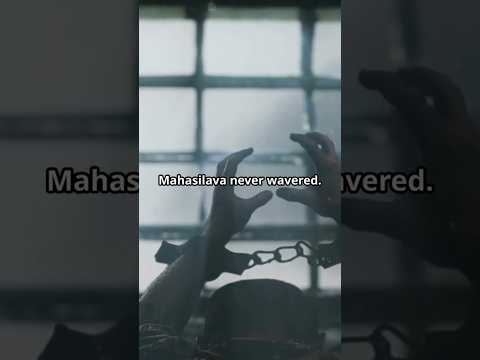
    The Mahasilava Jataka tells of a king admired not for wealth or military victories, but for his unshakable commitment to virtue. His kingdom was prosperous, yet his greatest treasure was his character. When a neighboring king invaded, Mahasilava’s own ministers betrayed him, fearing losing their positions. The king was captured, humiliated, and paraded as a prisoner.

    Despite this harsh treatment, he never abandoned truth or compassion. Rather than responding with anger, he showed patience and forgiveness. His calm dignity and virtuous behavior touched even the hearts of his enemies. Eventually, they recognized his greatness and restored him to his throne. His story demonstrates that integrity outlasts treachery, and virtue is the most enduring source of strength.

    Lessons in Virtue and Strength

    The central lesson of the Mahasilava Jataka is that true power lies in moral courage. Wealth and armies may crumble, but character cannot be stolen. By responding to betrayal with patience, the king revealed that forgiveness is stronger than vengeance.

    In Buddhist thought, anger is like fire: it harms the one who clings to it. Mahasilava’s refusal to hold anger preserved his peace of mind and set an example for others. His choices remind us that compassion has the power to dissolve hostility, while vengeance only deepens suffering.

    Modern Relevance of the Tale

    Although centuries old, the wisdom of the Mahasilava Jataka is more relevant than ever. In today’s world of stress, conflict, and competition, this story teaches us to approach difficulties with calm integrity. Leaders can learn that lasting respect is built on trust and fairness rather than fear. Individuals can find encouragement to practice forgiveness in relationships, at work, or within their communities.

    The story also highlights resilience. Even when abandoned by those closest to him, Mahasilava did not abandon his values. This steadfastness is a timeless reminder that virtue creates an unshakable foundation for life.

    Applying the Teachings

    Living the lessons of this Jataka tale can begin with small steps. We can practice patience during daily frustrations, forgive those who have wronged us, and choose honesty even when it is inconvenient. These habits align with the Buddhist perfections, especially morality (sila) and patience (khanti).

    By applying these qualities, we nurture resilience and inner peace. Just as Mahasilava’s virtue triumphed over betrayal, our integrity can carry us through challenges. Over time, these practices transform not only our lives but also the lives of those around us.

    Conclusion

    The Mahasilava Jataka is more than an ancient Buddhist story—it is a guide to living with integrity. By embodying patience, compassion, and forgiveness, we discover a strength deeper than wealth or power could ever provide. This tale continues to inspire across generations, reminding us that true greatness lies not in crowns or kingdoms, but in the courage to live with unwavering virtue.

    Mahasilava Jataka—Buddhist Tale of Virtue & Wisdom.
    Mahasilava Jataka—Buddhist Tale of Virtue & Wisdom.

    P.S. If this story of virtue and wisdom inspired you, don’t forget to subscribe to YourWisdomVault on YouTube for more timeless Buddhist tales and life lessons. 🌿

    #Mahasilava #MahasilavaJataka #Buddhism #JatakaTales #BuddhistStories #WisdomStories #Virtue #LifeLessons #Mindfulness #SpiritualWisdom #MoralStories #YourWisdomVault

  • Nakkhatta Jataka: Buddhist Tale of Fate, Karma & Desire.

    Nakkhatta Jataka: Buddhist Tale of Fate, Karma & Desire | Timeless Lesson on Wisdom and Virtue.
    Nakkhatta Jataka: Buddhist Tale of Fate, Karma & Desire.

    Nakkhatta Jataka: Buddhist Tale of Fate, Karma & Desire.

    The Jataka tales preserve stories of the Buddha’s past lives, each filled with practical lessons for everyday life. Among them, the Nakkhatta Jataka is a striking story about superstition, destiny, and the consequences of our choices. It highlights the dangers of placing blind faith in stars, omens, or rituals instead of relying on wisdom and mindfulness. Even today, this tale carries relevance as people continue to search for answers in horoscopes, fortune-telling, or superstitious practices. The message is timeless: fate is not written in the heavens but in the actions we choose each day.

    The Prince and His Belief in the Stars

    In the Nakkhatta Jataka, a prince became convinced that the stars determined every aspect of his destiny. He avoided important duties when the heavens seemed unfavorable and pursued ventures only when omens appeared auspicious. Instead of using judgment, compassion, or foresight, he let superstition guide his decisions. As expected, these choices did not bring success but instead produced suffering and regret. The Buddha used this story to show that relying on rituals or predictions blinds us to the reality of karma, where consequences flow directly from actions, not from constellations above.

    The Deeper Teaching of Karma

    Central to the story is the principle of karma. The Nakkhatta Jataka demonstrates that the seeds we plant through thought, word, and deed shape our future more than any external sign. Stars may inspire awe, but they hold no power over the moral law of cause and effect. If actions are rooted in greed, anger, or ignorance, they bear bitter fruit. If guided by compassion, patience, and mindfulness, they produce peace and happiness. The tale reminds us that life is not a lottery of fate but a reflection of the choices we make moment by moment.

    Lessons for the Modern World

    Even in the modern age, many people cling to the belief that destiny lies in the stars or in rituals that promise protection. Horoscopes, charms, or fortune-telling may bring temporary comfort, but they do not change the reality of karma. The Nakkhatta Jataka challenges us to recognize the limits of superstition. It calls us to step away from fear-driven habits and instead trust in the power of our own mindful actions. Responsibility for our lives rests not in the alignment of planets but in the clarity of the heart and mind.

    Practical Application in Daily Life

    The lessons of this story are not abstract; they are deeply practical. When faced with difficult choices, we can ask, am I acting out of superstition or out of wisdom? Are my motives clouded by fear and desire, or are they rooted in compassion and understanding? The Nakkhatta Jataka encourages us to cultivate mindfulness in small moments—whether in how we speak to others, how we earn a living, or how we respond to challenges. Every mindful choice becomes a seed of good karma, while every careless act rooted in superstition can lead to regret.

    Conclusion

    The Nakkhatta Jataka is more than an old folktale. It is a living teaching about responsibility, clarity, and freedom. The stars may shine in the night sky, but they do not dictate our destiny. True liberation comes when we abandon superstition and embrace mindfulness. Each action is an opportunity to create peace, each choice a chance to sow seeds of compassion. The story challenges us to step away from illusions of fate and step into the reality of karma, where our decisions shape the future we walk into.

    Nakkhatta Jataka: Buddhist Tale of Fate, Karma & Desire.
    Nakkhatta Jataka: Buddhist Tale of Fate, Karma & Desire.

    PS: If this reflection on the Nakkhatta Jataka gave you new insight, stay connected by subscribing to YourWisdomVault on YouTube for more Buddhist wisdom tales.

    #NakkhattaJataka #Buddhism #WisdomShorts #JatakaTales #BuddhistStories #Karma #Mindfulness #YourWisdomVault #DailyWisdom #Shorts