Tag: buddhist wisdom

  • Losaka Jataka Story | Buddhist Tale of Karma & Compassion.

    Losaka Jataka Story | Buddhist Tale of Karma & Compassion | Timeless Lesson on Kindness.
    Losaka Jataka Story | Buddhist Tale of Karma & Compassion.

    Losaka Jataka Story | Buddhist Tale of Karma & Compassion.

    The Jataka tales are among the most treasured works in Buddhist tradition. Each one illustrates the values that guided the Bodhisattva—the being destined to become the Buddha—through his many lifetimes. These stories are not just historical records; they are lessons in morality, mindfulness, and compassion. One such tale is the Losaka Jataka, a story of suffering, karma, and the transformative power of compassion.

    What is the Losaka Jataka?

    The Losaka Jataka belongs to the vast anthology of Jataka tales that describe the Buddha’s past lives. In each story, the Bodhisattva demonstrates virtues such as patience, generosity, or wisdom. These lessons are not presented abstractly but through vivid characters and experiences that invite reflection. The tale of Losaka shows how hardship and misfortune are shaped by past actions and how compassion can still provide hope, even when karma seems heavy.

    The Story in Brief

    The story tells of Losaka, a man who was struck by continual misfortune. Everywhere he went, he faced hunger, rejection, and loneliness. It seemed as if his life was destined for endless suffering. Yet the Bodhisattva, filled with compassion, reached out to him. Through this act of kindness, Losaka experienced not only relief but also a lesson: our present is influenced by our past deeds, and our future can be transformed through wisdom and compassion. The Losaka Jataka thus becomes a reflection on how karma operates and how mercy can soften even the harshest fate.

    Core Lessons

    This tale carries several essential teachings:

    • Karma Shapes Experience: Our actions create consequences that follow us through life.
    • Compassion Transforms: Acts of kindness can uplift others, even when their burdens seem overwhelming.
    • Resilience Matters: Suffering is not the end of the journey—it can inspire growth.
    • Wisdom Guides Action: Understanding cause and effect allows us to live more mindfully.

    By studying these lessons, readers are encouraged to consider not only their choices but also their capacity to help others along the way.

    Relevance in Modern Life

    The Losaka Jataka is not only a story from ancient scripture but also a mirror for today’s world. Many people face challenges that feel unending—poverty, rejection, or misfortune. The tale reminds us that while karma plays a role, compassion can change the course of another’s life. In modern terms, it calls us to empathy: seeing the struggles of others and choosing to respond with kindness.

    Moreover, it teaches personal accountability. While we cannot always change the past, we can shape the present and future by making wise, compassionate choices. This dual focus on responsibility and mercy resonates in daily life, from relationships and work to community service.

    Practical Applications

    How can we bring the lessons of this story into our practice?

    • Act with Awareness: Recognize that small actions create ripples of karma.
    • Offer Support: Even simple gestures of kindness can make a difference to someone in need.
    • Cultivate Patience: Accept that struggles may arise, but endurance allows growth.
    • Live Compassionately: Like the Bodhisattva, decide to help others whenever possible.

    By practicing these values, we bring the spirit of the Losaka Jataka into our daily routines, transforming challenges into opportunities for growth and service.

    Conclusion

    The Losaka Jataka is a powerful reminder of the interconnectedness of karma and compassion. It shows that while suffering may result from past actions, the present always offers space for kindness and transformation. This story not only teaches the law of cause and effect but also highlights the redemptive power of wisdom and mercy. In our modern lives, these lessons remain just as vital, encouraging us to live mindfully, act compassionately, and walk the path of resilience.

    Losaka Jataka Story | Buddhist Tale of Karma & Compassion.
    Losaka Jataka Story | Buddhist Tale of Karma & Compassion.

    P.S. If this story brought you insight, subscribe to YourWisdomVault on YouTube for more Buddhist tales, timeless wisdom, and spiritual reflections every week. 🌿

    #BuddhistWisdom #YourWisdomVault #JatakaTales #BuddhistStories #SpiritualStories #LifeLessons #Mindfulness #AncientWisdom #Compassion #TimelessTeachings

  • Khadirangara Jataka Story | Buddhist Wisdom & Teachings.

    Khadirangara Jataka Story | Buddhist Wisdom & Teachings | Timeless Lesson on Patience and Virtue.
    Khadirangara Jataka Story | Buddhist Wisdom & Teachings.

    Khadirangara Jataka Story | Buddhist Wisdom & Teachings.

    The Jataka tales are some of the most treasured parts of Buddhist literature, cherished for their moral clarity and spiritual depth. Each story portrays the Bodhisattva—the being destined to become the Buddha—living through earlier lives, demonstrating qualities such as generosity, truth, and patience. These tales are more than folklore; they are moral mirrors, inviting readers to reflect on their conduct and values. Among the many narratives, the Khadirangara Jataka stands out for its portrayal of wisdom as an unshakable light, capable of guiding others even in the midst of confusion and uncertainty.

    What is the Khadirangara Jataka?

    The Khadirangara Jataka belongs to the great anthology of Jataka stories, each recounting a past life of the Buddha. In many of these stories, the Bodhisattva appears as a wise teacher, a compassionate leader, or a selfless sage. Rather than focusing on dramatic adventure, the tales emphasize ethical lessons. They are designed to plant seeds of virtue, showing that enlightenment is not achieved in a single lifetime but cultivated over countless existences. This particular story centers on the Bodhisattva’s role as a beacon of truth and clarity, highlighting the qualities that make wisdom a powerful force in any era.

    The Story in Brief

    In this account, the Bodhisattva is born into a community clouded by ignorance and disharmony. Where others struggled with uncertainty, he remained steady, embodying honesty, compassion, and patience. His wisdom became a guiding light for those who sought direction. Like a flame that refuses to flicker in the wind, he stood firm, unaffected by the surrounding storms. The lesson of the Khadirangara Jataka is clear: true wisdom does not depend on external circumstances but arises from a cultivated inner strength.

    Core Lessons

    The tale offers timeless guidance that remains relevant today:

    • Truth Prevails – No matter how dark the situation, truth cannot be hidden forever.
    • Patience Strengthens Character – Calm endurance allows insight to emerge naturally.
    • Compassion Uplifts – Real teachers lead with kindness rather than dominance.
    • Wisdom as Inner Light – Genuine clarity shines from within, untouched by turmoil.

    Through these lessons, the story reminds us that every challenge is also an opportunity to practice virtue.

    Relevance in the Modern World

    The Khadirangara Jataka may have been told centuries ago, yet its teachings feel remarkably fresh today. In a fast-paced world filled with distractions, competition, and uncertainty, the call to remain grounded in truth and wisdom is invaluable. The Bodhisattva’s example shows us that composure is not weakness but strength. By embodying patience and compassion, we create stability for ourselves and those around us.

    This story also emphasizes mindfulness. When we are fully present, we see clearly and act with understanding rather than impulse. In workplaces, families, and communities, these qualities build harmony and trust.

    Practical Applications

    The wisdom of this tale is not locked in the past—it can guide daily living:

    • Mindful Reflection: Begin each day with a few moments of awareness, observing thoughts without judgment.
    • Pause Before Reacting: In stressful moments, take a breath and allow patience to shape your response.
    • Speak Truthfully: Honesty in speech and action nurtures both integrity and trust.
    • Offer Compassion: Extend kindness even when others are clouded by confusion.

    By practicing these habits, we bring the essence of the Khadirangara Jataka into our everyday experiences, turning small choices into steps on the path of wisdom.

    Conclusion

    The Khadirangara Jataka is not only a Buddhist story but also a timeless guide to living with clarity and purpose. Its message—that wisdom shines brightest when rooted in truth, patience, and compassion—remains as relevant today as in the past. Like a flame enduring the storm, the teachings encourage us to cultivate resilience and share light with those around us. By embodying its lessons, we not only improve our lives but also contribute to a more mindful and compassionate world.

    Khadirangara Jataka Story | Buddhist Wisdom & Teachings.
    Khadirangara Jataka Story | Buddhist Wisdom & Teachings.

    P.S. If you enjoyed this story and want more timeless Buddhist wisdom, be sure to subscribe to YourWisdomVault on YouTube for weekly insights and Jataka tales. 🌿

    #KhadirangaraJataka #BuddhistWisdom #JatakaTales #Mindfulness #LifeLessons #AncientWisdom #SpiritualStories #YourWisdomVault

  • Baka Jataka: The Wise Crane’s Lesson in Buddhist Folktale.

    Baka Jataka: The Wise Crane’s Lesson in Buddhist Folktale | Timeless Story of Wisdom and Deception.
    Baka Jataka: The Wise Crane’s Lesson in Buddhist Folktale.

    Baka Jataka: The Wise Crane’s Lesson in Buddhist Folktale.

    Ancient stories hold a timeless charm. They are more than entertainment; they are pathways to understanding ourselves and the world around us. Among the Buddhist Jataka tales, the story of the crane known as Baka stands out for its powerful teaching about humility and compassion. In this post, we explore the meaning, lessons, and relevance of this story for modern life.

    The Origin of the Story

    The Jataka collection is a treasure of Buddhist literature. These tales recount the many past lives of the Buddha, where he took on various forms—human, animal, or divine—while demonstrating virtues like kindness, truthfulness, and generosity. The Baka Jataka appears as one of these stories, capturing the image of a crane who claimed wisdom but lacked the humility to embody it fully.

    The Tale of the Crane

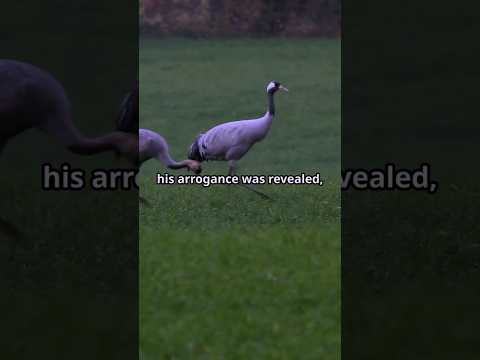
    In the story, Baka the crane lives by a forest pond, admired by other creatures. He presents himself as a guide who knows how to keep them safe from danger. His words are polished, and his confidence appears unshakable. Yet when circumstances test him, his arrogance becomes clear. The Buddha, in one of his past lives, reveals through this tale that pride without compassion leads only to downfall.

    Moral Lessons from the Story

    The Baka Jataka is not just a folktale; it is a mirror for self-reflection. At its core, it teaches that wisdom is more than knowledge. True wisdom is measured by humility, sincerity, and the ability to act with kindness.

    • The danger of arrogance: Boasting may win attention, but it weakens trust when tested.
    • The value of humility: A humble heart is more respected than a proud voice.
    • Compassion as true strength: Strength rooted in kindness has the power to uplift others.

    These lessons remain as relevant today as they were centuries ago.

    Relevance in Modern Life

    Although this story belongs to an ancient tradition, its message resonates in today’s fast-paced, competitive world. Many people seek recognition and status, but without humility, such pursuits often end in disappointment. The crane’s story encourages us to pause and ask: are our actions motivated by ego, or are they guided by compassion?

    The tale also connects beautifully with mindfulness practices. Just as meditation encourages awareness of thoughts and emotions, this story reminds us to stay grounded and free from pride. By practicing compassion and humility, we can build stronger relationships, navigate challenges wisely, and live with greater peace.

    Why Stories Like This Matter

    Folktales and parables have been humanity’s teachers long before books and classrooms. The Baka Jataka survives because it offers universal truths in a simple narrative. Children can understand its surface meaning, while adults can dive into deeper reflections on ego, wisdom, and spiritual growth.

    For followers of Buddhism, the story reinforces the teachings of the Buddha’s path. For others, it serves as an ethical guide that transcends religion. Either way, it reminds us that stories are not just entertainment—they are vessels of wisdom.

    Conclusion

    The Baka Jataka continues to inspire because it speaks to a struggle we all face: balancing confidence with humility. Its lesson is clear—wisdom is not about appearing strong, but about living with compassion and sincerity. When we set aside pride and practice kindness, we walk closer to the path of true understanding.

    If you enjoyed exploring this story, consider sharing it with friends and reflecting on how its lessons can shape your daily life. Ancient wisdom has a place in our modern journey, and stories like this remind us of the values that never fade.

    Baka Jataka: The Wise Crane’s Lesson in Buddhist Folktale.
    Baka Jataka: The Wise Crane’s Lesson in Buddhist Folktale.

    P.S. If this story inspired you, don’t miss out on more timeless Buddhist wisdom and folktales—subscribe to YourWisdomVault on YouTube for weekly insights that nurture mindfulness and compassion. 🌿

    #BakaJataka #JatakaTales #BuddhistStories #YourWisdomVault #AncientWisdom #BuddhistWisdom #Mindfulness #LifeLessons #SpiritualStories

  • Sakuna Jataka: A Buddhist Tale of Wisdom and Insight.

    Sakuna Jataka: A Buddhist Tale of Wisdom and Insight | Timeless Lesson on Awareness and Virtue.
    Sakuna Jataka: A Buddhist Tale of Wisdom and Insight.

    Sakuna Jataka: A Buddhist Tale of Wisdom and Insight.

    Buddhist literature is filled with parables that deliver timeless wisdom through simple imagery. One such tale is the Sakuna Jataka, a story that explores freedom, mindfulness, and the power of inner clarity. At first glance, it may seem like a simple story about a bird in a cage, but its more in-depth meaning has resonated with generations of listeners and readers. By reflecting on the choices of this small bird, we can learn how patience and wisdom provide pathways to liberation in our lives.

    The Story of the Sakuna Jataka

    In the Sakuna Jataka, a bird is captured by a hunter and placed in a cage. For many, this would be the end of hope. A cage represents finality, a trap with no exit. Yet the bird in this story refuses to let despair take hold. Rather than exhausting itself in frantic struggle, it turns inward. By remaining calm, watching, and thinking clearly, the bird discovers an opportunity to free itself. Through careful timing and mindful awareness, it eventually escapes its prison and flies to freedom.

    This story illustrates a profound Buddhist truth: while outer conditions may seem fixed, true liberation depends on the clarity and strength of the mind.

    Lessons We Can Learn

    The Sakuna Jataka offers several lessons that remain relevant in any age:

    • Mindfulness is strength – A calm mind sees possibilities that panic cannot.
    • Wisdom brings freedom – True escape begins within, not outside of us.
    • Patience reveals solutions – Time and clarity often create the path forward.

    These teachings encourage us to meet difficulties with awareness, not fear. The bird shows us that freedom is not just about breaking physical barriers but about nurturing inner resilience.

    Applying the Story Today

    The message of the Sakuna Jataka is strikingly relevant in the modern world. Many people feel trapped by invisible cages—stress at work, financial strain, anxiety, or unhealthy habits. In such times, it is easy to thrash about in frustration, making the situation worse. This tale suggests another path: pausing, breathing, and letting mindfulness guide us.

    Just as the bird’s insight helped it escape, our insight can help us navigate the challenges of daily life. By practicing patience, we create the space to make wise decisions. By relying on mindfulness, we can find freedom even when circumstances feel restrictive.

    The Enduring Value of Jataka Tales

    Why do stories like this remain powerful after so many centuries? Jataka tales are designed to communicate complex spiritual truths in memorable, accessible ways. The Sakuna Jataka in particular highlights that wisdom is not a luxury but a tool for survival and growth. Its lessons are as meaningful for a modern audience as they were for listeners in ancient India.

    At YourWisdomVault, we share Jataka tales because they connect timeless Buddhist philosophy to everyday struggles. They are reminders that freedom is possible, no matter how confining life may appear.

    Conclusion

    The Sakuna Jataka demonstrates that cages, whether physical or symbolic, cannot hold a mind that is clear, patient, and wise. By refusing to surrender to despair, the bird found freedom. For us, the story is an invitation to practice mindfulness and nurture insight, so that even in life’s most difficult situations, we can discover liberation.

    This Buddhist story is not only about a bird’s escape but about the human spirit’s ability to rise above fear and limitation. Wisdom and insight are wings we all possess; by learning to use them, we find the way to freedom.

    Sakuna Jataka: A Buddhist Tale of Wisdom and Insight.
    Sakuna Jataka: A Buddhist Tale of Wisdom and Insight.

    P.S. If this story inspired you, be sure to subscribe to YourWisdomVault on YouTube for more timeless Buddhist tales, wisdom stories, and mindful reflections.

    #SakunaJataka #JatakaTales #BuddhistStories #Mindfulness #Wisdom #Insight #YourWisdomVault #SpiritualStories #AncientWisdom