Tag: buddhist wisdom

  • The River That Never Stays the Same – A Buddhist Lesson

    The River That Never Stays the Same—A Buddhist Lesson on Impermanence, Change, and Renewal.
    The River That Never Stays the Same – A Buddhist Lesson on Impermanence

    The River That Never Stays the Same – A Buddhist Lesson on Impermanence

    Have you ever stepped into the same river twice?

    According to ancient wisdom—and the Buddha himself—the answer is no. The water has changed, the current has shifted, and so have you. This simple truth points to one of the most profound teachings in Buddhism: impermanence.

    What Is Impermanence?

    In Buddhist philosophy, impermanence (anicca in Pali) is one of the Three Marks of Existence, along with suffering (dukkha) and non-self (anatta). It refers to the reality that everything in life is temporary. Our bodies age, relationships evolve, emotions rise and fall, and circumstances shift—often without warning.

    Impermanence isn’t just a spiritual idea. It’s a fact of life. Everything is in motion. Everything flows.

    The River as a Metaphor for Life

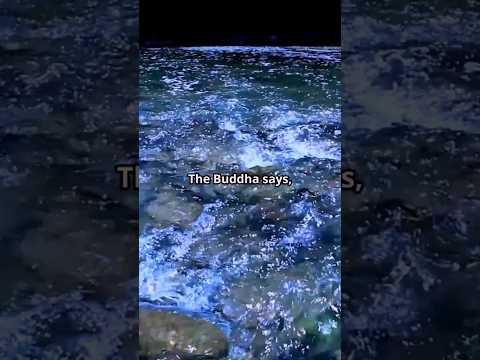
    The image of a flowing river beautifully captures this constant change. You can’t grasp water, no matter how hard you try. And the more you resist the current, the more you struggle. But if you relax and learn to float, you begin to move with the flow of life—not against it.

    The Buddha’s teachings on impermanence invite us to observe life the same way. When we try to hold on tightly to what must naturally change—whether it’s success, pleasure, love, or even our identity—we suffer. But when we accept the ever-changing nature of reality, we begin to find peace, clarity, and resilience.

    Letting Go: The Key to Freedom

    One of the biggest obstacles to inner peace is attachment. We cling to people, outcomes, feelings, and beliefs in hopes they’ll last forever. But the truth is: they won’t.

    Letting go doesn’t mean we stop caring or detach coldly. It means we stop expecting things to stay the same. We start living with awareness, appreciation, and acceptance. This is where true mindfulness begins—noticing what’s here, fully, without trying to freeze it in time.

    The next time you feel anxious about change or loss, remember the river. You don’t need to control it. You just need to trust the flow.

    Mindful Living in an Impermanent World

    In modern life, where everything moves fast—technology, trends, relationships—it can feel overwhelming to face change. But impermanence isn’t here to hurt us. It’s here to wake us up. It reminds us to cherish the present, love more fully, and live more deeply.

    Here are three mindful practices to embrace impermanence in daily life:

    1. Pause and observe. Notice how your thoughts, emotions, and surroundings are always shifting.
    2. Practice gratitude. When we realize things won’t last, we naturally appreciate them more.
    3. Let go gently. Whether it’s a past version of yourself or a phase of life, allow it to pass like water in a stream.

    A Timeless Teaching for Today

    Buddhism isn’t about escaping life—it’s about waking up to it. The teaching of impermanence isn’t meant to depress us. It’s meant to liberate us from the illusion of permanence that causes unnecessary suffering.

    When we understand that change is not a threat but a natural rhythm, we begin to dance with life, not resist it. Like a skilled swimmer in a flowing river, we learn when to float, when to dive deep, and when to simply let go.

    The River That Never Stays the Same – A Buddhist Lesson on Impermanence
    The River That Never Stays the Same – A Buddhist Lesson on Impermanence

    Final Thought

    So, what river are you standing in today?

    Maybe it’s a relationship shifting, a new phase of life, or simply a feeling that’s passing through. Whatever it is, know this: it’s okay to let it flow. You are not the same person you were yesterday—and that’s not a problem. That’s growth.

    Stay mindful. Stay open. And remember: the river never stays the same.


    Looking for more timeless insights like this?
    Subscribe to Your Wisdom Vault on YouTube for weekly Buddhist shorts, Zen stories, and spiritual reflections made simple.

    #BuddhistWisdom #Impermanence #MindfulLiving #LetGo #SpiritualGrowth

    P.S.

    If this reflection on impermanence spoke to you, consider sharing it with someone who’s navigating change—it might be the reminder they need today. 🙏
  • You Can’t Take Them With You — Death Reminds Us What’s Ours.

    You Can’t Take Them With You—Death Reminds Us What’s Ours, What Matters, and What to Let Go Of.
    You Can’t Take Them With You — Death Reminds Us What’s Ours.

    You Can’t Take Them With You — Death Reminds Us What’s Ours.

    We live our lives surrounded by things: goals, roles, identities, possessions, digital footprints. But at the end of it all, there’s one undeniable truth — you can’t take them with you. Death, uncomfortable as it may be, has a strange way of cutting through the noise. It clarifies.

    In the Buddhist tradition, death is not a taboo — it’s a teacher. It’s a daily meditation, not a final surprise. Reflecting on impermanence (anicca) and the absence of a fixed self (anatta) helps us see that most of what we identify with… isn’t really ours. Not in the way we think.

    The Illusion of Ownership

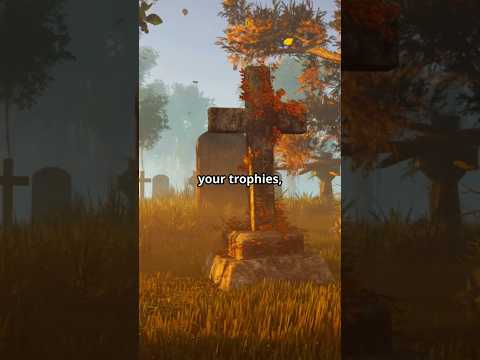
    We spend decades building resumes, collecting titles, stacking achievements. But when the body gives out, none of that comes with us. Not the job title. Not the trophies. Not even the name on the door.

    We also cling to relationships, narratives, grudges — as if our holding them somehow secures meaning. But Buddhist wisdom suggests otherwise. These attachments are not the self. They are conditioned, temporary, and ever-changing.

    Death reminds us: what we cling to most tightly is often the most fragile.

    So What Is Ours?

    That’s the uncomfortable — and liberating — question.

    When everything external is stripped away, what’s left?

    • Your house? Gone.
    • Your social media legacy? Fades faster than you think.
    • Your identity? Just a set of conditioned responses and beliefs.

    What remains, then, is awareness.
    Not in a mystical sense, but in the very real sense of how you lived your moments.
    Were you kind when it was inconvenient?
    Did you pause before reacting?
    Did you bring presence into the room, or did you just fill space?

    This is the heart of mindful living. It’s not about being serene or perfect — it’s about being awake to the temporary nature of all things, and letting that awareness inform how we live now.

    Why This Isn’t a Sad Message

    It might sound morbid at first — all this talk of death and impermanence. But in Buddhist philosophy, this is actually a doorway to joy. When we stop gripping so tightly to what’s slipping through our fingers anyway, we’re free to appreciate it. Genuinely. Fully.

    You stop trying to own the moment and start participating in it.

    You stop trying to preserve your legacy and start living your truth.

    When death is kept close — not in fear, but in respect — it keeps our priorities honest. It keeps our hearts soft.

    Practical Reflection: Ask Yourself

    • What am I spending energy on that won’t matter in the end?
    • What am I holding that death would ask me to release?
    • How would I act differently today if I remembered that nothing is mine forever?

    These aren’t abstract questions. They’re mirrors. And sometimes, all it takes is 45 seconds of real reflection to shift an entire week of autopilot.

    You Can’t Take Them With You — Death Reminds Us What’s Ours.
    You Can’t Take Them With You — Death Reminds Us What’s Ours.

    You Can’t Take Them With You — And That’s Okay

    This isn’t a tragedy. It’s clarity.

    Death doesn’t strip us of what’s real — it strips us of illusion. And in doing so, it shows us the one thing we actually have: how we meet each moment.

    So no, you can’t take them with you. But maybe you were never supposed to. Maybe that’s not the point.


    If this reflection resonated with you, check out our YourWisdomVault video short on YouTube on this very topic—and don’t forget to subscribe for more bite-sized teachings rooted in timeless wisdom.

    If death feels like a heavy teacher, that’s because it doesn’t waste words. Sometimes, the most freeing truth is the one that asks you to release what was never yours to hold.

    #BuddhistWisdom #Impermanence #MementoMori #MindfulLiving #NonAttachment #DeathAwareness #EgoDeath #SpiritualReflection #MinimalistMindset #ConsciousLiving #YouCantTakeItWithYou #Anicca #Anatta #YourWisdomVault #LifeAndDeath #LettingGo #AwarenessPractice

  • What If Letting Go Is the Bravest Path to Peace and Freedom?

    What If Letting Go Is the Bravest Path to Peace and Inner Freedom We Can Choose Each Day?
    What If Letting Go Is the Bravest Path to Peace and Inner Freedom?

    What If Letting Go Is the Bravest Path to Peace and Inner Freedom?

    We’re often told to hold on.
    Hold on to love.
    Hold on to goals.
    Hold on to people, pain, control, and outcomes.

    But what if real strength isn’t found in holding tighter—
    but in knowing when to let go?

    In both Buddhist philosophy and modern mindfulness, letting go isn’t a sign of weakness or indifference.
    It’s a conscious, courageous act.
    It’s the moment we stop clinging to what we think should be, and open ourselves to what is.


    The Power of Freeing

    It doesn’t mean we don’t care.
    It means we’re choosing to stop forcing, chasing, or resisting what’s beyond our control.

    We often attach our peace of mind to fragile things:

    • How someone feels about us
    • What the future looks like
    • Who we think we should be
    • Whether life unfolds according to our plan

    But reality rarely obeys our expectations.
    And clinging to them only creates suffering.

    According to Buddhist wisdom, suffering is born not from what happens—
    but from our attachment to what we want to happen.

    Letting go is how we release that suffering.
    Not with bitterness, but with clarity.


    Letting Go ≠ Giving Up

    Many people confuse letting go with giving up.

    But these are very different energies.

    Giving up is rooted in defeat.
    Letting go is rooted in understanding.

    When you let go, you’re not turning your back on life—you’re turning your face toward peace.
    You’re making space for presence, healing, and a deeper kind of freedom.

    Letting go isn’t passive.
    It’s an act of spiritual courage.

    It says:

    “I trust what I cannot control. I accept what I cannot change. And I release what I cannot carry.”


    The Inner Freedom That Follows

    Letting go frees more than your hands—it frees your heart.

    It dissolves the tension of needing things to be a certain way.
    It softens the grip of fear, anxiety, and perfectionism.
    It allows you to breathe—deeply, fully, peacefully.

    When you let go, you make room for:

    • Clarity
    • Compassion
    • Acceptance
    • Inner peace

    You stop being at war with what is, and start flowing with life.

    That’s not weakness. That’s wisdom.


    Practicing the Art of Letting Go

    Letting go is not a one-time event. It’s a practice—a path.

    Here are a few ways to begin:

    1. Breathe and observe.
      Notice your attachments. Don’t judge them—just see them.
    2. Ask, “What am I clinging to?”
      It could be a thought, a belief, a fear, or a version of yourself.
    3. Feel the resistance.
      Often, what we resist most is where peace begins.
    4. Release gently.
      Freeing doesn’t need to be dramatic. A soft release is still a release.

    What If Letting Go Is the Bravest Path to Peace and Inner Freedom?

    Final Thought

    Freeing isn’t giving up. It’s growing up.
    It’s choosing peace over control.
    Presence over perfection.
    Trust over tension.

    In a noisy world that glorifies control, the simple act of surrender may be the most radical thing you can do.

    So if you’re holding on too tightly, maybe it’s time to loosen the grip—
    and find freedom not through force, but through letting go.


    For more mindful reflections and timeless insights in under a minute, follow YourWisdomVault on YouTube—where clarity, courage, and calm come together. And remember: True peace doesn’t always come from fixing, changing, or holding on—it often arises when we allow life to unfold without forcing it to match our expectations. In that quiet space, clarity and freedom begin to emerge.

    P.S. You don’t have to let go all at once. Even loosening your grip is a beginning—and that, too, is brave. 🌿

    #InnerPeace #SpiritualGrowth #MindfulnessPractice #EmotionalFreedom #HealingJourney #BuddhistWisdom #CourageToLetGo #YourWisdomVault #PathToPeace #NonAttachment #MentalClarity

  • Love Without Ownership: The Truest Kind of Buddhist Love

    Love Without Ownership: The Toughest, Truest Kind of Buddhist Love That Frees the Heart Completely.
    Love Without Ownership: The Toughest, Truest Kind of Buddhist Love

    Love Without Ownership: The Toughest, Truest Kind of Buddhist Love

    In today’s world, love is often tangled up with possession. We’re taught to hold on tightly to the people we care about—to define, label, and sometimes even control them. But what if that’s not love at all? What if the deepest, most profound form of love is the one that doesn’t cling?

    In Buddhist philosophy, love is inseparable from non-attachment. That may sound cold to some ears, but in reality, it’s the opposite. It’s a love so pure, so selfless, that it expects nothing in return. It doesn’t demand attention, reciprocation, or permanence. It simply wishes the other well, exactly as they are, wherever they are.

    What Is Non-Attachment in Love?

    Non-attachment doesn’t mean detachment or indifference. It’s not the absence of love, but the absence of clinging. It’s the ability to fully appreciate another person without needing to grasp at them or make them yours.

    In Buddhism, attachment is considered one of the roots of suffering (dukkha). We suffer because we want to hold on to people, moments, and outcomes that are always changing. When we attach to someone out of fear—fear of being alone, fear of change, fear of loss—we’re not really loving them. We’re trying to use them to secure our own emotional safety.

    Love without ownership is different. It says:
    “I see you, I care for you, and I want your happiness—even if it doesn’t include me.”

    That’s hard. It’s countercultural. But it’s also the truest form of love according to Buddhist teachings.

    Love as Freedom, Not Possession

    Think about how often we confuse love with ownership:

    • “You’re mine.”
    • “If you loved me, you’d stay.”
    • “I can’t live without you.”

    These ideas come from attachment, not awareness. In mindful love, we aim to shift from possession to presence. Instead of trying to hold on, we simply show up. Instead of needing someone to complete us, we celebrate them for who they already are.

    True love in this context is liberation, not limitation. It respects boundaries. It welcomes change. It allows each person to grow freely.

    Practicing Non-Attached Love

    Non-attached love isn’t just for monks or spiritual masters—it’s for anyone who wants to love more deeply and suffer less. Here are a few ways to bring this practice into daily life:

    1. Observe your clinging:
      Notice when your love starts turning into fear or control. Are you acting out of love—or out of the fear of losing someone?
    2. Let people change:
      People grow, evolve, and sometimes drift. Loving without ownership means allowing this to happen without resistance.
    3. Wish them well—always:
      Even when relationships shift or end, continue to wish the other person happiness and peace. That’s unconditional love.
    4. Love yourself, too:
      Often, we cling to others because we haven’t yet learned to feel whole on our own. Self-compassion is the root of all compassionate love.

    The Hardest—and Most Beautiful—Kind of Love

    Love without ownership is not easy. It can feel like loss. It can feel like standing in the rain without an umbrella, heart exposed. But it’s also where real transformation begins. It’s the kind of love that doesn’t trap—it frees.

    In Buddhism, this is the love that liberates both the giver and the receiver. It’s not transactional. It’s not dependent on outcomes. It simply is—present, aware, and unconditional.

    If more of us practiced this form of love, maybe our relationships would suffer less from control, expectation, and fear. Maybe we’d hurt each other less. Maybe we’d learn to love more like the Buddha did—open-handed and open-hearted.

    Love Without Ownership: The Toughest, Truest Kind of Buddhist Love
    Love Without Ownership: The Toughest, Truest Kind of Buddhist Love

    If this reflection resonated with you, consider sharing it with someone who’s walking a similar path. And if you’re curious about more insights like this, explore our library of Buddhist Shorts at YourWisdomVault on YouTube. And remember: At its core, Buddhist wisdom invites us to practice love without ownership—a love rooted in freedom, not possession.

    #BuddhistLove #NonAttachment #MindfulRelationships #EmotionalFreedom #SpiritualGrowth #LettingGo #BuddhistWisdom #UnconditionalLove #SelflessLove #LoveWithoutAttachment

    P.S. Sometimes the hardest love to give is the one that asks for nothing. But in that surrender, we often find the deepest peace.

    Thanks for watching: Love Without Ownership: The Truest Kind of Buddhist Love