Tag: buddhist wisdom

  • Staying Present When the Future Feels Overwhelming.

    Staying Present When the Future Feels Overwhelming | Buddhist Wisdom
    Staying Present When the Future Feels Overwhelming | Buddhist Wisdom

    Staying Present When the Future Feels Overwhelming | Buddhist Wisdom

    How Buddhist Wisdom Helps You Come Back to Now

    In a world full of noise, speed, and uncertainty, it’s easy to feel overwhelmed. Most of us live several steps ahead of ourselves — planning, predicting, worrying. Our attention is rarely where we are. Instead, it lives in a future that hasn’t arrived.

    But Buddhist wisdom teaches a radical idea: peace isn’t found in the future. It’s found in the Stillness.


    Why We Drift from the current moment

    The human brain is a planning machine. It scans for threats, creates to-do lists, and imagines outcomes. That’s useful — until it turns into constant mental noise. When we live entirely in imagined futures, we lose touch with what’s real.

    This is where anxiety grows. The mind loops through possibilities. The body stays here, but our thoughts are elsewhere. And the longer we stay disconnected from the current moment, the more chaotic things feel.

    The goal isn’t to banish all thoughts about the future. It’s to return to now, again and again — the only place we can actually live.


    Buddhist Insights on the Present

    In Buddhism, mindfulness is the path to presence. It’s not about emptying the mind or achieving some perfect calm. It’s about waking up to what is already here.

    Thich Nhat Hanh wrote, “The present moment is the only moment available to us, and it is the door to all moments.”

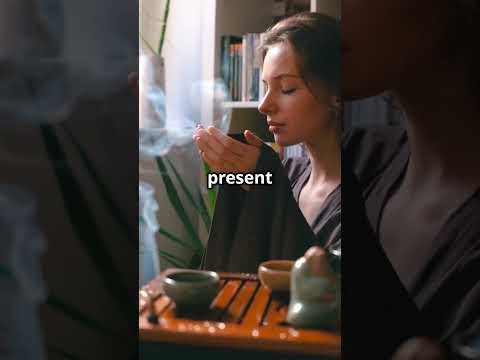
    That means your life isn’t happening later. It’s happening now. When you drink tea, wash your hands, speak to someone — that’s your life unfolding. When you’re mindful, you’re not just going through the motions. You’re present for it.

    This shift in attention may sound small. But it changes everything.


    How to Come Back to the Stillness

    The good news is you don’t need special conditions to become more present. It happens in micro-moments — simple, intentional awareness.

    Here are a few ways to reconnect with the Stillness:

    • Notice your surroundings. Take 10 seconds to look around. What do you see, hear, or feel?
    • Use grounding cues. The feeling of your feet on the ground or hands on your lap can bring you back quickly.
    • Pause in between tasks. Before jumping to the next thing, take one moment to check in: Where am I? What’s here?
    • Acknowledge wandering. Your mind will drift. That’s okay. Just gently return.

    These practices aren’t about control — they’re about connection. And over time, they retrain the mind to stay a little closer to now.


    Why the Present Is Enough

    The present is not perfect. But it’s real. And real is where life becomes bearable again.

    When you stop chasing clarity from the future, you begin to find clarity in what’s already here. You realize that right now — even with uncertainty — you can be steady. You can be clear. You can even be calm.

    Buddhism doesn’t promise to fix everything. It simply invites us to live fully — and that only happens in the present.


    Staying Present When the Future Feels Overwhelming | Buddhist Wisdom
    Staying Present When the Future Feels Overwhelming | Buddhist Wisdom

    Final Thought

    If the future feels overwhelming, come back to what’s immediate. Feel the chair beneath you. Listen to the quiet in the room. Notice one thing that’s okay.

    This isn’t escape. It’s return.

    You don’t need to solve the future today. You only need to be present for this moment.

    Because this is where your life is — not later, not someday, but now.

    P.S. If this post helped you reconnect with the now, consider subscribing to YourWisdomVault on YouTube for more grounded insights drawn from timeless teachings. ✨

    #MindfulLiving #BuddhistWisdom #StayPresent #LiveInTheMoment #SpiritualGrowth #OvercomeAnxiety #MindfulnessPractice
  • The Art of Watching Your Thoughts Burn: Mindful Detachment.

    The Art of Watching Your Thoughts Burn: Mindful Detachment in Action.
    The Art of Watching Your Thoughts Burn: Mindful Detachment in Action

    The Art of Watching Your Thoughts Burn: Mindful Detachment in Action

    In a world of constant mental noise, learning to observe rather than react is a radical act. This is where the art of watching comes in—a practice rooted in Buddhist mindfulness that can transform how we relate to our thoughts and emotions.

    Rather than battling the mind, the art of watching teaches us to witness it.

    Why Watching Matters

    Most of us are caught in a loop: a thought appears, and we react. That reaction fuels more thoughts, more emotions, and before long, we’re overwhelmed. The art of watching is about breaking that cycle—not by force, but through awareness.

    In Buddhist practice, thoughts are not the enemy. They’re simply phenomena that arise and pass. The problem begins when we believe, cling to, or resist them. Watching gives us space. Space to respond, not react. Space to choose peace over panic.

    Let the Fire Burn—But Stay Cool

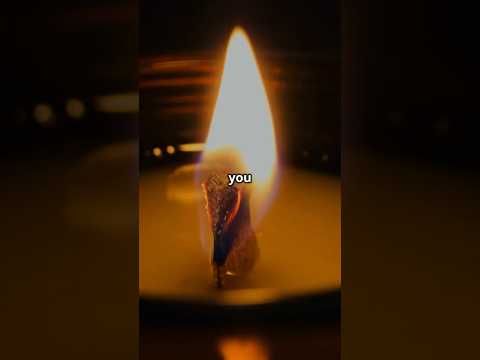
    Think of your thoughts like sparks. Some are harmless. But when you latch onto anger, fear, or craving, those sparks can ignite a fire.

    The key isn’t to suppress the fire. It’s to watch it.

    This is where the art of watching becomes powerful. Instead of jumping into the flames of emotion, you sit beside them. You observe their rise, their intensity, and—most importantly—their fading. Every emotion, no matter how strong, passes when it’s not fed.

    This doesn’t make you cold or detached. It makes you clear and grounded.

    How to Practice the Art of Watching

    You don’t need to retreat to a monastery to begin. The art of watching can be practiced anytime, anywhere. Here’s how:

    • Pause before reacting: When you notice a strong thought, take a breath. Ask: can I watch this instead of becoming it?
    • Label gently: Silently name what you’re experiencing—“thinking,” “worrying,” “remembering.” This helps shift from identification to observation.
    • Use the breath as an anchor: While thoughts float by, keep your awareness gently on the breath. It grounds you without resistance.
    • Journal from awareness: Write what you notice without judgment. This builds the watcher’s perspective over time.

    Each of these practices strengthens your ability to remain present and unattached—even in challenging moments.

    The Wisdom Behind the Practice

    In Buddhist philosophy, suffering isn’t caused by thoughts themselves, but by our attachment to them. The art of watching reveals this truth in real time. When you watch a fear rise and fall without reacting, you see its impermanence. When you observe anger without fueling it, it loses its power.

    This shift—from doing to witnessing—is a kind of liberation. You realize you are not your thoughts. You are the awareness behind them.

    And from that space, peace becomes possible—even in chaos.

    The Art of Watching Your Thoughts Burn: Mindful Detachment in Action
    The Art of Watching Your Thoughts Burn: Mindful Detachment in Action

    Final Reflection

    The art of watching is not about becoming emotionless. It’s about becoming present. Watching doesn’t mean ignoring life—it means engaging with it more clearly, with less confusion and more compassion.

    So the next time your mind feels like it’s spinning, don’t fight it. Don’t fuel it. Just watch. Breathe. And let the fire burn itself out.

    With practice, the art of watching becomes second nature. A quiet power. A path to freedom.

    #ArtOfWatching #MindfulDetachment #BuddhistMindfulness #WatchYourThoughts #LettingGo #EmotionalAwareness #Vipassana #InnerPeace #NonAttachment #MeditationPractice #SpiritualGrowth #ObserveYourMind #BuddhistWisdom #MentalClarity #MindfulnessInAction

    P.S. If this post helped shift your perspective, consider subscribing to YourWisdomVault on YouTube to receive more insights on mindfulness, Buddhist wisdom, and the quiet power of observation — straight to your inbox.