Tag: Daily Buddhist wisdom

  • Dhammapada 262: True Wisdom Is Shown Through Right Action.

    Dhammapada 262: True Wisdom Is Shown Through Right Action.
    Dhammapada 262: True Wisdom Is Shown Through Right Action.

    Dhammapada 262: True Wisdom Is Shown Through Right Action.

    Wisdom is often mistaken for intelligence, eloquence, or the ability to speak convincingly. In Buddhist teachings, however, wisdom is measured very differently. According to Dhammapada, true wisdom is revealed not by words, but by how a person lives. This message is especially clear in Dhammapada 262, which challenges us to look beyond appearances and focus on action.

    Many people can speak beautifully about spiritual ideas. They can quote scriptures, explain doctrines, and debate philosophy. Yet the Buddha repeatedly emphasized that wisdom must be lived, not merely discussed. In Dhammapada 262, we are reminded that wisdom becomes visible only when it shapes conduct, choices, and behavior in daily life.

    Words Alone Do Not Make One Wise

    Buddhist philosophy draws a clear distinction between knowledge and wisdom. Knowledge can be accumulated through study, listening, and memorization. Wisdom, however, emerges through direct experience and ethical living. A person may speak calmly and convincingly, but if their actions cause harm, their words hold little value.

    The teaching in Dhammapada 262 gently but firmly exposes this truth. It points out that eloquence without discipline is empty. Wisdom requires restraint, mindfulness, and compassion in action. This perspective invites us to examine whether our lives reflect what we claim to understand.

    Right Action as the Measure of Wisdom

    Right action is a core part of the Noble Eightfold Path. It includes refraining from harm, acting honestly, and behaving with kindness. Wisdom is not abstract or distant; it appears in simple, ordinary moments. How we speak to others, how we respond to difficulty, and how we make decisions all reveal the depth of our understanding.

    Through Dhammapada 262, we learn that wisdom cannot be separated from behavior. A wise person does not seek recognition. Instead, their actions naturally express clarity, balance, and care for others. Wisdom becomes something others feel, not something that needs to be announced.

    Why This Teaching Matters in Modern Life

    In today’s world, words are everywhere. Social media, opinions, and constant communication make it easy to appear insightful without living mindfully. This is why the message of Dhammapada 262 remains deeply relevant. It reminds us that wisdom is not about presentation, but integrity.

    Modern mindfulness practice often emphasizes awareness, but awareness must lead to action. Ethical living, patience, and responsibility are practical expressions of wisdom. When understanding informs behavior, life becomes more harmonious and meaningful.

    Living the Teaching Daily

    Applying this teaching does not require perfection. Buddhism emphasizes gradual training rather than instant transformation. Each moment offers a chance to act with greater awareness. Choosing honesty over convenience, kindness over irritation, and restraint over impulse are all expressions of wisdom.

    The lesson of Dhammapada 262 encourages steady effort. Wisdom grows through consistent practice, not dramatic gestures. Over time, actions shaped by mindfulness create inner peace and trust, both within ourselves and with others.

    Reflection and Personal Practice

    A helpful way to work with this teaching is self-reflection. Instead of asking whether we sound wise, we can ask whether our actions reduce suffering. Do our choices bring calm or conflict? Do they support clarity or confusion?

    By returning often to the message of Dhammapada 262, we develop a practical compass for daily life. Wisdom becomes less about identity and more about responsibility. It shows up quietly, in how we listen, respond, and care.

    Wisdom That Speaks Through Action

    Ultimately, Buddhist wisdom is not something to display. It is something to embody. When actions align with understanding, wisdom becomes self-evident. Others may not hear many words, but they will feel the presence of balance and compassion.

    The teaching found in Dhammapada 262 continues to guide practitioners toward this lived wisdom. It reminds us that the truest measure of understanding is not speech, but conduct. By letting wisdom move from thought into action, we honor the heart of the Buddha’s path.

    Dhammapada 262: True Wisdom Is Shown Through Right Action.
    Dhammapada 262: True Wisdom Is Shown Through Right Action.

    PS: If you enjoy short, practical Buddhist teachings like this, subscribe to YourWisdomVault on YouTube for daily wisdom, mindfulness, and timeless insights from the Dhammapada.

    #Dhammapada262 #BuddhistWisdom #MindfulLiving #RightAction #BuddhaTeachings #DailyWisdom #YourWisdomVault
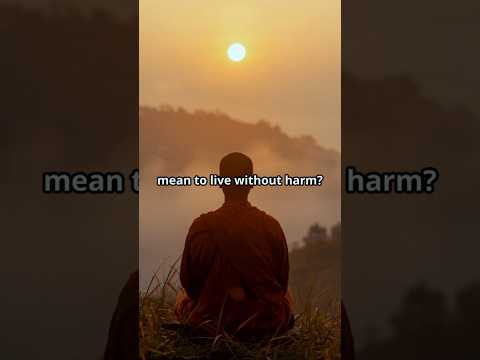
  • Dhammapada 405 Explained | Insights on Peace & Detachment.

    Dhammapada 405 Explained | Insights on Peace & Detachment | Timeless Buddhist Teaching on Freedom.
    Dhammapada 405 Explained | Insights on Peace & Detachment.

    Dhammapada 405 Explained | Insights on Peace & Detachment.

    Peace and detachment are often misunderstood as passivity, yet in Buddhist wisdom they are signs of clarity and inner power. In Dhammapada 405, the Buddha praises the person who lays aside harm and refuses to cause it, revealing a path where compassion replaces aggression and mindfulness steadies the heart. The invitation is simple but demanding: cultivate harmlessness, let go of hostility, and discover a freedom that doesn’t depend on circumstances.

    Understanding the Verse in Context

    The Dhammapada gathers concise teachings that point directly to practice. Within this collection, Dhammapada 405 appears in the chapter that honors the truly noble person. The verse emphasizes two responsibilities: to refrain from harming any being, weak or strong, and to refrain from encouraging others to harm. Holiness here is not a label but a way of living that protects life, disarms anger, and models restraint.

    Non-Violence as Courageous Strength

    Many assume power is proven by force. Dhammapada 405 flips that idea. It takes real courage to put down the weapons of body, speech, and mind. Choosing not to escalate, not to retaliate, and not to dehumanize is an act of strength rooted in wisdom. Non-violence isn’t avoidance; it is engaged presence without hatred. When we step out of win-lose thinking, we stop feeding cycles of fear and revenge and begin to heal the conditions that create them.

    Detachment from Hostility, Not from Love

    Detachment is frequently mistaken for indifference. In Buddhist practice, it means loosening the grip of craving and aversion so that love can flow freely. By releasing resentment and the urge to harm, the heart becomes spacious and responsive rather than reactive. Dhammapada 405 teaches that peace grows when we stop clinging to anger and identity built on “us versus them.” Detachment clears room for compassion, patience, and wise action.

    Practicing Peace in Daily Life

    Great ideals need everyday forms. Here are simple ways to work with this teaching:

    • In thought: Notice hostile narratives and soften them with a single breath.
    • In speech: Choose accuracy and kindness over the thrill of being right.
    • In action: Decline the small harms—sarcasm, impatience, needless competition.
    • In influence: Do not recruit others to your anger; model de-escalation.
    • In attention: Limit media that stokes outrage; feed the mind with calm.

    These habits don’t make us passive; they make us reliable. We become people who can be trusted when tensions rise.

    Why This Matters Now

    Modern life is saturated with speed, scarcity, and online arguments. The more we feel pushed, the more tempting it is to push back. The teaching offers another route: slow down, look closely, and refuse to trade humanity for a short-term win. Communities change when even a few people stop amplifying harm and start practicing steady goodwill. Peace spreads by imitation; your restraint gives others permission to try it too.

    Common Misconceptions About Peace

    Peace is not the same as people-pleasing or silence in the face of injustice. The teaching points to a firm refusal to harm, which can include setting clear boundaries and saying “no” to abusive behavior. Gentleness can be strong. Restraint can be outspoken. When our motivation is compassion rather than punishment, even difficult conversations become cleaner and more effective. We learn to confront problems without making enemies out of people, and to address harm while refusing to add more of it to the world.

    A Short Reflection Practice

    Try this brief exercise today. Bring to mind a situation that triggers irritation. Breathe in, acknowledging the pain or fear underneath the reaction. Breathe out, releasing the urge to strike out or win. Ask, “What would reduce harm here?” Let the answer be small: a pause, a softer tone, a clearer request, a decision to step away. Repeat for one minute. Over time, this practice rewires old habits, turning moments of conflict into opportunities to protect life, steady the mind, and act from kindness.

    Conclusion

    The heart of Dhammapada 405 is practical: protect life, don’t incite harm, and water the roots of compassion every day. Practiced consistently, these commitments turn ordinary situations into training for freedom. In this way, Dhammapada 405 isn’t only a line of scripture—it is a living map for anyone who wants to end hostility at its source and meet the world with clarity, courage, and care.

    Dhammapada 405 Explained | Insights on Peace & Detachment.
    Dhammapada 405 Explained | Insights on Peace & Detachment.

    PS: If this reflection spoke to your heart, subscribe to YourWisdomVault on YouTube for more Buddhist wisdom, mindful teachings, and timeless insights for inner peace.

    #Buddhism #BuddhaWisdom #InnerPeace #Detachment #Mindfulness #SpiritualWisdom #Nonviolence #DailyWisdom #YourWisdomVault #BuddhistTeachings

  • Dhammapada 406 | Buddhist Wisdom for True Peace and Freedom.

    Dhammapada 406 | Buddhist Wisdom for True Peace and Freedom | Timeless Teaching on Liberation.
    Dhammapada 406 | Buddhist Wisdom for True Peace and Freedom.

    Dhammapada 406 | Buddhist Wisdom for True Peace and Freedom.

    What does it mean to be truly free? In a world filled with noise, conflict, and constant striving, many of us search for peace outside ourselves. Yet the Buddha’s teaching in Dhammapada 406 offers a timeless reminder that liberation is not about changing the world around us, but transforming our heart and mind. This verse is a call to cultivate peace amidst hostility, freedom amidst bondage, and detachment amidst clinging.

    The Verse in Context

    The Dhammapada is a revered collection of sayings of the Buddha, treasured across centuries for its practical wisdom. Within it, Dhammapada 406 stands out as a powerful message in the chapter of “The Enlightened One.” The verse honors the individual who remains calm in the face of conflict, who embodies freedom even when surrounded by limitations, and who stays unattached while others cling to desire.

    In essence, it points to the qualities of a true practitioner — one who has gone beyond the pull of craving and aversion, discovering a state of inner balance and unshakable peace.

    Inner Peace Among Hostility

    One of the most striking elements of Dhammapada 406 is its focus on maintaining peace among the hostile. The Buddha does not suggest that hostility will disappear from the world. Instead, he shows us that peace is cultivated within. This teaching reminds us that true strength is not in conquering others but in mastering our reactions.

    When we remain calm amidst conflict, we are no longer prisoners of anger. We step into a freedom that cannot be shaken by external conditions.

    Freedom Beyond Bondage

    The verse also praises the one who is free among the bound. While physical or social conditions may seem limiting, Dhammapada 406 points to a deeper sense of liberation. The Buddha teaches that bondage is not primarily external but internal — tied to our cravings, fears, and attachments.

    By loosening these chains within the heart, freedom arises naturally. This is the essence of Buddhist practice: not escape from life, but freedom within life.

    Detachment in a Clinging World

    In a culture built on grasping and accumulation, detachment often feels counterintuitive. Yet Dhammapada 406 highlights the beauty of being unattached in a clinging world. Detachment here does not mean coldness or indifference. Instead, it means relating to life with openness, without being enslaved by desire.

    Such detachment allows compassion to flourish, because we are no longer seeking to fill our emptiness through others. Instead, we can give freely, love deeply, and act wisely.

    Applying the Teaching Today

    How does this verse guide us in daily life? Dhammapada 406 is not only for monks or ascetics — it offers practical wisdom for everyone.

    • In times of conflict, we can practice mindful breathing and choose patience over anger.
    • When we feel trapped by circumstances, we can remember that freedom begins with the mind.
    • When faced with desire and craving, we can practice letting go, discovering that contentment is already here.

    These small practices reflect the heart of Buddhist wisdom: cultivating inner peace regardless of outer conditions.

    Conclusion

    Dhammapada 406 is more than just a verse. It is a mirror for our practice and a compass for our lives. To be peaceful among the hostile, free among the bound, and unattached among the clinging — this is the path of true freedom. The Buddha’s words remain as relevant today as they were centuries ago, inviting us to find liberation not in external circumstances, but in the depth of our awareness.

    Dhammapada 406 | Buddhist Wisdom for True Peace and Freedom.
    Dhammapada 406 | Buddhist Wisdom for True Peace and Freedom.

    PS: If you enjoyed this reflection, subscribe to YourWisdomVault on YouTube for more timeless Buddhist wisdom, mindful teachings, and daily inspiration for inner peace.

    #Buddhism #BuddhaWisdom #InnerPeace #TrueFreedom #Mindfulness #SpiritualWisdom #Detachment #DailyWisdom #YourWisdomVault #BuddhaTeachings

  • Meditate, Detach, and Rise — Like a Swan Leaving the Lake.

    Meditate, Detach, and Rise—Like a Swan Leaving the Lake, Serene and Free in Peaceful Clarity.
    Meditate, Detach, and Rise — Like a Swan Leaving the Lake.

    Meditate, Detach, and Rise — Like a Swan Leaving the Lake.

    In today’s fast-paced world, inner peace often feels out of reach. We’re constantly pulled in every direction—by stress, social pressure, work demands, and endless distractions. But what if we could rise above it all, effortlessly and gracefully, like a swan leaving a still lake?

    This metaphor, drawn from ancient Buddhist wisdom, teaches us the power of meditation and detachment. It reminds us that peace isn’t something we find in the world—it’s something we uncover within ourselves.

    The Meaning Behind the Swan

    In Buddhism, the swan symbolizes grace, wisdom, and spiritual freedom. When a swan leaves the lake, it doesn’t struggle or thrash—it simply lifts off, with quiet strength and natural ease. This image beautifully represents the state of mind that comes from regular meditation and the practice of detachment.

    We are so often weighed down by our thoughts, emotions, and attachments. We cling to people, ideas, goals, and even our own self-image. This clinging creates suffering. The more tightly we hold on, the more turbulence we create in our own lives.

    But the swan doesn’t cling. And neither must we.

    What Is Detachment, Really?

    Detachment doesn’t mean apathy. It doesn’t mean shutting out the world or becoming cold or emotionless. In Buddhist terms, detachment means not being enslaved by desire or aversion. It means observing your thoughts and feelings without becoming entangled in them.

    When we practice detachment, we stop identifying with the chaos of the mind. We don’t need to chase every desire or resist every discomfort. We simply notice, breathe, and return to presence.

    This is where meditation becomes essential.

    Meditation: The Gateway to Stillness

    Meditation is not about escaping life—it’s about learning how to live fully, in awareness. When we sit in stillness, we begin to see clearly. Thoughts rise and fall. Emotions come and go. The breath remains steady. Over time, we begin to understand something profound:

    We are not our thoughts. We are the awareness behind them.

    This realization is the first step toward detachment. It gives us space. It gives us power. And from that space, we can choose peace.

    Rising Above the Noise

    Just like the swan, we can rise above the lake of noise, fear, and distraction. Not through force—but through stillness. Through gentle awareness. Through practice.

    Every time you sit in meditation, you’re teaching your mind to let go. You’re reminding yourself that you don’t need to control everything to be at peace. You’re choosing clarity over chaos, surrender over stress.

    And every small moment of mindfulness builds toward something greater—a life of spiritual freedom.

    Daily Wisdom in a Modern World

    At YourWisdomVault, our mission is to share timeless truths in a way that fits modern life. This short video, “Meditate, Detach, and Rise — Like a Swan Leaving the Lake,” offers a compact but powerful reflection on how ancient wisdom can help us live better today.

    Whether you’re just beginning your mindfulness journey or deep into spiritual practice, this message is a reminder to come home to yourself. To pause. To breathe. To rise.

    Final Thoughts

    In a world that glorifies hustle, control, and constant stimulation, detachment is a quiet rebellion. Meditation is your anchor. Presence is your path. And like the swan, you already have everything you need to rise.

    So today, take a breath. Sit in stillness. Let go.

    And remember:
    You are not the storm—you are the sky.

    Meditate, Detach, and Rise — Like a Swan Leaving the Lake.
    Meditate, Detach, and Rise — Like a Swan Leaving the Lake.

    If this message resonated with you, subscribe to YourWisdomVault on YouTube for more daily wisdom.
    Let’s walk this path—together.


    #Meditation #Detachment #BuddhistWisdom