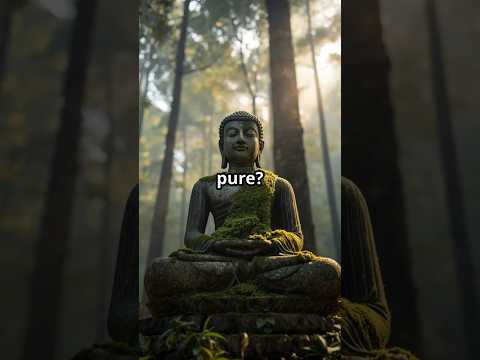
Tag: Dhammapada teachings

  • Dhammapada 356: Explore the Buddha’s Wisdom on Liberation.

    Dhammapada 356: Explore the Buddha’s Wisdom on Liberation.
    Dhammapada 356: Explore the Buddha’s Wisdom on Liberation.

    Dhammapada 356: Explore the Buddha’s Wisdom on Liberation.

    The teachings of the Buddha remain powerful because they speak directly to the human condition. In a world driven by desire, distraction, and emotional turbulence, many people search for a clear path back to peace. Dhammapada 356 offers precisely that kind of guidance. This verse reminds us that freedom is not something granted by the world, but something cultivated within the mind. By studying its message more closely, we discover how to loosen the grip of craving and develop a life rooted in clarity and balance.

    The Meaning Behind the Verse

    At its core, the message of Dhammapada 356 revolves around the relationship between desire and liberation. The Buddha consistently emphasized that craving is at the heart of suffering. Yet this verse highlights something deeper: mastery over desire is more valuable than anything we could gain externally. True power does not come from controlling others or achieving status. It comes from understanding the forces within our own mind. When we see clearly, we no longer get pulled endlessly by impulse, fear, or attachment. This inner mastery forms the foundation of genuine freedom.

    Desire as a Source of Distraction

    Modern life constantly encourages us to chase after pleasure, affirmation, success, and stimulation. These pursuits are not wrong on their own, but when they dominate our thoughts, they scatter the mind. Dhammapada 356 reminds us that desire becomes a problem not because we feel it, but because we obey it without question. When craving leads our actions, we lose stability. We become reactive instead of thoughtful. We move through life seeking one temporary satisfaction after another, never finding the lasting peace we hoped for. The verse points us gently toward awareness instead of endless pursuit.

    Developing Inner Freedom

    Inner freedom is not achieved overnight. It develops through mindfulness, discipline, and the willingness to observe our emotional landscape honestly. Dhammapada 356 offers a doorway into this process. When we watch desire arise without immediately following it, something changes. We become less controlled by habit and more guided by clarity. Meditation helps train this skill by strengthening the ability to sit with discomfort, curiosity, and stillness. Over time, the mind learns to rest instead of chase. This settling creates the space where liberation becomes possible.

    Applying the Teaching in Daily Life

    One of the strengths of Buddhist wisdom is its practicality. The guidance in Dhammapada 356 can be applied in simple, everyday situations. When irritation arises, we can pause and notice the desire for things to be different. When jealousy appears, we can observe the wish for recognition or security. When anxiety grows, we can see the mind reaching for control. Each moment of awareness weakens the force of craving and strengthens the qualities of inner freedom. Through small, consistent steps, the verse becomes a living teaching rather than abstract philosophy.

    A Modern Perspective on Ancient Insight

    Although the Dhammapada was composed many centuries ago, its insights remain relevant in today’s fast-paced world. People often feel overwhelmed because their minds never stop reaching outward. The reminder in Dhammapada 356 helps shift attention inward, where genuine stability is cultivated. Instead of relying on circumstances to feel peaceful, we learn to build peace as an internal skill. This shift transforms how we navigate stress, relationships, and personal challenges, offering a pathway toward a more grounded and intentional life.

    Conclusion

    Dhammapada 356 teaches that liberation is not about controlling the world but about understanding the mind. When we recognize the nature of desire and develop the ability to observe rather than react, we begin to experience a deeper form of freedom. This wisdom encourages mindfulness, compassion, and steady awareness—qualities that bring clarity to every aspect of life. By reflecting on this teaching regularly, we strengthen our ability to move through the world with calmness, purpose, and genuine inner peace.

    Dhammapada 356: Explore the Buddha’s Wisdom on Liberation.
    Dhammapada 356: Explore the Buddha’s Wisdom on Liberation.

    PS: If you enjoy reflections like this and want more daily wisdom, feel free to subscribe to YourWisdomVault on YouTube and join a community dedicated to mindfulness, clarity, and inner peace.

    #Dhammapada #BuddhistWisdom #MindfulnessJourney

  • Dhammapada 358: Awakening Wisdom Through Mindful Practices.

    Dhammapada 358: Awakening Wisdom Through Mindful Practices for Inner Peace and Clarity.
    Dhammapada 358: Awakening Wisdom Through Mindful Practices.

    Dhammapada 358: Awakening Wisdom Through Mindful Practices.

    Among the treasured verses of Buddhist scripture, Dhammapada 358 stands out as a reminder that the greatest victory is the victory over desire. This teaching has resonated for centuries because it speaks directly to the human condition—our cravings, our attachments, and the constant pull of wanting more. In a world filled with distractions and pressures, this verse offers a calm and grounded way forward.

    The Central Teaching Behind Dhammapada 358

    At its core, Dhammapada 358 calls us to recognize the root of much of our suffering: unexamined desire. We chase after moments, achievements, and objects with the hope that fulfillment lies just ahead. Yet each time the goal is reached, the mind creates new cravings. This endless pursuit leads to stress, dissatisfaction, and emotional turbulence.

    The verse encourages us to slow down and pay attention. Instead of fighting desire through force or denial, Buddhism invites us to understand it. By observing craving with mindful awareness, we begin to dissolve its power over us.

    Why Mindfulness Supports This Teaching

    Mindfulness is the bridge that connects this ancient wisdom to modern life. When we practice mindful breathing and present-moment awareness, we train the mind to notice craving as it arises. This simple shift—observing rather than reacting—is exactly what Dhammapada 358 points toward.

    Mindfulness gives us the space to respond rather than automatically follow habit patterns. It teaches us patience, clarity, and compassion toward ourselves. Through consistent practice, we begin to see craving for what it truly is: a temporary mental event, not an instruction we must obey.

    The Modern Relevance of Dhammapada 358

    Today’s world is shaped by constant stimulation. Notifications, social comparison, overstimulation, instant gratification—these forces amplify craving in our daily lives. This is why the message of Dhammapada 358 is perhaps more needed now than ever.

    Instead of being swept away by endless wanting, this verse invites us to ground ourselves in wisdom. It reminds us that the real victory comes from releasing the mind’s grip, not tightening it. When we let go of the urge to constantly acquire or achieve, we create space for inner peace to arise.

    Applying the Verse in Daily Life

    You don’t need a monastery or long meditation retreats to experience the benefits of this teaching. You can apply the essence of Dhammapada 358 in simple, daily moments. When you notice a craving—whether it’s for attention, success, comfort, or distraction—pause for a breath. Observe the sensation, the tension, or the impulse without acting on it immediately.

    This practice helps weaken old patterns and strengthens your ability to choose wisely. Over time, this inner freedom becomes a natural part of your life. You begin to feel lighter, clearer, and more in control of your emotional world.

    Why This Verse Continues to Inspire

    Spiritual teachings endure when they speak to something eternal in human experience. Dhammapada 358 endures because it teaches the path of liberation. Not through repression, but through awareness. Not through resistance, but through understanding.

    People across cultures and centuries have found comfort in this verse because it reveals the truth that freedom is an inner process. External conditions can shift, but the mind’s relationship to craving determines whether we experience peace or suffering.

    Final Reflection: The Power of Returning to the Breath

    In the short inspired by this verse, the message begins with a powerful question: What happens if freedom begins with a single mindful breath? This perfectly captures the heart of Dhammapada 358. Freedom doesn’t arise from grand gestures—it emerges from moments of presence.

    When we breathe mindfully, we reconnect with ourselves. We remember that we are not controlled by craving. We reclaim clarity, calm, and a deep sense of groundedness. This simple practice challenges the cycle of desire and opens the door to inner peace.

    Let this verse guide you throughout your day. Whether you’re facing stress, desire, impatience, or distraction, pause. Breathe. Observe. In that pause, the wisdom of Dhammapada 358 comes alive within you.

    Dhammapada 358: Awakening Wisdom Through Mindful Practices.
    Dhammapada 358: Awakening Wisdom Through Mindful Practices.

    P.S. If this teaching resonates with you, remember to subscribe to YourWisdomVault on YouTube for more mindful insights, Buddhist wisdom, and daily clarity.

    #YourWisdomVault #BuddhistTeachings #MindfulnessPractice #SpiritualGrowth

  • Dhammapada 360: Essential Buddhist Wisdom for Modern Life.

    Dhammapada 360: Essential Buddhist Wisdom for Modern Life to Guide Mindful Practice Daily.
    Dhammapada 360: Essential Buddhist Wisdom for Modern Life.

    Dhammapada 360: Essential Buddhist Wisdom for Modern Life.

    In a world overflowing with noise, pressure, and constant distraction, many people are searching for a grounded way to reconnect with themselves. Dhammapada 360 brings ancient Buddhist teachings into a modern format, allowing today’s seekers to explore clarity, calm, and mindful awareness in a simple daily dose. Whether you’re new to Buddhist philosophy or deepening your spiritual path, this approach offers guidance that feels both timeless and refreshingly practical.

    The Power of Timeless Buddhist Wisdom

    The Dhammapada is one of the most cherished collections of the Buddha’s teachings. Its verses highlight the importance of mastering the mind, acting with intention, and living with compassion. Dhammapada 360 draws from these core principles and presents them in a way that fits the pace of modern life. Instead of long study sessions or dense spiritual texts, you can absorb meaningful insights in moments, helping you refocus your mind throughout the day.

    Why Mindfulness Matters Today

    More people than ever are turning toward mindful practices to ease stress, reduce anxiety, and stay emotionally balanced. Yet mindfulness is often misunderstood as simply “slowing down.” In reality, it’s the art of noticing your thoughts without judgment and choosing actions aligned with wisdom. Dhammapada 360 supports this by offering small but powerful reflections that encourage presence, gratitude, and clarity. These teachings remind us that peace is not something we find outside—it is something we cultivate within.

    How Dhammapada Teachings Shape Daily Life

    The verses of the Dhammapada highlight the profound truth that our thoughts shape our reality. When we think with kindness, we act with kindness; when we cultivate calm, we move through the world more steadily. Dhammapada 360 emphasizes this relationship between inner intention and outward action. By revisiting these insights daily, you can slowly recondition your mind toward patience, compassion, focus, and resilience.

    Practical Ways to Use These Teachings

    1. Start your morning with intention: Spend one minute reflecting on a teaching before rushing into your day.
    2. Use mindful pauses: When you feel overwhelmed, recall a key line that grounds you.
    3. Reflect in the evening: Consider how your thoughts shaped your actions.
    4. Share wisdom with others: Teaching is one of the best ways to deepen understanding.

    These small practices make the insights of Dhammapada 360 part of your lived experience rather than something you simply hear and forget.

    Why This Approach Works So Well

    The reason Dhammapada 360 resonates so strongly is that it honors ancient wisdom while adapting it to modern attention spans. Our world is fast, demanding, and often overstimulated. Many people crave depth but feel too busy for long teachings. This is where short-form wisdom becomes powerful: even brief reminders can guide your day in a healthier direction. When repeated consistently, these reminders reshape your mental patterns over time.

    Benefits You May Notice Over Time

    Engaging with mindful teachings regularly can lead to noticeable changes:

    • Improved emotional balance
    • Greater clarity during stressful moments
    • Stronger self-awareness
    • More compassion for yourself and others
    • Increased patience and resilience

    The teachings themselves are simple, yet their effects can be deeply transformational when practiced with sincerity.

    Bringing Wisdom Into Everyday Moments

    Spiritual growth isn’t about removing yourself from the world; it’s about moving through the world with awareness. Dhammapada 360 helps shift your attention back to what’s meaningful: your intentions, your thoughts, and your actions. Whether you’re working, parenting, resting, or creating, these insights can become the quiet voice that steadies your mind and guides your choices.

    A Path Toward Inner Peace

    If you’re seeking a way to bring more peace, clarity, and grounded awareness into your life, the teachings behind Dhammapada 360 offer a gentle but powerful pathway. Each reflection encourages you to return to the present moment, align with your values, and step forward with kindness. Over time, these small steps can lead to profound inner transformation.

    Dhammapada 360: Essential Buddhist Wisdom for Modern Life.
    Dhammapada 360: Essential Buddhist Wisdom for Modern Life.

    PS: If you enjoyed this reflection, consider subscribing to YourWisdomVault on YouTube to receive more mindful insights and daily Buddhist wisdom.

    #YourWisdomVault #BuddhistWisdom #MindfulLiving #Dhammapada360 #SpiritualGrowt

  • Dhammapada 393 | Understanding True Purity in Buddhism.

    Dhammapada 393 | Understanding True Purity in Buddhism and the Path to Inner Peace.
    Dhammapada 393 | Understanding True Purity in Buddhism.

    Dhammapada 393 | Understanding True Purity in Buddhism.

    In a world obsessed with status, appearance, and ritual, the idea of purity is often misunderstood. For many, being pure means following rules, wearing the right robes, or belonging to the right group. Yet the Buddha offered a much deeper truth. Through Dhammapada 393, he taught that genuine purity is not determined by how we look or where we come from but by how we live and what rests in our hearts.

    This verse continues to echo across centuries because it redefines spirituality. It reminds us that the path to awakening is not found in appearances but in awareness.

    The Original Verse and Its Message

    In Dhammapada 393, the Buddha declares that one does not become noble or pure by birth or by outward forms, but through truth and righteousness. The verse speaks directly to those who confuse identity with integrity. A pure being is not someone who performs rituals perfectly but one whose thoughts, words, and actions are aligned with honesty and compassion.

    By challenging social norms of his time, the Buddha made spirituality accessible to all. Every person, regardless of class or background, holds the potential to embody wisdom and purity through mindful living.

    The Inner Source of Purity

    According to the teaching of Dhammapada 393, purity comes from the mind, not from objects or rituals. When we cleanse the mind of greed, hatred, and delusion, we begin to see the world with clarity. The Buddha often compared the pure mind to a calm lake, reflecting truth without distortion.

    Cultivating that clarity requires daily practice—mindfulness in speech, patience in action, and compassion in thought. True purity shines quietly, not through grand gestures but through steady awareness and sincere intention.

    Beyond Outer Appearances

    The verse invites us to let go of judgment and comparison. A person wrapped in simple clothing can be far purer than someone adorned in symbols of faith yet driven by pride. Dhammapada 393 turns the spotlight inward, asking us to look beyond surface impressions and examine our motives.

    When we stop trying to look spiritual and start living truthfully, the distinction between appearance and essence disappears. Real purity is invisible but deeply felt in the peace it brings.

    Bringing the Teaching Into Daily Life

    Applying this wisdom begins with awareness. Before speaking, ask if your words are kind and honest. Before acting, consider if your motives arise from compassion. Meditation helps reveal where attachment and ego hide. Gradually, the mind softens, pride fades, and genuine purity emerges.

    We can practice this anywhere—at home, at work, or while walking in nature. By aligning our daily actions with mindfulness, we embody the living spirit of the verse and discover that inner peace grows naturally when we act with sincerity.

    Modern Relevance of the Teaching

    In our digital age, where reputation often matters more than reality, the reminder of Dhammapada 393 is powerful. The Buddha’s words invite us to stop seeking validation and start cultivating authenticity. True purity is freedom—freedom from pretending, comparing, and performing.

    Mindfulness movements and meditation practices today echo this ancient insight. They call us to return to simplicity, to awareness, and to the quiet integrity that forms the foundation of all genuine spiritual growth.

    Conclusion: Living With Authentic Purity

    The heart of Dhammapada 393 is timeless. Purity cannot be worn, purchased, or inherited. It is discovered within, through the daily effort to live truthfully and kindly. When we walk the path of awareness, we no longer need titles or recognition—our peace speaks for itself.

    Let this verse remind you that your worth is not defined by appearance but by the calm and compassion you carry. Look within and find the light already waiting there.

    Dhammapada 393 | Understanding True Purity in Buddhism.
    Dhammapada 393 | Understanding True Purity in Buddhism.

    PS: If this reflection resonates with you, share it with others and subscribe to YourWisdomVault on YouTube for more insights inspired by the Buddha’s words and the path of mindfulness.

    #Dhammapada393 #BuddhistWisdom #TruePurity #MindfulnessPractice #BuddhaTeachings #YourWisdomVault #SpiritualAwakening #BuddhismExplained #InnerPeace #DhammapadaVerse #WisdomQuotes #MeditationJourney #BuddhistPhilosophy #PathToEnlightenment #MindfulLiving