
Tag: Dhammapada verses meaning

  • Dhammapada 392 | The Path of True Purity and Inner Wisdom.

    Dhammapada 392 | The Path of True Purity and Inner Wisdom—Buddha's Timeless Teaching on Peace.
    Dhammapada 392 | The Path of True Purity and Inner Wisdom.

    Dhammapada 392 | The Path of True Purity and Inner Wisdom.

    In Dhammapada 392, the Buddha turns our attention away from appearances and toward the heart. The verse teaches that real purity cannot be worn or displayed—it must be lived. In a world overflowing with spiritual symbols and surface impressions, this reminder feels timeless. It encourages us to look honestly at what guides our thoughts, words, and actions.

    The Essence of the Teaching

    The verse tells us that a person is not defined by outer forms of holiness but by inner freedom. One may speak noble words or perform rituals daily, yet if the mind clings to pride or desire, peace remains distant. Dhammapada 392 reveals that purity begins where attachment ends. The Buddha’s insight invites us to clean the mirror of the mind so that wisdom can shine without distortion.

    True Purity Beyond Appearance

    Modern life celebrates image—how we present ourselves and how others perceive us. This teaching reminds us that truth lives beneath the surface. Purity is not a performance; it is a quiet steadiness of heart. When our motives are kind and our actions compassionate, we embody the purity the Buddha described. This purity grows naturally through mindfulness, humility, and gentle self-reflection.

    Gratitude and the Teacher’s Light

    Hidden within the spirit of Dhammapada 392 is a call to gratitude. The verse honors the teacher—the one who guides us toward understanding. Just as a flame passes its light to another without losing brightness, a true teacher illuminates our path while standing in calm clarity. When we recognize those who help us awaken, we cultivate humility and respect, which are themselves forms of inner purity.

    Living the Teaching Day by Day

    Applying this message does not require monastic life. It simply asks us to practice awareness in everyday moments. Each time we pause before speaking, each time we respond with patience instead of anger, we walk the path of purity. Meditation, generosity, and honest reflection are tools that polish the heart. Over time, these small acts transform ordinary living into spiritual practice.

    The Universal Relevance

    Although spoken more than two thousand years ago, Dhammapada 392 speaks directly to modern seekers. It calls for authenticity in a digital world where image often replaces substance. Whether we follow the Buddha’s teachings, another faith, or a personal philosophy, the core lesson remains the same: wisdom without ego becomes peace. By freeing ourselves from the need to appear pure, we naturally become pure.

    Reflection and Inner Peace

    Sit quietly for a moment and breathe. Notice how calm arises when the mind stops chasing praise or fearing blame. That stillness is the essence of the teaching. When we no longer define ourselves by roles, possessions, or approval, the heart feels light. The peace born from such freedom is the true reward of walking this path.

    Conclusion: Walking the Path Within

    The message of Dhammapada 392 is not merely a verse—it is a mirror for the sincere practitioner. It asks us to examine our intentions, to honor our teachers, and to cultivate purity that flows from understanding rather than appearance. In living its message, we rediscover the simplicity of being: a heart clear as water, a mind bright as the morning sun.

    When purity and wisdom unite, compassion naturally follows. That is the living spirit of this teaching—a timeless call to walk the path of true purity and inner wisdom.

    Dhammapada 392 | The Path of True Purity and Inner Wisdom.
    Dhammapada 392 | The Path of True Purity and Inner Wisdom.

    P.S.
    If this reflection brought you a moment of peace or insight, consider subscribing to YourWisdomVault on YouTube to receive more timeless Buddhist teachings and mindful inspiration with each new post. Your quiet support helps keep this space of wisdom alive. 🌿

    #BuddhistWisdom #Dhammapada #Mindfulness #InnerPeace #YourWisdomVault
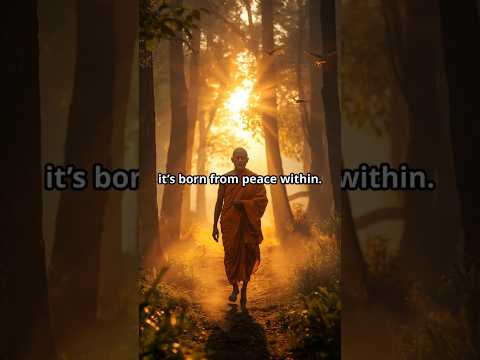
  • Dhammapada 397: The True Brahmin—Deep Buddhist Wisdom.

    Dhammapada 397: The True Brahmin — Deep Buddhist Wisdom | Timeless Teaching on Peace and Virtue.
    Dhammapada 397: The True Brahmin—Deep Buddhist Wisdom.

    Dhammapada 397: The True Brahmin—Deep Buddhist Wisdom.

    True nobility has nothing to do with birth, wealth, or social standing. The Buddha taught that real purity arises from peace, compassion, and restraint. In Dhammapada 397, this truth shines clearly, reminding us that spiritual greatness is not inherited but cultivated. A true Brahmin, according to the Buddha, is not one born into a priestly class—it is one who has mastered the self and lives without harming any being. This verse captures the essence of Buddhist wisdom—that enlightenment begins within. The one who neither harms nor causes harm walks the true path of peace.

    The Meaning of Dhammapada 397

    Dhammapada 397 comes from the Brāhmaṇa Vagga, the Chapter of the Brahmin, in the ancient Pali text, the Dhammapada. Here, the Buddha redefines the word Brahmin, which traditionally referred to someone of high caste or ritual purity. Instead, the Buddha transforms it into a spiritual title, earned through inner purity and harmlessness. This teaching challenges the rigid social systems of ancient India and offers a universal truth: the worth of a person lies not in their lineage, but in their actions and intentions. The one who lives without violence or anger, who is patient and restrained, is the true Brahmin.

    The Path of Harmlessness

    At the heart of Dhammapada 397 lies the concept of Ahimsa—nonviolence. To be harmless is to live in awareness of every word, thought, and action. The Buddha’s teaching here calls for mastery of oneself—body, speech, and mind—so that one’s presence brings peace, not pain. Harmlessness does not mean weakness. It means strength guided by compassion. It means having the courage to meet conflict with calm, and the wisdom to choose peace over pride. Such a person, unshaken by praise or blame, moves through life like a gentle wind—touching everything but clinging to nothing.

    Inner Peace as True Strength

    Dhammapada 397 reminds us that the strongest person is not the one who conquers others, but the one who conquers themselves. When we control our anger, greed, and ego, we discover a deep freedom—the kind that cannot be taken away by circumstance. The Buddha often taught that self-mastery is the foundation of all spiritual growth. Through mindfulness and meditation, we learn to see clearly, act kindly, and live without causing harm. This is how the true Brahmin walks the path—with balance, wisdom, and compassion in every step.

    Living the Teaching Today

    How can we live the message of Dhammapada 397 in modern times? It begins with awareness. Every day offers moments to practice restraint, forgiveness, and kindness. When someone angers us, we can choose understanding over reaction. When life feels unfair, we can choose patience over frustration. True spiritual practice is not found only in temples or texts—it’s found in how we treat people, how we speak, and how we respond to the world. Living harmlessly doesn’t mean withdrawing from life. It means engaging with life skillfully—with an open heart and a calm mind.

    The True Brahmin Within

    Ultimately, Dhammapada 397 points inward. The “true Brahmin” is not somewhere outside us—it is the awakened potential within each of us. By walking the path of mindfulness and compassion, we become that noble being the Buddha described: one who brings peace instead of pain, light instead of shadow. When we embody harmlessness, we not only uplift ourselves but also everyone around us. In a world filled with noise, this quiet strength becomes the greatest form of wisdom.

    Conclusion: Becoming the Noble One

    The message of Dhammapada 397 is simple yet profound—nobility is born from peace, not privilege. The true Brahmin is one who has conquered the self and lives in harmony with all beings. Let this verse remind us that enlightenment begins with gentle steps: mindfulness, kindness, and compassion. As we practice harmlessness in thought and action, we move closer to the heart of Buddhist wisdom—and to the true freedom that lies beyond ego and fear.

    Dhammapada 397: The True Brahmin—Deep Buddhist Wisdom.
    Dhammapada 397: The True Brahmin—Deep Buddhist Wisdom.

    PS:
    If this teaching from the Buddha spoke to your heart, take a moment to subscribe to YourWisdomVault on YouTube. 🌿
    Each week we share short reflections, Dhammapada insights, and timeless Buddhist wisdom to help you walk the path of peace and mindfulness.

    #YourWisdomVault #BuddhistWisdom #Dhammapada #Mindfulness #InnerPeace #BuddhaTeachings #SpiritualGrowth #Meditation #DhammapadaQuotes #PeaceWithin