
Tag: karma explained

  • Living with Karma: A Buddhist View on Life and Destiny.

    Living with Karma: A Buddhist View on Life and Destiny, Shaping Freedom Through Awareness.
    Living with Karma: A Buddhist View on Life and Destiny.

    Living with Karma: A Buddhist View on Life and Destiny.

    What if your life today is the direct result of yesterday’s choices? In Buddhism, the concept of karma is not a mysterious force of judgment but a clear and natural law of cause and effect. Every action, thought, and word plants a seed that will eventually bear fruit. By understanding this principle, we can shape our destiny with intention, compassion, and mindfulness. This is where the journey of living with karma truly begins—not as a superstition, but as a mindful way of creating the life you want.

    What Karma Really Means in Buddhism

    In Buddhist philosophy, karma simply means “action.” It is not inherently good or bad—it is neutral until shaped by intention. If your actions are rooted in kindness and wisdom, the results tend to bring peace and harmony. When they are driven by greed, anger, or ignorance, they lead to suffering.

    The Buddha taught that this understanding should not inspire fear, but empowerment. Instead of blaming luck or fate, we see that the quality of our lives arises from our choices. Living with karma means acknowledging this truth and taking responsibility for the seeds you plant every day.

    The Law of Cause and Effect

    The law of cause and effect is central to Buddhist teachings. Imagine life as a vast garden. Each choice is a seed, and the conditions you create—through mindfulness, ethics, and compassion—determine how those seeds grow. Even the smallest decisions, repeated daily, create the patterns that shape your destiny.

    This is not about instant results. A seed planted today may take months or years to bear fruit. Some seeds may have been planted lifetimes ago. Yet the present moment always holds the power to influence what comes next. Living with karma means working with this understanding patiently, tending your inner garden with care.

    How Karma Shapes Destiny

    Destiny, in the Buddhist sense, is fluid. It is the accumulated result of countless small actions and decisions. By becoming aware of your daily habits, you can begin to influence the trajectory of your life. No matter what has happened before, new seeds can always be planted.

    When you are living with karma consciously, you realize that your future is not simply handed to you—it’s cultivated moment by moment. That awareness brings freedom, because you can always choose a new path.

    Practical Ways to Live Mindfully with Karma

    1. Practice Mindfulness: Awareness in the present moment helps you make intentional choices instead of running on autopilot.
    2. Speak Truthfully: Words carry energy; choose honesty and kindness to create trust and harmony.
    3. Act with Compassion: Even small acts of care can ripple outward in ways you may never see.
    4. Reflect Daily: Review your thoughts and actions to identify patterns you want to strengthen or change.
    5. Let Go of Attachment to Results: Focus on planting good seeds without clinging to outcomes.

    In this way, living with karma becomes less about fear of consequence and more about joyful creation of your life’s direction.

    Common Misconceptions About Karma

    A widespread misunderstanding is that karma is about punishment or reward from an outside force. Buddhism teaches that karma is not imposed—it is self-created.

    Another myth is that past karma cannot be changed. While you cannot erase past actions, you can shift their impact by creating new, positive conditions in the present. Over time, these better conditions can transform your life’s course, much like healthy plants can overtake weeds in a garden.

    Why This Teaching Matters Today

    In a world of instant gratification, it’s easy to forget that our choices have lasting effects. The Buddhist view of karma encourages patience, responsibility, and compassion—not just toward others, but toward ourselves. It asks us to slow down, reflect, and understand that what we do today will echo into the future.

    This is why living with karma is more relevant than ever. It offers a framework for making decisions that align with your deepest values, creating harmony in a time when so many feel disconnected and rushed.

    Conclusion

    Living with karma is about embracing the truth that your actions matter. You are both the gardener and the garden, planting seeds that will grow into the experiences of tomorrow. By living with awareness, you can align your life with values that bring peace, joy, and fulfillment—not only for yourself but for all beings you touch.

    Living with Karma: A Buddhist View on Life and Destiny.
    Living with Karma: A Buddhist View on Life and Destiny.

    P.S. If this message inspired you, join our growing community of wisdom-seekers. Subscribe to YourWisdomVault on YouTube for more Buddhist insights, mindful living tips, and timeless life lessons. Your journey toward peace and clarity starts here. 🌱

    #LivingWithKarma #BuddhistWisdom #Mindfulness #InnerPeace #LifeLessons #KarmaExplained #SpiritualGrowth #Destiny #Buddhism #YourWisdomVault
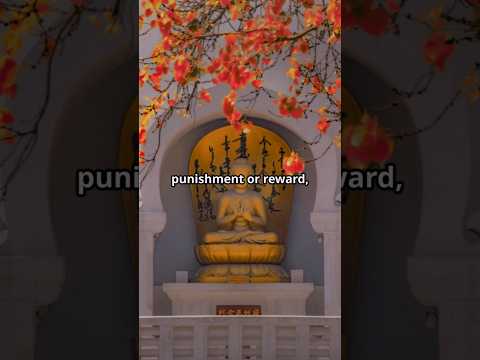
  • Karma Explained: It’s Not What You Think It Means.

    Karma Explained: It's Not What You Think It Means—But How Your Intentions Shape Every Moment.
    Karma Explained: It’s Not What You Think It Means.

    Karma Explained: It’s Not What You Think It Means.

    When most people hear the word karma, they instantly think of payback. “What goes around comes around,” right? If someone does something wrong, karma will get them. That’s the common view. But in Buddhism, karma isn’t about punishment or revenge. It’s much deeper—and far more empowering.

    In this post, we’ll explore the true meaning of karma from a Buddhist perspective and how understanding it can change your mindset, your choices, and your life.


    What Is Karma, Really?

    In Sanskrit, karma means “action.” That’s it. Not fate. Not punishment. Just action. But in the Buddhist tradition, karma refers to more than just physical movement—it includes your thoughts, intentions, words, and deeds. Every action you take creates a ripple, a consequence. This is what’s meant by karma as a cause-and-effect system.

    Karma is not controlled by gods or external forces. It’s not the universe “getting back” at you. It’s the natural law of energy and consequence. In simple terms: your actions shape your reality. Karma explained simply means intentional action followed by consequence—nothing mystical, just mindful.


    Intention Is Everything

    One of the biggest misconceptions about karma is that it’s instant. Someone cuts you off in traffic, and five minutes later they get a flat tire—that’s karma, right? Actually, no. That’s just a coincidence. Karma doesn’t work like a cosmic vending machine.

    What truly matters in karma is intention. Two people can do the same thing—say, give money to charity—but the one who does it out of compassion plants a very different karmic seed than someone who does it for praise or tax benefits. In Buddhism, it’s not just what you do, it’s why you do it.


    Karma Is Not About Blame

    Another common misunderstanding is that karma means you deserve every bad thing that happens to you. This view can be harmful and oversimplifies a complex teaching.

    Yes, your current life is shaped by past actions—possibly even from previous lifetimes, according to Buddhist belief—but karma is not a blaming system. It’s not here to make you feel guilty or shameful. Instead, karma invites you to take mindful responsibility for your actions and their consequences. When we look at karma explained through a Buddhist lens, we see a teaching rooted in awareness, not superstition.


    Karma Is Empowering

    The beauty of karma is this: you’re not stuck. No matter what you’ve done in the past, you can change your karmic path by changing your actions and intentions now.

    This is what makes karma empowering rather than fatalistic. You’re not at the mercy of fate. You’re a participant in creating your future, moment by moment.

    By cultivating awareness, compassion, and wisdom, you start planting better seeds—and over time, those seeds grow into peace, clarity, and fulfillment.


    How to Apply Karma in Daily Life

    So how do you live in alignment with true karmic understanding?

    1. Be mindful of your intentions. Before speaking or acting, ask: What’s motivating me right now?
    2. Practice compassion. Treat others as mirrors, not enemies.
    3. Reflect daily. Small moments of self-awareness can shift long-term patterns.
    4. Don’t seek immediate results. Think of karma like a garden. Seeds take time to grow.

    Every moment is a chance to plant something new. Even the smallest shift in mindset can ripple outward.


    Final Thoughts

    Karma isn’t about fear—it’s about freedom. It’s the wisdom that your choices matter, not just on some cosmic scorecard, but in the quality of your everyday life. When you understand karma as intentional action followed by natural consequence, you begin to take full ownership of your thoughts, your words, and your impact on the world.

    Let go of the old “karma will get them” mindset. Instead, focus on your garden. Water it with compassion, honesty, and mindfulness—and watch what grows.

    Karma Explained: It's Not What You Think It Means.
    Karma Explained: It’s Not What You Think It Means.

    Enjoyed this insight?
    And if it shifted your perspective, subscribe to our YouTube channel: YourWisdomVault.

    P.S. If you’ve ever misunderstood karma, this is your sign to look deeper—karma explained in its truest form. And remember: This is karma explained to beyond clichés: it’s a mirror reflecting your inner world, not a system of punishment.

    #KarmaExplained #Mindfulness #BuddhistWisdom