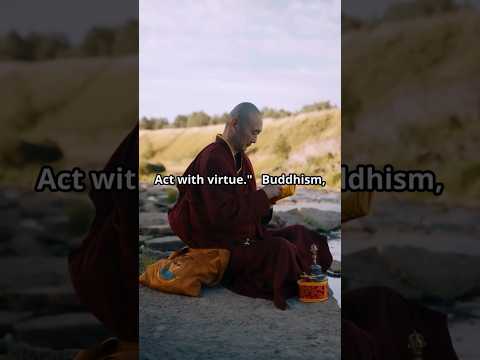
Tag: Letting go of ego

  • Victory Breeds Hate, Defeat Brings Pain — Peace Brings Joy!

    Victory Breeds Hate, Defeat Brings Pain—Only Peace Brings True Joy and Freedom of the Heart.
    Victory Breeds Hate, Defeat Brings Pain — Peace Brings Joy!

    Victory Breeds Hate, Defeat Brings Pain — Peace Brings Joy!

    In today’s fast-paced world, many of us are taught to strive for victory at all costs. We’re conditioned to believe that winning is the ultimate goal—whether it’s in our careers, relationships, or personal pursuits. But what if this mindset is actually a source of our suffering?

    The Buddha, in his timeless wisdom, once said:
    “Victory breeds hatred. The defeated live in pain. Peaceful live happily.”

    This powerful quote invites us to look beyond the surface of competition and conflict. It calls us to ask: What does it really mean to win? And what are we losing in the process?

    The Hidden Cost of Winning

    In a culture obsessed with success, we rarely pause to consider the consequences of our victories. When we “win” an argument, dominate in a debate, or outshine someone in competition, it may feel good—temporarily. But often, those victories come at a price: resentment, broken relationships, or feelings of superiority that isolate us.

    This is what the Buddha meant by “victory breeds hatred.” The act of overpowering another creates division, not unity. It fosters ego, not empathy. And over time, this leads to emotional isolation and spiritual unrest.

    The Pain of Defeat

    On the other side of the coin, defeat can be equally damaging. When we lose—whether it’s a job opportunity, a relationship, or even a minor disagreement—we often carry that pain with us. The feeling of being “less than” or “not enough” lingers in the mind and heart.

    The Buddha’s words ring true again: “The defeated live in pain.” This suffering doesn’t just come from loss itself, but from the attachment to winning, and the belief that our worth is tied to our outcomes.

    This kind of pain can manifest as anxiety, depression, low self-esteem, or anger. We become stuck in cycles of comparison and self-doubt, all because we haven’t been taught to value inner peace over external validation.

    The Path to True Happiness: Inner Peace

    So where does true happiness lie? Not in victory. Not in avoiding defeat. But in the peaceful mind—a mind that is free from ego, expectation, and the need to control outcomes.

    “Peaceful live happily.” This final line of the Buddha’s quote is more than just poetic—it’s deeply practical. When we release the need to always be right, to always win, we open ourselves to something greater: freedom.

    Peace isn’t passivity. It’s not giving up or letting others walk over you. It’s choosing not to engage in battles that drain your energy and cloud your clarity. It’s mastering your emotions rather than being mastered by them.

    How to Cultivate Inner Peace

    You might be wondering: How can I start living more peacefully? Here are a few steps rooted in Buddhist mindfulness and modern well-being:

    1. Practice Detachment – Let go of outcomes. Focus on effort, not results.
    2. Develop Compassion – See others not as opponents, but as fellow travelers.
    3. Meditate Daily – Even 5 minutes of stillness can reset your mindset.
    4. Reflect on Impermanence – Nothing lasts forever—not victory, not defeat.
    5. Speak Mindfully – Avoid words that wound. Choose connection over conquest.

    These practices help rewire the mind away from ego-driven behavior and toward conscious, compassionate living.

    Final Thoughts

    The Buddha’s teaching—“Victory breeds hatred. The defeated live in pain. Peaceful live happily.”—is a reminder that true fulfillment doesn’t come from “winning” according to the world. It comes from mastering yourself, letting go of the need to prove anything, and choosing peace even when conflict seems tempting.

    Ask yourself today: Is this worth my peace?
    And if it’s not—let it go.

    Victory Breeds Hate, Defeat Brings Pain — Peace Brings Joy!
    Victory Breeds Hate, Defeat Brings Pain — Peace Brings Joy!

    Liked this message?
    Share it, and follow YourWisdomVault on YouTube for more reflections on mindfulness, spiritual growth, and conscious living.

    P.S.

    If this message spoke to your soul, don’t just read it—live it. Peace is a choice you can make today. 🌱

    #BuddhaQuotes #Mindfulness #InnerPeace #SpiritualWisdom #VictoryAndDefeat #LettingGo #EmotionalHealing #LifeLessons #PeacefulLiving #YourWisdomVault
  • Few Cross to the Other Shore – Buddhist Wisdom on Rarity.

    Few Cross to the Other Shore—A Profound Buddhist Wisdom on the Rare Path to Enlightenment.
    Few Cross to the Other Shore – Buddhist Wisdom on Rarity.

    Few Cross to the Other Shore – Buddhist Wisdom on Rarity.

    In the ancient Buddhist text known as the Dhammapada, the Buddha offers a profound and haunting observation:

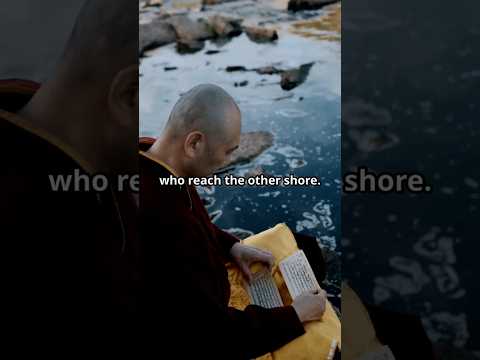
    “Few among men are those who reach the other shore; the rest run up and down the shore.”
    Dhammapada, Verse 85

    This verse is more than poetry—it’s a truth that continues to echo through time. It speaks to the spiritual path that few take, the inner journey that leads to freedom, peace, and awakening. In today’s fast-paced, distraction-filled world, this insight is more relevant than ever.


    What Is the “Other Shore”?

    The “other shore” is a metaphor for enlightenment—a state of liberation from suffering, ignorance, and the endless cycle of craving and aversion. In Buddhist philosophy, this cycle is called samsara. Most people, the Buddha teaches, are caught in the currents of samsara: pursuing temporary pleasures, fearing loss, and reacting to life from ego and attachment.

    To “reach the other shore” is to step out of this cycle. It means to live with mindfulness, clarity, and compassion. It is to realize the impermanence of all things and find peace in the present moment.


    Why So Few?

    Why do so few people reach the other shore?

    Because the path is not easy.

    It requires deep self-awareness, consistent meditation, and a willingness to let go of the illusions we cling to—identity, possessions, beliefs, and even our stories. The path asks us to look within rather than blame the world outside. It challenges us to examine our fears, our habits, and our attachments.

    Most people avoid this. It’s easier to stay busy, distracted, and entertained than to sit in silence and observe the mind. It’s easier to run up and down the shore than to actually cross the river.


    Crossing the River

    The Buddha often described the spiritual path as a crossing. He said the Dharma—the teachings—are like a raft. We use it to cross over from confusion to clarity, from suffering to serenity. But once we reach the other shore, we don’t carry the raft on our backs. We let it go.

    This speaks to the non-dogmatic nature of Buddhism. The teachings are a guide, not a belief system to be clung to. They serve their purpose—to help us awaken—and then we move forward with lightness and understanding.


    Bringing It Into Daily Life

    You don’t have to live in a monastery or renounce the world to begin crossing to the other shore. The journey starts in the present moment—with each breath, each choice, and each act of awareness.

    Ask yourself:

    • Am I reacting from ego or responding with wisdom?
    • Am I clinging to something that’s causing suffering?
    • Can I let go and be present right now?

    Practicing mindfulness, cultivating compassion, and reflecting on the impermanence of life are all part of the crossing.


    Final Thoughts

    The Buddha’s words remind us that the path of wisdom is not popular—it’s personal. It’s not loud, but quiet. Not filled with guarantees, but with invitations to look within. And while few may choose this path, those who do discover a freedom and peace that cannot be found on the surface of things.

    At YourWisdomVault, we share timeless teachings like this to inspire the modern seeker. If this message speaks to you, consider taking your own first step toward the other shore. You don’t have to know the whole path—just start walking it with intention.

    Few Cross to the Other Shore – Buddhist Wisdom on Rarity.
    Few Cross to the Other Shore – Buddhist Wisdom on Rarity.

    Explore More

    🙏 Thanks for watching our short video: Few Cross to the Other Shore – Buddhist Wisdom on Rarity.

    🎥 Subscribe to our channel YourWisdomVault on YouTube for more ancient insights in bite-sized form.

    🧘‍♀️ Begin your journey—one mindful breath at a time.

    #Buddhism #BuddhistWisdom #Dhammapada #Mindfulness #SpiritualJourney #Enlightenment #Awakening #InnerPeace #AncientWisdom #MeditationPractice #BuddhaTeachings #NonAttachment #EgoDeath #LettingGo #SelfAwareness #YourWisdomVault #CrossingToTheOtherShore #ModernSpirituality #DailyWisdom #PhilosophyOfLife

  • Unshaken Like a Rock: The Wise Ignore Praise and Blame.

    Unshaken Like a Rock: The Wise Ignore Praise and Blame, Standing Calm in Truth and Serenity.
    Unshaken Like a Rock: The Wise Ignore Praise and Blame.

    Unshaken Like a Rock: The Wise Ignore Praise and Blame.

    In a world driven by social media likes, follower counts, and public opinion, it’s easy to become addicted to validation—or crushed by criticism. But over 2,500 years ago, the Buddha shared a simple yet profound truth that remains more relevant than ever:

    “As a rock is not shaken by the wind, so the wise are not moved by praise or blame.”
    Dhammapada, Verse 81

    This teaching reminds us of the power of emotional detachment, inner peace, and mindfulness. While the world swings between applause and judgment, the truly wise remain centered, calm, and unshaken.

    Praise and Blame: Two Sides of the Same Illusion

    Most of us are conditioned to chase praise and avoid blame. We feel proud when others compliment us and hurt when they criticize us. But both responses are reactions based on ego—on clinging to a certain identity or perception of self.

    The Buddha understood this trap. Praise can inflate the ego and pull us away from humility. Blame can wound the ego and trap us in anger or shame. Either way, our peace becomes dependent on something outside of ourselves.

    True wisdom lies in non-attachment—not in avoiding people or shutting down emotionally, but in learning not to let external opinions dictate our internal state.

    Becoming Like the Rock: Anchored in Mindfulness

    The image of a rock, unmoved by wind, is a powerful metaphor. It points to a state of being grounded in mindfulness and clarity. When we practice mindfulness, we become observers of our thoughts and emotions rather than being swept away by them.

    So how can we apply this teaching in everyday life?

    • When someone praises you, acknowledge it, but don’t cling to it. Let it pass like a breeze.
    • When someone criticizes you, reflect calmly. If there’s truth in it, learn. If not, release it without resentment.
    • Return your attention to the present moment—your breath, your intention, your values.

    This doesn’t mean becoming numb or indifferent. It means becoming stable, emotionally intelligent, and free.

    Wisdom in a Noisy World

    In today’s digital age, we are more exposed than ever to constant feedback. Likes, comments, shares, retweets—they all feed our craving for external affirmation. But as spiritual seekers, we are called to move in the opposite direction: inward.

    The wise don’t resist feedback—they just don’t depend on it. Their peace isn’t found in applause, and their worth isn’t destroyed by blame.

    Instead of reacting, they reflect.
    Instead of clinging, they let go.
    Instead of seeking approval, they seek understanding.

    This is the essence of Buddhist wisdom: to see clearly, respond compassionately, and remain centered in the face of change.

    Practicing the Teaching

    To embody this teaching in your own life, try these simple practices:

    1. Daily Reflection: Ask yourself each evening—was I moved today by praise or blame? Why?
    2. Mindful Breathing: When emotions rise due to feedback, return to your breath. Anchor yourself in the present.
    3. Journaling: Write about moments when you felt unshaken, and moments when you didn’t. Learn from both.
    4. Loving-Kindness Meditation: Build compassion for yourself and others, which makes letting go of ego reactions easier.

    Final Thoughts

    The path of wisdom isn’t about becoming cold or detached from the world—it’s about becoming free within it. When you no longer rely on praise or fear blame, you move through life with quiet confidence and deep clarity.

    You become like the rock—calm, grounded, and unmoved.

    Unshaken Like a Rock: The Wise Ignore Praise and Blame.
    Unshaken Like a Rock: The Wise Ignore Praise and Blame.

    If you found this teaching valuable, explore more daily insights and ancient wisdom by subscribing to our Your Wisdom Vault YouTube channel. Let timeless teachings guide you toward a more mindful and peaceful life.

    P.S. In a world full of noise, be the calm—be unshaken. 🌿

    #BuddhistWisdom #Mindfulness #InnerPeace #Detachment #Dhammapada #EmotionalResilience #SpiritualGrowth #NonAttachment #YourWisdomVault

    Thanks for watching: Unshaken Like a Rock: The Wise Ignore Praise and Blame.

  • Stoicism vs Buddhism: Key Differences-Mindset & Inner Peace

    Stoicism vs. Buddhism — Key Differences in Mindset, Inner Peace, and the Path to Freedom.
    Stoicism vs Buddhism: Key Differences in Mindset & Inner Peace.

    Stoicism vs Buddhism: Key Differences in Mindset & Inner Peace.

    When it comes to timeless wisdom for living a peaceful and meaningful life, Stoicism and Buddhism stand out as two of the most respected and widely studied philosophies. Although they developed in entirely different parts of the world—Stoicism in ancient Greece and Rome, and Buddhism in ancient India—they share a surprising number of similarities. Both offer powerful guidance on how to reduce suffering, cultivate emotional resilience, and live with purpose.

    Yet at their core, Stoicism and Buddhism differ in profound ways. Let’s explore what sets them apart—and how each path can help you find your own version of inner peace.


    The Similarities: A Shared Goal of Inner Calm

    Both Stoicism and Buddhism are deeply concerned with the inner life. They teach that true happiness does not come from external circumstances, but from within. Both philosophies offer tools to help us navigate pain, uncertainty, and loss—without being controlled by them.

    In Stoicism, this means focusing only on what you can control: your thoughts, your actions, and your attitude. In Buddhism, it means recognizing that attachment and desire are the roots of suffering, and that liberation comes from seeing through the illusion of self.

    Both traditions encourage mindfulness, self-discipline, and compassion. They promote living in the present moment, not being ruled by fleeting emotions or external events. This makes both incredibly relevant in our modern world, where stress and distraction are at an all-time high.


    The Key Differences: Control vs Liberation

    The primary difference between Stoicism and Buddhism lies in their view of the self and the ultimate goal of the practice.

    Stoicism is about mastering the self in the face of life’s inevitable hardships. It teaches you to stand firm, accept what you cannot change, and live with integrity. Think of Marcus Aurelius writing in Meditations: “You have power over your mind—not outside events. Realize this, and you will find strength.” In Stoicism, the self is something to be strengthened, refined, and guided by reason and virtue.

    Buddhism, in contrast, teaches that the self is an illusion. The ego, with all its desires and fears, is the source of suffering. The Buddhist path is one of liberation from the self, through practices like meditation, mindfulness, and ethical living. The goal is not to strengthen the self, but to transcend it—to awaken to a deeper truth beyond identity and separation.

    So, while Stoicism embraces the storm with a calm and rational mind, Buddhism encourages us to see that the storm itself may be nothing more than a projection of our attachments and false beliefs.


    Which One Is “Better”?

    That depends entirely on your personal mindset and spiritual goals. If you’re looking for practical tools to improve your emotional resilience, face challenges head-on, and live ethically in the world, Stoicism may speak to you. If you’re seeking spiritual liberation, peace beyond the ego, and a deeper understanding of reality, Buddhism offers a profound path.

    Many people today actually draw from both traditions, using Stoic principles for navigating daily life, and Buddhist teachings for inner exploration and mindfulness. There’s no rule saying you can’t benefit from the wisdom of both.


    Final Thoughts

    At the heart of both Stoicism and Buddhism is the desire to end suffering and live a life of clarity, calm, and compassion. They just take different roads to get there.

    One trains you to master your mind.
    The other shows you how to let go of your mind entirely.

    Whichever path you choose—or even if you walk a bit of both—you’re taking steps toward a wiser, more peaceful life.

    Stoicism vs Buddhism: Key Differences in Mindset & Inner Peace.

    Looking to explore more bite-sized wisdom on philosophy, mindset, and inner peace?
    Follow YourWisdomVault on YouTube for weekly insights that make ancient ideas feel fresh, modern, and deeply personal.

    #Stoicism #Buddhism #Mindfulness #InnerPeace #EmotionalResilience #SelfAwareness #LetGoOfEgo #PhilosophyOfLife #SpiritualGrowth #DailyWisdom #ModernStoicism #BuddhistWisdom #AncientPhilosophy #YourWisdomVault

    P.S. The journey to inner peace doesn’t have to follow just one path—sometimes, the most powerful wisdom comes from blending traditions. Keep exploring. Keep growing. And remember: your inner vault is deeper than you think.