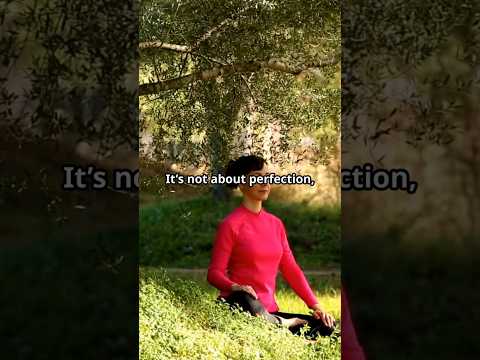
Tag: Mindful Living Practices

  • Live One Day Wise & Meditative—A Better Way to Be.

    Live One Day Wise & Meditative—A Better Way to Be, Anchored in Peace, Clarity, and Compassion.
    Live One Day Wise & Meditative—A Better Way to Be.

    Live One Day Wise & Meditative—A Better Way to Be.

    In today’s fast-paced world, it’s easy to lose ourselves in constant noise, distractions, and never-ending to-do lists. We’re often chasing the next thing—the next task, the next goal, the next success—while forgetting to pause, breathe, and truly experience the moment we’re in. But what if one single day—lived wisely and mindfully—could offer more peace and clarity than years of unconscious living?

    This idea, rooted in ancient Buddhist wisdom, invites us to reimagine how we live. It challenges the notion that quantity of time matters more than quality of attention. As the Buddha once said, “Better it is to live one day wise and meditative than to live a hundred years foolish and uncontrolled.”

    The Power of Present-Moment Awareness

    Mindfulness is more than a trend—it’s a transformative practice. When we live with awareness, we begin to see the beauty in ordinary moments. We become less reactive and more intentional. A quiet cup of tea becomes a sacred ritual. A conversation becomes an opportunity to connect rather than just respond.

    Live one day wise doesn’t require perfect enlightenment. It simply requires presence. It means slowing down enough to notice your breath, listen deeply, and respond with care instead of reacting on autopilot.

    Why One Day Can Be Enough

    The idea that one mindful day is more powerful than a hundred mindless ones is both liberating and empowering. It means that no matter your past, you can choose now—this day—to live differently. You don’t need a lifetime of spiritual practice to find peace; you need this moment.

    By turning inward, even for a short time, we begin to cultivate awareness, compassion, and clarity. These are the qualities that shape a wise life. And the beauty is—they are already within you.

    Daily Wisdom in Modern Life

    Many of us believe we must escape daily responsibilities to find peace. But Buddhism teaches the opposite: peace is found in how we engage with life, not in running from it. Wisdom and meditation don’t belong only on mountaintops or in temples—they belong in your kitchen, your commute, and your conversations.

    Try this: for one day, or even one hour, commit to being fully present. Let go of multitasking. Notice your thoughts. Breathe deeply. Speak slowly. Walk gently. This small shift can open the door to a more grounded, joyful experience of life.

    The Invitation of This Teaching

    This teaching isn’t about perfection. It’s about intention. Living one day wisely is a practice—a gentle return to what matters most. Whether you’re new to mindfulness or deep on your spiritual journey, the reminder is the same: slow down and wake up to now.

    When you live from this space, you begin to notice things others miss—the softness in a sunset, the kindness in a stranger’s eyes, the quiet wisdom of your breath. You begin to live not just longer, but deeper.


    Final Thoughts

    The path to wisdom isn’t paved with years—it’s paved with presence. Let this be your invitation to begin today. You don’t need to change your whole life. Just change how you show up for one day.
    Live it with awareness. Live it with heart. Live it as if it were your only chance to truly be alive—because in many ways, it is.

    Live One Day Wise & Meditative—A Better Way to Be.
    Live One Day Wise & Meditative—A Better Way to Be.

    P.S. If today’s reflection resonated with you, consider subscribing to YourWisdomVault on YouTube for more timeless Buddhist insights and mindful living inspiration—one short at a time. 🌿✨

    #Mindfulness #BuddhistWisdom #Meditation #LiveWisely #YourWisdomVault #DailyWisdom #PresentMoment #ConsciousLiving #SpiritualGrowth #BuddhaQuotes

  • Nobility Is Earned by Truth and Action, Not by Birth.

    Nobility Is Earned by Truth and Action, Not by Birth—A Timeless Teaching on Virtue and Honor.
    Nobility Is Earned by Truth and Action, Not by Birth.

    Nobility Is Earned by Truth and Action, Not by Birth.

    In today’s world, social status, wealth, and heritage often define what it means to be “important.” But in the eyes of the Buddha, these external markers hold no real weight. True nobility, according to Buddhist wisdom, has nothing to do with birthright or privilege. It is a quality cultivated through our actions, intentions, and truthfulness.

    This insight cuts across centuries of human history, reminding us that our spiritual worth is not something we inherit—it’s something we earn.

    The Buddha’s Teaching on True Nobility

    The Buddha once said:
    “One is not a noble person because of birth, but by behavior and truth.”

    This profound teaching speaks directly to the heart of the Dharma. In the Buddha’s time, rigid caste systems dictated a person’s place in society. People were judged not by their character, but by the family or social group they were born into.

    But the Buddha rejected this system. He taught that anyone—regardless of class, gender, or background—could walk the noble path and attain awakening. What mattered was not one’s lineage, but one’s integrity, mindfulness, and compassion.

    What Makes Someone Truly Noble?

    In Buddhist terms, nobility arises from right speech, right action, and right intention—core aspects of the Noble Eightfold Path. Let’s break that down:

    • Right Speech: Speaking with honesty and kindness. Avoiding lies, gossip, and harmful words.
    • Right Action: Living ethically, not harming others, and cultivating peace.
    • Right Intention: Acting from compassion, not selfishness or ego.

    A person who consistently embodies these qualities is considered ariya in Pali—meaning “noble” in spirit, not status.

    So, while someone may be born into wealth or royalty, it is their daily conduct that determines their true worth. And conversely, someone born into humble circumstances can become deeply respected if they live with truth and wisdom.

    Living the Noble Path Today

    In our modern world, this message is more relevant than ever. We’re constantly bombarded by images of fame, money, and influence as signs of success. But Buddhist teachings invite us to look deeper.

    Are we speaking with sincerity? Are we acting with compassion? Are we being truthful even when it’s inconvenient?

    Nobility is not about your surname. It’s about your karma—the ripple of your thoughts, words, and actions across time. Every moment presents a chance to act with dignity, to be mindful, to embody the Dharma.

    This inner nobility shines far brighter than any title or recognition.

    Real-Life Examples of Noble Living

    You don’t have to be a monk or scholar to walk this path. A single parent raising their children with patience and honesty is noble. A teacher guiding students with empathy is noble. Even someone who admits a mistake and makes amends shows more spiritual nobility than someone who clings to pride.

    Buddhism teaches us that every human has Buddha-nature, the capacity for awakening. And the first step is often the simplest: speak the truth, act with kindness, and stay grounded in awareness.

    Final Thoughts: Choose Nobility Every Day

    The beauty of this teaching is its universal accessibility. No matter who you are, where you come from, or what you’ve done—you can choose to be noble, right now. With each thought, each word, each deed.

    So the next time you feel “less than” because of where you come from, remember this:

    Your nobility is measured by your truth, your compassion, and your integrity.

    Keep walking that path. Keep showing up with courage and heart.

    Nobility Is Earned by Truth and Action, Not by Birth.
    Nobility Is Earned by Truth and Action, Not by Birth.

    For more Buddhist wisdom and spiritual insights, subscribe to YourWisdomVault on YouTube and explore the teachings that transcend time and ego.

    #BuddhaWisdom #NoblePath #SpiritualGrowth

  • The Wise Delight in Watchfulness – A Path to Inner Peace!

    The Wise Delight in Watchfulness—A Path to Inner Peace and Lasting Harmony of Mind and Spirit!
    The Wise Delight in Watchfulness – A Path to Inner Peace!

    The Wise Delight in Watchfulness – A Path to Inner Peace!

    In today’s fast-paced, overstimulated world, most of us live on autopilot—scrolling, reacting, chasing. We’re constantly distracted, rarely stopping to notice the present moment. But according to the teachings of the Buddha, watchfulness—the art of being aware—is the cornerstone of a wise and peaceful life.

    The Dhammapada, a collection of the Buddha’s sayings, reminds us:
    “The wise delight in watchfulness. The fool sleeps as if already dead.”
    This powerful line cuts through modern noise and directs us back to what truly matters: awareness.


    What Is Watchfulness?

    In Buddhist philosophy, watchfulness is closely tied to mindfulness (sati in Pali). It refers to the continuous, conscious observation of our thoughts, feelings, and actions. It’s not passive—it’s a sharp, clear, and compassionate awareness of what’s happening in the present moment.

    Watchfulness is not just something we practice during meditation. It’s meant to be woven into everyday life—while eating, walking, talking, working, even resting. The wise delight in watchfulness because it keeps them connected to reality as it is, not as the mind imagines it.


    Why Do the Wise Delight in It?

    The wise understand that suffering often arises from mindlessness—when we react impulsively, get caught in cravings, or cling to our ego. But through watchfulness, we create a space between stimulus and response. That space gives birth to clarity, wisdom, and peace.

    Being watchful doesn’t mean being paranoid or hyper-vigilant. Instead, it’s about being present and grounded. It means noticing the anger rise before we speak, or seeing the craving form before it controls us. It means observing the moment just as it is, without judgment or attachment.

    The wise delight in this practice because it frees them from the trap of unconscious living. In that freedom, there is joy—deep, stable, and lasting.


    Watchfulness as a Path to Inner Peace

    When we are truly watchful, we’re no longer slaves to our emotions or desires. We respond instead of react. We observe instead of obsess. This shift brings a profound sense of inner peace.

    Consider how much of our suffering is created by the mind: regrets about the past, anxieties about the future, or stories we tell ourselves. Watchfulness gently brings us back to the now—where life actually happens. In that space, peace naturally arises.

    Over time, this present-moment awareness becomes a refuge. Whether you’re facing stress, conflict, or confusion, watchfulness gives you a grounded perspective. It doesn’t mean you won’t feel pain, but it does mean you’ll suffer less.


    How to Practice Watchfulness Daily

    You don’t need to be a monk or meditate for hours to develop watchfulness. Here are some practical ways to cultivate it daily:

    1. Start with the breath – Take a few moments each morning to simply observe your breath. Notice it without trying to change it. This anchors your attention.
    2. Pause before reacting – When emotions arise, try to pause. Ask yourself: “What am I feeling right now? What triggered this?”
    3. Mindful transitions – Use natural transitions (like walking to your car or making tea) as cues to check in with yourself.
    4. Evening reflection – Before bed, review your day. Where were you present? Where were you distracted? This builds awareness over time.

    Final Thoughts

    The wise delight in watchfulness because it offers them freedom—from illusion, reactivity, and unnecessary suffering. It’s not about being perfect—it’s about being present. Moment by moment, breath by breath.

    Watchfulness doesn’t require special tools or deep philosophy—it just asks that you pay attention. And in that simple act, transformation begins.

    If you’re seeking more mindful content, Buddhist reflections, and timeless teachings, follow us on YouTube at YourWisdomVault.

    The Wise Delight in Watchfulness – A Path to Inner Peace!
    The Wise Delight in Watchfulness – A Path to Inner Peace!

    P.S. True wisdom isn’t found in knowing more—but in noticing more. Stay watchful, stay present, and let peace unfold with every breath.

    #Mindfulness #BuddhistWisdom #InnerPeace #Watchfulness #DailyAwareness #SpiritualGrowth #Dhammapada #WiseLiving #SelfAwareness #YourWisdomVault