Tag: Mindfulness and Compassion

  • Punnapati Jataka: Inspiring Buddhist Lesson in Generosity.

    Punnapati Jataka: Inspiring Buddhist Lesson in Generosity | Timeless Story of Kindness and Virtue.
    Punnapati Jataka: Inspiring Buddhist Lesson in Generosity.

    Punnapati Jataka: Inspiring Buddhist Lesson in Generosity.

    Among the treasured Buddhist stories known as the Jataka tales, the Punnapati Jataka stands out as a timeless reminder of how true generosity is measured not by wealth, but by sincerity. This story, rooted in the Buddha’s past lives, illustrates that even the simplest act of giving can create immense spiritual merit.

    In today’s world, where material possessions often define generosity, this ancient tale encourages us to look deeper into the intention behind our actions. By reflecting on its wisdom, we can uncover lessons on kindness, mindfulness, and compassion that remain as relevant now as they were centuries ago.

    What Is the Punnapati Jataka?

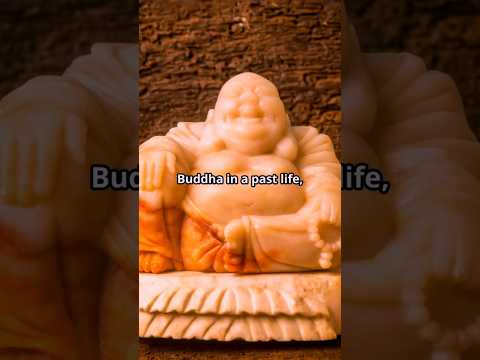
    The Jataka tales are narratives of the Buddha’s previous lives, each carrying a moral lesson. The Punnapati Jataka tells of a poor man who had very little, yet his heart overflowed with the desire to give. When he encountered the Bodhisatta—the Buddha in a past life—he offered water, the only gift he could afford.

    Though small in material value, this act of pure generosity became a seed of merit, proving that intention holds greater power than the gift itself. This central theme makes the story a beautiful guide for those seeking to live with mindfulness and compassion.

    The Lesson of Generosity

    The tale teaches that generosity does not depend on possessions. Even a humble offering can have profound significance when given sincerely. In Buddhism, this principle is called dana, or selfless giving.

    By reflecting on the story, we see that generosity creates spiritual merit for the giver, while also fostering kindness and gratitude in the receiver. This cycle of compassion enriches both lives and ripples outward, touching families, communities, and even future generations.

    Modern Relevance

    Why does the Punnapati Jataka matter today? In modern society, generosity is often measured by large donations or public acts of charity. Yet this story reminds us that even a smile, a kind word, or a small act of help carries immeasurable value.

    Living with sincerity and mindfulness transforms daily interactions. By practicing generosity in small, consistent ways, we cultivate empathy, reduce selfishness, and strengthen our connection to others. The lesson is timeless: what matters most is the heart behind the action, not the size of the gift.

    Practicing Generosity Daily

    Inspired by this Jataka tale, here are some practical ways to embrace generosity in everyday life:

    • Offer your time: Listening deeply to someone can be more valuable than money.
    • Share knowledge: Teach a skill or provide guidance without expecting anything in return.
    • Practice kindness: Small gestures, like holding a door or offering encouragement, uplift others.
    • Give mindfully: Even when resources are limited, offer with sincerity and joy.
    • Support community: Participate in acts of service, however small, to nurture collective well-being.

    These simple actions align with the Buddhist path of compassion and mindfulness, helping us live in harmony with others while reducing attachment and selfishness.

    Why the Story Still Inspires

    The Punnapati Jataka is more than a folktale. It continues to inspire because it highlights values often forgotten in a fast-paced, material-driven world. By learning from it, we discover that generosity is not reserved for the wealthy or powerful. Instead, it is a quality every human being can practice, regardless of circumstance.

    In a world where many struggle with loneliness and disconnection, small acts of sincerity become powerful reminders of our shared humanity. Stories like this encourage us to slow down, live mindfully, and remember that compassion is a universal language.

    Conclusion

    The Punnapati Jataka is a timeless Buddhist lesson in the transformative power of generosity. It reminds us that selfless giving enriches both the giver and receiver, planting seeds of merit that echo far beyond the present moment.

    Whether it is a cup of water, a kind gesture, or words of encouragement, the value of generosity lies in the heart that offers it. By embracing the wisdom of this Jataka, we learn that true wealth is found not in possessions, but in compassion freely shared.

    Punnapati Jataka: Inspiring Buddhist Lesson in Generosity.
    Punnapati Jataka: Inspiring Buddhist Lesson in Generosity.

    P.S. If you enjoyed this story and want more timeless Buddhist wisdom, don’t forget to subscribe to YourWisdomVault on YouTube for weekly Jataka tales and life lessons. 🙏

    #PunnapatiJataka #BuddhistWisdom #JatakaTales #BuddhistStories #Generosity #Kindness #Mindfulness #AncientWisdom #LifeLessons #YourWisdomVault
  • Nanda Jataka: The Lesson of Greed in Buddhist Folktale.

    Nanda Jataka: The Lesson of Greed in Buddhist Folktale | Timeless Story of Desire and Wisdom.
    Nanda Jataka: The Lesson of Greed in Buddhist Folktale.

    Nanda Jataka: The Lesson of Greed in Buddhist Folktale.

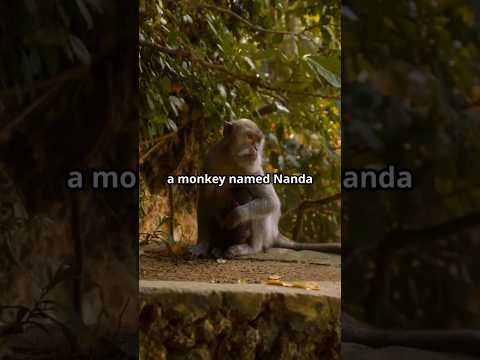
    Among the treasured tales of Buddhist literature, the Nanda Jataka carries a message that has echoed through centuries. It tells the story of a monkey named Nanda, whose cleverness was overshadowed by his greed. While the surface reads like a simple folktale, its deeper lesson addresses the human tendency to cling to desire and ignore compassion.

    The Story of Nanda

    In this tale, Nanda the monkey believes he can always outsmart others. He seizes more food, takes what does not belong to him, and acts with little concern for the surrounding community. For a time, his cunning appears successful. But soon his greed leads him into a trap of his making. Instead of gaining joy, he suffers loss.

    The Nanda Jataka shows the Buddha, in one of his past lives, teaching that selfishness brings suffering. By overreaching, Nanda proved that desire blinds judgment and weakens character. His story is a reminder that what seems clever in the moment can turn into a downfall when guided by greed.

    Lessons from the Tale

    This Jataka emphasizes that true happiness is not found in accumulation but in moderation and generosity.

    • Greed creates bondage. The more we grasp, the more we feel trapped.
    • Generosity creates freedom. Sharing with others brings trust and harmony.
    • Moderation sustains peace. When we balance our needs, we discover contentment.

    These lessons continue to guide modern readers, showing how ancient wisdom applies to daily struggles with desire and temptation.

    Modern Relevance

    Though written centuries ago, the message of the Nanda Jataka is especially relevant today. Modern culture often celebrates ambition, consumption, and competition. We are encouraged to acquire more, climb higher, and hold tighter. Yet these pursuits often leave us restless and unfulfilled.

    The monkey’s story mirrors our experiences when greed drives decisions. Whether in careers, relationships, or possessions, chasing more without compassion leads to emptiness. By contrast, choosing generosity, humility, and mindfulness opens the door to peace and satisfaction.

    The Jataka Tradition

    The Nanda Jataka belongs to the larger body of Jataka Tales, a collection of stories that depict the Buddha’s past lives. Each tale reveals how virtues such as patience, truth, compassion, and wisdom were practiced across many lifetimes. These stories are more than folklore—they are moral guides passed down to teach ordinary people in simple, memorable ways.

    In Nanda’s case, the Buddha highlights how even the most intelligent beings can fall when driven by greed. This lesson is not only for monks or scholars but for anyone seeking a meaningful life.

    Reflection for Today’s Reader

    The story of Nanda invites us to ask, where does greed appear in our lives? Do we cling to possessions, recognition, or control at the expense of kindness? Are we missing opportunities to practice generosity because we fear having less?

    By reflecting on these questions, readers can transform the moral of the tale into personal practice. Each act of generosity, no matter how small, becomes a step away from bondage and a step toward freedom.

    Conclusion

    The Nanda Jataka is more than the story of a monkey. It is a mirror reflecting our struggles with desire and a guide pointing toward a path of balance. Its lesson is timeless: greed leads to loss, but generosity leads to abundance.

    At YourWisdomVault, we share these Buddhist stories so that their wisdom continues to inspire. May the tale of Nanda encourage you to live with compassion, moderation, and a spirit of giving that enriches both yourself and those around you.

    Nanda Jataka: The Lesson of Greed in Buddhist Folktale.
    Nanda Jataka: The Lesson of Greed in Buddhist Folktale.

    P.S. If the Nanda Jataka inspired you, don’t miss more timeless Buddhist stories and wisdom—subscribe to YourWisdomVault on YouTube for weekly reflections. 🌿

    #NandaJataka #JatakaTales #BuddhistStories #YourWisdomVault #BuddhistWisdom #LifeLessons #SpiritualStories #AncientWisdom #Mindfulness #Buddhism

  • Baka Jataka: The Wise Crane’s Lesson in Buddhist Folktale.

    Baka Jataka: The Wise Crane’s Lesson in Buddhist Folktale | Timeless Story of Wisdom and Deception.
    Baka Jataka: The Wise Crane’s Lesson in Buddhist Folktale.

    Baka Jataka: The Wise Crane’s Lesson in Buddhist Folktale.

    Ancient stories hold a timeless charm. They are more than entertainment; they are pathways to understanding ourselves and the world around us. Among the Buddhist Jataka tales, the story of the crane known as Baka stands out for its powerful teaching about humility and compassion. In this post, we explore the meaning, lessons, and relevance of this story for modern life.

    The Origin of the Story

    The Jataka collection is a treasure of Buddhist literature. These tales recount the many past lives of the Buddha, where he took on various forms—human, animal, or divine—while demonstrating virtues like kindness, truthfulness, and generosity. The Baka Jataka appears as one of these stories, capturing the image of a crane who claimed wisdom but lacked the humility to embody it fully.

    The Tale of the Crane

    In the story, Baka the crane lives by a forest pond, admired by other creatures. He presents himself as a guide who knows how to keep them safe from danger. His words are polished, and his confidence appears unshakable. Yet when circumstances test him, his arrogance becomes clear. The Buddha, in one of his past lives, reveals through this tale that pride without compassion leads only to downfall.

    Moral Lessons from the Story

    The Baka Jataka is not just a folktale; it is a mirror for self-reflection. At its core, it teaches that wisdom is more than knowledge. True wisdom is measured by humility, sincerity, and the ability to act with kindness.

    • The danger of arrogance: Boasting may win attention, but it weakens trust when tested.
    • The value of humility: A humble heart is more respected than a proud voice.
    • Compassion as true strength: Strength rooted in kindness has the power to uplift others.

    These lessons remain as relevant today as they were centuries ago.

    Relevance in Modern Life

    Although this story belongs to an ancient tradition, its message resonates in today’s fast-paced, competitive world. Many people seek recognition and status, but without humility, such pursuits often end in disappointment. The crane’s story encourages us to pause and ask: are our actions motivated by ego, or are they guided by compassion?

    The tale also connects beautifully with mindfulness practices. Just as meditation encourages awareness of thoughts and emotions, this story reminds us to stay grounded and free from pride. By practicing compassion and humility, we can build stronger relationships, navigate challenges wisely, and live with greater peace.

    Why Stories Like This Matter

    Folktales and parables have been humanity’s teachers long before books and classrooms. The Baka Jataka survives because it offers universal truths in a simple narrative. Children can understand its surface meaning, while adults can dive into deeper reflections on ego, wisdom, and spiritual growth.

    For followers of Buddhism, the story reinforces the teachings of the Buddha’s path. For others, it serves as an ethical guide that transcends religion. Either way, it reminds us that stories are not just entertainment—they are vessels of wisdom.

    Conclusion

    The Baka Jataka continues to inspire because it speaks to a struggle we all face: balancing confidence with humility. Its lesson is clear—wisdom is not about appearing strong, but about living with compassion and sincerity. When we set aside pride and practice kindness, we walk closer to the path of true understanding.

    If you enjoyed exploring this story, consider sharing it with friends and reflecting on how its lessons can shape your daily life. Ancient wisdom has a place in our modern journey, and stories like this remind us of the values that never fade.

    Baka Jataka: The Wise Crane’s Lesson in Buddhist Folktale.
    Baka Jataka: The Wise Crane’s Lesson in Buddhist Folktale.

    P.S. If this story inspired you, don’t miss out on more timeless Buddhist wisdom and folktales—subscribe to YourWisdomVault on YouTube for weekly insights that nurture mindfulness and compassion. 🌿

    #BakaJataka #JatakaTales #BuddhistStories #YourWisdomVault #AncientWisdom #BuddhistWisdom #Mindfulness #LifeLessons #SpiritualStories

  • The Power of Compassion: A Buddhist Path to Inner Peace.

    The Power of Compassion: A Buddhist Path to Inner Peace, Loving-Kindness, and Liberation.
    The Power of Compassion: A Buddhist Path to Inner Peace.

    The Power of Compassion: A Buddhist Path to Inner Peace.

    In today’s fast-paced world, where stress, division, and isolation often take center stage, the power of compassion offers a deeply needed counterbalance. More than just a moral ideal, compassion in Buddhism is considered a transformational practice—one that unlocks emotional freedom, nurtures connection, and opens the door to true inner peace.

    What Is the Power of Compassion?

    The power of compassion refers to our ability to respond to the suffering of others with empathy, care, and wisdom. In Buddhism, compassion (karuṇā) is not passive pity; it’s an active intention to relieve suffering wherever it arises. It’s rooted in mindful awareness and the understanding that we are all interconnected.

    When we recognize that pain and joy are shared human experiences, our hearts soften. Compassion becomes a tool—not just for healing others, but for dissolving the inner barriers that prevent us from experiencing lasting peace.

    Why Compassion Leads to Inner Peace

    One of the core teachings of Buddhism is that true happiness comes not from external circumstances, but from our internal state of being. The power of compassion helps us cultivate that internal state by reducing ego-driven thoughts, softening judgment, and dissolving resentment.

    When we act with compassion—whether through small acts of kindness, deep listening, or simply being present—we interrupt the habitual patterns of fear, anger, and selfishness. In doing so, we find that peace isn’t something far away or mystical. It lives within the compassionate heart.

    How to Practice the Power of Compassion Daily

    The power of compassion is not reserved for monks or saints. It’s accessible to all of us, every day, through small but meaningful actions. Here are a few simple ways to cultivate it in your life:

    • Start with self-compassion: Offer yourself the same kindness you’d extend to a friend.
    • Listen without judgment: Sometimes the most healing act is to simply be present.
    • Practice mindfulness: Compassion arises more naturally when we are grounded in the present.
    • Offer help without expecting a return: True compassion is unconditional.
    • Try loving-kindness meditation: This powerful practice builds the heart muscle of empathy and goodwill.

    Each time you act with compassion, you shift your inner world—and by extension, the world around you.

    The Spiritual Strength of Compassion

    Some may see compassion as a weakness in a world that often prizes toughness. But in Buddhism, the power of compassion is a form of inner strength. It takes courage to face suffering—your own and others’—without turning away. It takes wisdom to act from love instead of fear.

    Compassion doesn’t mean being soft or passive. It means choosing understanding over judgment, patience over reaction, and love over fear. These are not easy choices, but they are the choices that lead to freedom.

    By embodying compassion, we move closer to enlightenment—not by escaping the world, but by embracing it fully, with an open heart.

    Final Reflections: Let Compassion Lead

    If you’re searching for peace, clarity, or emotional healing, the power of compassion may be the key. This simple but profound practice bridges the gap between self and other, ego and awareness, and suffering and serenity.

    Through compassion, we return to what it means to be fully human—present, caring, and awake. And as we offer that presence to others, we nourish the deepest part of ourselves.

    Let your journey toward inner peace begin with the power of compassion. It has the potential to transform not just your life—but the lives of everyone you touch.

    The Power of Compassion: A Buddhist Path to Inner Peace.
    The Power of Compassion: A Buddhist Path to Inner Peace.

    P.S. If this message resonated with you, subscribe to Your Wisdom Vault on YouTube for more mindful insights, Buddhist wisdom, and spiritual reflections delivered in under 60 seconds.

    #PowerOfCompassion #BuddhistWisdom #InnerPeace #Mindfulness #CompassionPractice #SpiritualGrowth #YourWisdomVault #ShortsWithMeaning #KindnessMatters