
Tag: mindfulness and craving

  • Dhammapada 403 | The Invisible Path of the Enlightened Ones.

    Dhammapada 403 | The Invisible Path of the Enlightened Ones | Timeless Teaching on Wisdom and Peace.
    Dhammapada 403 | The Invisible Path of the Enlightened Ones.

    Dhammapada 403 | The Invisible Path of the Enlightened Ones.

    The Dhammapada is a treasured collection of verses that condense the Buddha’s teachings into concise and memorable wisdom. Each verse offers a reflection on the path to liberation, guiding readers toward peace and clarity. Among them, Dhammapada 403 stands out as a poetic and profound description of the enlightened one. Using the imagery of a bird flying freely across the sky, it points to the life of someone who has transcended desire, craving, and attachment.

    In this post, we will explore the verse itself, its meaning, and why its wisdom remains deeply relevant for those seeking inner peace today.

    The Verse Explained

    Dhammapada 403 describes the enlightened person as one who is free from desire, well-disciplined, and awakened to the truth of emptiness. Their path, the verse says, is as difficult to trace as the flight of birds in the sky.

    This imagery is powerful. A bird leaves no footprints in the air; its movement is effortless, subtle, and ungraspable. In the same way, the noble one cannot be measured or confined by worldly expectations. Their life does not revolve around possessions, ambition, or fear. Instead, it is shaped by freedom and wisdom.

    The Path Beyond Desire

    At the heart of Dhammapada 403 is the idea of freedom from desire. In Buddhist teaching, craving is the root cause of suffering. We chase after experiences, possessions, and recognition, yet none of them satisfy for long. The enlightened one has released this cycle.

    • No craving: Their peace is not tied to gain or loss.
    • Discipline in life: They live mindfully and with balance, even in simple matters such as food.
    • Awakening to emptiness: They see that nothing is permanent, and freedom lies in letting go.

    When these qualities come together, the path of the noble one is invisible to the world but filled with clarity and peace.

    Why This Teaching Matters

    In a modern age of constant striving, comparison, and distraction, Dhammapada 403 offers a refreshing reminder. It teaches us that freedom is not about collecting more, but about letting go of what binds us.

    Think about how much time is spent chasing after approval, possessions, or control. Each pursuit brings temporary satisfaction but often leaves behind anxiety and restlessness. The verse reminds us that when craving falls away, so too does fear. We become lighter, like birds in the sky.

    This is not only a teaching for monks or scholars; it is practical wisdom for everyday life. By practicing mindfulness, simplifying our desires, and reflecting on impermanence, we take steps toward the same untraceable path described in Dhammapada 403.

    Practical Reflections

    Here are a few ways to bring this teaching into daily life:

    1. Pause before acting: Notice when craving or fear is driving a decision. Ask yourself, “Will this bring lasting peace?”
    2. Simplify desires: Choose contentment with what you have, rather than always seeking more.
    3. Reflect on impermanence: Remember that every situation, pleasant or unpleasant, will pass. This lessens attachment.
    4. Practice mindfulness: Be fully present, just as a bird is in flight — moving freely without clinging.

    Conclusion

    Dhammapada 403 offers one of the most poetic teachings in the Buddhist canon. By comparing the enlightened one to the flight of birds, it reveals the subtle, invisible, and free nature of a life beyond craving and fear. For modern readers, it is both an inspiration and a guide: to live lighter, let go of attachment, and discover true peace within.

    May this verse encourage us to reflect on our lives and take small steps toward freedom so that our path, too, becomes unbound and full of clarity.

    Dhammapada 403 | The Invisible Path of the Enlightened Ones.
    Dhammapada 403 | The Invisible Path of the Enlightened Ones.

    P.S. If the wisdom of Dhammapada 403 resonates with you, subscribe to YourWisdomVault on YouTube and keep exploring timeless Buddhist teachings that inspire peace and clarity. 🌿

    #Dhammapada403 #YourWisdomVault #Buddhism #BuddhaWisdom #Mindfulness #Enlightenment #InnerPeace #DesirelessPath #SpiritualFreedom #DailyWisdom #NoblePath
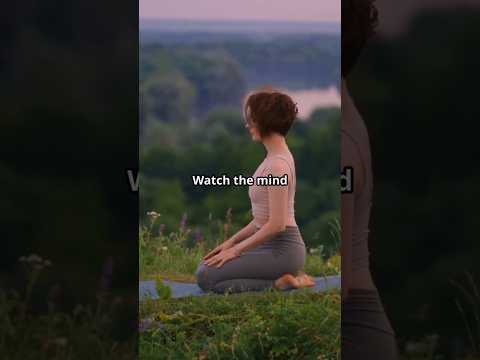
  • Unwise Desire Spreads Like Creepers of the Mind.

    Unwise Desire Spreads Like Creepers of the Mind, Entangling the Heart Far from True Wisdom.
    Unwise Desire Spreads Like Creepers of the Mind.

    Unwise Desire Spreads Like Creepers of the Mind.

    In the quiet corners of the mind, desire often begins as a whisper.
    A passing thought. A small urge. Something we tell ourselves is harmless.

    But left unchecked, unwise desire doesn’t stay small.

    Like creepers in a neglected garden, desire grows—twisting around our thoughts, pulling us into restlessness, attachment, and ultimately, suffering. The Buddha spoke clearly of this: the thoughtless mind is fertile soil for such growth. Without awareness, desire takes root quickly and quietly.

    The Nature of Unwise Desire

    Desire in itself is not evil. It’s natural to want warmth, food, love, or peace.
    But unwise desire—the kind rooted in ignorance, ego, and illusion—is the problem.
    This kind of desire is insatiable. Once one is fulfilled, another takes its place.
    We chase shadows, mistaking them for substance.

    Over time, this mental pattern becomes a habit.
    A default mode. A source of constant craving and dissatisfaction.
    We want more—more attention, more validation, more possessions, more control.
    But every desire met is like water poured on dry sand. It disappears.

    The mind, untrained and unaware, becomes a playground for these creeping thoughts.
    They steal our peace, drain our energy, and keep us from living in the present.

    Creepers in the Garden of the Mind

    The Buddha often used nature to illustrate the mind.
    In this metaphor, the mind is a garden. Thoughts are seeds.
    And desire? It’s a creeper vine—fast-growing, persistent, and invasive.

    Without mindfulness, these vines multiply.
    They wrap themselves around our true intentions, choke out stillness, and block the light of clarity.

    We may not even notice it happening.
    A casual scroll on social media leads to envy.
    A simple compliment breeds the need for approval.
    One success brings a fear of losing status.

    This is the nature of unwise desire—it hides behind pleasure but delivers pain.

    Mindfulness: The Blade That Cuts Through

    What’s the antidote?

    Mindfulness.

    Mindfulness is not passive observation—it is active, grounded awareness.
    It is noticing desire as it arises, without judgment or indulgence.
    It is creating space between stimulus and response.

    When you see a desire form—pause.
    Observe the thought. Feel the sensation.
    Ask yourself: Is this rooted in wisdom or illusion?

    This single moment of reflection can break the vine before it takes hold.

    Over time, these pauses become a practice.
    And that practice becomes freedom.

    The Buddha taught that through right view and right mindfulness, we can end the cycle of suffering.
    By cutting away the creepers of unwise desire, we allow the flower of peace to bloom in our minds.

    Living With Awareness in a Distracted World

    Today’s world is designed to feed desire.
    Ads, social media, endless notifications—all are tailored to stir want.
    We are constantly pulled outward, trained to believe happiness is just one more click, purchase, or achievement away.

    But true peace doesn’t come from having more—it comes from wanting less.
    From recognizing when the creeper begins to grow, and choosing not to feed it.

    This is not about denial. It’s about clarity.
    When we no longer act on every impulse, we regain our power.
    We become intentional, centered, and deeply alive.

    Final Thoughts

    Unwise desire spreads like creepers in the mind.
    But with awareness, you can spot the first sprout—
    and gently pull it from the root before it grows.

    So today, take a breath.
    Observe your thoughts.
    And ask: Is this growing peace—or pulling me from it?

    May your mind be clear, your heart steady, and your life rooted in wisdom.

    Unwise Desire Spreads Like Creepers of the Mind.
    Unwise Desire Spreads Like Creepers of the Mind.

    If this reflection spoke to you, share it with someone on the path. And remember—peace begins with presence.
    If this message helped clear a little space in your mind, consider subscribing to YourWisdomVault on YouTube for more mindful wisdom. 🧘‍♂️💬

    #BuddhaWisdom #MindfulnessPractice #LetGoOfDesire