Tag: Mindfulness and meditation

  • Dhammapada 385 | Buddhist Teaching on Freedom from Suffering

    Dhammapada 385 | Buddhist Teaching on Freedom from Suffering and the Path to Liberation.
    Dhammapada 385 | Buddhist Teaching on Freedom from Suffering.

    Dhammapada 385 | Buddhist Teaching on Freedom from Suffering.

    People spend their lives searching for happiness—through success, relationships, and material comfort—yet deep peace often remains out of reach. Buddhism offers guidance for those seeking inner freedom, and among its treasured teachings is Dhammapada 385. This verse reveals that true liberation is not found in the external world but through inner mastery, detachment, and wisdom.

    The Meaning of the Verse

    Dhammapada 385 speaks of the one who has gone beyond craving and illusion—the person who has crossed to the “far shore.” In Buddhist symbolism, this far shore represents enlightenment, a state free from suffering and restlessness. This teaching emphasizes that peace arises when one no longer clings to pleasure or fights against pain. The mind becomes clear, calm, and aware.

    The River as a Spiritual Metaphor

    Life is often compared to a river—ever-changing, powerful, and unpredictable. The river in Dhammapada 385 symbolizes this flow of emotions, desires, fears, and disappointments. Most people remain caught in its strong current, overwhelmed and uncertain. But the enlightened one is like a traveler who has found a way across, standing firm on peaceful ground. This image teaches that liberation is not escape from life but understanding its nature so deeply that it no longer controls us.

    Relevance in Modern Life

    Though ancient, the message of Dhammapada 385 speaks clearly to modern life. Today we face constant distractions, social pressure, fear of missing out, and endless comparisons. Even when we achieve our goals, satisfaction fades quickly, and a new desire takes its place. This teaching reminds us that lasting freedom cannot be found by rearranging the outside world. It begins within—by calming the mind, letting go of attachment, and seeing life as it is rather than through the filter of craving.

    Practical Ways to Live This Wisdom

    To bring this teaching into everyday life, small mindful actions make a difference:

    • Practice daily mindfulness: Spend a few minutes observing your breath. Notice your thoughts without judging them.
    • Release attachment: It’s natural to want things, but suffering arises when we cannot be happy without them.
    • Choose calm over reaction: When faced with conflict, pause before responding. Stillness is strength.
    • Seek inner approval: Instead of chasing validation from others, build quiet confidence within yourself.

    Each of these steps reflects the spirit of Dhammapada 385, showing that freedom grows through awareness and consistent effort.

    The Path to Enlightenment

    Buddhism teaches that suffering comes from clinging to what is temporary—people, feelings, success, and identity. The path to peace is not rejection of life but gentle understanding of it. According to Dhammapada 385, the enlightened person has broken the chains of craving, anger, and ignorance. Such a being is steady, compassionate, and unshaken by life’s storms. Enlightenment is not a distant miracle—it begins with quiet moments of clarity and continues with mindful choices.

    Why This Teaching Still Matters

    In a time of anxiety, emotional exhaustion, and constant digital noise, the wisdom of Dhammapada 385 is more relevant than ever. It teaches that peace does not arrive when life becomes perfect, but when the mind stops resisting what is. This message is universal—anyone, regardless of background or belief, can begin this journey. All it takes is the willingness to be present, let go, and live with compassion.

    Final Reflection

    Dhammapada 385 offers a powerful invitation: step beyond the illusions of desire and fear, and discover the freedom already inside you. Liberation isn’t about escaping the world but about seeing it clearly. When we understand the mind, suffering loses its power. With each mindful breath, each act of kindness, and each moment of letting go, we move closer to the far shore of peace.

    Dhammapada 385 | Buddhist Teaching on Freedom from Suffering.
    Dhammapada 385 | Buddhist Teaching on Freedom from Suffering.

    P.S. If this teaching brought you peace or clarity, consider subscribing to YourWisdomVault on YouTube for more timeless Buddhist wisdom, mindfulness insights, and daily inspiration on the path to inner freedom.

    #YourWisdomVault #BuddhistWisdom #MindfulnessJourney #SpiritualGrowth

  • Dhammapada 387 | Enlightened Is the One Who Shines Within.

    Dhammapada 387 | Enlightened Is the One Who Shines Within Through Wisdom and Discipline.
    Dhammapada 387 | Enlightened Is the One Who Shines Within.

    Dhammapada 387 | Enlightened Is the One Who Shines Within.

    In a world filled with constant noise, pressure, and distraction, many of us are searching for peace that actually lasts. Dhammapada 387 offers a gentle answer to that search. This ancient verse from the Buddha’s teachings reminds us that true brilliance is not found in status, wealth, or rituals but in a calm and liberated heart.

    What Dhammapada 387 Means

    Dhammapada 387 teaches that the person who is truly enlightened is the one who has freed themselves from inner defilements. This verse emphasizes that enlightenment is not about appearances or labels. It is about the inner transformation of the mind. A person is not noble because of birth or tradition, but because they have overcome ignorance, craving, and hatred.

    Instead of seeking validation from the outside world, this verse points inward. It invites us to recognize that the highest form of radiance is the quiet light of wisdom and compassion, not the kind that demands to be seen.

    The Symbolism of Inner Light

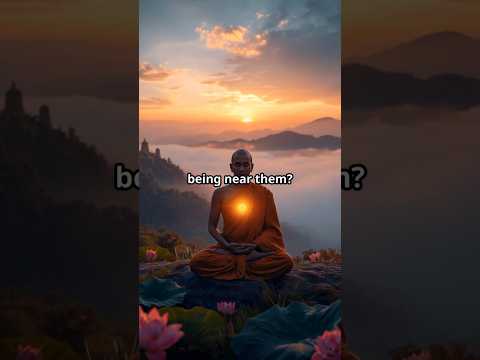
    When people reflect on Dhammapada 387, they often imagine a serene figure glowing softly from within. This light is symbolic—it represents understanding, peace, and freedom. It is the light of someone who no longer fights with the world or themselves.

    This radiance is not dramatic or loud. It is like a candle in a silent room, steady and humble. It shines naturally because the causes of inner darkness—anger, ego, and confusion—have dissolved. That is why the enlightened are described as those who shine from within.

    Why Dhammapada 387 Matters Today

    In modern life, many people feel lost despite being surrounded by technology, success, and connection. Anxiety, burnout, and comparison have become part of daily life. Dhammapada 387 offers an alternative path—one that leads inward.

    This verse gently reminds us that true peace isn’t found in perfection or productivity. It grows when the mind becomes quiet and the heart becomes kind. Enlightenment is not distant or impossible. It begins with awareness, honesty, and the courage to face ourselves without judgment.

    The Quiet Power of Wisdom and Discipline

    Dhammapada 387 highlights wisdom and discipline as the foundations of inner liberation. Wisdom allows us to see things clearly, without distortion or attachment. Discipline helps us live with mindfulness, ethical conduct, and emotional balance.

    Together, they cultivate a life that is gentle yet powerful. A disciplined mind is not rigid—it is stable, like a mountain unmoved by passing storms. A wise heart does not retreat from the world—it meets it with compassion and understanding.

    A Life That Shines Without Noise

    One of the most beautiful messages in Dhammapada 387 is that the enlightened person does not seek recognition. Their presence itself becomes a source of peace. They don’t need to prove their goodness. They don’t need the world to agree with them. Their happiness is not built on praise or approval.

    This is what makes their light so genuine. It is not performed, not forced. It is simply the natural state of a heart that is free.

    Living the Essence of the Teaching

    While Dhammapada 387 speaks of enlightenment, it also speaks to all of us who are still learning. It does not demand perfection. It invites progress—small moments of awareness, small acts of kindness, small victories over anger or fear.

    Choosing understanding over judgment, presence over distraction, kindness over ego—these are steps on the same path described in the verse.

    Conclusion

    Dhammapada 387 beautifully reminds us that enlightenment is not a title, a ceremony, or an outward display. It is the inner glow of a mind that has been purified, a heart that has let go of hatred, craving, and illusion. The true radiance of such a person needs no audience. It shines naturally, like the sun rising over a silent mountain.

    May this timeless teaching inspire you to slow down, breathe, and remember that the light you seek has always been within you.

    Dhammapada 387 | Enlightened Is the One Who Shines Within.
    Dhammapada 387 | Enlightened Is the One Who Shines Within.

    P.S. – If this teaching brought you peace or reflection, consider subscribing to YourWisdomVault on YouTube to stay connected with more Buddhist wisdom, mindful living, and timeless truths.

    #YourWisdomVault #BuddhistWisdom #Dhammapada387 #Mindfulness #InnerPeace #SpiritualGrowth #EnlightenmentPath #BuddhaTeachings

  • Dhammapada 395 | The True Monk’s Path to Freedom & Wisdom.

    Dhammapada 395 | The True Monk’s Path to Freedom & Wisdom | Timeless Buddhist Teaching on Peace.
    Dhammapada 395 | The True Monk’s Path to Freedom & Wisdom.

    Dhammapada 395 | The True Monk’s Path to Freedom & Wisdom.

    Among the timeless verses of the Dhammapada, few speak as deeply about the essence of monkhood as Dhammapada 395. This verse reveals that the true path of a monk lies not in outward symbols but in inner transformation. It reminds us that freedom begins when we purify our conduct, live mindfully, and find joy in renunciation. Through this wisdom, the Buddha offers guidance for anyone seeking peace in a world filled with distraction.

    The Verse and Its Meaning

    Dhammapada 395 teaches: “A monk is called one who has given up evil, whose conduct is pure, who eats in moderation, who is devoted to meditation, and who delights in renunciation.” In this single verse, the Buddha defines the true meaning of spiritual life. Being a monk is not limited to those in robes; it is a state of inner discipline and freedom. By abandoning harmful actions and practicing moderation, we cultivate a calm mind capable of insight and compassion.

    The Inner Meaning of True Monkhood

    The monk described in Dhammapada 395 represents the ideal of the awakened individual. True monkhood is about mastering one’s desires and cultivating wisdom through self-restraint. The joy of renunciation is not about deprivation but liberation—the release from endless craving. Anyone can live as a monk in spirit by simplifying life, speaking kindly, and practicing mindfulness. When the heart lets go of attachment, serenity naturally follows.

    Applying the Teaching in Modern Life

    In the modern world, where success and consumption often define identity, the message of Dhammapada 395 feels revolutionary. It calls us to rediscover balance and purpose. Living purely and moderately means resisting the constant urge to accumulate more. It means choosing stillness over speed and awareness over distraction. You don’t need a monastery to live this truth; a quiet mind and compassionate heart are enough. Practicing mindfulness at work, at home, or even while walking can turn ordinary moments into steps toward awakening.

    The Path to Freedom and Wisdom

    Freedom, according to the Buddha, arises from understanding impermanence and letting go of grasping. Dhammapada 395 shows that when we abandon evil and cultivate good, wisdom flowers naturally. The disciplined life described here is not harsh but harmonious. It leads to a gentle clarity where one sees things as they truly are. This is the essence of meditation—the mind freed from the storm of desire. Through purity, moderation, and awareness, we taste the peace that lies beyond change and loss.

    Living the Verse Today

    To live the message of Dhammapada 395 is to walk the middle way between indulgence and denial. It asks us to look within and see what truly brings contentment. The joy of renunciation can be as simple as pausing before reacting, as quiet as breathing with awareness, or as profound as forgiving another. These small acts of mindfulness accumulate into deep transformation. Every moment we choose clarity over craving, we embody the Buddha’s vision of the true monk’s path.

    Conclusion

    Dhammapada 395 invites us to live with purity, mindfulness, and delight in simplicity. Whether we wear robes or business suits, the teaching points to the same truth: liberation comes from letting go. A heart free from greed, hatred, and delusion is already enlightened. By practicing moderation and devotion to inner peace, we follow the footsteps of the wise. The verse remains a living guide for those seeking freedom and wisdom amid the noise of modern life. May its message remind us that the path to peace begins not somewhere else, but within.

    Dhammapada 395 | The True Monk’s Path to Freedom & Wisdom.
    Dhammapada 395 | The True Monk’s Path to Freedom & Wisdom.

    P.S. If this reflection on Dhammapada 395 brought you peace or insight, stay connected with more timeless Buddhist wisdom—subscribe to YourWisdomVault on YouTube and walk the path of mindfulness, clarity, and freedom with us. 🌿

    #Dhammapada395 #BuddhistWisdom #YourWisdomVault #Mindfulness #InnerPeace #Buddhism #Dhammapada #Meditation #LettingGo #SpiritualAwakening #BuddhaQuotes #Renunciation #PeaceWithin #Wisdom #Enlightenment #MonkLife #PathToFreedom #BuddhistTeachings #DailyWisdom

  • Dhammapada 412: Walking the Supreme Path to Freedom.

    Dhammapada 412: Walking the Supreme Path to Freedom | Timeless Buddhist Teaching on Liberation.
    Dhammapada 412: Walking the Supreme Path to Freedom.

    Dhammapada 412: Walking the Supreme Path to Freedom.

    Buddhist texts continue to guide seekers toward inner peace and wisdom. Among the many verses of the Dhammapada, one shines with particular clarity: Dhammapada 412. This verse describes the noble one who has gone beyond bondage and freedom, no longer tied by sorrow or craving, resting instead in pure liberation.

    This teaching is more than poetry. It is a guidepost for spiritual practice, showing us that awakening requires stepping beyond even our most cherished ideas of freedom.


    The Meaning of Dhammapada 412

    At its heart, Dhammapada 412 speaks about transcendence. Most of us live bound by the push and pull of desires, fears, and attachments. Even when we achieve a sense of release, we often cling to it as though freedom itself were something to possess.

    The Buddha’s insight is radical. True liberation is not about holding on to anything, not even the idea of being free. It is about resting in awareness so complete that nothing can disturb it. This is the peace of the arahant, the awakened one.


    Beyond Bondage and Freedom

    Why does the verse suggest going beyond both bondage and freedom? Because both are concepts of the mind. If we cling to bondage, we suffer. If we cling to freedom, we still suffer when conditions change. The path of awakening lies beyond this duality.

    Through practice, the seeker comes to realize that the very self who craves liberation is an illusion. When this illusion falls away, what remains is a state of stillness that does not depend on bondage or freedom.


    Walking the Supreme Path

    How do we begin to embody the message of Dhammapada 412? The Buddha’s guidance is practical as well as profound:

    • Mindfulness: Observe the arising of craving and aversion without judgment.
    • Wisdom: Recognize the impermanent nature of all experiences.
    • Compassion: Soften the hold of the ego by caring for others.
    • Simplicity: Release the endless pursuit of possessions and status.

    By walking with mindfulness and compassion, we step onto the supreme path. Each small act of awareness and kindness moves us closer to the peace that cannot be shaken.


    Applying the Teaching Today

    In a world filled with constant distraction, Dhammapada 412 feels more relevant than ever. We are surrounded by promises of freedom — through success, wealth, or personal achievement. Yet each of these can become another chain when we cling to them.

    Instead, the verse invites us to pause. Freedom is not purchased or performed; it is discovered in the silence of the mind and the gentleness of the heart. This realization does not remove us from life but allows us to engage with it more fully, without fear and without clinging.


    The Supreme Peace

    The teaching reminds us that awakening is not an escape from reality. It is the clearest way of being present. When we let go of both bondage and freedom, we rest in peace that no circumstance can disturb.

    This is the promise of the Buddha’s path: a freedom that cannot be taken away because it is not based on conditions. It is simply the natural state of an awakened mind.


    Conclusion

    Dhammapada 412 is more than a verse of ancient wisdom. It is a living reminder that true freedom arises when we let go of everything, even the notion of freedom itself. By walking the path with clarity, compassion, and mindfulness, we open ourselves to peace that is beyond conditions.

    This supreme path is available in every moment, waiting to be walked by those who choose awareness over attachment. In reflecting on these words, we take one step closer to awakening.

    Dhammapada 412: Walking the Supreme Path to Freedom.
    Dhammapada 412: Walking the Supreme Path to Freedom.

    PS: If you enjoyed this reflection, subscribe to YourWisdomVault on YouTube for more timeless Buddhist wisdom, mindfulness insights, and meditative inspiration.

    #Buddhism #Mindfulness #Meditation #Wisdom #Freedom #Enlightenment #Peace #BuddhaQuotes #SpiritualJourney