Tag: mindfulness for anxiety

  • Staying Present When Life Feels Like It’s Falling Apart.

    Staying Present When Life Feels Like It’s Falling Apart—Finding Peace Amid Chaos and Change.
    Staying Present When Life Feels Like It’s Falling Apart.

    Staying Present When Life Feels Like It’s Falling Apart.

    What do you do when everything around you begins to unravel?

    It’s a question most of us face sooner or later. A moment — or a season — where life feels too heavy, too uncertain, or just plain overwhelming. In those times, our natural reflex is to resist. To run. To fix. To numb. But what if the way through isn’t about escape — but presence? Staying present is not about ignoring the pain — it’s about meeting it with open eyes and a steady breath.

    Mindfulness isn’t about achieving calm. It’s about waking up.
    Not to a fantasy, but to the truth of the moment. Mindfulness is the gentle act of saying, “I’m still here,” even when life feels like it’s falling apart. Even in chaos, staying present offers a quiet kind of clarity we often overlook.

    The truth is, presence doesn’t erase pain. It doesn’t make hard things easy or sad things happy. But it does give us back our footing when we’re swept up in the storm. When thoughts pull us into regret over the past or fear about the future, mindfulness invites us to come back to the now — not because it’s perfect, but because it’s real.

    The present moment is still here. Still available. Still enough.

    When we can’t fix the chaos, we can still breathe.
    When we can’t solve the situation, we can still observe it.
    That’s power. That’s clarity. That’s what keeps us human.


    🌱 This Is a Practice, Not a Performance

    Mindfulness is not reserved for monasteries or mountaintops. It belongs in kitchens. In hospital rooms. In traffic jams. In grief. The practice of staying present becomes a lifeline when life feels like it’s spinning out of control.

    To be present when things are easy is one thing. But to stay present when you feel broken, unsure, or lost — that is sacred work. That is the true heart of emotional resilience.

    In Buddhist teachings, we’re reminded that everything changes. That impermanence is not a flaw — it’s a feature. The hardest truths are often the most liberating. Pain won’t last. Confusion won’t stay. But the breath? The body? The moment? Always here.

    One breath.
    One step.
    One choice to return.


    🕊️ Presence Creates Space — and Space Is Freedom

    Letting go doesn’t mean giving up. It means loosening your grip long enough to breathe again. That space between reaction and response? That’s where presence lives. And in that space, you are no longer a victim of your emotions — you’re an observer, a participant, a soul in process.

    Even the most chaotic moment contains a still point.
    Sometimes that still point is just a breath. A blink. A pause.

    Even in despair, you can practice kindness toward yourself.
    Even in overwhelm, you can choose to soften your gaze, release your shoulders, and come home to now.


    🌤️ You’re Not Alone — And You’re Not Broken

    If life feels like it’s crumbling beneath you, remember:
    This doesn’t define you.
    You are not your circumstances.
    You are the presence watching it all unfold.

    You’re still breathing. Still becoming.
    And even this — yes, even this — can be part of your healing.

    So when things fall apart, don’t rush to put them back together.
    Sometimes, the real wisdom lies in simply sitting with the pieces.

    Let your presence be your prayer. Let your awareness be your anchor.

    Staying Present When Life Feels Like It’s Falling Apart.
    Staying Present When Life Feels Like It’s Falling Apart.

    🌱 If this reflection speaks to you, subscribe to YourWisdomVault on YouTube for weekly videos exploring spiritual insight, mindful awareness, and emotional clarity.

    #Mindfulness #StayPresent #BuddhistWisdom #AwarenessPractice #EmotionalResilience #SpiritualGrowth #InnerPeace

    P.S. Remember, when everything feels like it’s falling apart, it’s often an invitation to pause, breathe, and return to presence. Mindfulness doesn’t fix the storm — it gives you the strength to stand inside it.

    And remember: Staying present isn’t passive — it’s a courageous act of choosing now, again and again.
  • What the Buddha Knew About Anxiety Before Psychology Did.

    What the Buddha Knew About Anxiety — Ancient Wisdom That Modern Psychology Is Just Discovering.
    What the Buddha Knew About Anxiety Before Psychology Did.

    What the Buddha Knew About Anxiety Before Psychology Did.

    In our modern world, anxiety is often labeled as a psychological or neurological issue, treated with medication, therapy, and mindfulness-based practices. But what if the core of this condition was already understood thousands of years ago—by a man sitting quietly beneath a Bodhi tree?

    That man was Siddhartha Gautama, better known as the Buddha. And long before anxiety was studied in laboratories or explained in therapy sessions, he offered a surprisingly modern diagnosis of the human condition—and a profound method for healing it.

    Anxiety and the Root of Suffering

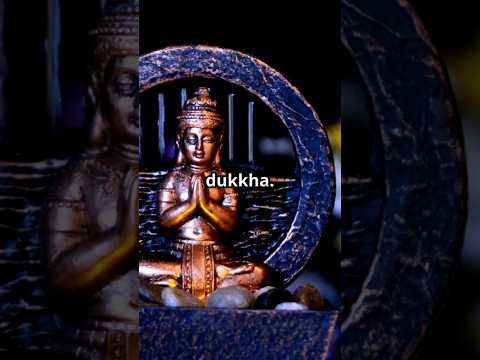
    The Buddha never used the word “anxiety” as we know it today. But he talked extensively about dukkha—a Pali word often translated as suffering, dissatisfaction, or unease. It’s the undercurrent of tension that runs through our lives, even when things seem “fine.”

    Modern psychology might define anxiety as a chronic state of fear, worry, or tension. But the Buddha explained that this suffering is deeply rooted in attachment—our craving for control, pleasure, security, and permanence in a world that is inherently uncertain and ever-changing.

    Sound familiar? That’s because it mirrors what psychologists today describe as cognitive distortions—ways of thinking that trap us in fear-based responses. Our desire to control outcomes, avoid discomfort, and resist change feeds the very anxiety we’re trying to escape.

    The Buddha’s Diagnosis: The Four Noble Truths

    At the heart of the Buddha’s teaching is a framework that almost reads like a therapeutic model:

    1. Life involves suffering (dukkha).
    2. Suffering is caused by craving and attachment.
    3. There is a way to end this suffering.
    4. The way is through the Eightfold Path.

    These teachings might sound spiritual or abstract, but they speak directly to what psychologists now confirm: trying to resist pain or force happiness leads to more suffering. Accepting reality, staying present, and letting go—these are the keys to peace of mind.

    Modern Therapy and Ancient Wisdom Align

    Fast forward to the 21st century, and we see the same principles being rediscovered. Mindfulness-based therapies like MBCT (Mindfulness-Based Cognitive Therapy) and MBSR (Mindfulness-Based Stress Reduction) teach people to observe their thoughts, detach from emotional reactions, and live in the present moment.

    CBT (Cognitive Behavioral Therapy), one of the most effective treatments for anxiety, also echoes these ancient insights: thoughts are not facts, and suffering is created by how we interpret reality—not reality itself.

    In many ways, the Buddha was the original cognitive therapist. He taught that liberation doesn’t come from changing the world, but from transforming how we relate to it.

    Letting Go: The Real Antidote to Anxiety

    Perhaps the most powerful takeaway from the Buddha’s view on anxiety is this: you don’t have to fix everything—just stop clinging.

    Letting go doesn’t mean apathy or passivity. It means releasing the mental grip on things we can’t control: outcomes, people’s opinions, the future. By loosening that grip, we give ourselves space to breathe, to respond rather than react, and to live more freely.

    It’s no wonder that modern mindfulness is rooted in Buddhist practice. The tools may have changed—apps, journals, therapy sessions—but the core wisdom remains the same.

    What the Buddha Knew About Anxiety Before Psychology Did.
    What the Buddha Knew About Anxiety Before Psychology Did.

    Final Thoughts

    So what did the Buddha know about anxiety before psychology did? Quite a lot.

    He understood that the human mind is a storm of fear, craving, and illusion—and that peace comes not from suppressing these forces, but from seeing them clearly and letting go.
    Today, science is catching up to what ancient wisdom has always known.

    If you’re struggling with anxiety, it may be worth exploring not just modern strategies, but timeless ones. The past has more to offer than we think.

    #BuddhistWisdom #MindfulnessForAnxiety #AncientPsychology #SpiritualHealing #LettingGo #MentalHealthAwareness #Dukkha #AttachmentAndSuffering #CBT #MindfulnessPractice

    P.S. If you found value in this, consider subscribing to YourWisdomVault on YouTube—more timeless insights are just a scroll away.