Tag: Mindfulness lessons

  • Makasa Jataka: Buddhist Tale of Wisdom and Mindfulness.

    Makasa Jataka: Buddhist Tale of Wisdom and Mindfulness | Timeless Lesson on Focus.
    Makasa Jataka: Buddhist Tale of Wisdom and Mindfulness.

    Makasa Jataka: Buddhist Tale of Wisdom and Mindfulness.

    The Jataka tales are some of the most treasured stories in the Buddhist tradition. Each one highlights a moral lesson that transcends time, offering wisdom that remains relevant in our daily lives. Among these narratives, the Makasa Jataka stands out for its striking simplicity and powerful message. At its heart, the story is about how unchecked impulsiveness and overreaction can turn a minor issue into a life-changing tragedy.

    The Story

    In the tale, a monk rests quietly under the shade of a tree. A mosquito lands on his head, causing a small irritation. A well-meaning friend notices the insect and wants to help. Instead of gently brushing it away, the friend picks up an axe, determined to kill the mosquito in one dramatic strike. He swings forcefully—but rather than solving the problem, he delivers a fatal blow to the monk. The mosquito, ironically, escapes unharmed.

    This exaggerated narrative shocks us into reflection. Why use an axe for such a tiny problem? That absurdity is intentional, illustrating how overreactions can be far more destructive than the original irritation.

    Lessons for Daily Life

    Small Problems Don’t Need Extreme Solutions

    Daily life is full of “mosquito moments”—tiny annoyances that tempt us to react disproportionately. The story teaches that when we escalate minor frustrations, we risk causing more harm than the problem itself ever could.

    Impulsiveness Can Be Harmful

    The friend in the story had good intentions but lacked mindfulness. Acting on impulse without considering consequences often leads to damage. The parable highlights the importance of pausing before responding, no matter how urgent a situation feels.

    Mindfulness Creates Clarity

    Buddhism consistently emphasizes mindfulness as a path to wisdom. The lesson here is that mindfulness allows us to see clearly, respond calmly, and avoid turning small irritations into disasters.

    Modern Relevance

    Though the Makasa Jataka originated in an ancient context, its insights apply to today’s world more than ever. Think about digital life: a rude comment on social media, a delayed reply, or an inconvenient email. If we “pick up the axe” by responding with anger or harsh words, we often escalate a minor problem into a conflict that lingers.

    In professional environments, too, hasty decisions can harm relationships or derail projects. At home, overreacting to trivial issues can cause unnecessary tension with loved ones. This wisdom encourages us to pause, breathe, and respond with care instead of force.

    Applying the Teaching

    • Practice the pause: When irritation strikes, wait a moment before responding.
    • Assess the scale: Ask yourself if this problem truly needs a big solution.
    • Choose kindness: Opt for responses that reduce harm rather than increase it.
    • Develop mindfulness: Regular meditation or mindful breathing can strengthen your ability to stay calm.
    • Reflect on consequences: Before acting, consider the long-term impact of your decision.

    By practicing these steps, we integrate the ancient wisdom of the Makasa Jataka into our modern routines, making mindfulness a living practice rather than just a concept.

    Conclusion

    The parable may seem simple, but its teaching is profound. Overreactions often create more harm than the original annoyance. Impulsiveness, even when born of good intentions, can destroy what we wish to protect. Through mindfulness, patience, and thoughtful awareness, we gain the clarity needed to choose wise actions.

    This Buddhist story serves as a timeless reminder that true wisdom lies in restraint. The next time you face a “mosquito moment,” resist the urge to pick up an axe. Instead, pause, breathe, and let mindfulness guide your response.

    Makasa Jataka: Buddhist Tale of Wisdom and Mindfulness.
    Makasa Jataka: Buddhist Tale of Wisdom and Mindfulness.

    PS: If you enjoyed the wisdom of the Makasa Jataka, don’t forget to subscribe to YourWisdomVault on YouTube for more timeless Buddhist stories and mindfulness lessons.

    #MakasaJataka #BuddhistStories #Mindfulness #WisdomTales #JatakaStories #LifeLessons #SpiritualWisdom
  • Losaka Jataka Story | Buddhist Tale of Karma & Compassion.

    Losaka Jataka Story | Buddhist Tale of Karma & Compassion | Timeless Lesson on Kindness.
    Losaka Jataka Story | Buddhist Tale of Karma & Compassion.

    Losaka Jataka Story | Buddhist Tale of Karma & Compassion.

    The Jataka tales are among the most treasured works in Buddhist tradition. Each one illustrates the values that guided the Bodhisattva—the being destined to become the Buddha—through his many lifetimes. These stories are not just historical records; they are lessons in morality, mindfulness, and compassion. One such tale is the Losaka Jataka, a story of suffering, karma, and the transformative power of compassion.

    What is the Losaka Jataka?

    The Losaka Jataka belongs to the vast anthology of Jataka tales that describe the Buddha’s past lives. In each story, the Bodhisattva demonstrates virtues such as patience, generosity, or wisdom. These lessons are not presented abstractly but through vivid characters and experiences that invite reflection. The tale of Losaka shows how hardship and misfortune are shaped by past actions and how compassion can still provide hope, even when karma seems heavy.

    The Story in Brief

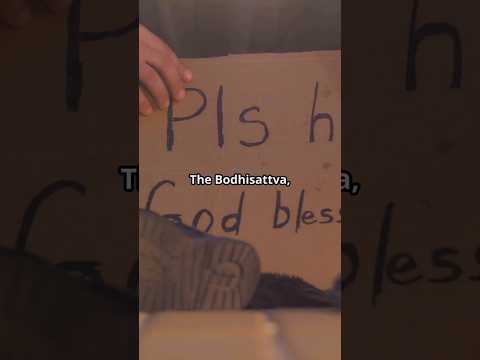
    The story tells of Losaka, a man who was struck by continual misfortune. Everywhere he went, he faced hunger, rejection, and loneliness. It seemed as if his life was destined for endless suffering. Yet the Bodhisattva, filled with compassion, reached out to him. Through this act of kindness, Losaka experienced not only relief but also a lesson: our present is influenced by our past deeds, and our future can be transformed through wisdom and compassion. The Losaka Jataka thus becomes a reflection on how karma operates and how mercy can soften even the harshest fate.

    Core Lessons

    This tale carries several essential teachings:

    • Karma Shapes Experience: Our actions create consequences that follow us through life.
    • Compassion Transforms: Acts of kindness can uplift others, even when their burdens seem overwhelming.
    • Resilience Matters: Suffering is not the end of the journey—it can inspire growth.
    • Wisdom Guides Action: Understanding cause and effect allows us to live more mindfully.

    By studying these lessons, readers are encouraged to consider not only their choices but also their capacity to help others along the way.

    Relevance in Modern Life

    The Losaka Jataka is not only a story from ancient scripture but also a mirror for today’s world. Many people face challenges that feel unending—poverty, rejection, or misfortune. The tale reminds us that while karma plays a role, compassion can change the course of another’s life. In modern terms, it calls us to empathy: seeing the struggles of others and choosing to respond with kindness.

    Moreover, it teaches personal accountability. While we cannot always change the past, we can shape the present and future by making wise, compassionate choices. This dual focus on responsibility and mercy resonates in daily life, from relationships and work to community service.

    Practical Applications

    How can we bring the lessons of this story into our practice?

    • Act with Awareness: Recognize that small actions create ripples of karma.
    • Offer Support: Even simple gestures of kindness can make a difference to someone in need.
    • Cultivate Patience: Accept that struggles may arise, but endurance allows growth.
    • Live Compassionately: Like the Bodhisattva, decide to help others whenever possible.

    By practicing these values, we bring the spirit of the Losaka Jataka into our daily routines, transforming challenges into opportunities for growth and service.

    Conclusion

    The Losaka Jataka is a powerful reminder of the interconnectedness of karma and compassion. It shows that while suffering may result from past actions, the present always offers space for kindness and transformation. This story not only teaches the law of cause and effect but also highlights the redemptive power of wisdom and mercy. In our modern lives, these lessons remain just as vital, encouraging us to live mindfully, act compassionately, and walk the path of resilience.

    Losaka Jataka Story | Buddhist Tale of Karma & Compassion.
    Losaka Jataka Story | Buddhist Tale of Karma & Compassion.

    P.S. If this story brought you insight, subscribe to YourWisdomVault on YouTube for more Buddhist tales, timeless wisdom, and spiritual reflections every week. 🌿

    #BuddhistWisdom #YourWisdomVault #JatakaTales #BuddhistStories #SpiritualStories #LifeLessons #Mindfulness #AncientWisdom #Compassion #TimelessTeachings

  • Tittira Jataka: Buddhist Parable on Unity & Wisdom.

    Tittira Jataka: Buddhist Parable on Unity & Wisdom | Timeless Lesson on Friendship and Harmony.
    Tittira Jataka: Buddhist Parable on Unity & Wisdom.

    Tittira Jataka: Buddhist Parable on Unity & Wisdom.

    Buddhist teachings have been passed down for centuries not only through philosophy and meditation but also through memorable stories. These parables, known as Jataka tales, use simple characters to express profound truths. One such story is the Tittira Jataka, a timeless reminder that unity and respect are essential for peaceful living. Though the setting is a quiet forest, the lesson still echoes loudly in today’s complex world.

    The Story of the Animals

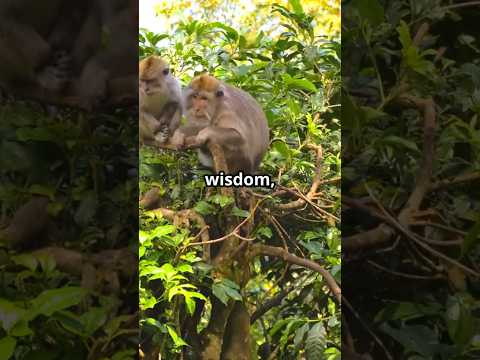
    In the Tittira Jataka, three animals—a partridge, a monkey, and an elephant—shared the same forest. Each believed they were the most senior and therefore entitled to the highest respect. A dispute arose, but instead of allowing conflict to grow, they decided to determine who truly came first.

    After reflecting on their experiences, it became clear that the partridge was the eldest. The monkey and elephant accepted this realization with humility. By recognizing the partridge’s seniority, they began to listen to its wisdom. From that moment forward, the three animals lived harmoniously, avoiding quarrels and protecting one another.

    Lessons in Respect and Cooperation

    The message of the Tittira Jataka is straightforward yet powerful: true peace arises when pride is set aside, and respect is given where it is due. The partridge did not seek power, but its experience made it a source of guidance. The others gained strength not by competing but by cooperating.

    In human life, this principle is equally important. Families thrive when younger generations honor the wisdom of their elders. Communities grow stronger when diverse voices are acknowledged and respected. Workplaces function more smoothly when colleagues value each other’s knowledge rather than competing for recognition.

    Modern Relevance of an Ancient Tale

    The relevance of this Buddhist parable is striking in our modern era. We live in a time of constant disagreement—political, cultural, and personal. The Tittira Jataka shows us another path. Instead of allowing differences to divide, we can embrace humility, listen more deeply, and find strength through unity.

    For those who practice mindfulness, the story reinforces the importance of awareness and patience. Conflict often arises from ego, while harmony grows from compassion. Just as the monkey and elephant recognized the partridge’s wisdom, we too can learn to appreciate the perspectives of others in our families, workplaces, and communities.

    Practical Applications in Daily Life

    Applying the parable to modern living can be simple yet transformative:

    • In relationships: Listen actively, respect differing opinions, and remember that love grows stronger through mutual understanding.
    • In communities: Value contributions from all members, regardless of age, background, or status.
    • In leadership: Lead with humility, recognizing that wisdom is not confined to a single person.
    • In personal growth: Release pride and remain open to learning from every situation, even from unexpected teachers.

    By following these practices, we not only reduce conflict but also cultivate deeper bonds of trust and cooperation.

    Why Jataka Tales Still Matter

    Jataka tales like the Tittira Jataka are more than ancient fables; they are practical guides for living. Their characters may be animals in distant forests, but the values they teach—respect, unity, and mindfulness—are universal. These stories endure because they touch the heart while sharpening the mind, reminding us that peace is always possible when we live with compassion and humility.

    Conclusion

    The Tittira Jataka continues to inspire because it reveals a simple but profound truth: unity is stronger than division, and respect is more powerful than pride. In a world often torn by conflict, this Buddhist parable encourages us to live with mindfulness, listen with openness, and act with compassion. When we honor the wisdom of others and work together, we build harmony not just in our personal lives, but in society as a whole.

    Tittira Jataka: Buddhist Parable on Unity & Wisdom.
    Tittira Jataka: Buddhist Parable on Unity & Wisdom.

    P.S. 🌟 If this story inspired you, don’t forget to subscribe to YourWisdomVault on YouTube for more timeless Buddhist tales, life lessons, and wisdom stories every week 🙏✨

    #TittiraJataka #Buddhism #JatakaTales #BuddhistStories #WisdomStories #Mindfulness #LifeLessons #UnityAndWisdom #YourWisdomVault

  • Kulavaka Jataka | Buddhist Wisdom & Moral Story Explained.

    Kulavaka Jataka | Buddhist Wisdom & Moral Story Explained | Timeless Lesson on Compassion.
    Kulavaka Jataka | Buddhist Wisdom & Moral Story Explained.

    Kulavaka Jataka | Buddhist Wisdom & Moral Story Explained.

    The Jataka tales are timeless Buddhist stories that preserve the compassion and wisdom of the Buddha across his many lifetimes. Each story conveys a moral lesson designed to guide us toward mindfulness, kindness, and spiritual growth. Among these narratives is the Kulavaka Jataka, a tale that demonstrates how even the smallest being can make a powerful difference through courage and determination.

    The Story of the Kulavaka Jataka

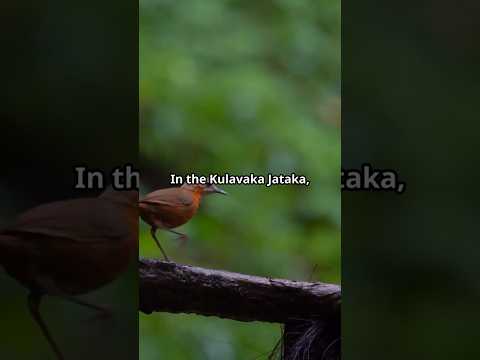
    In the Kulavaka Jataka, the Bodhisatta is reborn as a tiny bird living in a dense forest. One day, disaster strikes—a massive fire breaks out, spreading rapidly through the trees. The flames threaten to destroy the entire forest and all the creatures within it.

    The animals panic. Lions, elephants, and deer run desperately to save their lives, convinced that nothing can stop the destruction. They believe the fire is too powerful for anyone to challenge.

    But the little bird refuses to give up. With wings too small to carry much, it flies back and forth tirelessly, scooping up drops of water and releasing them over the flames. The effort seems hopeless, but the bird remains steadfast, driven by compassion for the forest and all its inhabitants.

    The gods observe this extraordinary determination. Moved by the bird’s selflessness and unshakable courage, they send down rain from the heavens. The storm extinguishes the fire, saving the forest and proving that even the smallest act of effort can spark miraculous change.

    Moral and Lessons

    The Kulavaka Jataka carries a message that remains just as relevant today as it was centuries ago. True greatness does not depend on size, wealth, or power. Instead, it emerges from effort, determination, and the desire to help others.

    This Jataka tale reminds us that:

    • Even small actions can create significant impact.
    • Courage is shown by persistence, not by physical strength.
    • Compassion has the power to inspire forces greater than ourselves.
    • Selfless intention can transform overwhelming challenges into hopeful victories.

    The Bodhisatta’s actions as a tiny bird teach us that every contribution matters, no matter how insignificant it may appear at first glance.

    Relevance in Daily Life

    The Kulavaka Jataka is more than an ancient fable; it is a guide for modern living. In our daily lives, we often face situations where our efforts feel too small to count. Whether it is contributing to environmental protection, helping a neighbor, or practicing kindness in small interactions, the story encourages us to act.

    When many small actions come together, they create large-scale transformation. Recycling one bottle may not stop pollution, but millions of people recycling can heal ecosystems. Offering one kind word may not change the world, but it can change someone’s day—and that ripple can extend farther than we imagine.

    Buddhist Wisdom in the Jataka Tales

    The Jataka tales, including the Kulavaka Jataka, illustrate the Buddha’s countless lifetimes of cultivating virtues such as patience, generosity, and wisdom. They show that enlightenment is not achieved in a single moment, but through consistent practice over many lives. Each story becomes both a reflection of the Bodhisatta’s journey and a mirror for our growth.

    These tales invite us to examine our lives. Are we acting with compassion? Are we persisting when challenges feel overwhelming? Are we contributing to the well-being of others, even in small ways? In this sense, the Jataka tales are not just ancient folklore but practical teachings for spiritual development.

    Conclusion

    The Kulavaka Jataka is far more than a story about a bird and a fire. It is a profound reminder that determination, courage, and compassion can overcome even the greatest challenges. The tiny bird did not measure success by the size of its wings but by the strength of its intention.

    By applying this wisdom in our daily lives, we can approach obstacles with resilience and believe in the impact of our actions. The Jataka tales, with their timeless insights, continue to light the way for those who seek mindfulness, kindness, and spiritual growth.

    Kulavaka Jataka | Buddhist Wisdom & Moral Story Explained.
    Kulavaka Jataka | Buddhist Wisdom & Moral Story Explained.

    PS: If you enjoyed this story and want to explore more timeless Buddhist wisdom, subscribe to YourWisdomVault on YouTube for weekly Jataka tales and moral stories. 🙏✨

    #KulavakaJataka #JatakaTales #BuddhistWisdom #MoralStories #YourWisdomVault