Tag: mindfulness practice

  • Transcending Hatred: Powerful Buddhist Wisdom Inside.

    Transcending Hatred: Powerful Buddhist Wisdom Inside—Awaken Peace, Forgiveness, and Clarity.
    Transcending Hatred: Powerful Buddhist Wisdom Inside.

    Transcending Hatred: Powerful Buddhist Wisdom Inside.

    In today’s fast-paced, reactive world, few emotions cause more harm than hatred. Whether directed outward or inward, it distorts our thinking, drains our energy, and blocks inner peace. Buddhism teaches us that transcending hatred is not about suppression, but transformation. It’s not weakness—it’s wisdom.

    Hatred as a Poison in Buddhism

    In Buddhist philosophy, hatred is considered one of the “Three Poisons,” alongside greed and delusion. These are the roots of suffering that keep us stuck in samsara—the endless cycle of birth, death, and rebirth.

    Hatred blinds us. It projects enemies where there may be misunderstanding and fuels a desire for revenge rather than healing. The Buddha taught, “Holding onto anger is like grasping a hot coal with the intent of throwing it at someone else—you are the one who gets burned.”

    The First Step—Mindful Awareness

    Transcending Hatred begins with awareness. When we observe anger as it arises—its physical sensations, thought patterns, and emotional triggers—we create space between reaction and response.

    This space is the birthplace of freedom. Through mindfulness, we learn that we don’t have to act on our anger. We can simply see it, and in seeing it, its grip loosens.

    Cultivating the Opposite—Loving-Kindness

    Hatred cannot exist where love is nurtured. That’s why Buddhist practice includes metta, or loving-kindness meditation. Practitioners offer goodwill first to themselves, then to loved ones, strangers, and possibly even to those they resent.

    This doesn’t mean excusing harmful behavior. It means freeing yourself from emotional chains. Transcending hatred through metta softens the heart and clears the mind, creating space for healing and understanding.

    Understanding the Root of Hatred

    No one is born hating. Hatred often stems from deeper wounds: fear, rejection, insecurity, or past trauma. When we dig beneath the surface of our anger, we typically find pain and unmet needs.

    By approaching these feelings with compassion and curiosity, we begin to dissolve the hatred—not by force, but by clarity. Transcending Hatred is about healing what fuels it.

    A Daily Practice, Not a Quick Fix

    Letting go of hatred is not a one-time decision—it’s a daily practice. Like a garden, your inner peace must be tended. There will be setbacks, but over time, the seeds of compassion will take root.

    In today’s world of social media arguments, political division, and personal conflict, the path of transcending hatred is more relevant than ever. By choosing peace, you’re choosing strength. By releasing hatred, you’re claiming freedom.

    Conclusion: Begin with Yourself

    Hatred is heavy. It weighs down the heart and fogs the mind. Buddhism offers not an escape from these emotions, but a path through them—with wisdom, awareness, and loving-kindness.

    So take a moment today: sit, breathe, and reflect. Is there someone—or something—you’re holding hatred toward? Can you offer even a drop of goodwill, not for them, but for your peace?

    Transcending Hatred starts with you. And with each step, you walk closer to inner freedom.

    Transcending Hatred: Powerful Buddhist Wisdom Inside.
    Transcending Hatred: Powerful Buddhist Wisdom Inside.

    P.S. If this insight helped shift your perspective, imagine what daily wisdom could do. Subscribe to YourWisdomVault on YouTube to receive more Buddhist reflections, spiritual tools, and mindfulness practices.

    #TranscendingHatred #BuddhistWisdom #MindfulnessPractice #InnerPeace #LettingGo #SpiritualGrowth #DailyWisdom #EmotionalHealing #YourWisdomVault

    And remember: True peace doesn’t come from changing the world around you—it begins the moment you change how you meet it, with compassion, clarity, and courage.

  • Beyond the Mind: Deep Buddhist Wisdom Uncovered.

    Beyond the Mind: Deep Buddhist Wisdom Uncovered—Journey Into Awareness, Clarity, and Peace.
    Beyond the Mind: Deep Buddhist Wisdom Uncovered.

    Beyond the Mind: Deep Buddhist Wisdom Uncovered.

    What if your thoughts aren’t the truth—but just noise passing through awareness?

    In this post, we’ll dive into a profound insight rooted in Buddhist teachings: that you are not your mind. While modern life revolves around thinking, planning, and identifying with mental activity, Buddhism offers a radically liberating perspective—one that helps us return to presence, stillness, and clarity.

    The Mind Is a Tool, Not the Self

    In many Buddhist traditions, especially Theravāda, Zen, and Dzogchen, the mind is not seen as “you.” Rather, it’s viewed as a conditioned process—a stream of thoughts, memories, judgments, and perceptions that arise and pass away, like clouds moving through the sky.

    The Buddha taught that clinging to the mind leads to dukkha, or suffering. When we believe every thought, we become entangled in stories, emotions, and fears. But the moment we recognize, “This is just a thought,” something shifts. We stop being the storm and begin to rest as the sky.

    The Power of Witnessing Awareness

    A core practice in Buddhism is cultivating mindfulness (sati)—the ability to observe the mind without becoming lost in it. Through meditation, we begin to see thoughts not as facts, but as fleeting events in consciousness.

    This is the foundation of non-attachment. We’re not trying to suppress thoughts or fight the mind. Instead, we develop the capacity to witness it. And as we do, we discover a deeper layer of experience: pure awareness—the silent background behind all mental activity.

    As one Zen saying puts it:
    “You are not the thoughts you think. You are the awareness aware of them.”

    Letting Go of Identification

    So much of our suffering comes from mistaken identity. We think we are our worries, our past, our opinions, and our ego. But the Buddha gently points us away from identification—toward emptiness, impermanence, and liberation.

    To go beyond the mind is not to escape thinking but to stop being imprisoned by it. It’s the difference between watching a movie and thinking you’re in it.

    By letting go of identification with thought, we create space for peace, compassion, and insight. This is the very heart of spiritual awakening.

    A Modern Mind Trap: Overthinking

    In our fast-paced, hyper-stimulated world, overthinking has become the norm. We’re constantly analyzing, planning, and comparing. But this nonstop mental activity leads to anxiety, disconnection, and fatigue.

    Buddhism offers an antidote—not through more thinking, but through stillness. By turning attention inward and resting in awareness, we break the loop. We reconnect with a deeper intelligence—one that doesn’t come from thought but from presence.

    Practical Steps to Go Beyond the Mind

    If you’re feeling pulled into mental noise, here are a few Buddhist-inspired practices to try:

    • Observe without judgment. Notice your thoughts like passing clouds. Don’t cling or resist—just witness.
    • Use the breath as an anchor. Return to the present moment through mindful breathing.
    • Name your thoughts. Label them gently: “planning,” “judging,” “remembering.” This reduces identification.
    • Rest in awareness. Sense the still space behind all experience. Just be.

    These simple steps open the door to greater peace and clarity—one breath, one moment at a time.

    Final Reflection

    The mind is a beautiful servant but a chaotic master. The wisdom of Buddhism doesn’t ask you to destroy your thoughts, but to see through them. To realize you are not what arises in the mind—you are the one aware of it.

    This shift changes everything. It doesn’t remove problems from life, but it removes you from suffering over them.

    Beyond the Mind: Deep Buddhist Wisdom Uncovered.
    Beyond the Mind: Deep Buddhist Wisdom Uncovered.

    If this teaching resonates with you, consider exploring more of our Buddhist Shorts at YourWisdomVault on YouTube—where ancient wisdom meets modern clarity in under 60 seconds.

    Let this be a reminder:
    You are not the storm.
    You are the sky.

    P.S.
    True clarity begins when you stop believing every thought. Go deeper—go beyond the mind.

    #BeyondTheMind #BuddhistWisdom #MindfulnessPractice #SpiritualAwakening #NonDuality #Awareness #MeditationJourney #LettingGo #YourWisdomVault

  • Beyond the Mind: Timeless Buddhist Wisdom for Inner Peace.

    Beyond the Mind: Timeless Buddhist Wisdom for Inner Peace.
    Beyond the Mind: Timeless Buddhist Wisdom for Inner Peace.

    Beyond the Mind: Timeless Buddhist Wisdom for Inner Peace.

    In today’s fast-paced world, the mind is constantly bombarded with thoughts, distractions, and emotions. From stress at work to fears about the future, we often find ourselves trapped in mental loops that steal our peace. But what if true freedom doesn’t come from controlling the mind… but from seeing beyond it?

    This is the essence of Buddhist wisdom—a timeless path that leads to inner peace by helping us recognize the impermanence of thought and the stillness that exists underneath.

    The Mind: Tool or Master?

    The Buddha once said, “All that we are is the result of what we have thought.” This profound statement from the Dhammapada reveals both a gift and a warning. Our thoughts shape our reality, yes—but when we become identified with them, they begin to control us.

    In Buddhist practice, the mind is not the enemy—but it’s also not the self. It’s a powerful tool, but it must be observed, not obeyed. Left untrained, it reacts, clings, resists, and fears. These patterns of mental activity are at the root of suffering.

    Seeing Thoughts Clearly

    Meditation, mindfulness, and self-inquiry are tools used in Buddhism to observe the mind without judgment. When we sit in silence and watch our thoughts, we begin to see their transient nature. Worries about tomorrow fade. Regrets from yesterday lose their weight. We realize that thoughts are not facts—they are just mental weather.

    This realization creates space: space between stimulus and reaction, between thought and identification. And in that space lies peace.

    Beyond the Mind Is Stillness

    When we go beyond the mind, we enter a realm of pure awareness—what many call presence or consciousness. This state isn’t about suppressing thought but about no longer being entangled by it. It’s the space the Buddha pointed to when he said that true liberation lies in understanding the nature of the mind.

    Going beyond the mind doesn’t mean rejecting it. Instead, it means resting in the awareness that watches the mind. This is the heart of Buddhist meditation, and it’s available to anyone willing to look inward.

    Why This Teaching Matters Now

    In an age of information overload and constant distraction, this teaching is more important than ever. Mental health struggles are on the rise, and many people are seeking answers in ancient traditions like Buddhism.

    The message is simple: peace does not come from outside. It is not earned through success or found in possessions. It arises when we turn inward, observe the mind, and recognize that we are more than our thoughts.

    As we begin to detach from thought, we reconnect with something deeper—a sense of calm, clarity, and connection that the world can’t give or take away.

    Final Thoughts

    This reflection on timeless Buddhist wisdom invites us to pause and reconnect with our true nature. It reminds us that freedom isn’t about fixing the mind but about seeing through it. This is the doorway to true spiritual awakening.

    If this message resonates with you, take a few minutes today to sit in silence. Watch your thoughts rise and fall. And remember—you are not your mind. You are the awareness beyond it.

    Beyond the Mind: Timeless Buddhist Wisdom for Inner Peace.
    Beyond the Mind: Timeless Buddhist Wisdom for Inner Peace.

    P.S. If you found this reflection meaningful, consider subscribing to Your Wisdom Vault on YouTube. Each week, we share bite-sized Buddhist insights to help you cultivate clarity, stillness, and a deeper connection to the present moment. 🪷

    #Buddhism #Dhammapada #Mindfulness #Meditation #InnerPeace #BuddhistWisdom #SpiritualAwakening #SelfInquiry #MentalClarity #YourWisdomVault #Presence #BeyondTheMind #BuddhistTeachings

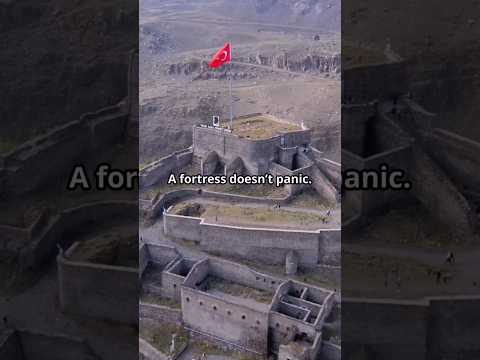
  • Be Your Own Fortress—Watchful, Strong, and Centered.

    Be Your Own Fortress—Watchful, Strong, and Centered in Mindful Wisdom and Inner Peace.
    Be Your Own Fortress—Watchful, Strong, and Centered.

    Be Your Own Fortress—Watchful, Strong, and Centered.

    In today’s world of constant stimulation, endless comparison, and emotional overwhelm, protecting your inner peace isn’t just helpful—it’s essential. We scroll, we react, we absorb energy that isn’t ours. And somewhere along the way, we lose the one thing that grounds us: our center.

    This is why learning to be your own fortress is such a powerful mindset. It’s not about shutting the world out; it’s about knowing when to close the gate.

    What Does It Mean to Be Your Own Fortress?

    A fortress is a place of protection, strength, and clarity. It stands tall against winds and war. When you choose to become your own fortress, you’re committing to watching your thoughts, choosing your reactions, and staying rooted in self-awareness.

    It doesn’t mean being rigid or emotionally unavailable. In fact, it’s quite the opposite. It means becoming deeply attuned to your internal state so you can stay steady—even when life feels unstable.

    Mindfulness Is Your First Line of Defense

    At the heart of becoming your own fortress is mindfulness. When you’re mindful, you’re not just reacting out of habit—you’re observing.

    You notice the rising anger before it controls you.
    You feel the anxiety without becoming it.
    You see the temptation to overextend before you say “yes” too quickly.

    This kind of awareness gives you space. And in that space, you can choose strength over reactivity, calm over chaos.

    Emotional Resilience: The Quiet Power

    Resilience isn’t loud. It’s quiet, steady, and often invisible to others. It’s saying no to drama, walking away from energy that drains you, and not internalizing someone else’s pain as your own.

    Being your own fortress means you hold boundaries not out of fear, but out of respect—for your time, energy, and emotional well-being.

    You stop looking for external validation and begin cultivating inner strength rooted in values, not volatility.

    Centering Yourself in a Noisy World

    To be centered is to stay connected to your inner stillness no matter what’s happening outside you. It means slowing down enough to feel what’s true, even when the world is rushing past.

    Some simple ways to stay centered:

    • Start your day in silence, even if just for 5 minutes
    • Practice mindful breathing when triggered
    • Say “no” when you mean it
    • Keep a journal to process your emotions
    • Reflect before reacting

    Every act of self-awareness is a brick in the fortress you are building.

    Buddhist Wisdom and the Power of Presence

    In Buddhist teachings, guarding the mind is a recurring theme. The Dhammapada says:
    “Let one guard oneself as a frontier fortress, with great vigilance.”

    This isn’t about fear. It’s about watching your internal landscape with the same care you would watch over your home.

    When you begin to guard your mind with love and presence, you protect your peace—and open the door to deep spiritual growth.

    Final Thoughts: Choose Stillness Over Stimulation

    Being your own fortress isn’t about being cold or detached. It’s about learning that your peace is your responsibility. No one can protect your inner world but you.

    When you stay watchful, you respond instead of react.
    When you stay strong, you carry yourself through chaos.
    When you stay centered, you come home to yourself—again and again.

    And in a world constantly trying to pull you away from your center, that is the most powerful thing you can do.

    Be Your Own Fortress—Watchful, Strong, and Centered.
    Be Your Own Fortress—Watchful, Strong, and Centered.

    P.S. If this message helped you reconnect with your center, consider subscribing to YourWisdomVault on YouTube for more timeless insights and short-form spiritual wisdom. Your journey inward is just beginning. 🌿✨

    #Mindfulness #InnerStrength #SpiritualGrowth #SelfAwareness #EmotionalResilience #MentalStrength #BuddhistWisdom #PersonalGrowth #GuardYourMind #StayCentered