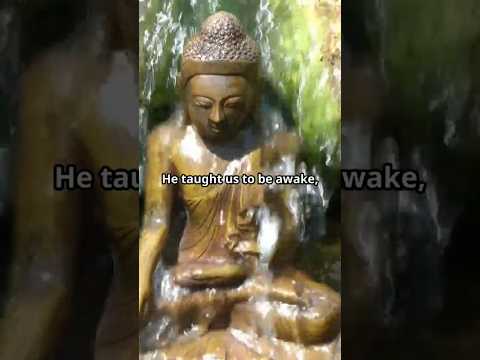
Tag: mindfulness practice

  • Those Who Seek Faults in Others Only Harm Themselves!

    Those Who Seek Faults in Others Only Harm Themselves—A Buddhist Reminder to Look Within.
    Those Who Seek Faults in Others Only Harm Themselves!

    Those Who Seek Faults in Others Only Harm Themselves!

    In a world filled with noise, opinions, and constant comparison, it’s easy to fall into the habit of pointing out the flaws of others. But what if this judgmental tendency is quietly harming us more than anyone else?

    The ancient wisdom of Buddhism reminds us: “Those who seek faults in others only harm themselves.” This profound teaching urges us to look inward rather than outward. It encourages self-awareness over blame, and compassion over criticism.

    The Trap of Judgment

    When we focus on the shortcomings of others, we create an illusion of superiority. It may offer a brief sense of validation, but over time, it feeds a cycle of negativity. Judgment is often a reflection of our inner wounds — and the more we indulge in it, the deeper that pain becomes.

    From a Buddhist perspective, judgment clouds the mind. It disrupts inner peace and distracts us from our spiritual path. Instead of growing and evolving, we remain stuck in a loop of external blame. When we constantly seek faults in others, we blind ourselves to the lessons we’re meant to learn within.

    Self-Awareness Is the Path to Healing

    Rather than directing energy toward fault-finding, Buddhism teaches the value of mindful self-awareness. This practice involves observing our thoughts, emotions, and actions without harsh judgment — just presence. Through mindfulness, we begin to see our patterns and triggers. We learn that compassion must begin with ourselves before it can extend outward.

    When we shift our gaze inward, we move closer to clarity. We stop reacting and start understanding. This is where true peace begins — not in controlling others, but in mastering our mind.

    Compassion Over Criticism

    Compassion is a cornerstone of Buddhist practice. It isn’t passive or weak — it’s a powerful choice. Choosing compassion over criticism doesn’t mean ignoring harmful behavior or allowing injustice. It means responding with wisdom, not reactivity. It means understanding that every person is fighting an unseen battle, just as we are.

    Instead of harsh judgment, we can practice empathy. We can pause before reacting, breathe deeply, and respond with kindness. This shift in energy brings healing to others and lightens our own emotional load.

    The Ripple Effect of Peace

    Choosing to release judgment creates a ripple effect. When we respond to negativity with calm understanding, we model a different way of being. We inspire others to do the same. One person’s peace can ignite a chain reaction — in families, communities, and beyond.

    Buddhism reminds us that we are all interconnected. When we harm others — even with thoughts or words — we harm ourselves. But when we uplift others, we elevate our spirit.

    Practical Ways to Let Go of Judgment

    1. Practice Daily Reflection
      Spend a few minutes each day journaling or meditating. Ask yourself, “Where did I judge today? How could I have responded differently?”
    2. Replace Criticism with Curiosity
      When you notice yourself judging, pause. Ask, “What might this person be going through?” Shift from reaction to understanding.
    3. Engage in Loving-Kindness Meditation
      This Buddhist practice helps develop compassion. Wish peace and healing to yourself, your loved ones, and even those who challenge you.
    4. Limit Negative Influences
      Steer clear of media and environments that thrive on blame and outrage. Protect your peace by choosing uplifting content and company.

    Final Thoughts

    The path to inner peace starts within. When we stop blaming others and begin nurturing self-awareness and compassion, we align with the core of Buddhist wisdom. We free ourselves from the weight of judgment and step into a life of understanding.

    The next time you’re tempted to find fault in someone, pause. Breathe. Ask yourself: Is this helping me grow, or keeping me stuck?

    Let this wisdom guide you not just for today, but as a daily intention.

    Those Who Seek Faults in Others Only Harm Themselves!
    Those Who Seek Faults in Others Only Harm Themselves!

    If this message resonates with you, consider subscribing to Your Wisdom Vault on YouTube for more timeless insights from Buddhist philosophy and mindful living.

    P.S. The more we seek faults in others, the more we drift from our own peace. Choose reflection over reaction — your inner freedom depends on it.

    #BuddhistWisdom #Mindfulness #Compassion

    And remember! To seek faults is easy; to seek understanding requires awareness, humility, and compassion!

  • You Become What You Think: Buddhist Wisdom on the Mind.

    You Become What You Think: Buddhist Wisdom on the Mind, Thought, and the Power of Awareness.
    You Become What You Think: Buddhist Wisdom on the Mind.

    You Become What You Think: Buddhist Wisdom on the Mind.

    In a world filled with noise, distractions, and emotional reactivity, few truths cut through the chaos as clearly as this one:

    “All that we are is the result of what we have thought.”
    The Dhammapada (Verse 1)

    This timeless insight from the Buddha isn’t just a spiritual proverb—it’s a practical blueprint for how our inner world shapes our outer reality. Understanding this teaching can radically shift how you think, feel, and act in your daily life.

    Let’s unpack the depth behind these few simple words—and why they still matter today.


    The Mind as Creator

    Modern science is catching up with what ancient Buddhists taught over 2,500 years ago: your thoughts have power.

    They influence your mood, your behavior, your relationships—even how your body responds to stress or peace. In the Dhammapada, the Buddha teaches that the mind is not just reactive. It’s formative. What you hold in thought, you begin to manifest in action and emotion.

    Think long enough in fear, and you will live in anxiety.
    Think long enough in compassion, and you will begin to act with kindness.
    It’s not magic. It’s mental momentum.

    This is the root of karma in the Buddhist sense—not cosmic punishment, but the law of cause and effect on the level of thought.


    Beyond Positive Thinking

    This teaching isn’t about cheap positivity. Buddhism doesn’t promise you’ll manifest a mansion by visualizing it. Instead, it asks something harder: take full responsibility for the quality of your mind.

    That means:

    • Noticing your anger before it becomes speech
    • Watching your fear before it becomes avoidance
    • Seeing your craving before it becomes addiction

    This level of self-awareness requires discipline, not just desire. It’s not about being calm—it’s about being conscious.


    How to Apply This Wisdom Daily

    If you’re ready to take this principle seriously, here are three ways to start applying it today:

    1. Observe your inner dialogue

    What do you repeatedly say to yourself? Is it supportive or self-sabotaging? Your self-talk becomes your self-image.

    2. Interrupt negative loops

    When you catch yourself spiraling in fear, resentment, or doubt, pause. Breathe. Redirect your awareness. Awareness alone can begin to dissolve harmful patterns.

    3. Feed your mind intentionally

    Just as your body needs nourishing food, your mind needs nourishing input. Read texts that challenge you. Surround yourself with voices that uplift, not drain.


    You Are Not Your Thoughts—But You Are Their Consequences

    In Buddhism, you’re taught that you are not your thoughts, but the consequences of your thoughts are very real.

    You can’t always control what arises in the mind, but you can control what you feed, follow, or fight.

    Over time, the mind becomes conditioned. And once it’s conditioned a certain way—toward bitterness or peace, anxiety or confidence—it will carry that weight into every action, word, and decision you make.

    That’s why this teaching isn’t passive—it’s revolutionary. It demands mindfulness. It demands mastery.


    Final Thought

    “You become what you think” isn’t motivational fluff. It’s a diagnostic tool. A mirror. A challenge.

    The mind is a garden. What you plant, you grow.
    Anger plants thorns. Awareness plants peace.
    You don’t need to “fix” your life. You need to train your mind.

    As the Buddha taught:
    “The mind is everything. What you think, you become.”

    You Become What You Think: Buddhist Wisdom on the Mind.
    You Become What You Think: Buddhist Wisdom on the Mind.

    P.S. You become what you feed your mind.
    Start feeding it truth, not noise.
    → Subscribe to YourWisdomVault on YouTube for more ancient insight, modern clarity, and no-fluff philosophy.

    #YouBecomeWhatYouThink #BuddhistWisdom #MindfulnessPractice #Dhammapada #TrainYourMind #ConsciousLiving #InnerDiscipline #YourWisdomVault

  • Mind Like a Mirror: Stop Smudging Your Mental Clarity.

    Mind Like a Mirror: Stop Smudging Your Mental Clarity and Reflect Life Just as It Truly Is.
    Mind Like a Mirror: Stop Smudging Your Mental Clarity.

    Mind Like a Mirror: Stop Smudging Your Mental Clarity.

    🎥 Watch the short above first. Then scroll down to deepen your reflection with practical, Buddhist-inspired insight.


    Your mind is naturally clear—like a mirror. It reflects whatever arises: thoughts, sensations, experiences. No judgment. No distortion. Just still clarity.

    But every time you overthink, react emotionally, or cling to a story, it’s like pressing your fingers against the glass. Each smudge clouds your ability to see reality as it is.

    In this post, we’ll explore how to stop smudging the mirror—and return to your natural state of mental clarity.


    The Mind as a Mirror: A Timeless Teaching

    In Buddhist philosophy, the metaphor of the mirror-like mind is ancient. The idea is simple yet profound:

    The mind’s natural state is pure, open, and reflective—like a mirror.
    Disturbance comes not from the mirror itself, but from what we place on it.

    When left untouched, the mirror reflects everything accurately. But every time we grasp at a thought, resist a feeling, or judge an experience, we leave a mark. Over time, the mirror gets so smudged we can’t see clearly at all.

    And clarity? It’s not something you create. It’s something you uncover.


    How We Smudge the Mirror

    Let’s be honest—modern life is full of mental fingerprints:

    • Overthinking about what we said yesterday
    • Worrying about what might happen tomorrow
    • Judging ourselves and others constantly
    • Clinging to emotions or pushing them away

    Each of these reactions adds layers of distortion.

    We don’t realize it, but we’re constantly interacting with every thought and emotion—grabbing, fixing, resisting, retelling.

    The mirror gets cloudy not because life is chaotic, but because we keep pressing on the glass.


    The Practice: Stop Touching the Glass

    So how do you restore your mental clarity?

    You don’t need to get rid of your thoughts. You don’t need to make emotions disappear. You just stop interfering.

    Here are four simple practices:

    1. Observe, Don’t Engage

    When a thought arises, notice it. Let it float through without adding more to it. You are not your thoughts—you’re the awareness behind them.

    2. Name the Emotion

    Instead of diving into anger or anxiety, label it gently: “This is anger.” That small pause brings distance—and perspective.

    3. Use the Breath

    Your breath is always in the present moment. Return to it. Let it anchor you when the mind wants to spiral.

    4. Create Space Before Reacting

    That split-second before you react? That’s the mirror. Choose stillness over automatic responses.


    Why Mental Clarity Matters

    Mental clarity isn’t just about peace—it’s about power.

    When your mind is clear:

    • You respond instead of react.
    • You see people and situations with greater compassion.
    • You make better decisions.
    • You feel lighter, less burdened by unnecessary mental noise.

    A clear mind is the foundation of spiritual insight. It’s not empty—it’s awake.


    The World Smudges You Daily

    Let’s face it: life isn’t designed for clarity.

    We’re flooded with distractions, noise, opinions, and pressure. Social media demands our attention. News headlines provoke reactions. Our own inner critic never seems to rest.

    You need a practice—a way to clean the mirror daily.

    Meditation, mindfulness, silence, nature, journaling… these aren’t luxuries. They’re your spiritual hygiene.


    Final Thoughts: The Mirror Is Not Broken

    You don’t need to fix yourself. You don’t need to find something new.
    You just need to stop clouding what’s already clear.

    Underneath the fingerprints, the smudges, the stories—your mind is a mirror.
    Still. Reflective. Free.

    So next time you catch yourself caught in thought or emotion, pause and ask:

    “Am I about to smudge the mirror?”

    That question alone can change the course of your day.

    Mind Like a Mirror: Stop Smudging Your Mental Clarity.
    Mind Like a Mirror: Stop Smudging Your Mental Clarity.

    Enjoyed the reflection?
    We’d love to hear your thoughts in the comments, so subscribe to YourWisdomVault on YouTube.
    And if this resonated, share it with someone who could use a moment of clarity.

    🧘‍♂️ Stay centered. Stay reflective. Stay clear.

    #MindLikeAMirror #MentalClarity #MindfulnessPractice #BuddhistWisdom #SpiritualGrowth #StopOverthinking #MeditationForClarity #EmotionalAwareness #SelfReflection #YourWisdomVault

  • Mindful, Not Passive: Be Present with Strength & Power.

    Mindful, Not Passive: Be Present with Strength and Power, Living Each Moment with Clarity.
    Mindful, Not Passive: Be Present with Strength & Power.

    Mindful, Not Passive: Be Present with Strength & Power.

    📽️ Watch the short above before reading.
    In under 40 seconds, you’ll get a powerful reminder: mindfulness isn’t about shrinking—it’s about showing up fully.


    What People Get Wrong About Mindfulness

    In today’s world, “being mindful” is often confused with being passive. People think it means letting things slide, avoiding conflict, or staying silent to keep the peace. But let’s set the record straight: mindfulness is not weakness. It’s not the absence of power—it’s the wise use of it.

    True mindfulness is being aware, awake, and intentional. It’s having the clarity to see what’s happening inside and around you—and the strength to choose your response instead of reacting from habit or emotion.


    Presence with Power: The Real Essence of Mindfulness

    Mindfulness doesn’t ask us to suppress emotion or avoid confrontation. It asks us to meet each moment with clarity, composure, and courage.

    It’s the kind of strength that doesn’t need to shout.
    It’s the confidence to be fully present—without rushing to fix, fight, or flee.

    Here’s what mindfulness actually empowers you to do:

    • Recognize emotional patterns before they control you
    • Set boundaries from self-respect, not fear
    • Communicate clearly without reacting impulsively
    • Stay grounded in difficult conversations
    • Respond to life consciously, not reactively

    This is the heart of what we call presence with power.


    A Buddhist Perspective: Stillness That Stands Tall

    In Buddhism, mindfulness—or sati—is a foundational practice. It isn’t about zoning out or becoming passive. It’s about waking up to the present moment with full attention.

    The Buddha himself was anything but passive. He left a life of privilege to seek truth, challenged the status quo, and spoke with wisdom and compassion in the face of opposition. His example shows us that mindfulness isn’t silence—it’s skilled action rooted in deep awareness.


    Strength in Stillness: What It Looks Like in Real Life

    Let’s look at real-world examples of mindful power:

    • You’re in an argument, and instead of yelling back, you pause, breathe, and speak clearly from your values.
    • You’re under pressure, but you don’t rush—you move with intention.
    • You feel overwhelmed, but instead of numbing out, you sit with your feelings and make space for them.

    Each of these moments reflects the courage to stay present, even when it’s uncomfortable. And that’s where your true power lives—not in force, but in awareness + action.


    How to Practice Mindful Strength Daily

    Want to start living with presence and power? Here are 6 practical steps:

    1. Pause before reacting – Take one breath before responding. It shifts everything.
    2. Notice your body – Tension, posture, and breath hold powerful signals.
    3. Name your emotions – Labeling feelings helps separate you from them.
    4. Set clear intentions – Decide who you want to be before the world decides for you.
    5. Speak with clarity – Say what you mean, not what you feel in the moment.
    6. Reflect daily – Ask: Was I present today? Did I respond or react?

    Over time, these simple habits build a foundation of calm confidence and inner power.


    Final Thoughts: This Is What Power Really Looks Like

    The next time someone assumes your stillness means you’ve stepped back, remind yourself:
    You haven’t stepped away—you’ve stepped in.
    You’re choosing your response.
    You’re holding presence with strength.
    You’re walking the path of mindful power.

    And that’s not weakness. That’s wisdom.

    Mindful, Not Passive: Be Present with Strength & Power.
    Mindful, Not Passive: Be Present with Strength & Power.

    📽️ Watch the short again up top to let it really sink in.
    If this message resonated, share this post, or check out more from YourWisdomVault on YouTube.

    #Mindfulness #InnerStrength #BuddhistWisdom #SpiritualGrowth #ConsciousLiving