Tag: Non-attachment teachings

  • Beyond Desire: How Buddhism Transforms Attachment.

    Beyond Desire: How Buddhism Transforms Attachment into Freedom, Clarity, and Lasting Peace.
    Beyond Desire: How Buddhism Transforms Attachment.

    Beyond Desire: How Buddhism Transforms Attachment.

    In a world driven by wanting—more success, more love, more meaning—what happens when we begin to ask if desire itself is the problem? In Buddhist philosophy, the answer leads us beyond desire, into a radically different understanding of life, self, and freedom.

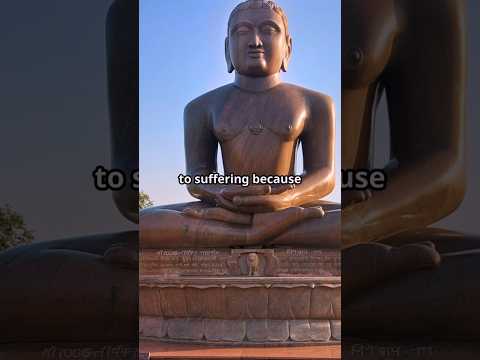
    At the heart of the Buddha’s teaching is the idea that suffering arises from attachment—not necessarily from desire alone, but from the craving, clinging, and identification we place upon it. We suffer not because we want, but because we believe our happiness depends on getting what we want—and fear the emptiness when we don’t.

    What Does It Mean to Go Beyond Desire?

    To go beyond desire does not mean becoming cold, detached, or disinterested in life. In fact, Buddhism doesn’t demonize desire; it recognizes it as a natural part of human experience. The shift comes in how we relate to it.

    Going beyond desire means recognizing its impermanence. Every object of craving—whether it’s a relationship, a possession, a goal—will either change or fade away. When we tie our peace to impermanent things, our peace becomes just as fragile.

    Instead of clinging, Buddhism teaches us to observe. We learn to notice desire without acting on it automatically. We learn to hold things lightly, love deeply without attachment, and engage with life from a place of clarity rather than compulsion.

    Why Attachment Breeds Suffering

    Attachment becomes suffering when we mistake the object of desire for the source of fulfillment. The joy we feel when we receive something we’ve longed for is often not from the object itself—but from the temporary silence of craving. Then, inevitably, new desires take its place. The cycle continues.

    This insight points us beyond desire to something more stable: the spacious awareness that watches desires come and go, but remains unshaken. That awareness, in Buddhist thought, is our truest self—not the fleeting wants of the moment, but the silent witness beneath them.

    Practicing Detachment, Not Indifference

    A common misunderstanding is that Buddhism encourages repression or numbness. But detachment isn’t indifference—it’s freedom. It’s the ability to love fully without needing someone to complete you. It’s working hard without depending on results for your self-worth. It’s appreciating beauty without fearing its loss.

    This kind of detachment doesn’t strip life of meaning—it deepens it. We’re no longer trapped in the highs and lows of constant craving. We can finally rest, breathe, and experience life as it is.

    Beyond Desire: A Gateway to Inner Peace

    When we live beyond desire, we begin to experience a peace that isn’t dependent on external conditions. This is the essence of Nirvana—not a mystical escape from life, but freedom within life. A state where desires may arise, but they no longer dictate our every move.

    This freedom doesn’t happen overnight. It’s cultivated through mindfulness, meditation, and the daily practice of letting go—again and again.

    Each moment we observe desire without being ruled by it, we step closer to liberation. Each time we choose presence over craving, we weaken the chains of attachment.

    The Modern Relevance of Buddhist Wisdom

    In today’s hyper-consumerist culture, the Buddhist path beyond desire feels more relevant than ever. We are constantly sold the idea that happiness lies just one purchase, achievement, or relationship away. Yet millions are waking up to the truth: nothing external can offer lasting fulfillment.

    Buddhism reminds us that what we seek isn’t out there—it’s already within. To discover it, we must go beyond desire, beyond illusion, and into the silence of the present moment.


    Beyond Desire: How Buddhism Transforms Attachment.
    Beyond Desire: How Buddhism Transforms Attachment.

    If this reflection resonates with you, explore more Buddhist wisdom at YourWisdomVault on YouTube. Discover practical tools for letting go, living mindfully, and finding freedom in a world that never stops wanting.

    P.S. True freedom isn’t found in satisfying every desire—it’s in no longer being ruled by them. What could your life look like if you stepped beyond desire?

    #BeyondDesire #BuddhistWisdom #LettingGo #MindfulnessPractice #NonAttachment #SpiritualGrowth #BuddhismToday #CravingAndSuffering #InnerFreedom #ModernBuddhism
  • Walking the Path to Freedom—A Short Buddhist Insight.

    Walking the Path to Freedom—A Short Buddhist Insight on Mindful Living and Inner Liberation.
    Walking the Path to Freedom—A Short Buddhist Insight.

    Walking the Path to Freedom—A Short Buddhist Insight.

    Freedom is a word often associated with external conditions—political rights, personal choices, financial independence. But Buddhism invites us to explore a much deeper, more transformative form of freedom: inner liberation. This isn’t about escaping responsibilities or avoiding life’s challenges. It’s about waking up to the truth of who we are beyond fear, craving, and illusion.

    The Buddhist path to freedom is built on the foundation of the Four Noble Truths. These timeless teachings remind us that suffering (dukkha) exists, that it has a cause—craving and attachment—and that there’s a path to freedom through ethical living, mindfulness, and wisdom. This path isn’t abstract; it’s lived in each moment, breath by breath, step by step.

    Mindfulness is at the core of this journey. In Buddhist philosophy, mindfulness means more than just being present. It’s a conscious awareness infused with clarity and compassion. When we practice mindfulness, we observe our thoughts and emotions without being entangled in them. We start to recognize the ways our mind reacts—grasping at pleasure, resisting pain, clinging to identity.

    It is this habitual reactivity that binds us. Freedom comes when we respond rather than react. When we pause instead of reaching for distraction. When we sit with discomfort instead of numbing it. These moments of mindful awareness are not small—they are revolutionary. They interrupt the unconscious cycle of suffering and offer a glimpse of our inherent spaciousness.

    Letting go is another essential teaching. In the West, “letting go” often sounds like loss. But in the Buddhist tradition, it’s liberation. Letting go doesn’t mean detachment from life—it means non-attachment to outcomes. We can love deeply, work passionately, and care sincerely—without clinging. This kind of non-attachment brings ease, flexibility, and resilience.

    We suffer most when we try to control what is uncontrollable: time, change, other people, even our own emotions. The Buddhist insight into impermanence teaches us that all conditioned things arise and pass. No joy or sorrow is permanent. By accepting this, we soften our grip. We begin to trust the flow of life instead of fighting against it.

    Meditation is the training ground for this inner freedom. In meditation, we sit with ourselves—not to escape the world, but to see it more clearly. We meet our own mind with gentleness. We watch thoughts come and go. We realize : we are not our thoughts. We are not our fears. We are the awareness that holds it all.

    Through consistent practice, the mind settles. A calm mind sees reality as it is, without distortion. This clarity is what the Buddha called prajna—wisdom. It cuts through illusion, helping us see the emptiness of ego and the interconnectedness of all beings. From this space, compassion arises naturally.

    The spiritual journey is not always smooth. There will be challenges, doubts, and distractions. But every time we return to the present moment, we take another step on the path of freedom. Every moment of awareness is an act of liberation.

    You don’t need to become a monk, renounce the world, or attain perfection. The Buddhist path is not about achieving something outside yourself. It’s about uncovering what has always been there—peace, clarity, and freedom, right here, right now.

    So ask yourself, what can I let go of today? What craving or fear can I meet with mindfulness? Even the smallest shift in awareness opens the door to inner freedom.

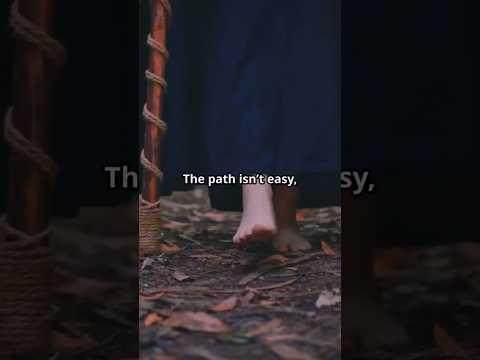
    The path to freedom is not a destination—it’s a way of being. A way of seeing. A way of walking through the world with openness, courage, and compassion.

    Walking the Path to Freedom—A Short Buddhist Insight.
    Walking the Path to Freedom—A Short Buddhist Insight.

    P.S.
    The path to freedom begins with a single moment of awareness. If this resonates with you, subscribe to YourWisdomVault on YouTube for more insights on walking it with clarity and purpose.

    #PathToFreedom #MindfulLiving #BuddhistJourney #InnerPeace #SpiritualAwakening #LettingGo #DharmaPath #MeditationPractice #SelfAwareness #BuddhistTeachings