Tag: non-attachment

  • Detachment Isn’t Giving Up — It’s Gaining Clarity and Peace

    Detachment Isn’t Giving Up—It's Gaining Clarity and Inner Peace Through Acceptance and Awareness.
    Detachment Isn’t Giving Up — It’s Gaining Clarity and Inner Peace

    Detachment Isn’t Giving Up — It’s Gaining Clarity and Inner Peace

    In a world that constantly urges us to hold on, chase more, and never let go, the idea of detachment can feel foreign—maybe even threatening. Doesn’t detachment mean giving up? Doesn’t it mean becoming cold, distant, or uncaring?

    Not in Buddhism.

    In Buddhist philosophy, detachment is not about indifference or emotional numbness. It’s about freedom—freedom from clinging, craving, and the suffering that comes from trying to control what we can’t. Detachment is the path to clarity, inner peace, and emotional resilience.

    What Is True non-attachment?

    True detachment, or non-attachment, is the ability to engage fully with life without clinging to outcomes, identities, or desires. It doesn’t mean you stop caring—it means you stop suffering unnecessarily.

    When you’re deeply attached to a specific outcome, any deviation from that vision feels like loss. You become reactive, anxious, and emotionally tangled. But with detachment, you begin to experience life with more equanimity—a calm, balanced awareness.

    Non-attachment Is Not Apathy

    One of the most common misunderstandings is that detachment equals apathy.

    But apathy is disconnection.
    Detachment is connection without bondage.

    Imagine holding a bird in your hand. Attachment squeezes it too tightly. Apathy lets it fall. Detachment? Detachment allows it to rest gently in your palm, free to fly at any time. And if it does? You’re at peace.

    Why We Suffer from Attachment

    Attachment creates illusions:

    • “I’ll only be happy when I have this relationship.”
    • “I can’t be at peace unless I’m successful.”
    • “If things change, I’ll fall apart.”

    These thoughts give our power away. They tell us happiness is out there, always just beyond reach.

    Buddhism teaches that suffering (dukkha) comes from this craving and resistance. When we learn to let go—not of love, but of clinging—we create space for peace to arise naturally.

    The Power of Letting Go

    Letting go is not weakness. It is strength in surrender.

    When we release control, we open ourselves to what is, rather than fighting for what should be. This shift brings clarity. You begin to see people, situations, and even your own mind more truthfully.

    You’re no longer reacting—you’re responding with wisdom.

    How to Practice it Mindfully

    Detachment is a practice, not a switch. Here are a few simple ways to begin:

    1. Observe, don’t absorb.
      Notice your emotions and thoughts without becoming them. Meditation is a powerful tool for this.
    2. Question your attachments.
      What outcome are you clinging to? What fear is underneath it?
    3. Stay present.
      The more you’re anchored in the now, the less control the future or past has over you.
    4. Let go gently.
      You don’t have to force yourself to “stop caring.” Just loosen your grip—bit by bit.

    It Brings Peace, Not Emptiness

    When we detach mindfully, we make space for deeper joy, compassion, and freedom.
    You’re no longer lost in the fog of “what if” and “what should have been.”
    You’re here—present, clear, and whole.

    And that’s what real inner peace feels like.


    Detachment Isn’t Giving Up — It’s Gaining Clarity and Inner Peace

    Final Thought

    Detachment isn’t giving up.
    It’s waking up.

    It’s the choice to stop clinging to illusions and start living in truth.
    It’s the path to seeing clearly and loving fully—without fear.


    If this message resonates with you, share it with someone who might need a gentle reminder to let go.
    Follow Your Wisdom Vault on YouTube for more mindful insights on clarity, peace, and spiritual growth.

    #MindfulDetachment #InnerPeace #BuddhistWisdom #LettingGo #SpiritualGrowth #EmotionalFreedom #Clarity #NonAttachment

    P.S. Sometimes the greatest peace comes not from holding on, but from trusting the flow and allowing clarity to lead the way. 🌊
  • You Don’t Own the People You Love: Freedom in Buddhist Love

    You Don’t Own the People You Love: True Freedom in Buddhist Love and the Art of Letting Go.
    You Don’t Own the People You Love: True Freedom in Buddhist Love

    You Don’t Own the People You Love: True Freedom in Buddhist Love

    In the modern world, we often hear the idea that love is about “finding your other half.” That someone out there will complete you, make you whole, and bring you the happiness you’ve been missing. But Buddhist philosophy offers a very different—and much more liberating—truth:

    Your happiness isn’t someone else’s job.

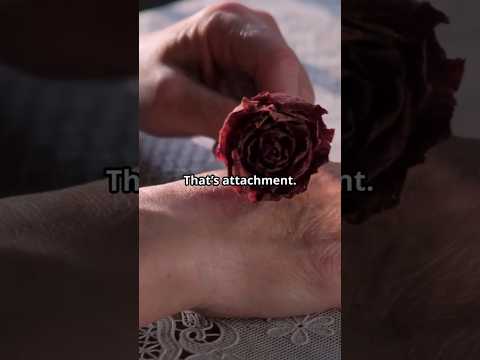
    This idea may seem harsh at first. After all, we want to feel loved, supported, and understood. But when we place the full weight of our emotional well-being on someone else, we cross the line from love into attachment. And according to Buddhism, attachment is the root of suffering.

    Love Without Clinging

    True love, from a Buddhist perspective, is not about possession, control, or emotional dependence. It’s not about using another person to fill a void within ourselves. Instead, love is seen as a generous, compassionate energy—one that flows freely, without expectation or demand.

    When we say “Your happiness is your responsibility,” we’re not saying love doesn’t matter. We’re saying that real love can only grow from a stable inner foundation. If we rely on others to make us happy, we create a fragile system. One that breaks the moment things change—as they always do.

    Why We Project Our Happiness Onto Others

    Many of us have been conditioned to believe that relationships should “fix” us. That once we find the right partner, friend, or even teacher, everything inside us will finally settle. But Buddhism teaches that this is an illusion.

    Other people can support us, encourage us, and walk alongside us. But they cannot do the work within us. They cannot remove our suffering or guarantee our peace. Only we can do that—through mindfulness, presence, and the practice of self-awareness.

    When we project our happiness onto others, we make them responsible for something that isn’t theirs to carry. And in doing so, we unintentionally create pressure, resentment, and disappointment in our relationships.

    The Practice of Emotional Responsibility

    Taking ownership of your happiness doesn’t mean isolating yourself or rejecting connection. It means recognizing that:

    • Your inner peace comes from your own thoughts, beliefs, and actions.
    • Your emotions are yours to understand, accept, and work through.
    • Your self-worth is not determined by how someone else treats you.

    This is what Buddhism calls the path of emotional freedom. It’s about detaching from the idea that someone else should make you feel okay. It’s about learning to sit with discomfort, to know yourself deeply, and to love without needing.

    Relationships As Shared Journeys, Not Emotional Crutches

    In healthy, mindful relationships, two people come together not to fix each other—but to support each other’s growth. Love becomes a mutual exchange of presence and compassion, not a transaction for validation or emotional rescue.

    When both people take responsibility for their own well-being, the relationship becomes lighter. Freer. More resilient. There’s room for love to move naturally, without fear or pressure.

    This is the Buddhist ideal: non-attached love. Not cold or distant—but deeply present and respectful of each person’s path.

    How to Start Cultivating Inner Happiness

    You don’t need to be a monk to start practicing this truth. Here are three gentle steps anyone can take:

    1. Pause when you feel disappointed by others.
      Ask: “Was I expecting them to make me feel something I need to create myself?”
    2. Spend quiet time alone, without distractions.
      Get to know your own mind. Breathe. Observe. Let thoughts pass.
    3. Shift the question.
      From: “Why aren’t they making me happy?”
      To: “What can I do to cultivate peace in this moment?”
    You Don’t Own the People You Love: True Freedom in Buddhist Love
    You Don’t Own the People You Love: True Freedom in Buddhist Love

    Final Thoughts: Freedom Is Love

    When you stop expecting others to make you happy, you don’t become detached—you become free. And from that freedom, real love can finally grow—not based on need, but on truth, presence, and mutual care.


    If this teaching resonates with you, share it with someone who may be searching for peace in love. For more Buddhist reflections, explore our video library at YourWisdomVault on YouTube.

    Thanks for watching: You Don’t Own the People You Love: True Freedom in Buddhist Love

  • The Art of Watching Your Thoughts Burn: Mindful Detachment.

    The Art of Watching Your Thoughts Burn: Mindful Detachment in Action.
    The Art of Watching Your Thoughts Burn: Mindful Detachment in Action

    The Art of Watching Your Thoughts Burn: Mindful Detachment in Action

    In a world of constant mental noise, learning to observe rather than react is a radical act. This is where the art of watching comes in—a practice rooted in Buddhist mindfulness that can transform how we relate to our thoughts and emotions.

    Rather than battling the mind, the art of watching teaches us to witness it.

    Why Watching Matters

    Most of us are caught in a loop: a thought appears, and we react. That reaction fuels more thoughts, more emotions, and before long, we’re overwhelmed. The art of watching is about breaking that cycle—not by force, but through awareness.

    In Buddhist practice, thoughts are not the enemy. They’re simply phenomena that arise and pass. The problem begins when we believe, cling to, or resist them. Watching gives us space. Space to respond, not react. Space to choose peace over panic.

    Let the Fire Burn—But Stay Cool

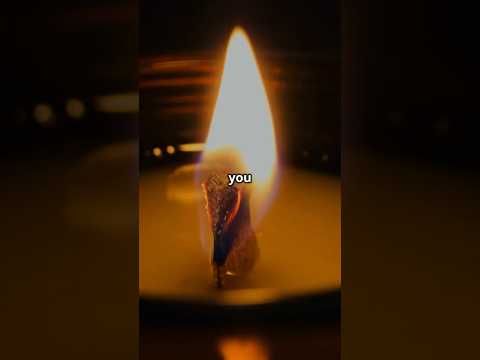
    Think of your thoughts like sparks. Some are harmless. But when you latch onto anger, fear, or craving, those sparks can ignite a fire.

    The key isn’t to suppress the fire. It’s to watch it.

    This is where the art of watching becomes powerful. Instead of jumping into the flames of emotion, you sit beside them. You observe their rise, their intensity, and—most importantly—their fading. Every emotion, no matter how strong, passes when it’s not fed.

    This doesn’t make you cold or detached. It makes you clear and grounded.

    How to Practice the Art of Watching

    You don’t need to retreat to a monastery to begin. The art of watching can be practiced anytime, anywhere. Here’s how:

    • Pause before reacting: When you notice a strong thought, take a breath. Ask: can I watch this instead of becoming it?
    • Label gently: Silently name what you’re experiencing—“thinking,” “worrying,” “remembering.” This helps shift from identification to observation.
    • Use the breath as an anchor: While thoughts float by, keep your awareness gently on the breath. It grounds you without resistance.
    • Journal from awareness: Write what you notice without judgment. This builds the watcher’s perspective over time.

    Each of these practices strengthens your ability to remain present and unattached—even in challenging moments.

    The Wisdom Behind the Practice

    In Buddhist philosophy, suffering isn’t caused by thoughts themselves, but by our attachment to them. The art of watching reveals this truth in real time. When you watch a fear rise and fall without reacting, you see its impermanence. When you observe anger without fueling it, it loses its power.

    This shift—from doing to witnessing—is a kind of liberation. You realize you are not your thoughts. You are the awareness behind them.

    And from that space, peace becomes possible—even in chaos.

    The Art of Watching Your Thoughts Burn: Mindful Detachment in Action
    The Art of Watching Your Thoughts Burn: Mindful Detachment in Action

    Final Reflection

    The art of watching is not about becoming emotionless. It’s about becoming present. Watching doesn’t mean ignoring life—it means engaging with it more clearly, with less confusion and more compassion.

    So the next time your mind feels like it’s spinning, don’t fight it. Don’t fuel it. Just watch. Breathe. And let the fire burn itself out.

    With practice, the art of watching becomes second nature. A quiet power. A path to freedom.

    #ArtOfWatching #MindfulDetachment #BuddhistMindfulness #WatchYourThoughts #LettingGo #EmotionalAwareness #Vipassana #InnerPeace #NonAttachment #MeditationPractice #SpiritualGrowth #ObserveYourMind #BuddhistWisdom #MentalClarity #MindfulnessInAction

    P.S. If this post helped shift your perspective, consider subscribing to YourWisdomVault on YouTube to receive more insights on mindfulness, Buddhist wisdom, and the quiet power of observation — straight to your inbox.